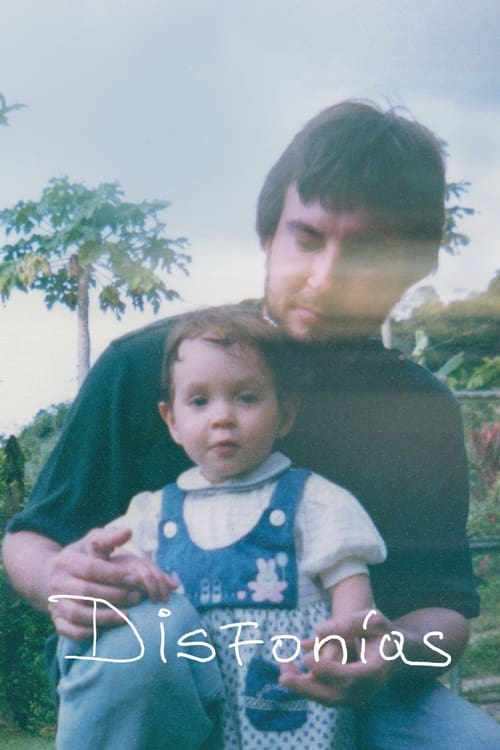
After a premonition of an unusual bird, a father loses his voice. His daughter undertakes a search to rediscover him, through an intimate narrative that explores the past, the new facets and the silences of a man who is no longer the same.
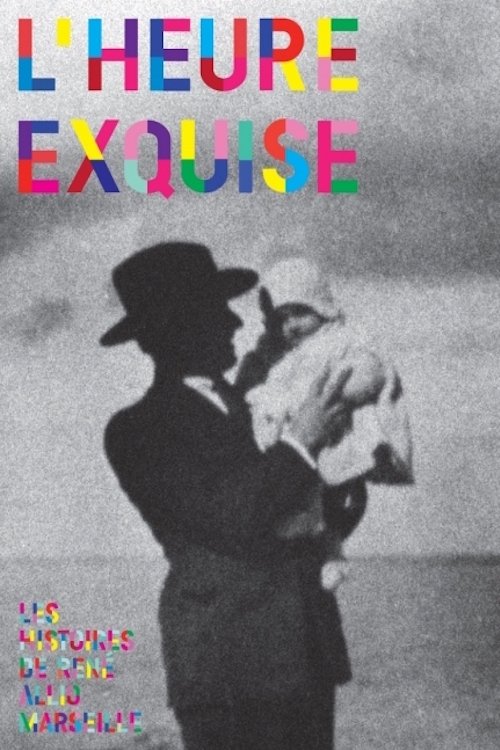
In the streets of Marseille, René Allio encounters, once again, the spaces of his childhood, and remembers his family history.
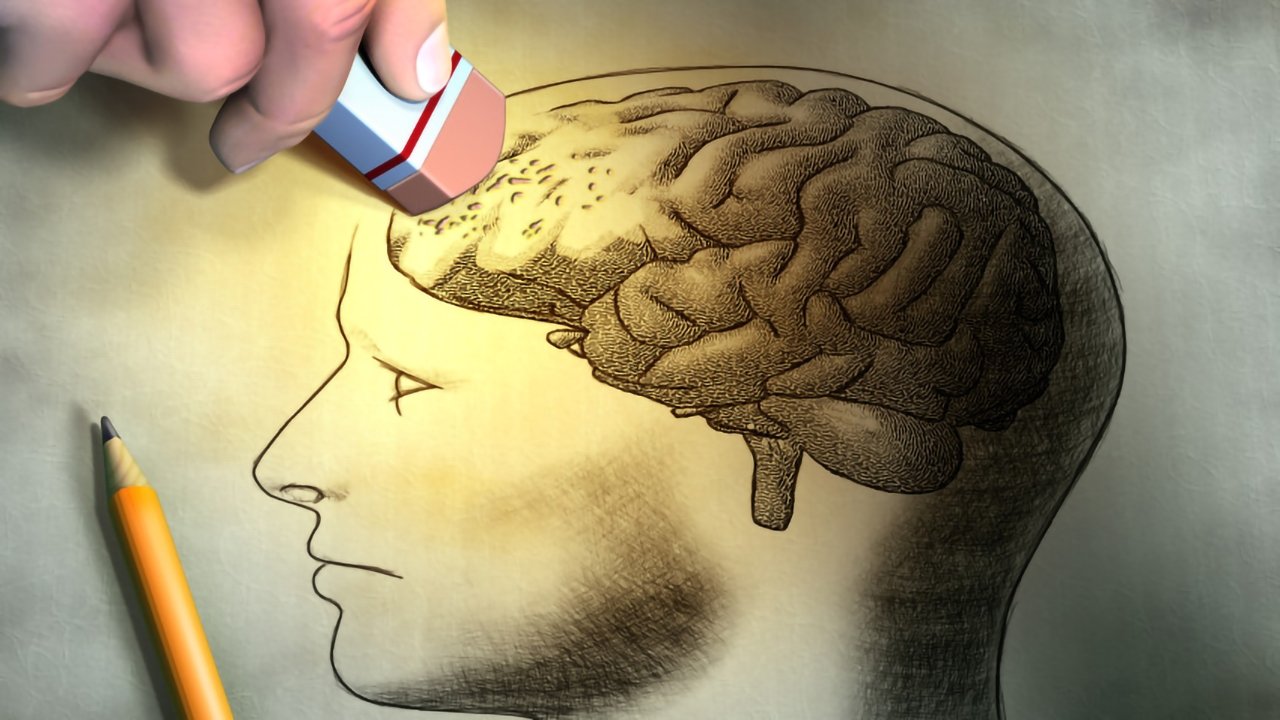
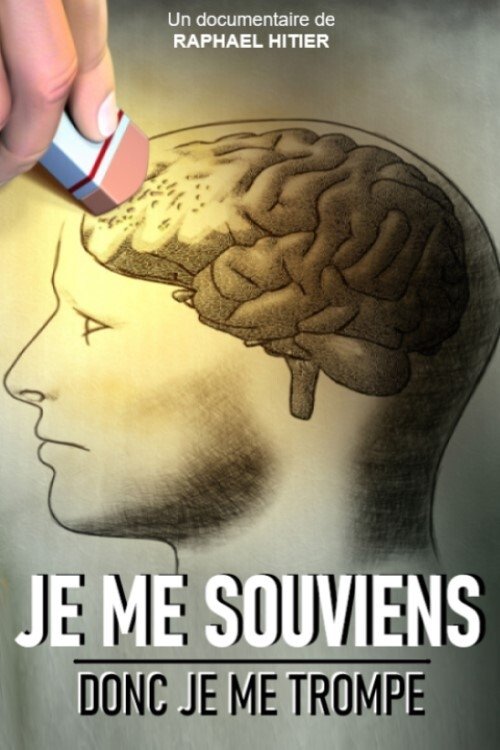
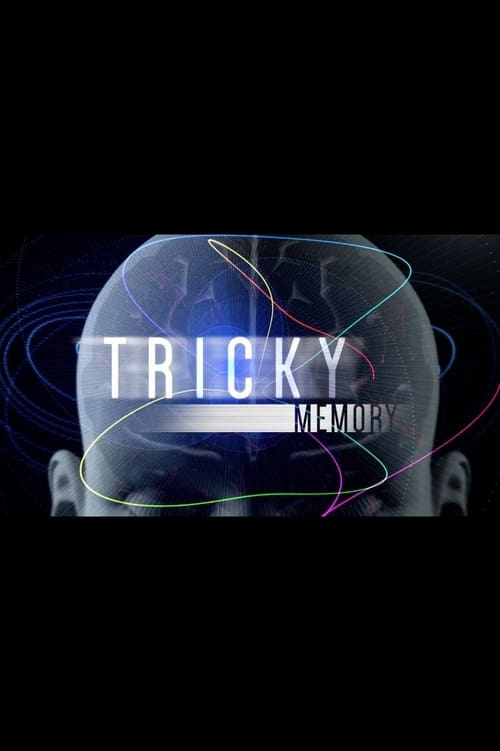
The lastest neuroscience discoveries show surprising results: false memories, distortion, modification, déjà vus. Our memory is affected in many ways, and deceives us every day. The very fact of recalling souvenirs modifies them. The everyday consequences are manyfold. To what extent can we rely on our souvenirs? How much credit can we give them during trials? Even more shocking, scientists have proved to be able to manipulate our memory: creating artificial souvenirs, deleting, emphasizing or restoring them on demand.
Nesrin and Erdem talk about their relationship, which they don’t remember in exactly the same way. Çevik’s visually stunning essay uses their conversations to forge a pensive treatise on what it means to forget, where word and image play an equal role.
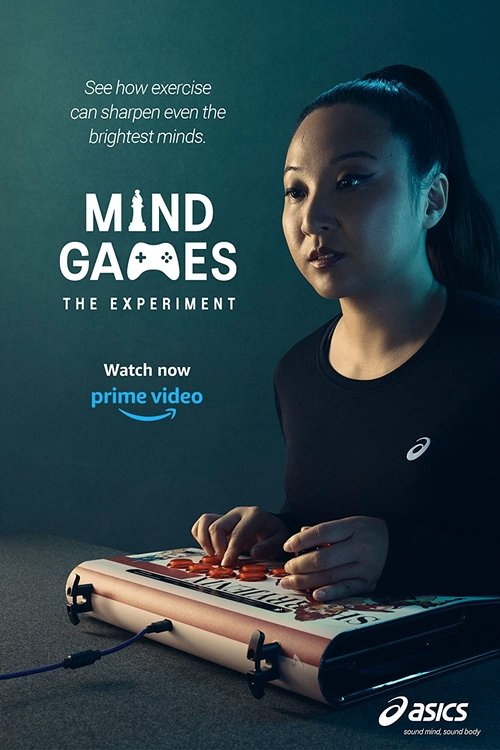
Can exercise sharpen the brightest minds? In this ground-breaking experiment, four world-class gamers, competing in eSports, Chess, Mahjong and Memory Games, put this to the test.
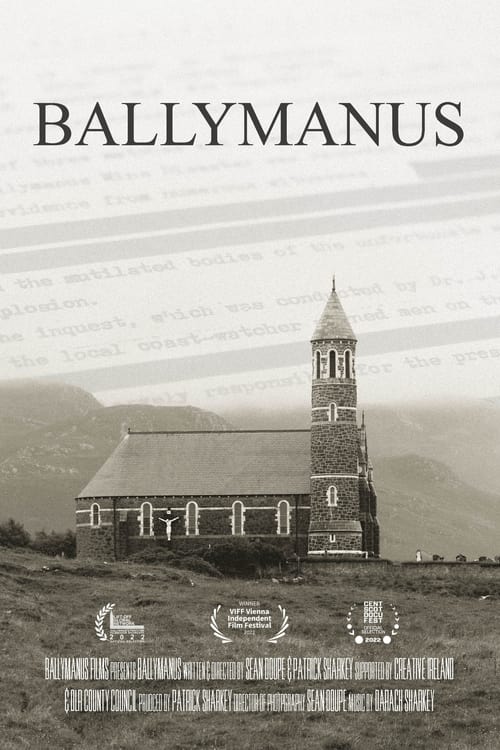
10 May 1943. Something is spotted drifting ashore off the coast of Northwest Donegal, Ireland. Something that would change the lives of the local people forever.
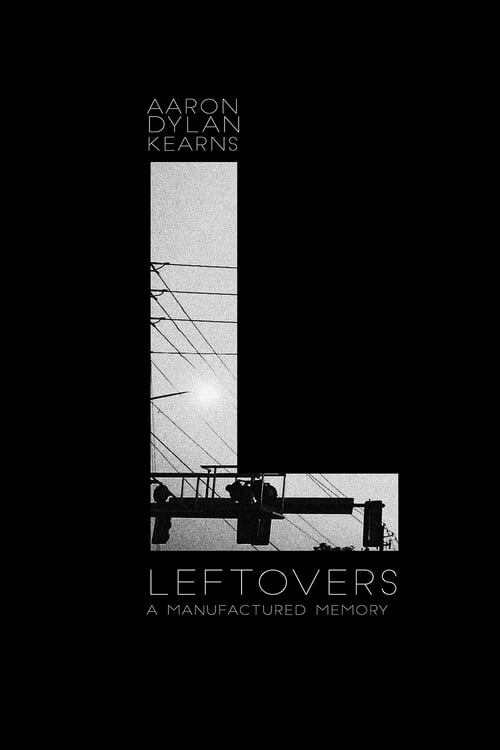
A manufactured memory.
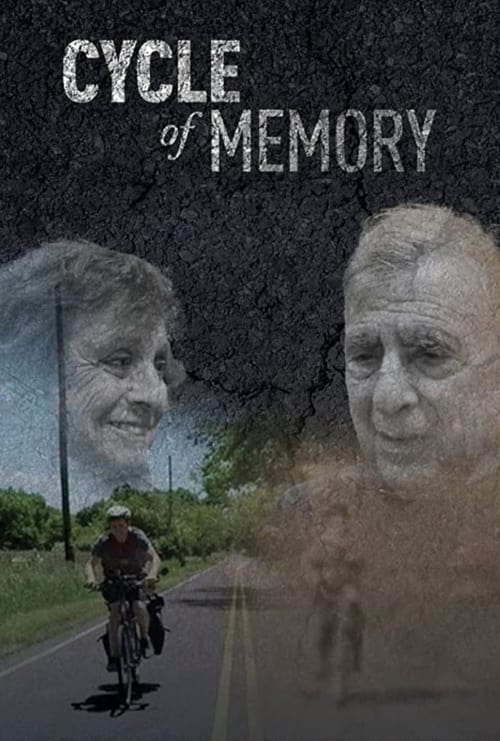
Mel Schwartz escaped the Great Depression on a bicycle adventure he'd remember for the rest of his life... until Mel lost his memory to Alzheimer's. Now over seventy-five years later, his grandchildren set out to recreate his life-changing journey and find those memories before they slip away. Cycle of Memory explores the importance of intergenerational connection, healing painful pasts, and leaving a meaningful time capsule for the future.
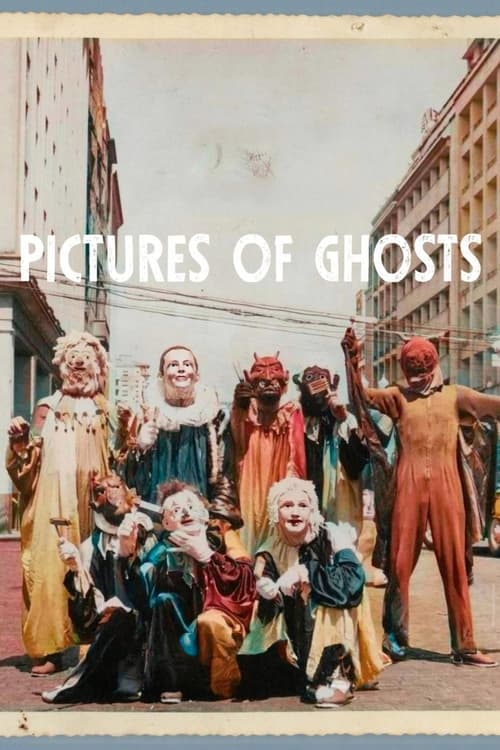
An experimental documentary engaging with decades of DIY activist media, two death bed/legacy videos, and the wisdom of many living AIDS workers, as we all sit together in one (changing) format, video—VHS, hi-8, digital, Zoom—to address these and other questions: How do neighborhoods, sweaters and scarves, videotapes and queer bars hold ghosts? How do we let them go?
A glimpse into a visual representation of memory; A Christmas-time series of meals, coffees, and movies, with friends, lovers, and housemates. Faced with the compounding of faces and places, each moment begins to collide with one another: voices are muddled, and faces are broken. How is memory created? How are they separated from one another?
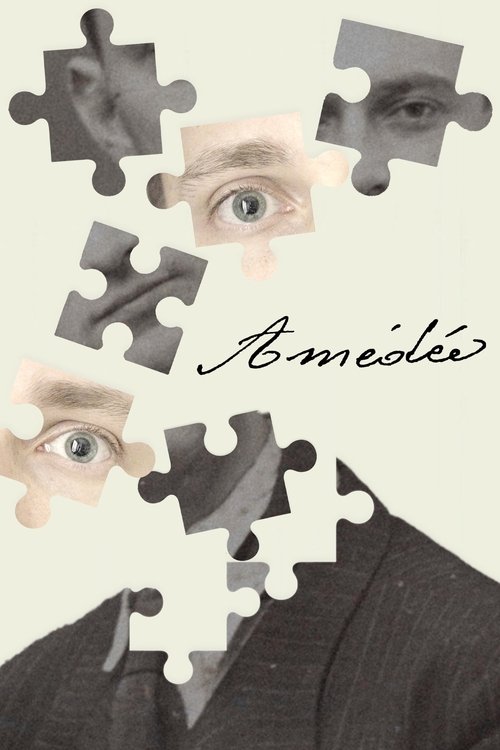
In 1952, Amédée took his own life by jumping into the Seine. No one knows the reason for this tragic act. His story comes to us in bits and pieces.
Downtown Recife’s classic movie palaces from the 20th century are mostly gone. That city area is now an archaeological site of sorts that reveals aspects of life in society which have been lost. And that’s just part of the story.
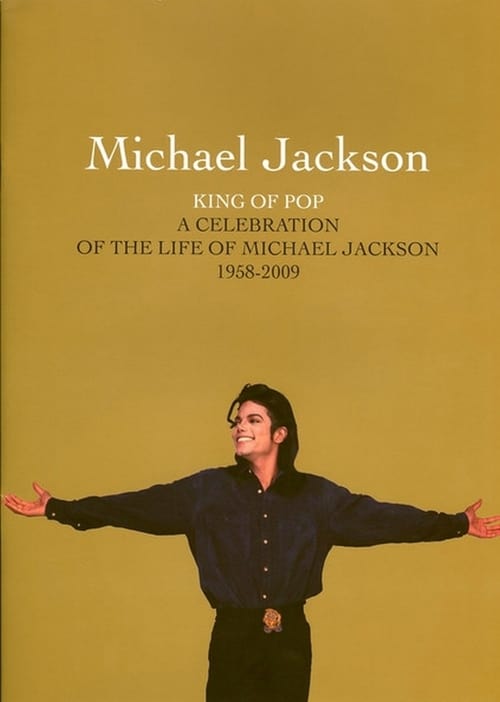
A live telecast of the public memorial service for the king of pop, Michael Jackson.
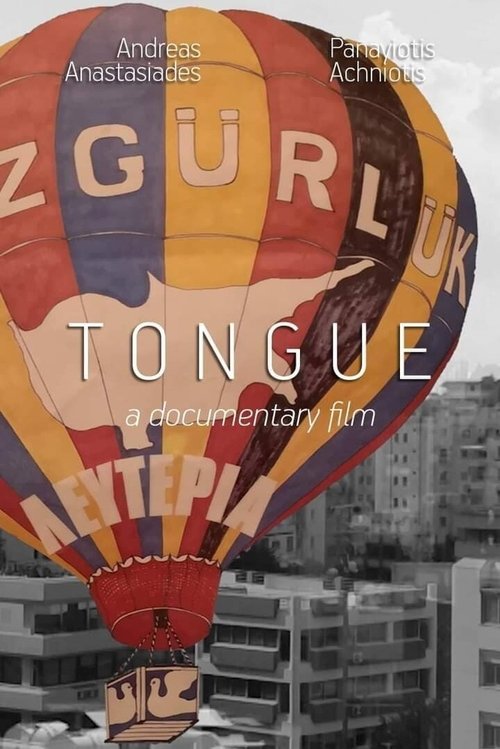
Tracing the life of activist Costis Achniotis, the film develops within the history of the Cypriot radical Left and the bicommunal movement for reunification. In parallel quests between the past and present and with an auto-ethnographic approach, the filmmakers bring together personal artifacts, new and archival material, exploring the dialectics and poetics of the ethnic clash and division in Cyprus.
An unnamed passer-by is forced to trace a circular route inside an abandoned tram station, facing loss and time. The broken walls act as a channel, transmitting fragmentary, blurred and analogical memories.
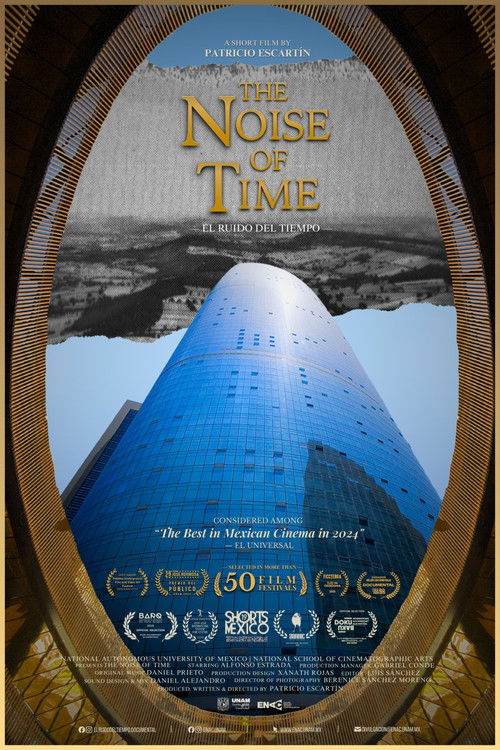
In the town of Xoco, the spirit of an old villager awakens in search of its lost home. Along its journey, the ghost discovers that the town still celebrates its most important festivities, but also learns that the construction of a new commercial complex called Mítikah will threaten the existence of both the traditions and the town itself.
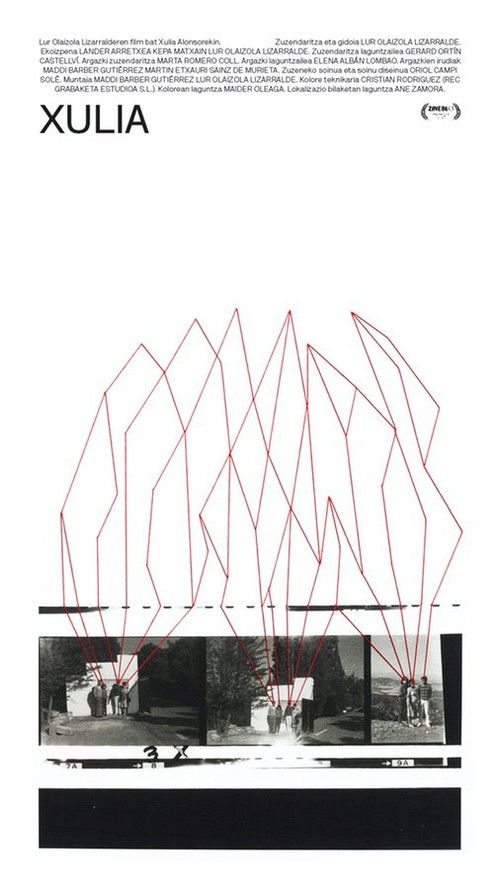
Xulia was getting treatment at a rehab center back in 1985, when something happened that changed her life. Years after that, she published 'Imperfect Future', a memoir turned into a book. This short film is a dive in what's left of all that.
A community of cats lives in the Soledade Cemetery Park in Belém. "7 Vidas" follows these animals through a fictional letter written by one of them to his former owner. With real images of the cats among graves and trees, the film builds a sensitive narrative about abandonment, freedom and memory, revealing the poetry hidden in the coexistence between life and death.
Familiar Phantoms is an experimental documentary short film about memory, history and trauma.
No overview available.
No Cast found.
No Trailers found.