No Trailers found.
herself
Embassy employee
self
Self
No overview available.
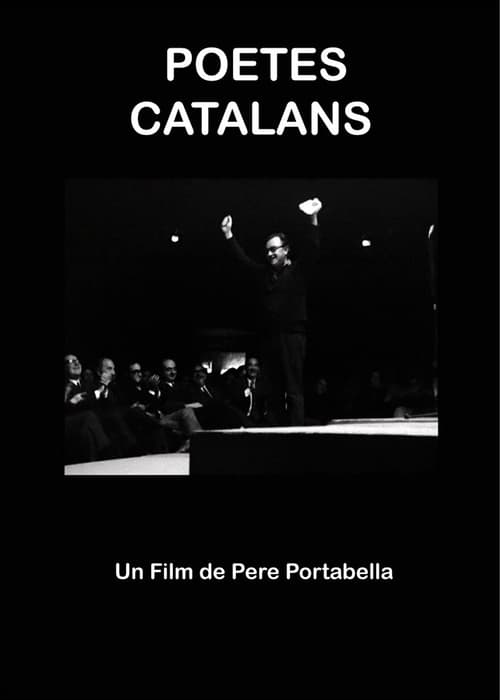
At underground film of the 1st Popular Festival of Catalan Poetry filmed in the Proce Theater in Barcelona on May 25, 1970, in solidarity with political prisoners. The participating poets were: Agustí Bartra, Joan Oliver (Pere IV), Salvador Espriu, Joan Brossa, Francesc Vallverdú and Gabriel Ferrater.
A short film following the release of journalist and activist Barrett Brown from prison, and his drive across Texas to a halfway house. 'Relatively Free' is an examination of Brown's return to a very different world, post the election.
Filmmaker Julie Buck explores her grandfather’s collection of Super 8 footage; the revelations behind the captured moments of joy reveal dark truths.
Iran, 2008. As President Mahmoud Ahmadinejad's motorcade creeps through the teeming streets of Qom Shrine, thousands of people jam hand-written letters into the hands of his handlers. Hearing their President deliver a speech is a thrill, but more promising to these men and women is the hope that their letters - expressing pleas for loans, medical attention, housing and jobs - will be answered. Since his 2005 election on a populist, "man of the people" platform, Ahmadinejad has encouraged Iranians to send him such letters; according to a staff member, he has received about 10 million of them, and has been able to respond to nearly 76 percent. In one letter, a 16-year-old boy says his family has no money and goes to bed hungry every night. According to the staff member, the boy will be helped. As other letters are read, the worker says that "In Islam, charity is a necessity."
Following the 2002 HBO documentary "Journeys with George," Pelosi's irreverent account of George W. Bush on the campaign trail, she set out on the road again with a handful of distinguished men competing to see who could eat the most pies, raise the most money and get the most votes to become the Democratic Party nominee.
In hopes of building a closer relationship, a girl sits down with her mother, seeking to hear her experiences and aspirations growing up. What starts as a revisit of her mother’s past turns into a revelation about love and the weight of unspoken needs.
Chatting with another recent graduate, a former student activist learns about the controversial origin of a now-beloved campus group. she embarks on a journey through the recent past, weaving conversations with a vast ensemble of young organizers into a tapestry of disruption and determination. political, personal and bursting with youthful exuberance, peace love (unicorns) and communism is a homegrown chronicle of a decade of movements at McMaster University. as past struggles echo in the present, the film poses an urgent question to today's rising generation: do you believe that we will win?
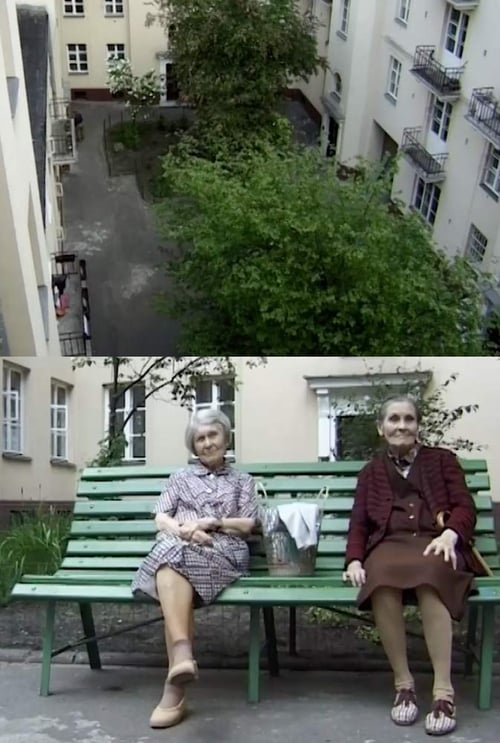
Two old sisters, living in the same Warsaw apartment, sit on a bench and talk. The 87-year-old elder one seems to care for the other reluctantly and treat her badly. The younger, who is said to be clumsier, has walking problems.
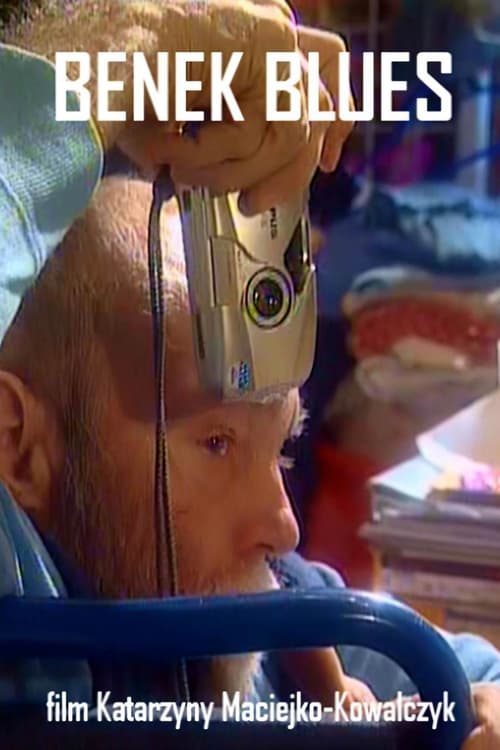
The action is placed in a cramped flat in Warsaw’s district of Ochota. A father and a son, both bedridden, live in a fascinating symbiosis. The son, a well‑known photographer Bernard ben Dobrowolski, is lying in bed because a chronic condition has deformed his body and immobilized him. The father, Dominik, has recently suffered from a stroke. Now they are taking care of each other and crowds of visitors move through their room.
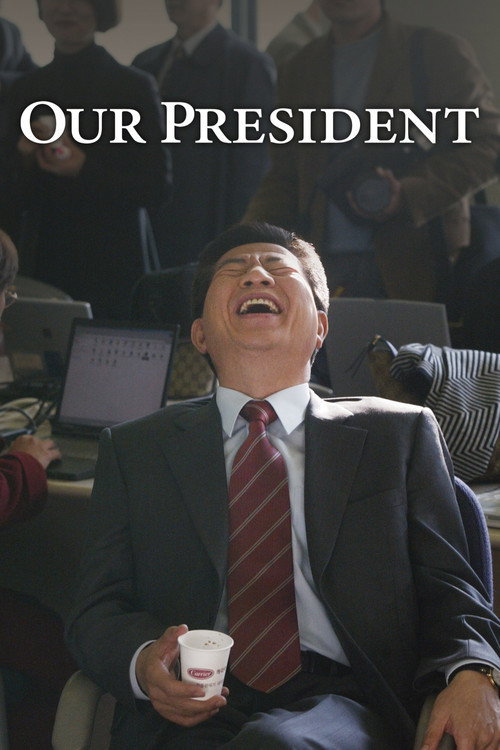
In South Korea, 2002, the Democratic Party put the presidential nomination to a plebiscite for the first time. Amongst numerous candidates, the one who brought about the most unexpected result was a fringe candidate named Roh Moo-hyun.
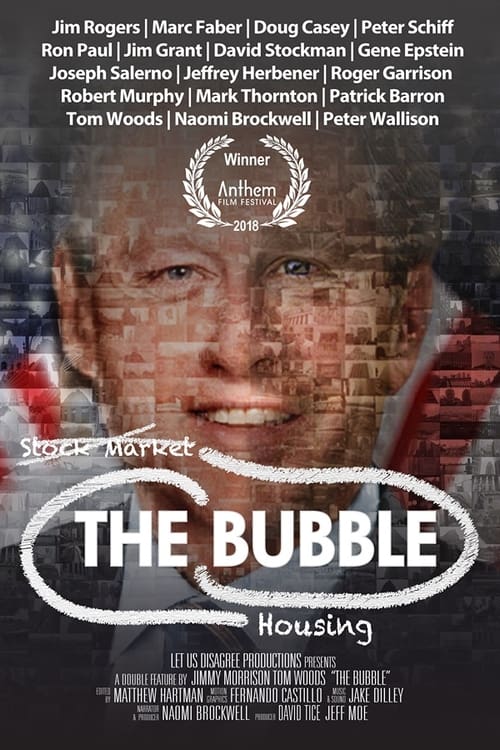
Diving deep into the true causes of the Great Recession, the financial crisis of the 2010s, renowned economists, investors and business leaders explain what America is facing if we don't learn from our past mistakes. Is the economy really improving or are we just blowing up another Bubble?
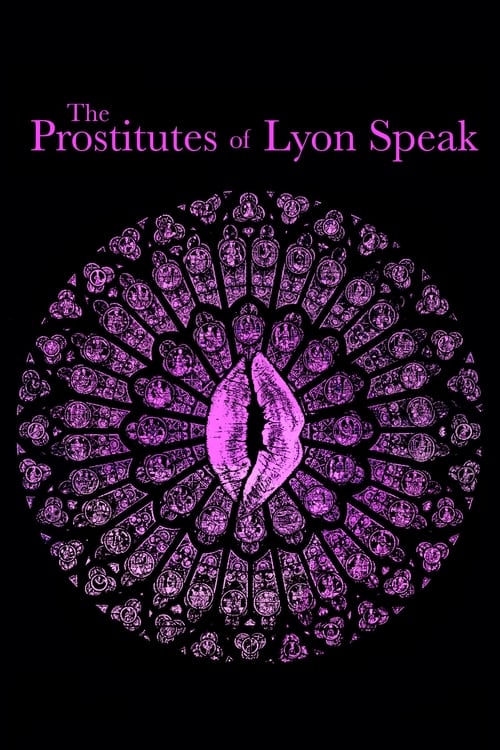
Documentary about the Lyon sex workers who occupied the church of St. Nizier on June 3, 1975.
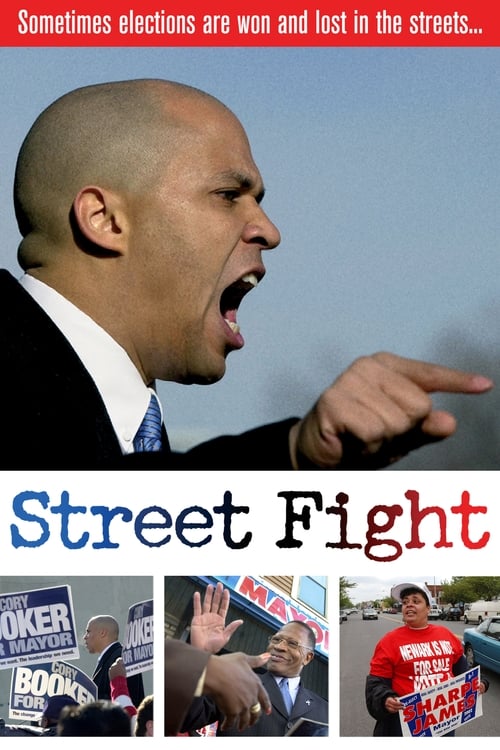
This documentary follows the 2002 mayoral campaign in Newark, New Jersey, in which a City Councilman, Cory Booker, attempted to unseat longtime mayor Sharpe James.
The film is a controversy on democracy. Is our society really democratic? Can everyone be part of it? Or is the act of being part in democracy dependent to the access on technology, progression or any resources of information, as philosophers like Paul Virilio or Jean Baudrillard already claimed?