A manufactured memory.
No Cast found.
Trailer
Anything can happen on Russian roads and is precisely shot by the dashboard camera. Super-objective video registration grows into the strong image of Russian national character – with its permanent awaiting for the miracle and habitual approach to real dramas. A forest on fire as a symbol of Russian hell, a military tank at a car wash and car chase in the vicinity of Kremlin shot with a dashboard cam at the same time when Boris Nemtsov, the leader of political opposition, was shot dead near Kremlin. Dashboard cam depicts life in it’s purity as an unbiased observer.
This audio-visual tone poem uses the language of filmmaking to offer a first-hand evocation of the turbulent psychological effects one can experience due to prolonged lack of sunlight.
SONG 5: A childbirth song (the Songs are a cycle of silent color 8mm films by the American experimental filmmaker Stan Brakhage produced from 1964 to 1969).
Hotel Armada is a curated portrait of dance and expression showcasing talents in the world of contemporary, vogue, and ballet. It is an integration of time, space, movement and sounds highlighting each performer's rawness in their power and beauty.
First part of the collaborative project "Brise-Glace" showing the diverse travels on the icebreaker "Frej". Directed by Jean Rouch.
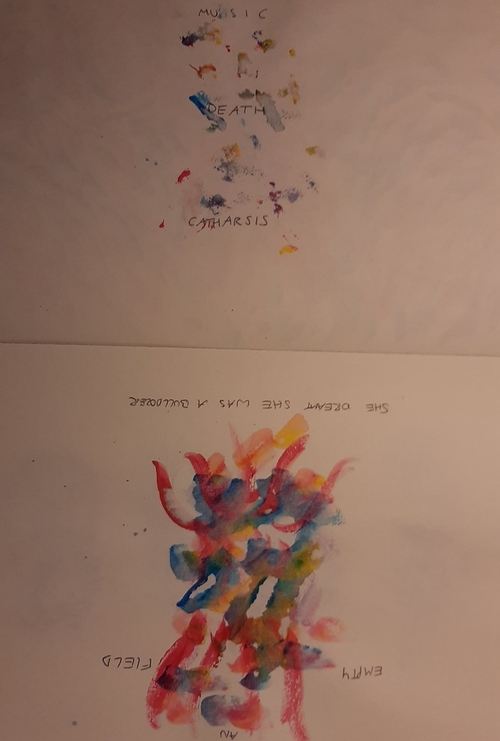
Music leads us through death. An existential odyssey.
In 1992 the Universal Exhibition in Seville was held in Spain. Chile participated in this exhibition by displaying in its pavilion an ice floe captured and brought especially by sea from Antarctica. In these true facts is based the fantasy narrated in Dreams of Ice. Filmed between November 1991 and May 1992 on board the ships Galvarino, Aconcagua and Maullín, in a voyage that goes from Antarctica to Spain, in this documentary film in which dreams, myths and facts converge towards a poetic tale turned into a seafaring saga, in the manner of the legends of the seafarers that populate the mythology of the American continent and universal literature.
A film made with images found in the garbage. A memoryless country that tries to elaborate its past through letters without a named sender or receiver. Letters are made from desire, it doesn't matter if they will be read. Autofiction as a path to touch what lays in dormant state.
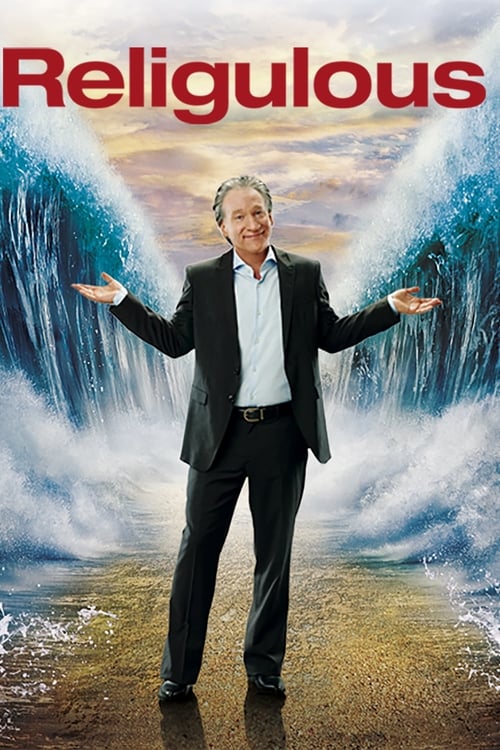
Commentator-comic Bill Maher plays devil's advocate with religion as he talks to believers about their faith. Traveling around the world, Maher examines the tenets of Christianity, Judaism and Islam and raises questions about homosexuality, proof of Christ's existence, Jewish Sabbath laws, violent Muslim extremists.
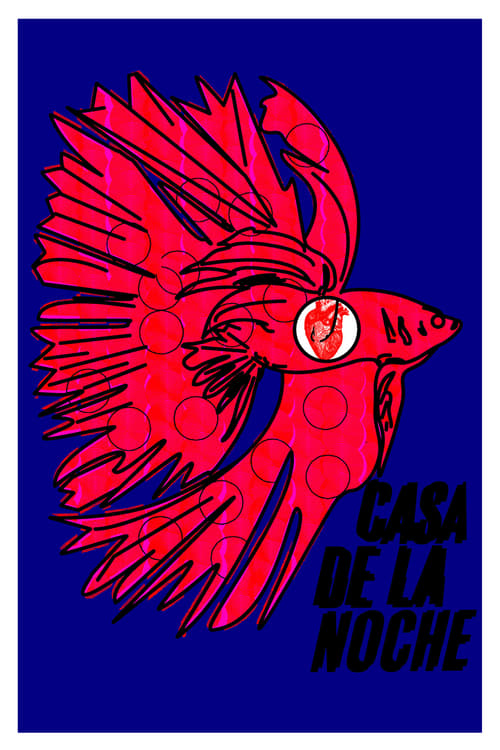
Shot in Havana and processed at Phil Hoffman's Film Farm, Marcel Beltrán Fernández's Casa de la noche explores those same histories from the point of view of an insider, as a lived experience that is evocatively mirrored through ripped and torn celluloid.
No overview available.
An ethnographic field report in which the Anthropologist describes the mythic creation of an unnamed ‘sun-scraping structure’ through the ritualized actions of the Red and the Blue Gods.
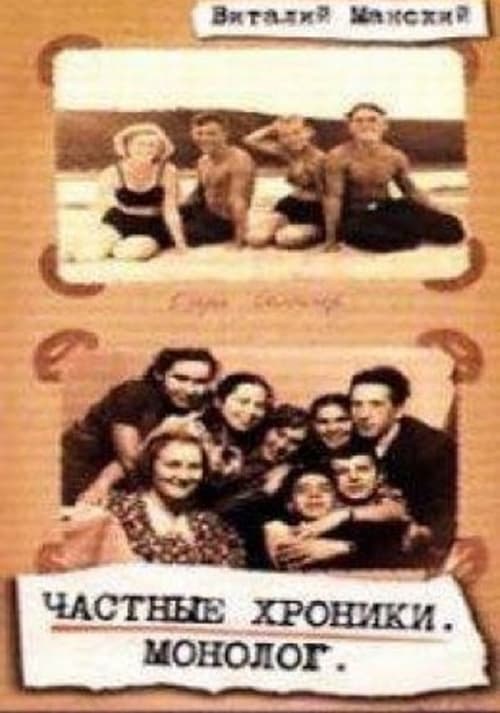
The collective life of the generation born as Jurij Gagarin became the first man in space. Vitaly Mansky has woven together a fictional biography – taken from over 5.000 hours of film material, and 20.000 still pictures made for home use. A moving document of the fictional, but nonetheless true life of the generation who grew up in this time of huge change and upheaval.
A community of cats lives in the Soledade Cemetery Park in Belém. "7 Vidas" follows these animals through a fictional letter written by one of them to his former owner. With real images of the cats among graves and trees, the film builds a sensitive narrative about abandonment, freedom and memory, revealing the poetry hidden in the coexistence between life and death.
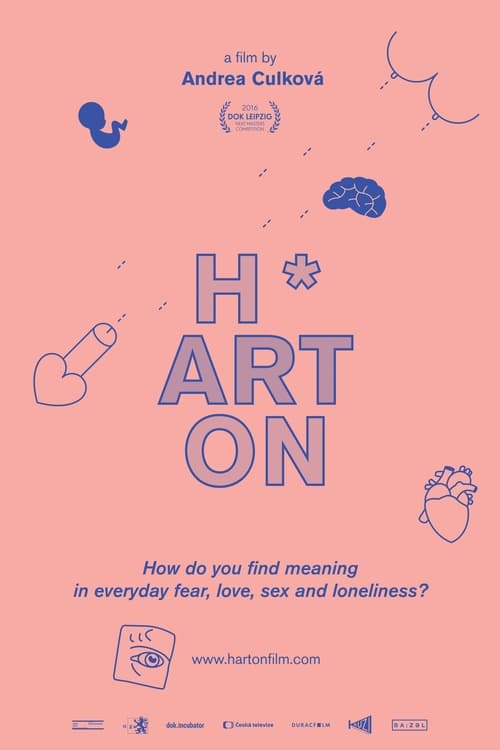
H*ART ON dives off the deep end of modern art. A film about the yearning to create, to mould everyday emotions into a meaningful life and, most of all, to live beyond one's death. A struggle that gets to the existential core of each of us. How do you find meaning in everyday fear, love, sex and loneliness?
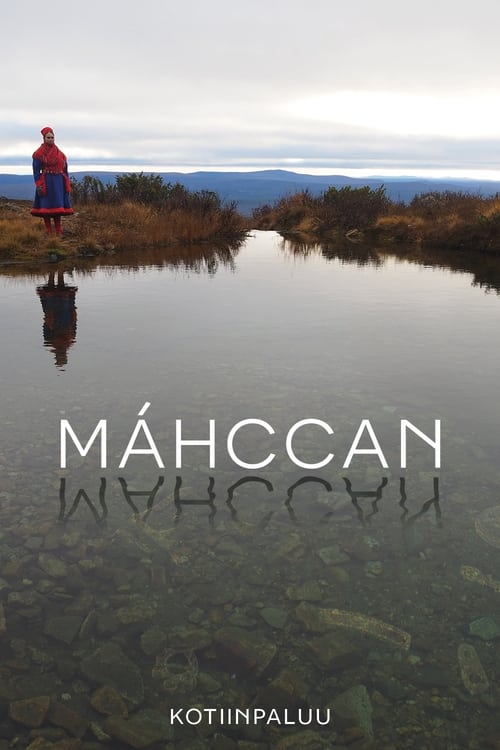
Sámi artefacts from the Finnish National Museum are returning home to Sápmi, while the holy drums of the Sámi people are still imprisoned in the basements of museums across Europe. The returning objects symbolise the dignity, identity, history, connection to ancestors and a whole world view that was taken from the Sámi people. Director Suvi West takes the viewer behind the scenes of the museum world to reflect on the spirit of the objects, the inequality of cultures and the colonialist burden of museums.
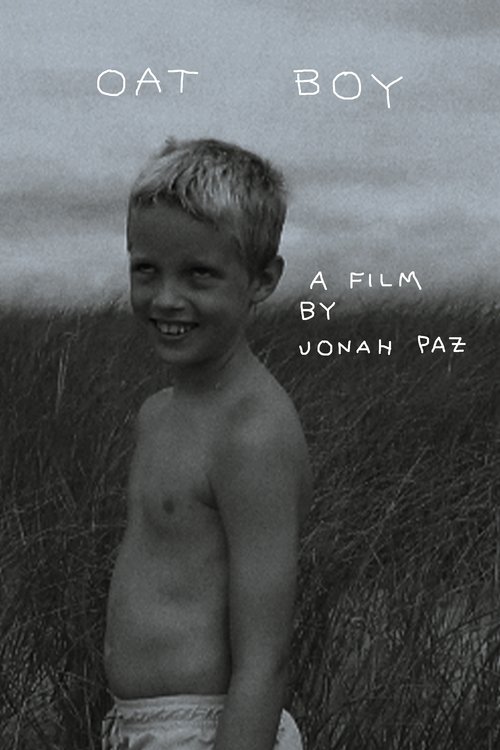
Folk portraiture, images of children in suburbia.
The natural sciences museum of La Plata, Argentina, had indigenous people held captive as study objects in the past, and their skeletons were on exhibit for many decades. The story of Krygi, served as a trigger to look back at the ideologies that defined us as individuals and as a people.
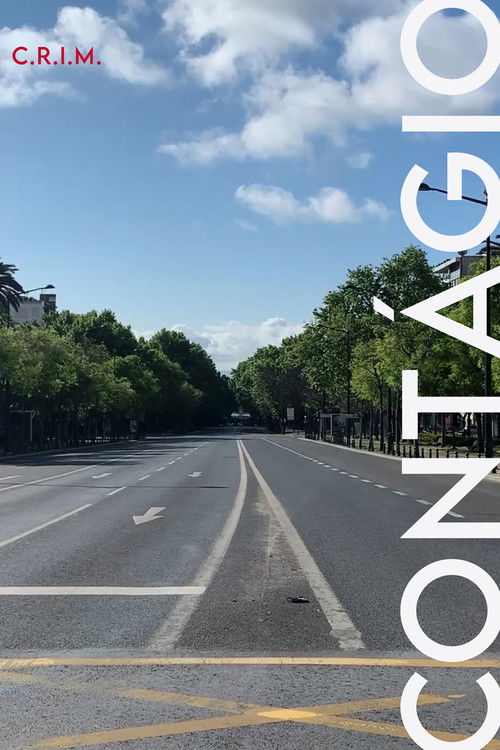
Several Portuguese creators occupy the director's chair in this collective short film shot during the COVID-19 pandemic shutdown in an unfolding of personal perspectives.