Onward, upward, greener [redder] grasstures.
Trailer
No Cast found.
Locked away but not away; somewhere nearby but unreachable, a periphery so notfaroff it's always in sight.
Hiding inside&out, writhing about, taken out&in.
Radical recurrences & rancorous requests raze my daze.
Rather pointless, rather stilted, fetid; not what we want us going after.
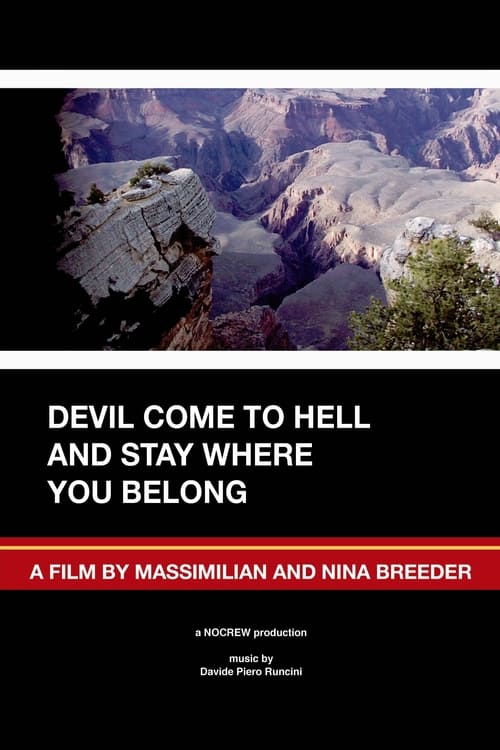
From a small cabin in the mountains of New York, Nina Breeder and Massimilian Breeder begin a journey across the United States. California is just the initial destination, but just as the edge of the surrounding landscape expands, so does their ultimate destination. A contemplation of nature and time along a raw journey in the American landscape.
Two men. Friends? Enemies? Lovers? Brothers? One is nothing, success or failure depends on two.
A psychedelic montage of home movie footage gives way to a silent western story.
As a family struggles to survive in rural isolation during the Great Depression, their daughter's secret affair begins a journey into the unknown.
Shadows frighten what one oughtn't be gripping (that thing before/hind you).
On the Clickity-clack Express it's clear I'm always under duress, unless I forget.
Beyond all human restraint lies one's lugubrious layers of paint.
1 minute experimental film.
Return to 'burn' only to find out you're already in that urn.
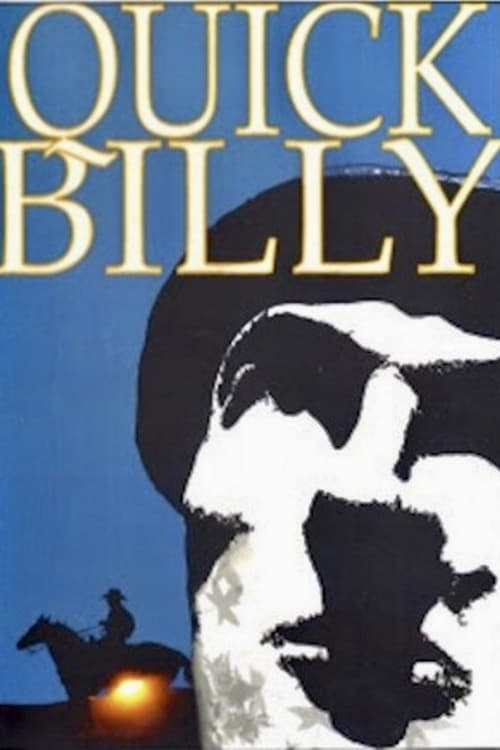
Shot in the abandoned buildings of Gary, Indiana and the cornfields of Western Illinois, The Twenty-One Lives of Billy the Kid presents a fractured historical narrative without any real protagonist, one in which the titular character goes mostly unseen - Billy the Kid as the always-off-screen assailant, as a ghost’s laugh, as a shadow on the road.
A 'reversal' of Jean-Léon Gérôme's 1872 painting Pollice Verso.
I really hope this is well-received. I really hope there's some sort of reprieve.
No overview available.
(Some of us) Still run down the same [mental&emotional] streets we revered/reproached/replaced as children.
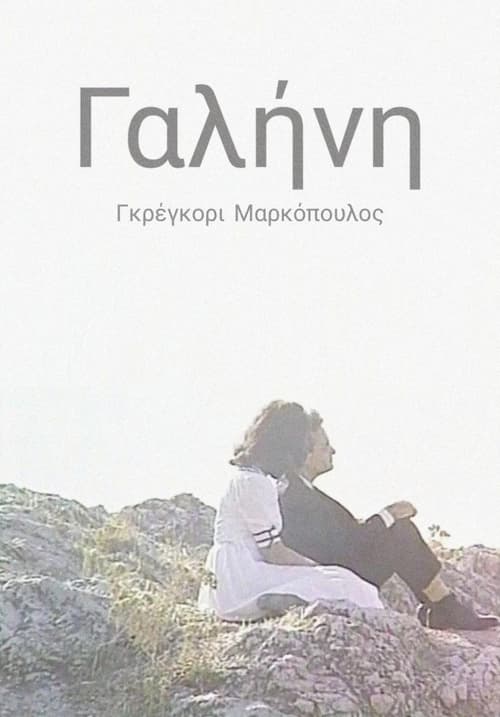
Originally edited in two versions. Version I, 70 minutes; version II, 90 minutes. (The only known existing version is not Markopoulos’s edit and contains additional titles, music and voice-over added later than 1961. 65 minutes.) Filmed in Mytilene and Annavysos, Greece, 1958. Existing copy on video, J. and M. Paris Films, Athens.
Dark blood red slow shifting tones (often embedded in dark) / (often shot-thru with parallel wave-like lines) composed of all previous shapes and flowers as if trying, linearly, to evolve a glyph-script. Preserved by the Academy Film Archive in 2013.