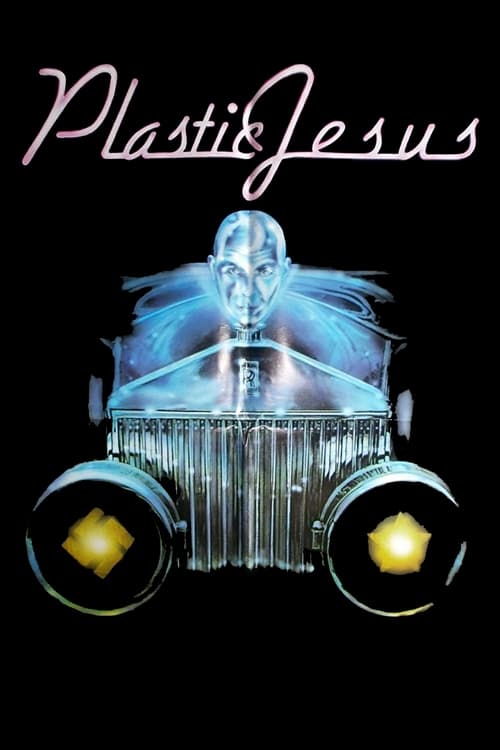
Judith Wardwell’s satirical take on America’s sanitation obsession and sexually repressive Puritanism
No Trailers found.
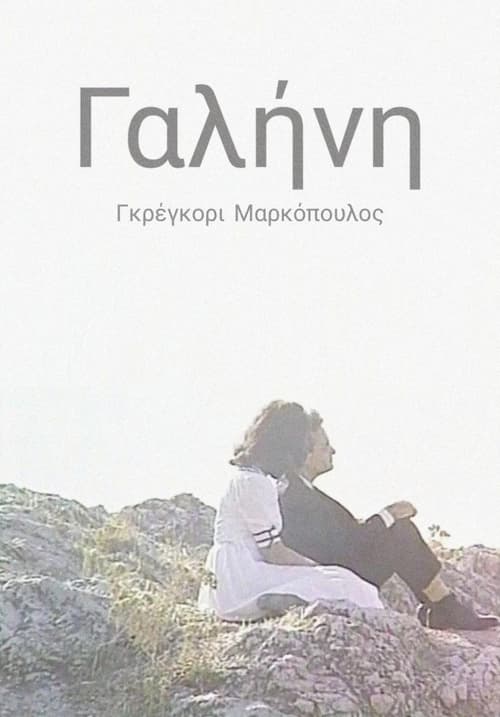
Originally edited in two versions. Version I, 70 minutes; version II, 90 minutes. (The only known existing version is not Markopoulos’s edit and contains additional titles, music and voice-over added later than 1961. 65 minutes.) Filmed in Mytilene and Annavysos, Greece, 1958. Existing copy on video, J. and M. Paris Films, Athens.
(A)lter (A)ction, 1968. Videotape, black-and-white, sound; 65 minutes (director's edit: 57 minute television version).
Dark blood red slow shifting tones (often embedded in dark) / (often shot-thru with parallel wave-like lines) composed of all previous shapes and flowers as if trying, linearly, to evolve a glyph-script. Preserved by the Academy Film Archive in 2013.
Tom is a young guy from Zagreb, completely without money, trying to make films in Belgrade. He somehow manages to survive with a help of women. He doesn't believe in anybody, respects no one and is in constant conflict with the ruling system and order. After being left by a silly American girl, Tom binds with a woman whose husband is abroad. When she kicks him out, he moves in with her husband's sister, who later kills him in the attack of jealousy. All this is shown in the context of major historical events prior to 1968. with lots of archive footage of world leaders.
A love story for the 90s: Valery falls in love with an identical twin, a virtual reality scientist, and finds she can have a more intimate relationship with him through the computer screen than in person. Or is it really him?
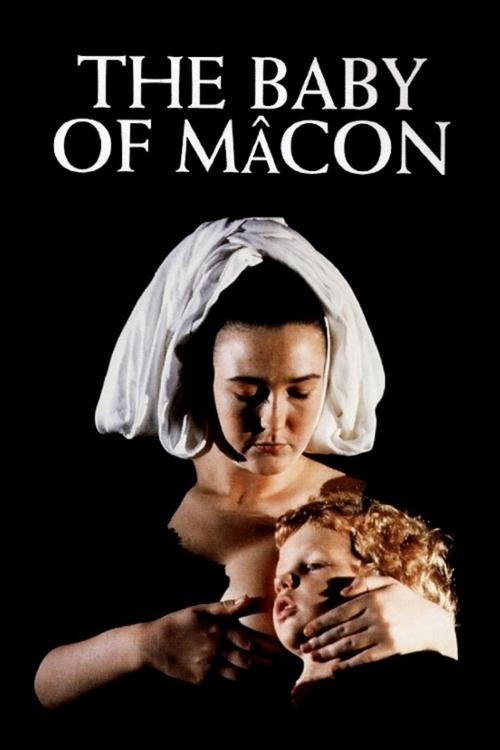
In 17th-century Tuscany, a church play is performed for the benefit of young aristocrat Cosimo. In the play, a grotesque old woman gives birth to a beautiful baby boy. The child's older sister is quick to exploit the situation, selling blessings from the baby, and even claiming she's the true mother by virgin birth. However, when she attempts to seduce the bishop's son, the Church exacts a terrible revenge.
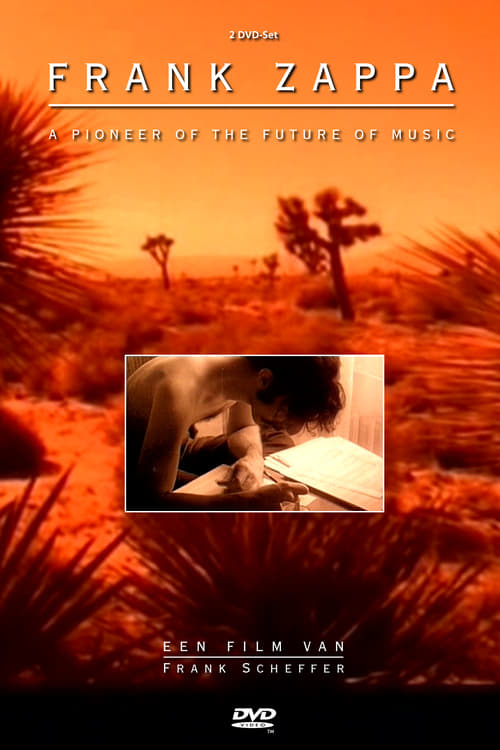
Frank Scheffer's (collage like) documentary on the American composer and rock guitarist Frank Zappa, as broadcast by VPRO in the Netherlands April 22,2007. Most of what’s on here is seen before, particularly in Roelof Kier’s 1971 documentary and/or Scheffer’s own documentary “A present day composer refuses to die”. But there is some new stuff too, particularly interviews with Denny Walley, Haskell Wekler, Elliot Ingber and Bruce Fowler.
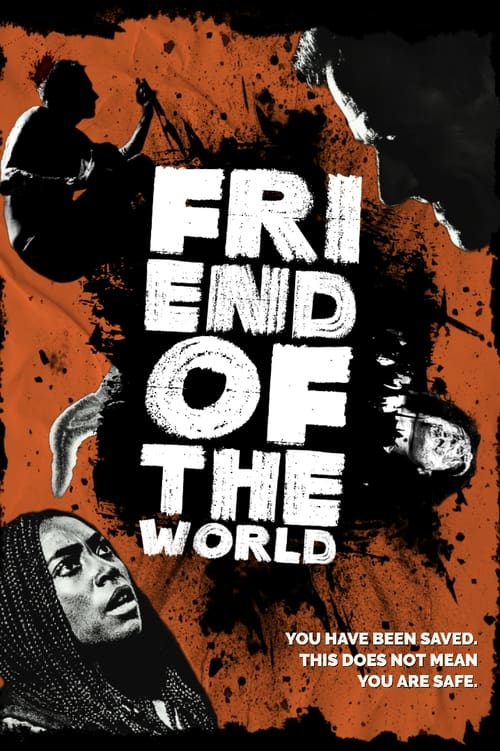
After a catastrophic global war, a young filmmaker awakens in the carnage and seeks refuge in the only other survivor: an eccentric, ideologically opposed figure of the United States military. Together, they brave the toxic landscape in search of safety... and answers.
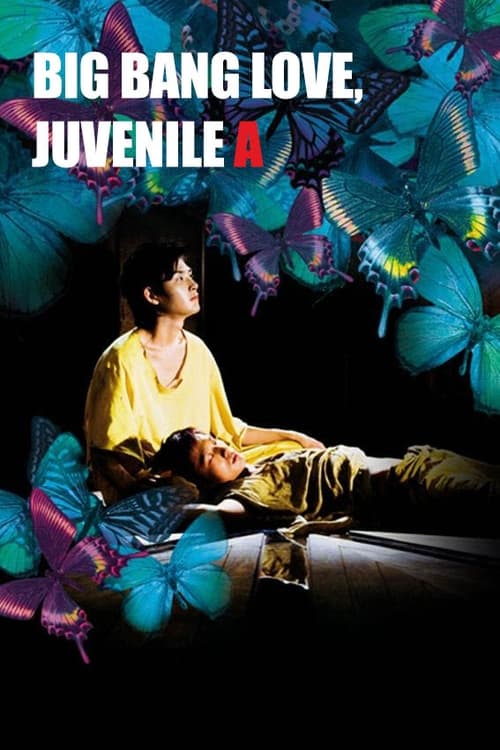
An unknown future. A boy confesses to the murder of another in an all-boy juvenile detention facility. More an exercise in style than storytelling, the story follows two detectives trying to uncover the case. Homosexual tension and explosive violence drives the story which delivers some weird and fascinating visuals.
Cracking open the human-camera body.
This film is a succession of visual and aural "notes" generated by the patterns in animals' hides, which are arranged and re-edited into a complex musical architecture, developing intricate rhythms not unlike the complex syncopations found in traditional African music. Elements of sand, dirt, light and shadow cross-reference the film's emulsion with evolutionary history and provide a second level of musical structuring through which the first layer is filtered. The animals' fur patterns, which evolved naturally as camouflage to hide them from predators, ironically now make the animals more visible to human predators who are attracted by their exotic uniqueness. This cinematic analogy underscores modern humanity's relationship to the natural world.
A ritual of grids, reflections and chasms; a complete state of entropy; a space that devours itself; a vertigo that destroys the gravity of the Earth; a trap that captures us inside the voids of the screen of light: «That blank arena wherein converge at once the hundred spaces» (Hollis Frampton).
A young bride flees the ceremony with a stranger and, together, they set off on an epic journey though increasingly bizarre lands. They encounter talking animals and mournful exhibitionists, converse with a discoursing rock, journey through a surrealist's psychedelic hotel, instigate a prison riot, escape from naked cannibals living in a tree, and battle a wind-up midget dictator!
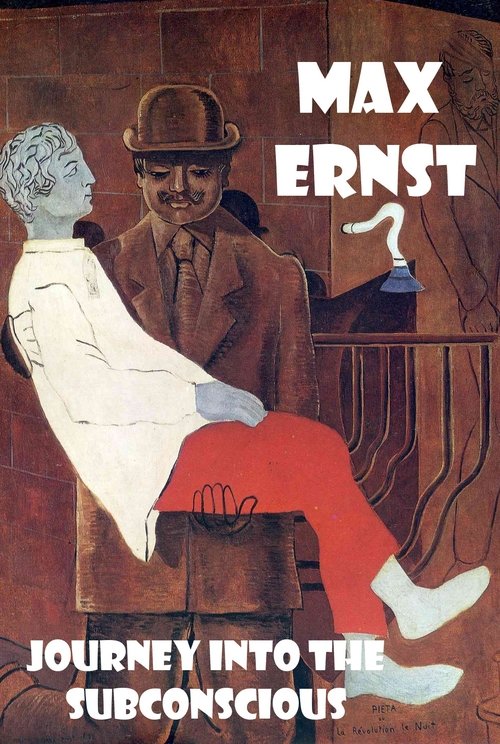
The inner world of the great painter Max Ernst is the subject of this film. One of the principal founders of Surrealism, Max Ernst explores the nature of materials and the emotional significance of shapes to combine with his collages and netherworld canvases. The director and Ernst together use the film creatively as a medium to explain the artist's own development.
Experimental film by Toshio Matsumoto created for the 1970 world's fair, Expo '70 in Osaka. The film was made up of multiple projections onto the inside of the Textile Pavilion, a dome with an interior designed by Yokoo Tadanori, and featured a 57-channel music score by Joji Yuasa.
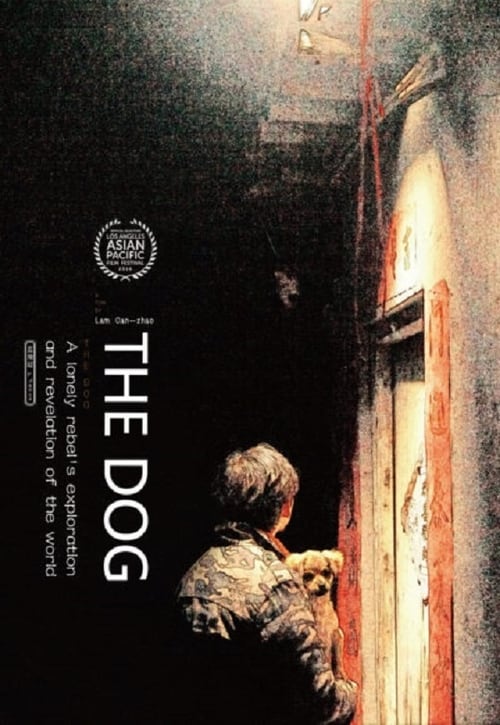
Director Lam Can-Zhao leads a small film crew as they shoot a film about a stray dog in the streets of Guangzhou, leading viewers into an unpredictable, peculiar and incredible journey.
Under the impetus of the 75th anniversary of the bamboo top-handle bags, the House presents a contemporary retelling of an ancient Japanese story entitled ‘Taketori Monogatari (The Tale of the Bamboo Cutter).’ Makoto Nagahisa stages the plot of finding oneself, along with true love, in a Tokyo betwixt and between reality and a dream. Dressed in looks from the Gucci Love Parade collection, Hikari Mitsushima, Aoi Yamada, and Eita Nagayama star in the story shedding a new light on the Gucci Bamboo 1947 and Gucci Diana Beloved lines.
A Japanese fairy tale meets commedia dell'Arte. All in white, the naïf Pierrot lies in a wood. Doo-wop music plays as he rises, stares about, and reaches for the moon. Although music abounds and the children of the wood are there at play, Pierrot is melancholy and alone. Harlequin appears, brimming with confidence and energy. He conjures the lovely Colombina. Pierrot is dazzled. But can the course of true love run smooth?
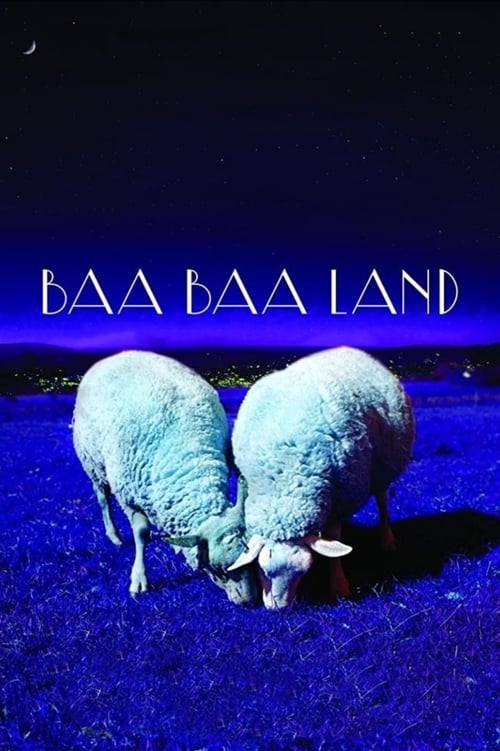
An eight-hour contemplative epic, entirely starring sheep.
An experimental film shot with the purpose of trying to create a hostile alien environment using only shots of nature, color correction, and sound design.
No Cast found.