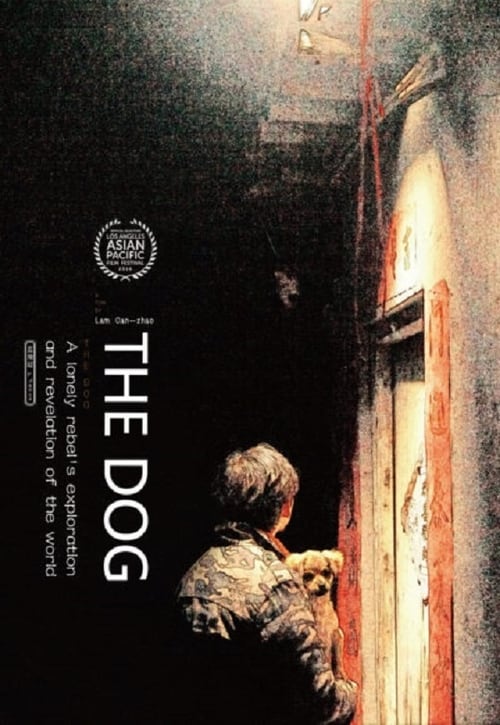
Director Lam Can-Zhao leads a small film crew as they shoot a film about a stray dog in the streets of Guangzhou, leading viewers into an unpredictable, peculiar and incredible journey.
No Trailers found.
No Cast found.
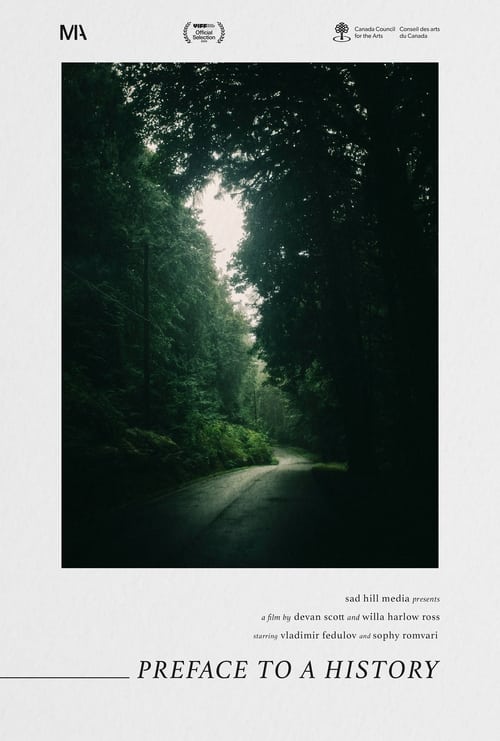
A couple, Vlad and Sophy, navigate their relationship as well as their own struggles with mental health in the context of a highly connected, politically uncertain modern world while on a trip to a remote Canadian island in this avant-garde feature film. PREFACE TO A HISTORY, created with a tiny crew of four people, represents an experiment in using minimalist tools to create an overwhelming aesthetic experience in service of a simple, but specifically contemporary, story about two people attempting to navigate a fraying relationship amid all the anxieties and external pressures of modern adulthood in a technologically-interconnected and politically unstable era.
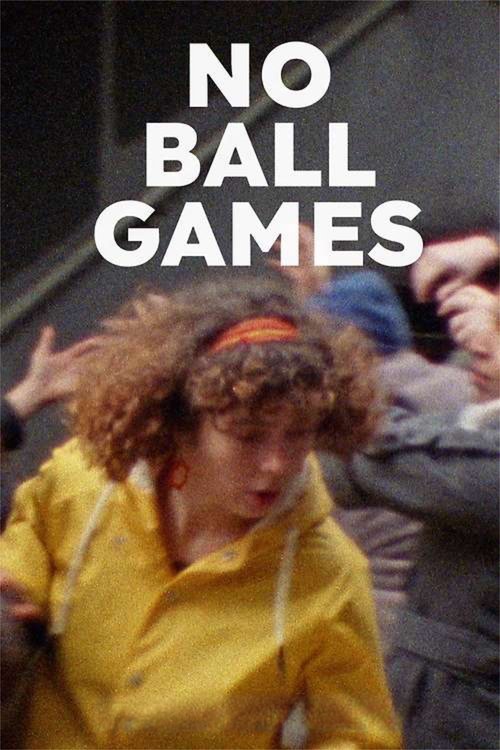
In this cyclical fever dream, a woman struggles to win over the crowd.
A disorienting realm where reality itself flickers and fragments. Through a visceral exploration of digital distortion and failing verification processes, this challenges your perception and dares you to question what lies beneath the surface. Are we truly awake to the genocides and wars raging beyond our privileged bubbles, or are we content to remain ensnared by manipulated realities? This is a personal call to shatter the illusions, to seek deeper truths, and to recognize the profound fortune of our existence amidst global turmoil.
An anthology of one-minute films created by 51 international filmmakers on the theme of the death of cinema. Intended as an ode to 35mm, the film was screened one time only on a purpose-built 20x12 meter public cinema screen in the Port of Tallinn, Estonia, on 22 December 2011. A special projector was constructed for the event which allowed the actual filmstrip to be burnt at the same time as the film was shown.
Shot in a series of long-takes over several days, the film follows a flower shop attendant (played by Devereaux, then actually employed at a small flower shop by the beach) in fragmented detail. The order of scenes resists chronology: moments recur, shift, or vanish, creating not the passage of a single day but the jumble of many, refracted into a meditation on routine and its quiet abstractions.
Drawing inspiration from a poem penned by Castro Alves, this film vividly captures the political, cultural, and intellectual climate of Brazil during the late 1970s. At its core, the story revolves around four distinctive embodiments of Christ's image: a black man, a soldier, an Indian, and a guerrilla fighter. These courageous individuals, hailed as the harbingers of doom in the tupiniquim lands, valiantly combat the insatiable avarice and oppressive "civilizing" brutality propagated by the formidable John Brahms—a foreign exploiter devoid of morals.
An employee at the Getty owned Pierre Hotel in New York City wondered why there were so many Germans being hired and staying at The Pierre during World War II. He called the FBI and the FBI charged J.P. Getty with Espionage, FBI File 100.1202, June 26, 1940. 43,000 people were killed in the UK while J. Paul Getty was in Berlin still shipping oil to Hitler five months before Pearl Harbor; December 7, 1941. The mother of J.P. Getty was German. 2003 documents declassified by UK Warfare Ministry reveal that in Oct. 1941 the pro-Nazi Jean Paul Getty employed and lodged Nazis at his Pierre Hotel in New York City; Nazis who were involved in spying on and sabotaging Allied Forces' war production plants
Experimental short film depicting the life, perhaps real, perhaps a dream, of a young girl named Emi. Emi travels to the city where she encounters her counterpart, Sari, and falls in love with…a vampire?
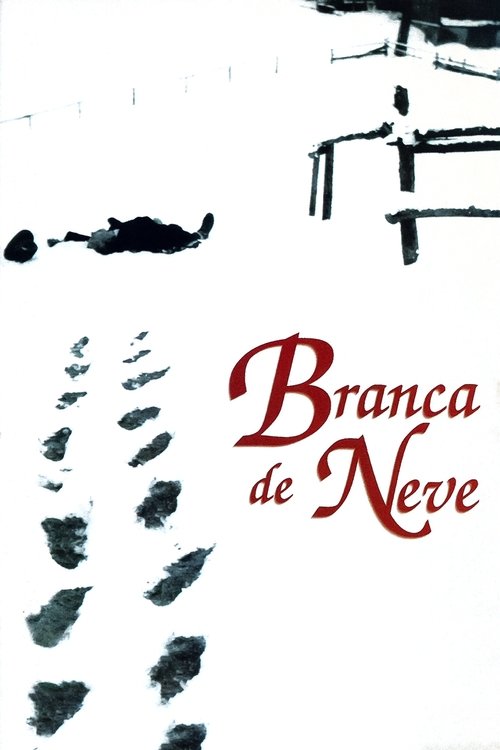
Monteiro moved far away from the visual opulence defined by his earlier films with his inspired adaptation of radical Swiss writer Robert Walser’s anti-fairy tale. Carefully restricting the image track, Monteiro maintains an almost totally black screen in order to focus instead on the voices of Snow White, the Prince, the Queen and the Hunter, engaged in an extended debate about love, free will and the events leading up to the fateful attempt on the maiden’s life. Despite its visual austerity, Snow White is haunted by the arresting images with which it begins – infamous black-and-white photographs of Walser lying dead in the snow after his heart attack outside a Swiss asylum at the age of seventy-eight, a strange realization of the “death of the author” so central to postmodern literary criticism.
A tale of two brothers from babies to adulthood told without words. One brother is upstaged by the other from the crib onward. Eventually the tables are turned.
An experimental, psychedelic odyssey through Japanese subculture experienced via the eyes of a disillusioned young man, who must contend with intense familial dysfunction, psychosexual alienation, and existentialist malaise.
Two college buddies try to understand a young woman's suicide through her Super-8 films and clips from their summer trips together.
Pig Chicken Suicide is a veritable assault on the senses, mixing violent images of animal slaughter, racial strife and surrealism to tell the story of two Koreans living in Japan who's love is destroyed due to overwhelming racial discrimination.
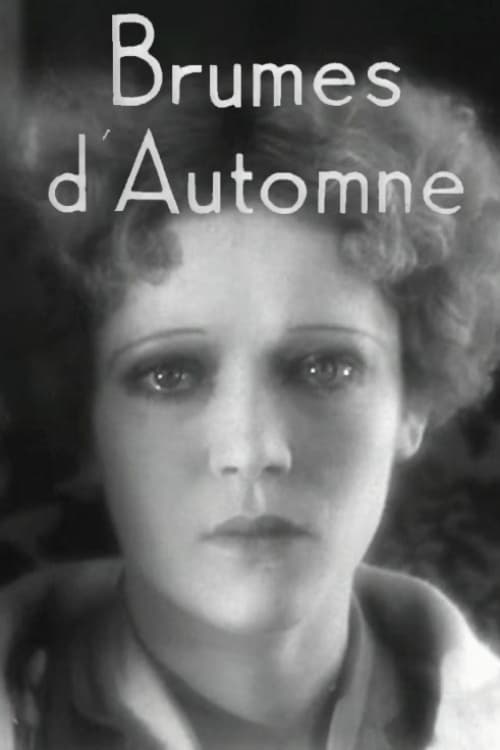
An early impressionist short featuring a woman who dreams of, and escapes into, an autumn forest.
No overview available.
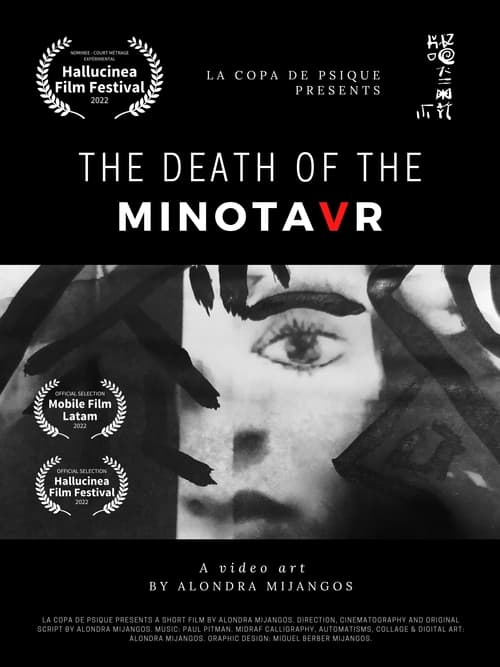
The death of the minotavr talks about the concept of the heroine's journey. Suffering, horror and exhaustion lead the protagonist to a process of transformation, abyss and expiation, because only murdering to minotaur and everything he represents is possible to return to life. From the female gaze, it shows the depth of the emotional wounds caused by domestic violence; the same one that the surrealist Dora Maar lived and that ask why, as a society, instead of killing the minotaur, we blindly continue to send him women only to be devoured and ask them why they simply did not fight, why they did not try get out of the labyrinth.
Mory, a cowherd, and Anta, a university student, try to make money in order to go to Paris and leave their boring past behind.
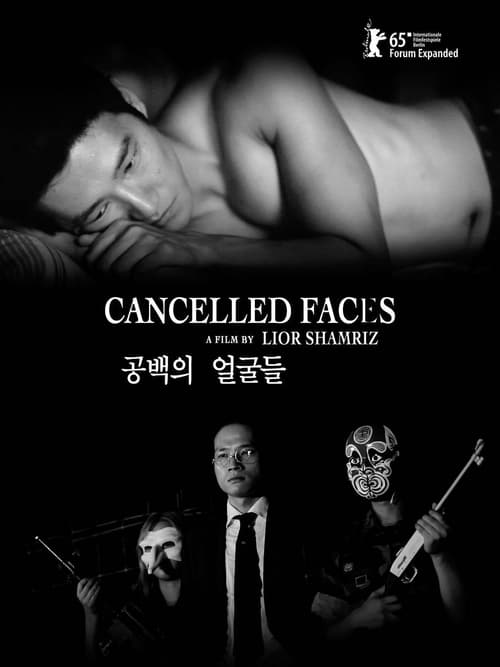
Korea, the now: A young man makes a fateful encounter with a stranger he passionately falls in love with. When Unk rides his scooter through the night he fails to notice a drunk pedestrian, a man called Boaz, and hits him. The accident has unforeseen repercussions since shortly afterwards Unk and Boaz start an intense relationship that leads into a gradually worsening dependency.
While playing his trombone one Sunday, the enthusiastic Zero sees Beatrix and falls in love. He returns the next week to express his feelings, and it's mutual. Over the next few months, they spoon, kiss, and find happiness. Then, she receives a letter from Kabul, demanding that she return to the palace of the Grand Vizier. The lovers part, heartbroken. Zero tries expressing himself to a woman on the street. He meets derision. Then, news of Beatrix. Does this romance end in smiles or tears?
Santamaria and Urtigo are two bandits on the run, one is white, the other black. Santamaria is a mystical visionary and believes in the imminent coming of a purifying angel. Urtiga, his inseparable companion, is a simple-minded and ingenious man who follows Santamaria around and participates in the crimes he commits. The two bandits take over a house after kidnapping its owner and his girlfriend.