Protagonist
No Trailers found.
No overview available.
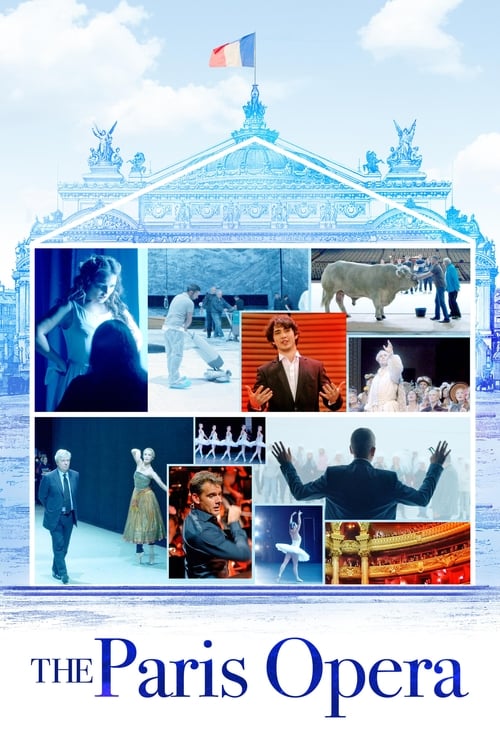
A behind-the-scenes look at the of how the Paris Opera is run under the direction of Stephane Lissner.
Fantasizes an 'Old' Middle East, wherein communities were not divided along ethnic and religious lines; a Middle East in which even metaphorical borders had no place
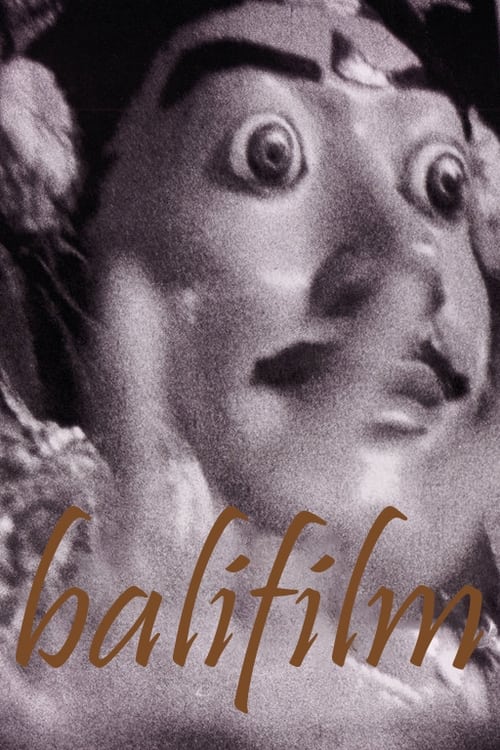
Balifilm was originally commissioned as a stage performance, created from diary images and sounds collected in 1990 and 1992 by Peter Mettler on the island of Bali. The soundtrack is a live recording of eight Gamelan musicians playing the bronze and wooden instruments of Indonesia during the projection of the film. balifilm is a personal, lyrical observation and expression of the creative pulse of an extraordinary culture.
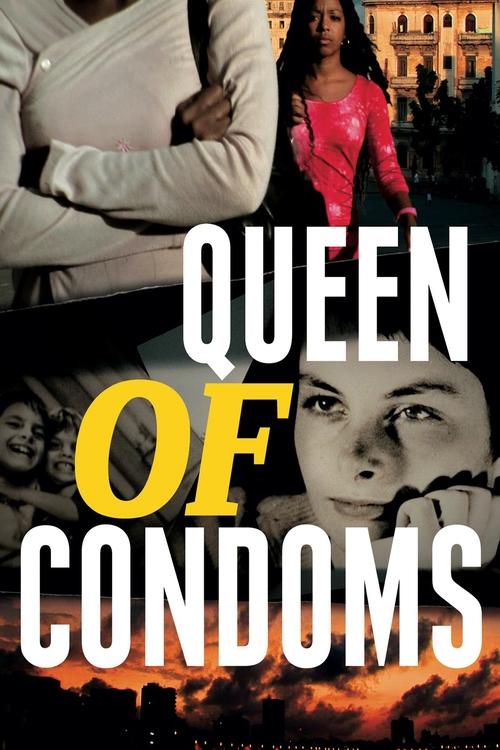
Ceschi and Stamm's documentary tells the incredible story of Monika Krause, a former East German citizen, who became Fidel Castro's Sexual Education Minister. After 20 years in Cuba, Krause set the Cuban sexual revolution in motion: in favor of a woman's right to sexual fulfillment and legal abortion, and against exclusion of homosexuals, she acquired the title "Queen of Condoms". A film about potent female agitators, staunch macho men and Caribbean love lives.
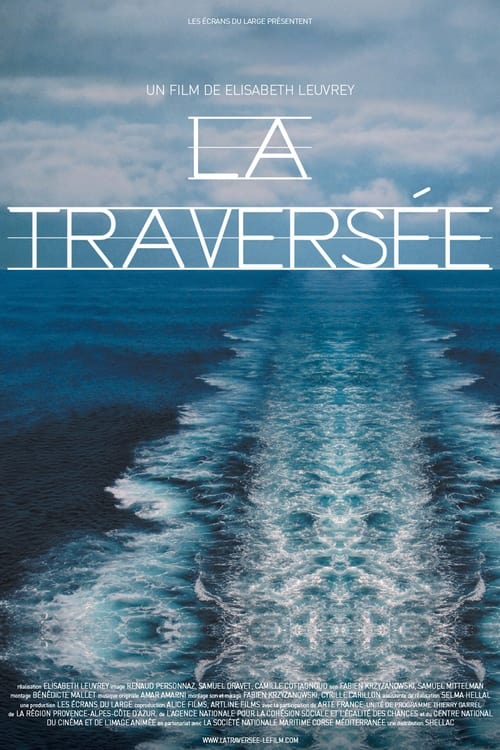
Every summer, many people transit by sea between France and Algeria, between Marseille and Algiers. Cars loaded to the hood... packages of all kinds... men loaded with bags and stories. At sea, we are no longer in France and not yet in Algeria, and vice versa. From the singular confines of the boat, in the back and forth and the parenthesis of the journey, the crossing puts back in the heart of the passage these women and men brought up.
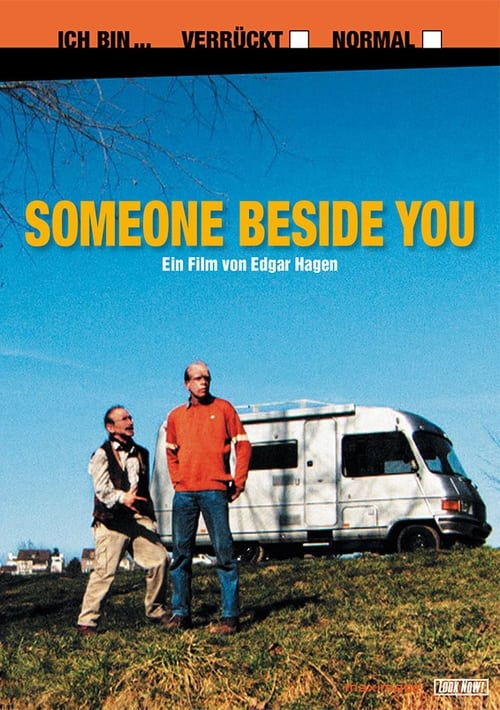
Along with several courageous psychiatrists and their clients, the author sets out to film a documentary road movie that takes him to Switzerland, Europe, and the U.S. On their travels in mobile homes, they explore the depths of the human psyche in search of answers to the question: What is the human mind and how does it behave in psychotic extreme situations?
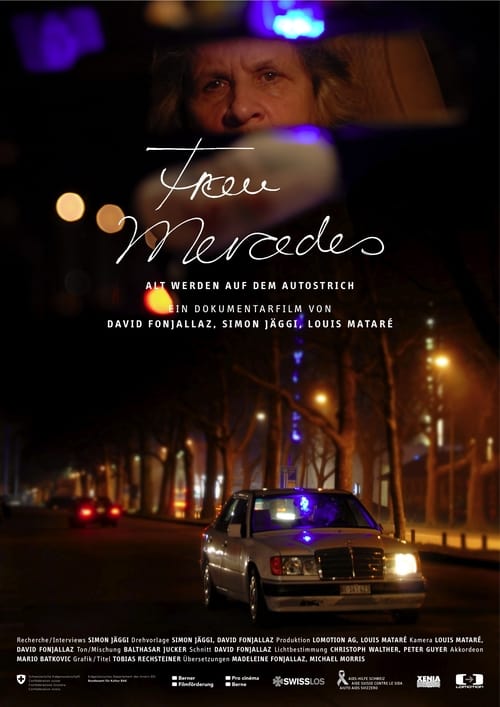
In Bern, Madame Mercedes has been working for 35 years in her car as a prostitute. An intimate and subtle portrait about ageing as a prostitute, a documentary about a vanishing chapter of habits in Switzerland.
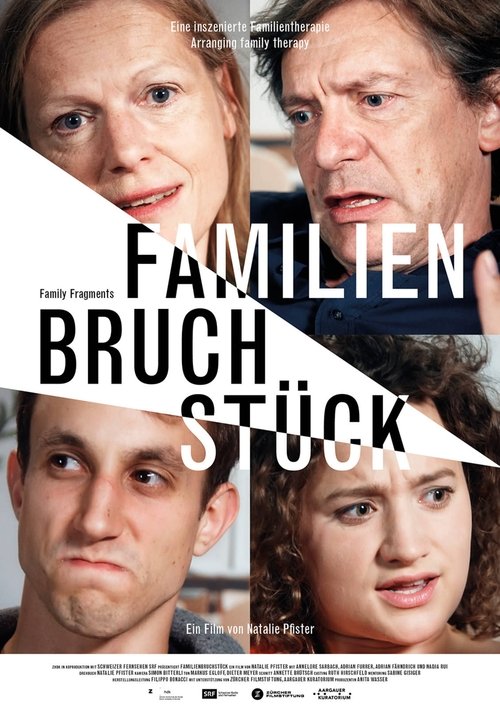
The film reconstructs the memories of a divorced family with empathy yet merciless precision. An intimate family story emerges during the investigation into the reasons for the separation. Hinging on the subtle and touching testimonies of the family members, the film delves into complex interrelationships. Actors bring the family's memories alive as if they were their own. The result is a chronicle of a family drama, which the real protagonists complement and comment on – a reflection on the mechanisms and dynamics shaping and directing their family life over the years.
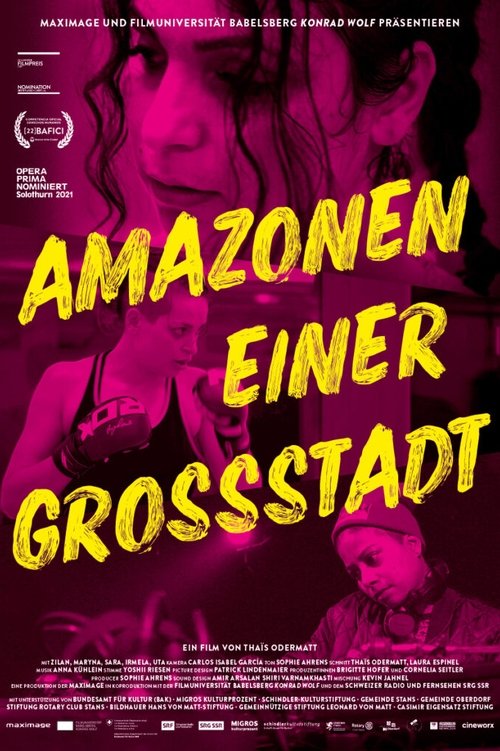
Modern Amazons are fierce heroines. They are ready to fight for what is important to them. Without explaining, without compromising, always persisting. They fight for victory in the ring for acceptance, and too, for fellow sufferers and humanity.
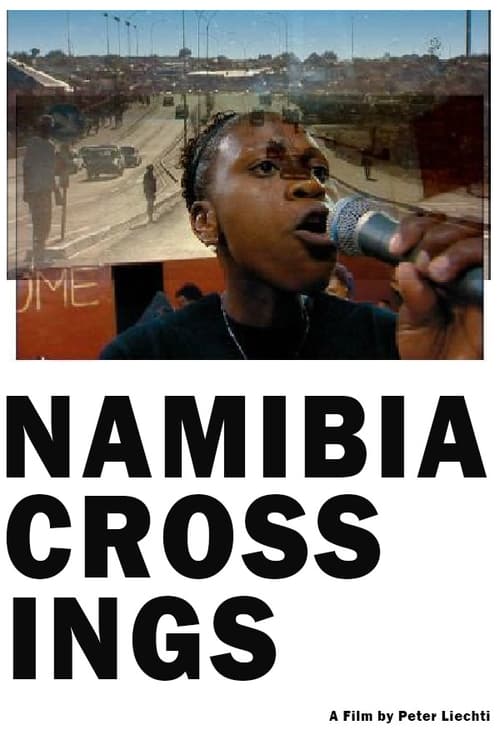
“Namibia Crossings” takes a trip through a country of archaic beauty and bizarre contradictions. The film creates polyphonies of soulful landscapes made up of each individual's highs and lows.
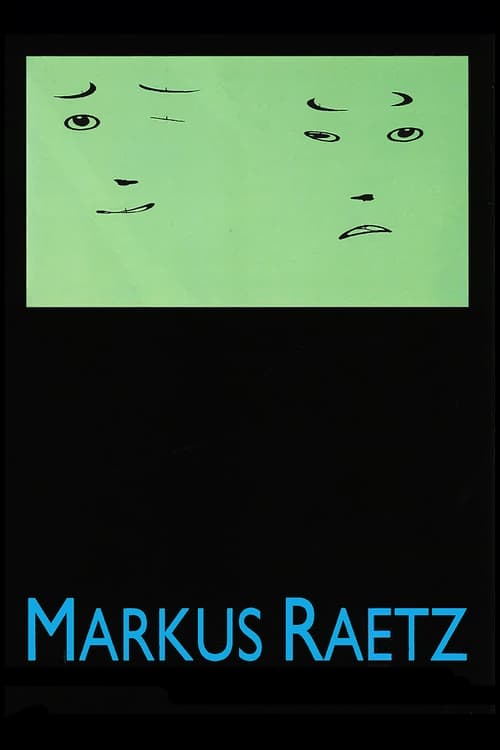
Swiss artist Markus Raetz has a sixth sense for apprehending the extraordinary. His works are as astonishing as a magician's sleight of hand: they shake up visual habits and show things from a completely different perspective. To further surprise the viewer, this perceptive Swiss artist makes use of the most diverse techniques, materials and media. His installations and sculptures change their appearance according to their own movement or that of the viewer contemplating them. For example, a rabbit becomes a man in a hat, evoking Beuys, or a yes turns into a no. This document presents us with a highly personal view of the world and the man behind these exceptional works.
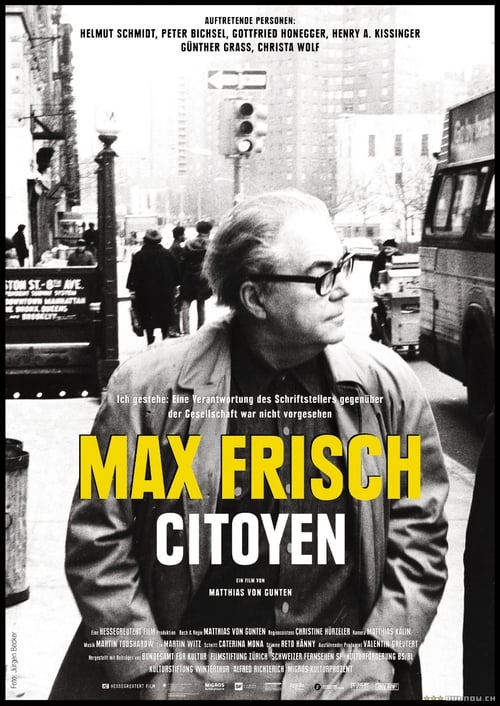
Max Frisch was the last big Swiss intellectual widely respected as a “voice” in its own right – a character hardly found today. The film retells Frisch’s story as a witness of the unfolding 20th century, wondering if such “voices” are needed at all, or if we could do without them.