logologo
MovieVerse© 2024
Privacy PolicyTerms of ServiceContact Us
Made with ❤️ by Thathsara
movie poster
Comfort
Sign in to create your own watchlist

Comfort

Feb 23, 2022
1h 13m
★ 0.0

Overview

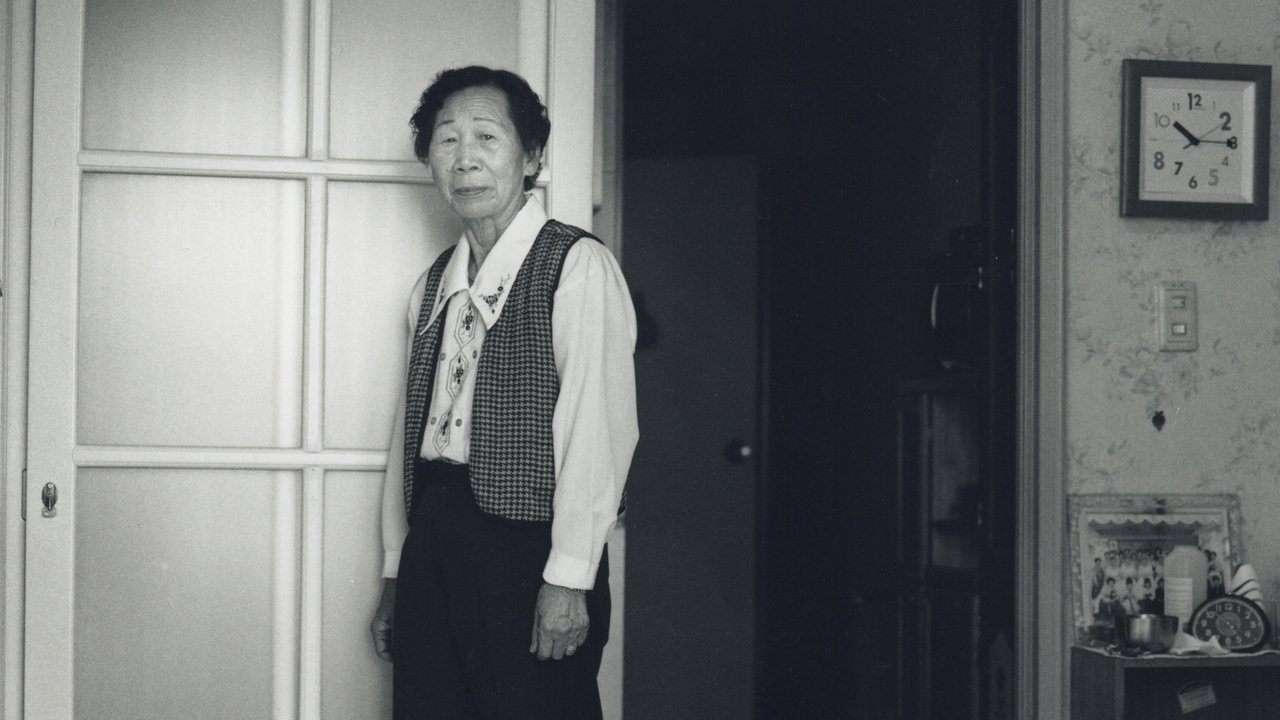
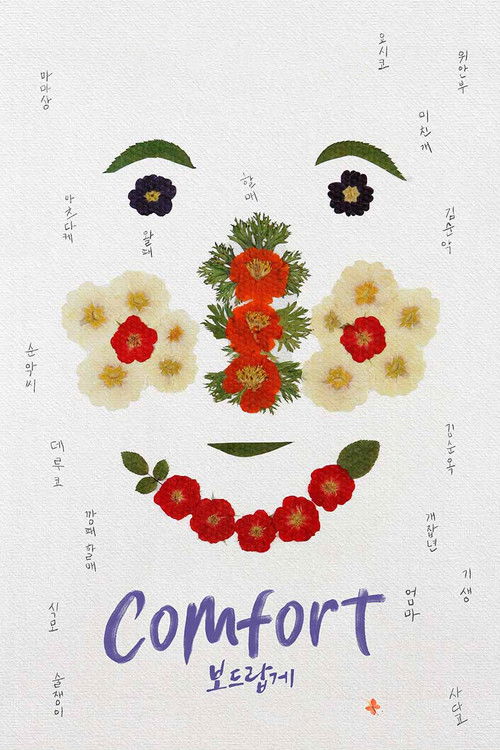
KIM Soonak is a survivor of sex slavery by the Japanese military. The war may have ended, but her life was still at a war. She lived in the prostitute quarters to survive, did sex business in the US military camp town, and peddled goods from the US military. She raised two kids on her own as she worked as a maid. We’ll listen to her story in her absence. The film reconstructs the life story of the deceased KIM Soonak with interviews with activists, archive videos, animation, and read-aloud testimony.

Genres

Documentary

Production Companies

Indieplug

Cast

Kim Soon-ak

Self

Kim Soon-ak

An-Lee Jeong-seon

Self

An-Lee Jeong-seon

Baek Seon-haeng

Self

Baek Seon-haeng

Song Hyeon-ju

Self

Song Hyeon-ju

Lee In-sun

Self

Lee In-sun

Comfort Trailers

No Trailers found.

You may also like

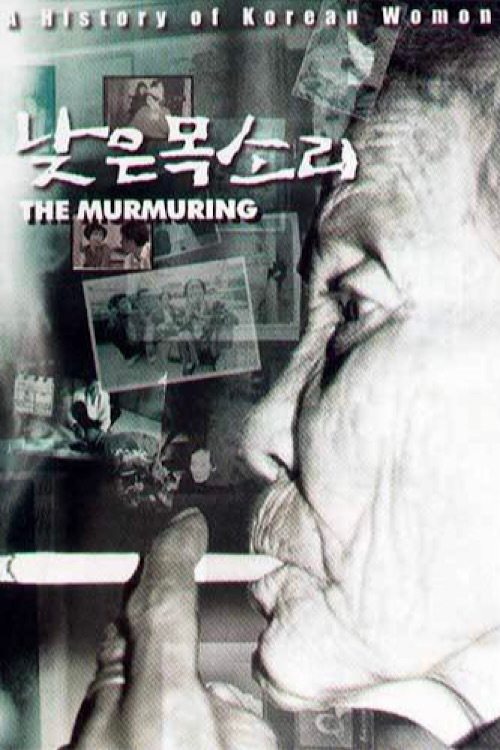
The Murmuring
5.5

The Murmuring

Apr 29, 1995

Every Wednesday at noon, women who were kidnapped for sexual purpose by the Japanese army during its imperialism and their supporters demonstrate against Japanese government to request official apology and indemnity for their crimes. This documentary portrays sexually abused old women's suppressed story of overcoming of their shame and forced silence.

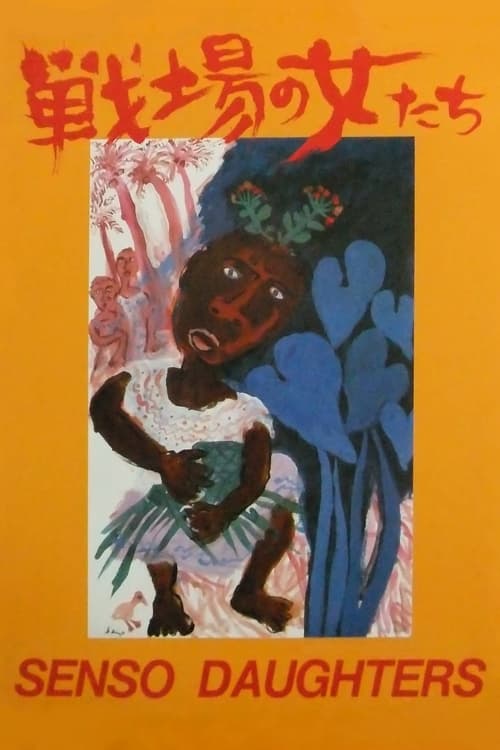
Senso Daughters
0.0

Senso Daughters

Jun 8, 1990

Senso Daughters focuses on the legacy of the Japanese occupation of Papua New Guinea during the Second World War. It is a legacy that arises from rape, starvation and terror. Sekiguchi's documentary lets the residents of Papua New Guinea, especially the women, tell the story of their three years under Japanese Army rule.

Land of My Father
0.0

Land of My Father

May 15, 2020

Byeong-man, a farmer whose father was enslaved during Japan's occupation of Korea, protests the Japanese government's claim over the disputed island territory of Dokdo. Kyeong Sook, a woman who lived on Dokdo with her father, struggles to keep his legacy alive after the Korean government mysteriously erased their history. Set in the unresolved trauma of the Japanese occupation of Korea, Land of My Father (아버지의 땅) is a story about two lives that are intertwined with a remote disputed island.

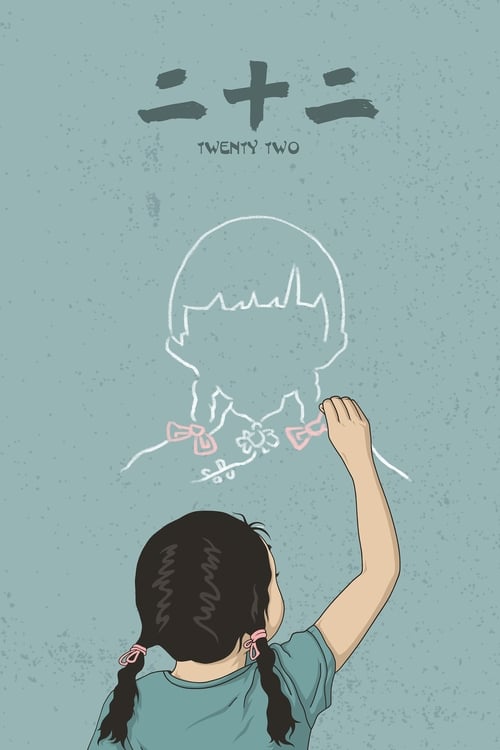
Twenty Two
7.7

Twenty Two

Aug 14, 2017

Follow the lives of the elderly survivors who were forced into sex slavery as “Comfort Women” by the Japanese during World War II. At the time of filming, only 22 of these women were still alive to tell their story. Through their own personal histories and perspectives, they tell a tale that should never be forgotten to generations unaware of the brutalization that occurred.

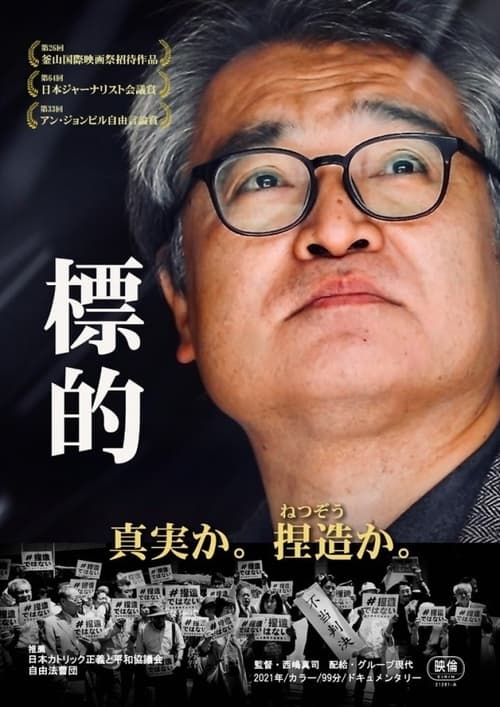
TARGET
0.0

TARGET

Oct 10, 2021

In 1991, the issue of “comfort women” was raised for the first time through the testimony of the late Kim Hak-sun. One of the first reporters in Japan to write an article about her testimony was Uemura Takashi of The Asahi Shimbun. Since the publication of his article, Uemura has been subjected to blatant attacks from the far-right, including threats on his family’s life, and the issue is still ongoing in 2021. Based on Uemura's defamation lawsuit that began in 2015, TARGET details why he had to be someone's “target.”

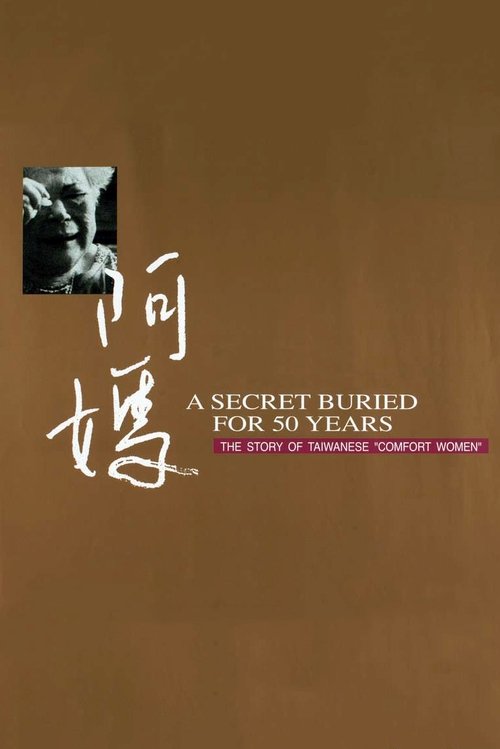
A Secret Buried for 50 Years: The Story of Taiwanese "Comfort Women"
10.0

A Secret Buried for 50 Years: The Story of Taiwanese "Comfort Women"

Sep 20, 1998

This is Taiwan's first documentary about comfort women. The audience gets a glimpse of history as 13 "grandmothers" speak of their unspeakable past, unknown even to their family, in front of the camera.

A Song of Korean Factory Girls
0.0

A Song of Korean Factory Girls

Aug 7, 2024

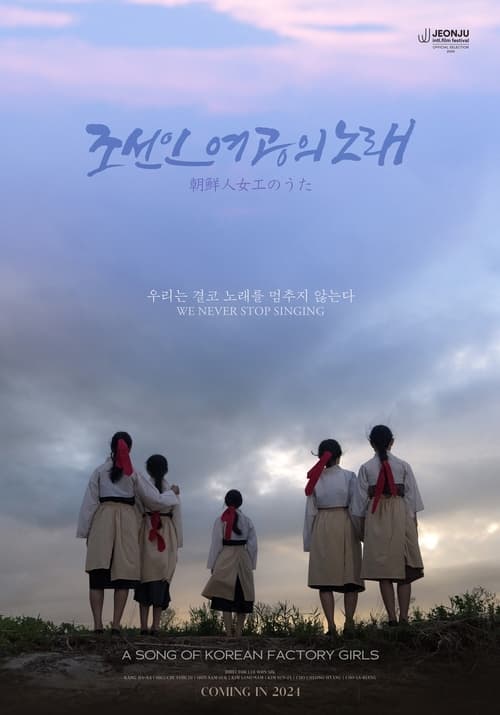
During the Japanese colonial period, 22 Korean female workers were forced to work in a spinning mill in Osaka across the sea to support their families. Despite facing discrimination and violence, their testimonies and life-affirming songs of victory have endured.

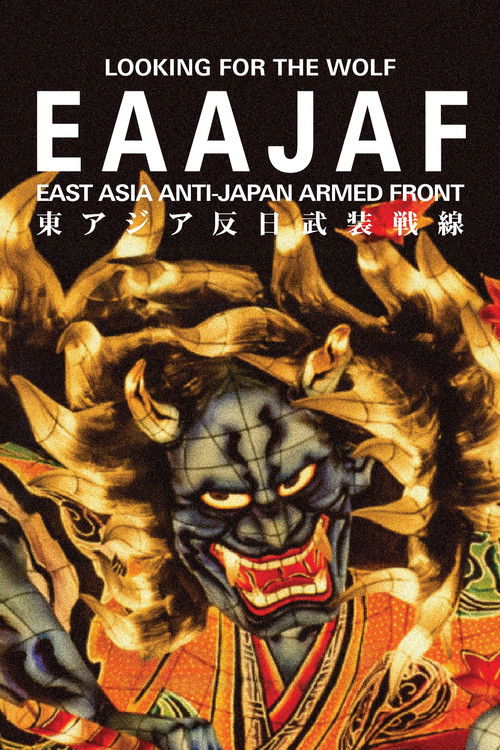
East Asia Anti-Japan Armed Front
3.0

East Asia Anti-Japan Armed Front

Aug 20, 2020

No overview available.

Habitual Sadness
5.0

Habitual Sadness

Aug 23, 1997

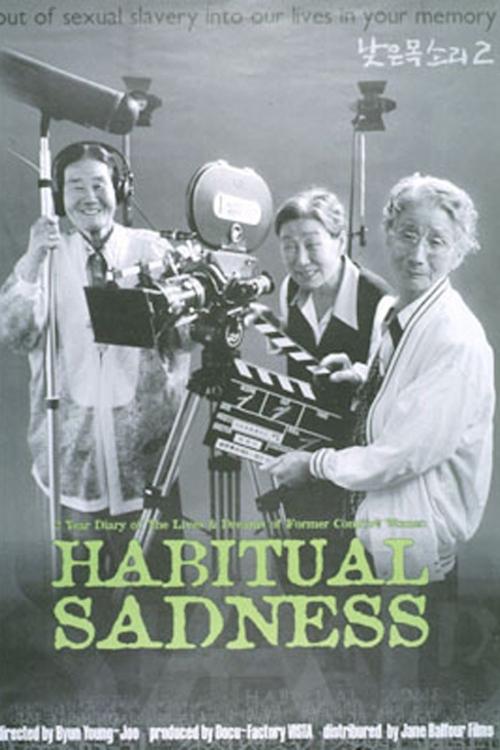
The story of the women at the "House of Sharing" continues. Old women who share a common bond lead a peaceful life in the countryside, raising vegetables, chickens and painting pictures. They are no different from the elderly women we see every day. But they are all scarred by pain and sorrow from their collective history of being comfort women during World War 2. They became subject to prejudice in their own homeland after their return to Korea. It is painful for them to watch other peoples' children and grandchildren, and they feel rage when the Japanese government tries to cover up the unspeakable crimes they committed against them. The film asks us to remember what these women sacrificed and the shame and misery they faced even as these individuals pass away often forgotten by their own people.

Things That Do Us Part
0.0

Things That Do Us Part

Nov 28, 2019

Things That Do Us Part is a documentary that reframes the stories of three women fighters who dove into a tragic war in modern Korean history, using witness statements and reenactments.

Song of Arirang - Voices from Okinawa
0.0

Song of Arirang - Voices from Okinawa

Jan 1, 1991

In the final hours of the Pacific War, Okinawa was the destination for Korean men conscripted as “military laborers” and Korean women taken as “comfort women.” Little is known about the number of casualties or their experiences. In 1989, Park Soonam started to track down the survivors of the Battle of Okinawa to record their testimonies. In 1990, Park visits Korea in search of former “military laborers” who had survived Okinawa and repatriated to Korea. The survivors vividly recount their experiences of their compatriots’ murder and about the “comfort women” to the Zainichi Korean female director. The film zeroes in on the murder of Korean “military laborers” and the presence of “comfort women” in Okinawa via testimonies of former Japanese soldiers.

Okinawan Harumoni - Testimony: Military Comfort Women
0.0

Okinawan Harumoni - Testimony: Military Comfort Women

Aug 14, 1979

Bae Ponggi, a Korean woman who became a comfort woman for the former Japanese military in 1944, testifies for the first time in Okinawa in 1975, after Okinawa was returned to the mainland. In the "red-tiled house" on Tokashiki Island, Okinawa, which was turned into a comfort station, she talks about her life and relationships, her situation after being left behind on the Korean Peninsula and unable to return to it after the war, and what happened afterwards.

The Women Outside
1.0

The Women Outside

Jul 16, 1996

They're called bar women, hostesses, or sex workers and "western princesses." They come from poor families, struggling to earn a decent wage, only to be forced into the world's oldest profession. They're the women who work in the camptowns that surround U.S. military bases in South Korea. In 40 years, over a million women have worked in Korea's military sex industry, but their existence has never been officially acknowledged by either government. In The Women Outside, a film by J.T. Orinne Takagi and Hye Jung Park, some of these women bravely speak out about their lives for the first time. The film raises provocative questions about military policy, economic survival, and the role of women in global geopolitics

Annyeong, Sayonara
0.0

Annyeong, Sayonara

Nov 25, 2005

This joint Korean-Japanese production follows a Korean woman, Lee Ha-jong, as she searches for her father's remains. He - like tens of thousands of other Koreans - was forced into the Japanese military, and subsequently killed during WW2. She is joined by a Japanese man, seeking reconciliation between his country's military past, and the countries victimized by that history. The filmmakers portray both sides of a still highly emotional debate that centers around the enshrinement of soldiers at the Yasukuni Shrine, and Lee's lawsuit to prevent her father from being enshrined there. As Lee visits Japan and the controversial Yasukuni Shrine, she confronts - and is confronted by a wall of nationalistic pride that might be compared to neo-Nazis defending the righteousness of The Reich. This is contrasted with her meeting and working with Japanese peace activists, who deplore their countries' militaristic past, and seek to heal the wounds with her neighbors.

The Ukishima Maru Massacre
0.0

The Ukishima Maru Massacre

Sep 19, 2019

22nd of August, 1945. Japan lost the war and they loaded an 8,000 person Joseon laborer force onto a ship called the Ukisima to take them to the Busan Port. However, the ship sunk into the water due to an unknown blast. This is the story of thousands of Joseon people who dreamed of returning to their families and how they died.

Born in Gunsan and After Seven Years, I Was Repatriated to Japan...
0.0

Born in Gunsan and After Seven Years, I Was Repatriated to Japan...

Sep 15, 2023

A bamboo forest becomes a city with bustling streets that then smoothly transform into photographs: never really in focus, ever more fragmentary and blurred. Born in Gunsan and after seven years, I was repatriated to Japan… begins as a formidable exercise in fūkei-ron, only to turn into a meditation on what remains of the past, with worlds, eras and personal views colliding.

Media Mafia: a Tale of Two Newspapers
5.5

Media Mafia: a Tale of Two Newspapers

Jan 1, 2021

The 100 years of history of the Chosun Ilbo and the Dong-A Ilbo show that wrong press can be a social weapon.

Hundred Years' War in Korea
0.0

Hundred Years' War in Korea

Nov 28, 2012

No overview available.

1919 Yu Gwan-sun
10.0

1919 Yu Gwan-sun

Mar 14, 2019

A film that explores the lives of female independence activists who fought against the Japanese Occupation in the North and South of Korea.

The Apology
4.1

The Apology

Apr 30, 2016

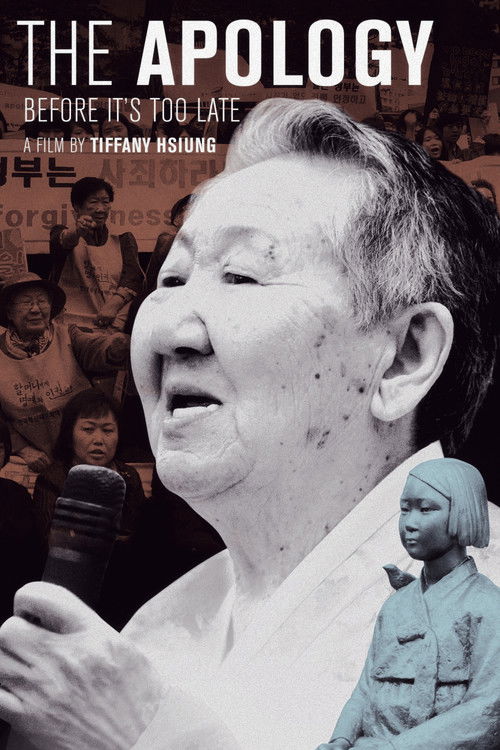
"The Apology" explores the lives of former "comfort women," the more than 200,000 girls forced into sexual slavery during World War II. Today, they fight for reconciliation and justice as they struggle to make peace with the past.