logologo
MovieVerse© 2024
Privacy PolicyTerms of ServiceContact Us
Made with ❤️ by Thathsara
movie poster
Song of Arirang - Voices from Okinawa
Sign in to create your own watchlist

Song of Arirang - Voices from Okinawa

Jan 1, 1991
1h 40m
★ 0.0

Overview

In the final hours of the Pacific War, Okinawa was the destination for Korean men conscripted as “military laborers” and Korean women taken as “comfort women.” Little is known about the number of casualties or their experiences. In 1989, Park Soonam started to track down the survivors of the Battle of Okinawa to record their testimonies. In 1990, Park visits Korea in search of former “military laborers” who had survived Okinawa and repatriated to Korea. The survivors vividly recount their experiences of their compatriots’ murder and about the “comfort women” to the Zainichi Korean female director. The film zeroes in on the murder of Korean “military laborers” and the presence of “comfort women” in Okinawa via testimonies of former Japanese soldiers.

Genres

Documentary

Song of Arirang - Voices from Okinawa Trailers

No Trailers found.

Cast

No Cast found.

You may also like

TARGET
0.0

TARGET

Oct 10, 2021

In 1991, the issue of “comfort women” was raised for the first time through the testimony of the late Kim Hak-sun. One of the first reporters in Japan to write an article about her testimony was Uemura Takashi of The Asahi Shimbun. Since the publication of his article, Uemura has been subjected to blatant attacks from the far-right, including threats on his family’s life, and the issue is still ongoing in 2021. Based on Uemura's defamation lawsuit that began in 2015, TARGET details why he had to be someone's “target.”

Green Jail
0.0

Green Jail

Mar 27, 2021

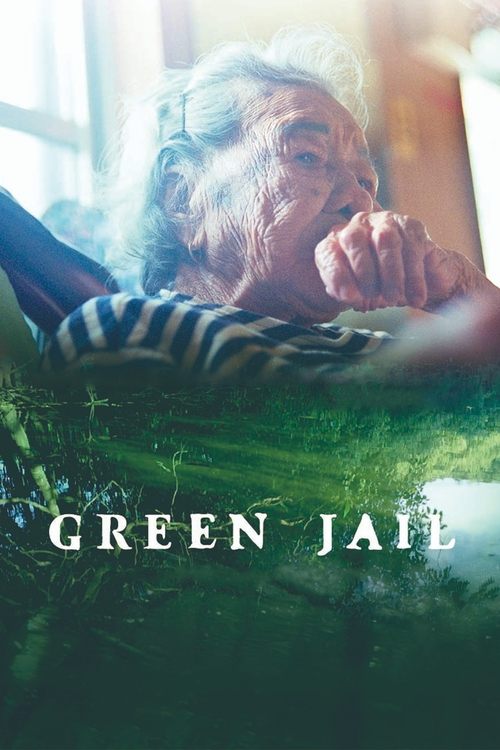
The film follows the last 4 years life of Grandma Hashima, the last existent from colonial Taiwan, who knows the secrets of "Green Jail," the notorious coal mine before World War II on Iriomote Island, Okinawa, Japan.

Twenty Two
7.7

Twenty Two

Aug 14, 2017

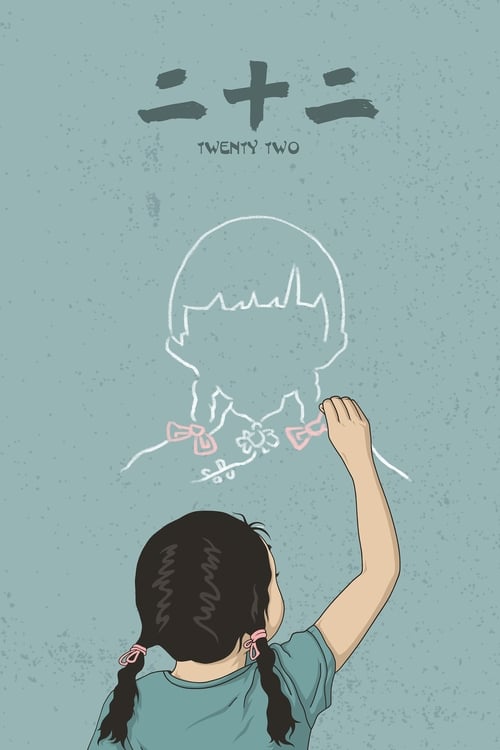
Follow the lives of the elderly survivors who were forced into sex slavery as “Comfort Women” by the Japanese during World War II. At the time of filming, only 22 of these women were still alive to tell their story. Through their own personal histories and perspectives, they tell a tale that should never be forgotten to generations unaware of the brutalization that occurred.

BABYMETAL LEGEND - 43 The Movie
9.0

BABYMETAL LEGEND - 43 The Movie

Aug 23, 2024

In April 2023, SU-METAL (vocal, dance), MOAMETAL (scream, dance), and MOMOMETAL (scream, dance) entered a new stage as the new BABYMETAL, and since then, they have embarked on their largest-ever world tour, "BABYMETAL WORLD TOUR 2023-2024," visiting 25 countries including Japan. The 98 performances, excluding festivals and guest act appearances, recorded a total audience of over 280,000 people.

Okinawan Harumoni - Testimony: Military Comfort Women
0.0

Okinawan Harumoni - Testimony: Military Comfort Women

Aug 14, 1979

Bae Ponggi, a Korean woman who became a comfort woman for the former Japanese military in 1944, testifies for the first time in Okinawa in 1975, after Okinawa was returned to the mainland. In the "red-tiled house" on Tokashiki Island, Okinawa, which was turned into a comfort station, she talks about her life and relationships, her situation after being left behind on the Korean Peninsula and unable to return to it after the war, and what happened afterwards.

Habitual Sadness
5.0

Habitual Sadness

Aug 23, 1997

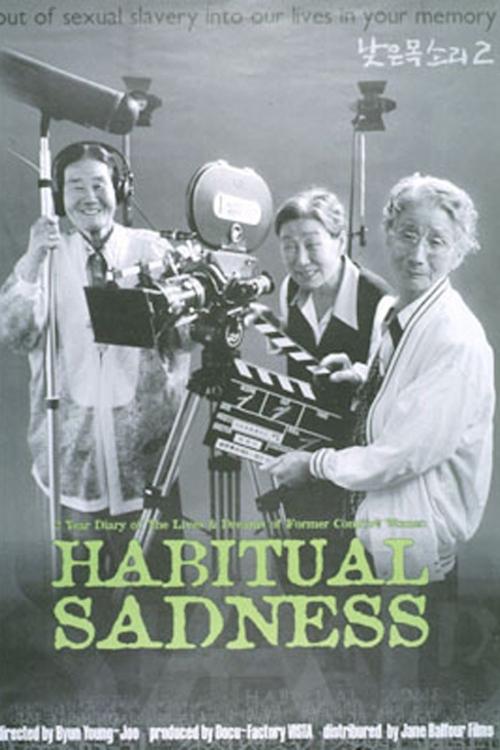
The story of the women at the "House of Sharing" continues. Old women who share a common bond lead a peaceful life in the countryside, raising vegetables, chickens and painting pictures. They are no different from the elderly women we see every day. But they are all scarred by pain and sorrow from their collective history of being comfort women during World War 2. They became subject to prejudice in their own homeland after their return to Korea. It is painful for them to watch other peoples' children and grandchildren, and they feel rage when the Japanese government tries to cover up the unspeakable crimes they committed against them. The film asks us to remember what these women sacrificed and the shame and misery they faced even as these individuals pass away often forgotten by their own people.

The Silence
10.0

The Silence

Dec 2, 2017

The Silence narrates the struggle of fifteen "comfort women"—former sex slaves by the Imperial Japanese Army during WWII—for recognition and reparation. The "comfort women" issue has previously been treated almost exclusively within the framework of Korean nationalism. The Silence will provide insight into the ways in which nationalism and the emergence of post-war Asian nation-states have hindered the understanding of "comfort women" narratives through Zainichi Korean documentary filmmaker Soo-nam Park's point of view.

The Women Outside
1.0

The Women Outside

Jul 16, 1996

They're called bar women, hostesses, or sex workers and "western princesses." They come from poor families, struggling to earn a decent wage, only to be forced into the world's oldest profession. They're the women who work in the camptowns that surround U.S. military bases in South Korea. In 40 years, over a million women have worked in Korea's military sex industry, but their existence has never been officially acknowledged by either government. In The Women Outside, a film by J.T. Orinne Takagi and Hye Jung Park, some of these women bravely speak out about their lives for the first time. The film raises provocative questions about military policy, economic survival, and the role of women in global geopolitics

A Long Way Around
0.0

A Long Way Around

Jun 20, 2019

Life story of sexually harassed women by Japanese army, so called "comfort women" and the reflected story of Grandma, Ok-seon Lee in that period of time

The Big Picture
10.0

The Big Picture

Aug 15, 2013

No overview available.

Okinawa: The Afterburn
1.0

Okinawa: The Afterburn

Jun 20, 2015

On April 1, 1945, the United States military launched its invasion of the main island of Okinawa, the start of a battle that was to last 12 weeks and claim the lives of some 240,000 people. This film depicts the Battle through the eyes of Japanese and American soldiers who fought each other on the same battlefield, along with Okinawa civilians who were swept up in the fighting. The film also depicts the history of discrimination and oppression forced upon Okinawa by the American and Japanese governments. Carrying up to the current controversy over the construction of a new base at Henoko, the film explores the root causes of the widespread disillusionment and anger expressed by many Okinawans. This ambitious documentary was directed by the American John Junkerman, long-term resident of Japan and Oscar-nominated documentary filmmaker. Okinawa: The Afterburn is a heartfelt plea for peace and an expression of deep respect for the unyielding spirit of the Okinawa people.

My name is KIM Bok-dong
8.8

My name is KIM Bok-dong

Aug 8, 2019

In 1992, KIM Bok-dong, reported herself as a victim of the sexual slavery, "comfort women" during World War Ⅱ. She wanted to receive the proper apology from the Japan government but they denied its responsibility. In 2011, commemorating the 1000th Wednesday demonstration, Statue of Peace was installed in front of the Embassy of Japan. The fight over Japan confronts a new stage.

Shusenjo: The Main Battleground of the Comfort Women Issue
7.4

Shusenjo: The Main Battleground of the Comfort Women Issue

Jul 25, 2019

A Japanese-American director digs deep into the controversial 'comfort women' issue to settle the debate on whether the women were paid prostitutes or sex slaves, and reveals the motivations and intentions of the main actors pushing to revise history in Japan.

KOKO SunYi
0.0

KOKO SunYi

Aug 25, 2022

No overview available.

Le Baron et l'Empereur : Japon, la voie de la guerre
8.0

Le Baron et l'Empereur : Japon, la voie de la guerre

Oct 29, 2023

No overview available.

The Apology
4.1

The Apology

Apr 30, 2016

"The Apology" explores the lives of former "comfort women," the more than 200,000 girls forced into sexual slavery during World War II. Today, they fight for reconciliation and justice as they struggle to make peace with the past.

Senso Daughters
0.0

Senso Daughters

Jun 8, 1990

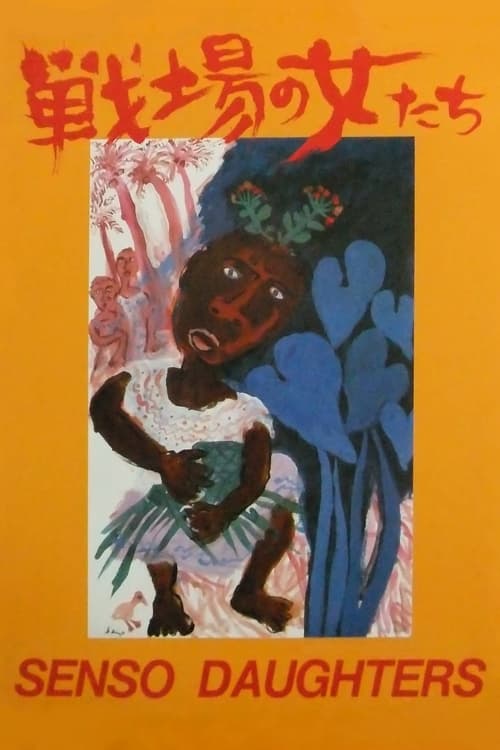
Senso Daughters focuses on the legacy of the Japanese occupation of Papua New Guinea during the Second World War. It is a legacy that arises from rape, starvation and terror. Sekiguchi's documentary lets the residents of Papua New Guinea, especially the women, tell the story of their three years under Japanese Army rule.

My Own Breathing
5.5

My Own Breathing

Mar 18, 2000

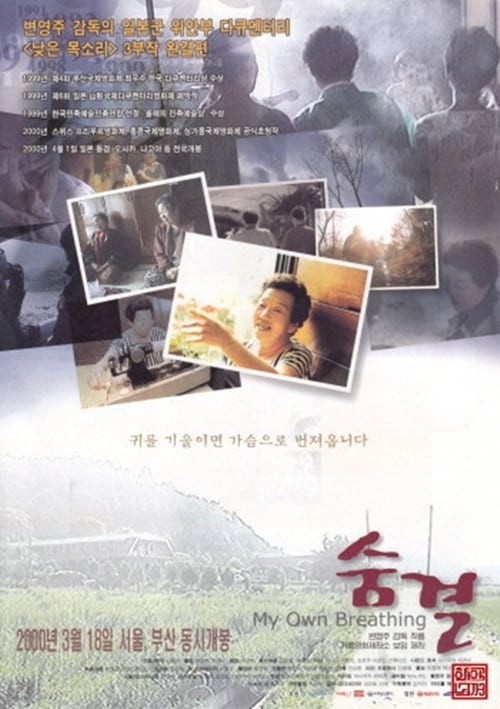
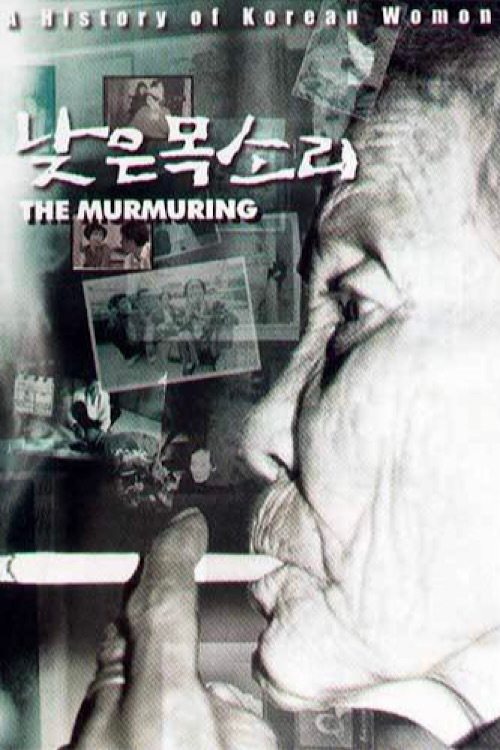
"My Own Breathing" is the final documentary of the trilogy, The Murmuring about comfort women during the World War II directed by BYUN Young-joo. This is the completion of her seven years work. BYUN's first and second documentaries spoke of grandmothers' everyday life through the origin of their torment, while My Own Breathing goes back to their past from their everyday life. Deleting any device of narration or music, the camera lets grandmothers talk about themselves. Finally, the film revives their deep voices trampled by harsh history.

Okinawa/Santos
0.0

Okinawa/Santos

Nov 5, 2020

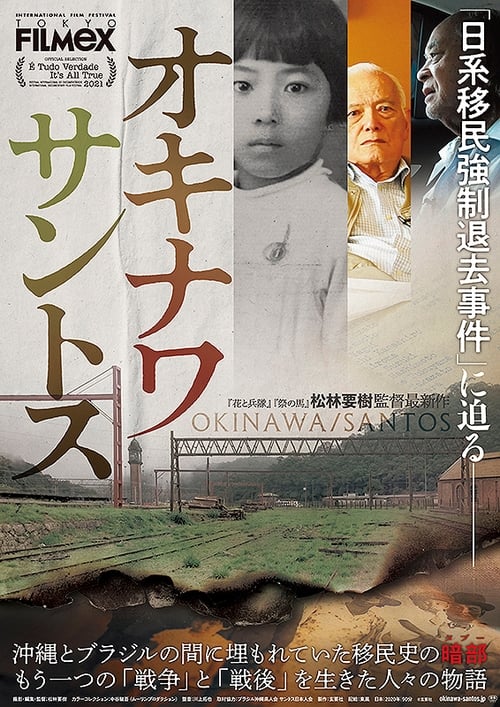
During World War II, many Japanese immigrants in Santos, Brazil, were forced to move to another place. Matsubayashi draws attention to the fact that 60% of the immigrants were from Okinawa. Based on testimonies from interviewees, this film reveals the hidden historical relationship between Okinawa and Brazil.

Standing Army
4.8

Standing Army

Jan 10, 2010

Standing Army, directed by Enrico Parenti and Thomas Fazi, is an award-winning documentary film about the global network of U.S. military bases, the impact that these have on local populations, and the military-industrial complex that lies behind it.