No Trailers found.
(voice)
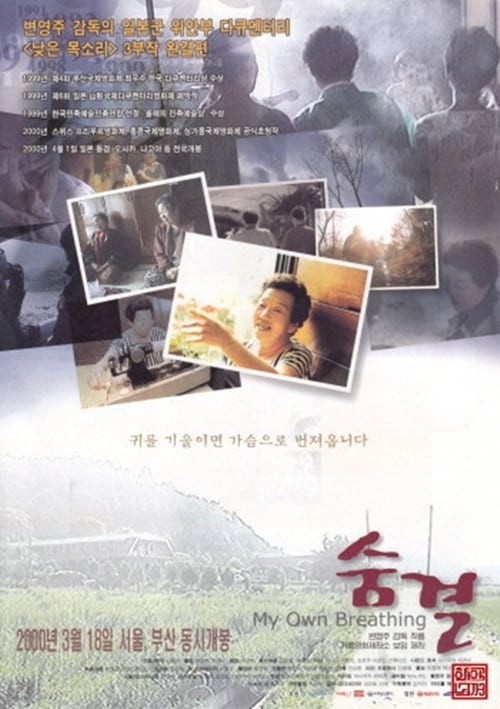
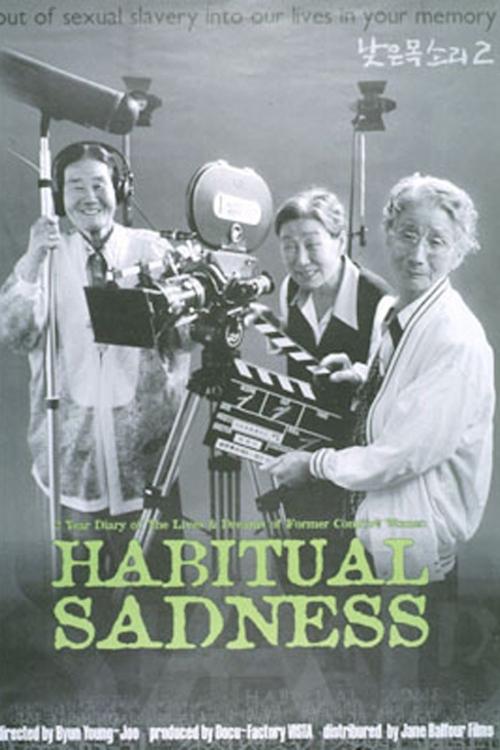
"My Own Breathing" is the final documentary of the trilogy, The Murmuring about comfort women during the World War II directed by BYUN Young-joo. This is the completion of her seven years work. BYUN's first and second documentaries spoke of grandmothers' everyday life through the origin of their torment, while My Own Breathing goes back to their past from their everyday life. Deleting any device of narration or music, the camera lets grandmothers talk about themselves. Finally, the film revives their deep voices trampled by harsh history.
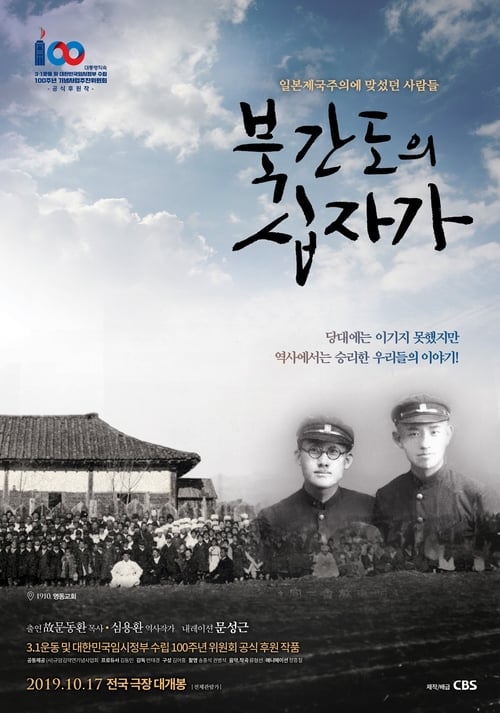
The Christians of North Gando lose their country and leave their hometown, but gain the Gospel. The cross they hold in their hands is the symbol of daring for independence and a royal summon of the generation they have to endure. Historian Sim Yo Han retraces the footsteps of the late Father Moon Dong Hwan and finds meanings of the anti-Japanese independence movement hidden in various parts of North Gando.
Senso Daughters focuses on the legacy of the Japanese occupation of Papua New Guinea during the Second World War. It is a legacy that arises from rape, starvation and terror. Sekiguchi's documentary lets the residents of Papua New Guinea, especially the women, tell the story of their three years under Japanese Army rule.
Every Wednesday at noon, women who were kidnapped for sexual purpose by the Japanese army during its imperialism and their supporters demonstrate against Japanese government to request official apology and indemnity for their crimes. This documentary portrays sexually abused old women's suppressed story of overcoming of their shame and forced silence.
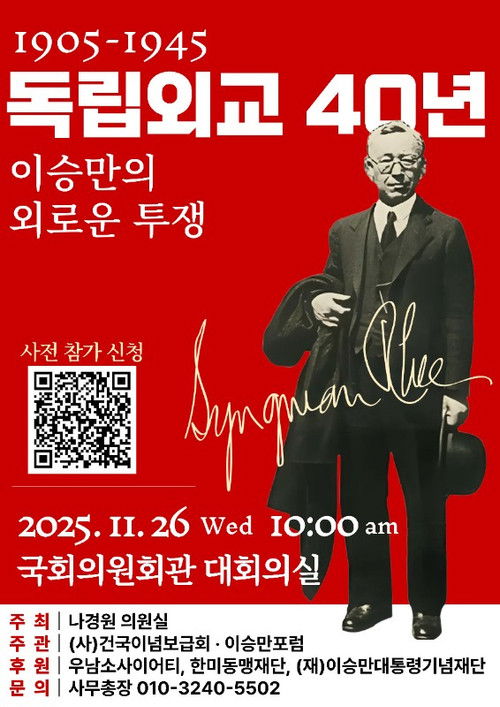
A documentary film covering the life of President Syngman Rhee and the contributions he made to the Republic of Korea, spanning his childhood, focusing on his independence movement, the founding of the nation, the process of leading to victory in the Korean War, and the process of laying the foundation for Korea's industrialization.
Follow the lives of the elderly survivors who were forced into sex slavery as “Comfort Women” by the Japanese during World War II. At the time of filming, only 22 of these women were still alive to tell their story. Through their own personal histories and perspectives, they tell a tale that should never be forgotten to generations unaware of the brutalization that occurred.
No overview available.
During the Japanese colonial period, 22 Korean female workers were forced to work in a spinning mill in Osaka across the sea to support their families. Despite facing discrimination and violence, their testimonies and life-affirming songs of victory have endured.
KIM Soonak is a survivor of sex slavery by the Japanese military. The war may have ended, but her life was still at a war. She lived in the prostitute quarters to survive, did sex business in the US military camp town, and peddled goods from the US military. She raised two kids on her own as she worked as a maid. We’ll listen to her story in her absence. The film reconstructs the life story of the deceased KIM Soonak with interviews with activists, archive videos, animation, and read-aloud testimony.
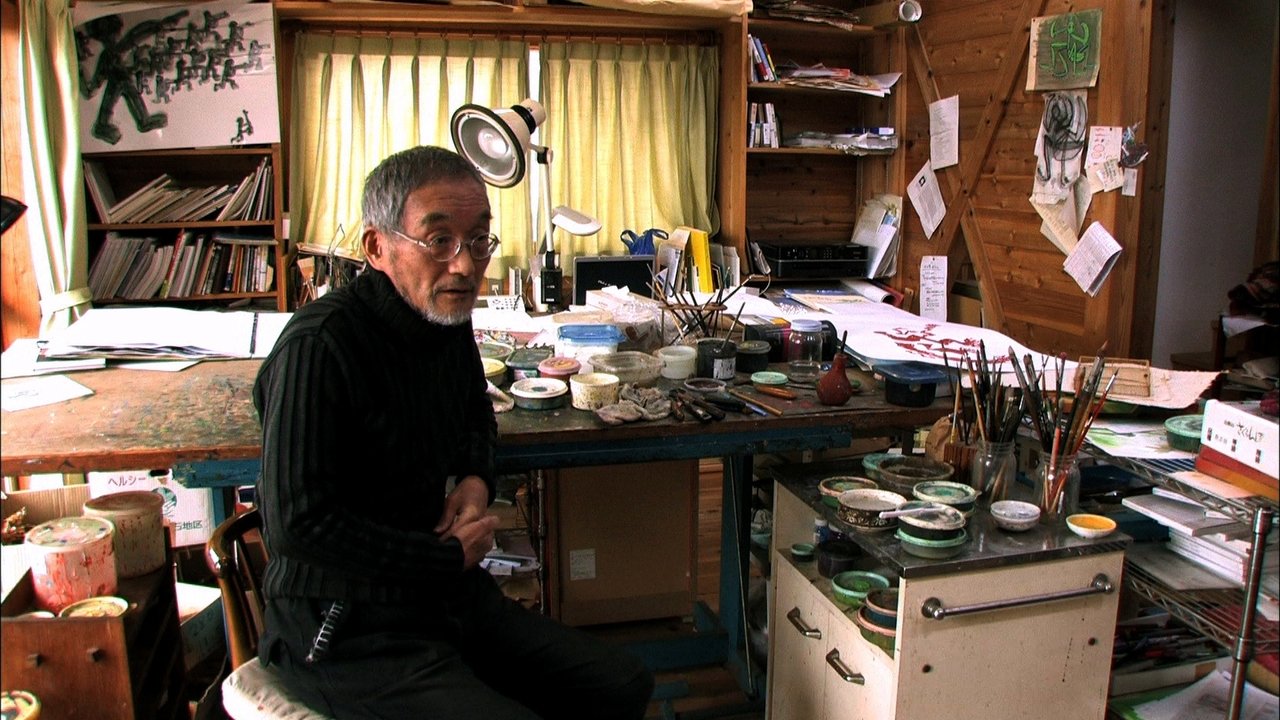
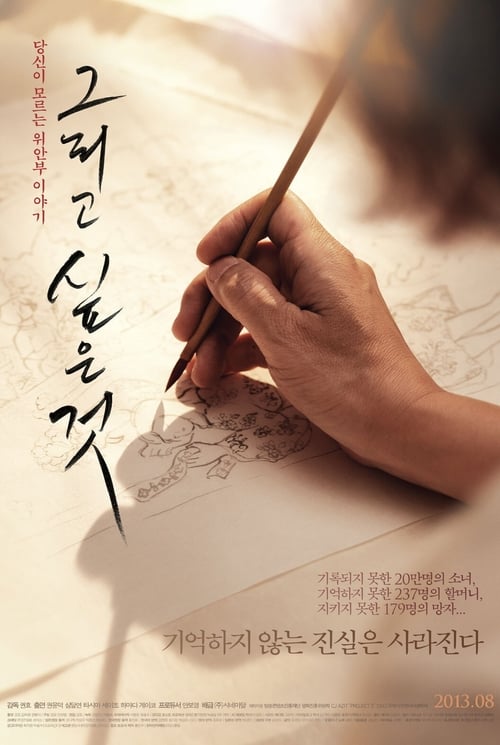
The story of the women at the "House of Sharing" continues. Old women who share a common bond lead a peaceful life in the countryside, raising vegetables, chickens and painting pictures. They are no different from the elderly women we see every day. But they are all scarred by pain and sorrow from their collective history of being comfort women during World War 2. They became subject to prejudice in their own homeland after their return to Korea. It is painful for them to watch other peoples' children and grandchildren, and they feel rage when the Japanese government tries to cover up the unspeakable crimes they committed against them. The film asks us to remember what these women sacrificed and the shame and misery they faced even as these individuals pass away often forgotten by their own people.
Movie about tortured and humiliated women in concentration camps in Bosnia and Herzegovina.
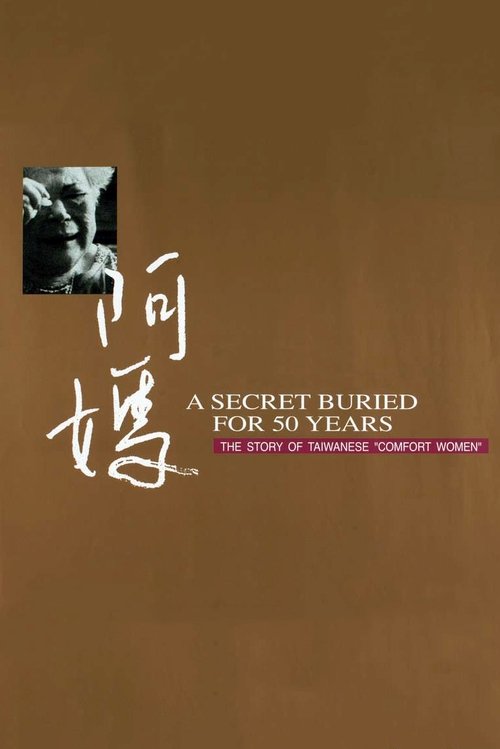
This is Taiwan's first documentary about comfort women. The audience gets a glimpse of history as 13 "grandmothers" speak of their unspeakable past, unknown even to their family, in front of the camera.
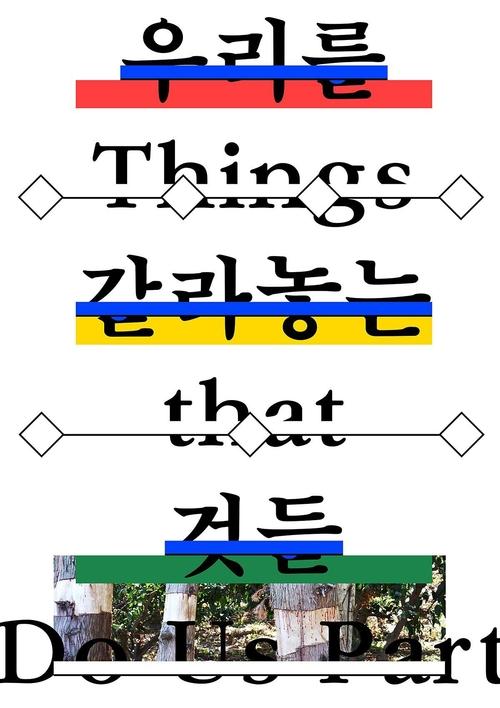
Things That Do Us Part is a documentary that reframes the stories of three women fighters who dove into a tragic war in modern Korean history, using witness statements and reenactments.
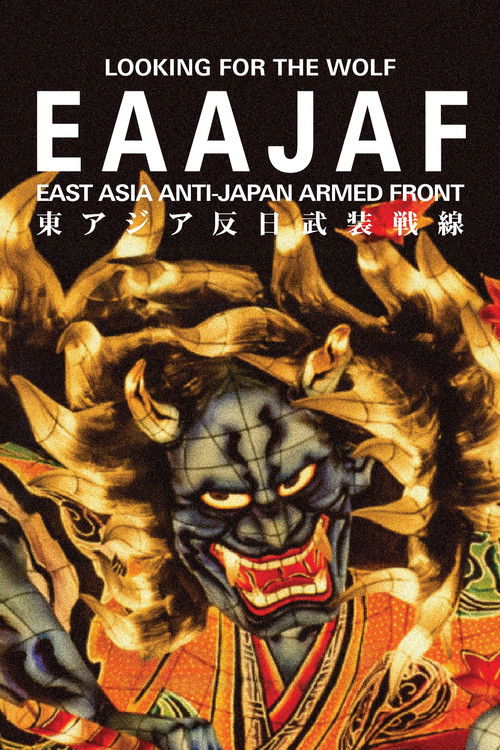
On August 30th, 1974,a time bomb set by the "Wolf" brigade of the East Asia Anti-Japan Armed Front destroyed the Tokyo Headquarters of Mitsubishi Heavy Industries. "Fangs of the Earth" and "Scorpion" soon followed with more bombings. Unlike other leftist groups at the time that sought to seize the Japanese state to build socialism, the EAAJAF were explicitly opposed to the Japanese nation-state, understanding it as an imperialist power in East Asia and a junior partner to American imperialism. Over 50 years have passed since the Mitsubishi bombing; some EAAJAF members have passed, others are still incarcerated, and some have been recently released. In the intervening years, a group of friends and family members stepped forward to support their incarcerated loved ones, answering questions about how to provide long-term prisoner support for people incarcerated by the state and condemned by society.
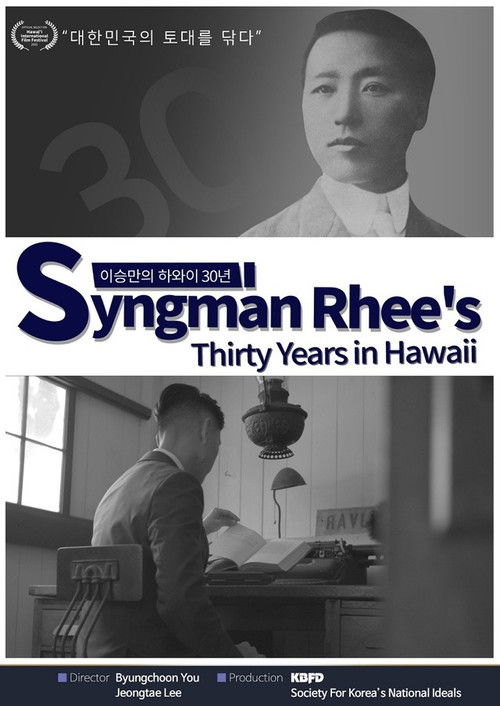
Syngman Rhee, the founding president of the Republic of Korea spent a total of thirty years in Hawaii. The first 25 years occurred before he was elected the founding president and five years were after he resigned from the presidency. What is the significance of 30 years in one’s life span?
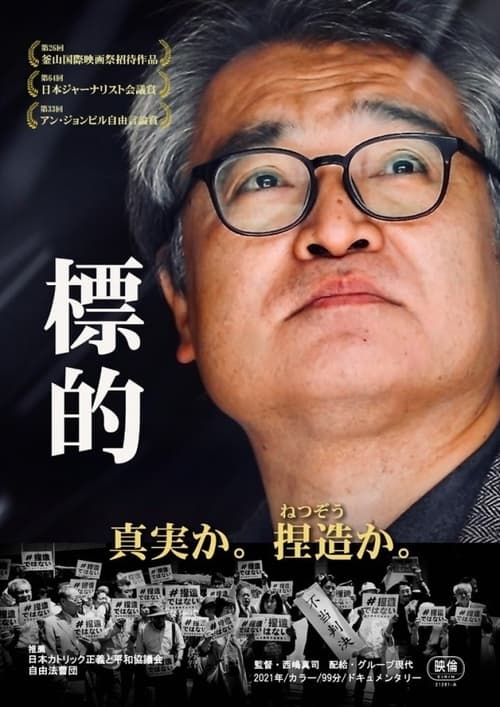
In 1991, the issue of “comfort women” was raised for the first time through the testimony of the late Kim Hak-sun. One of the first reporters in Japan to write an article about her testimony was Uemura Takashi of The Asahi Shimbun. Since the publication of his article, Uemura has been subjected to blatant attacks from the far-right, including threats on his family’s life, and the issue is still ongoing in 2021. Based on Uemura's defamation lawsuit that began in 2015, TARGET details why he had to be someone's “target.”
The Silence narrates the struggle of fifteen "comfort women"—former sex slaves by the Imperial Japanese Army during WWII—for recognition and reparation. The "comfort women" issue has previously been treated almost exclusively within the framework of Korean nationalism. The Silence will provide insight into the ways in which nationalism and the emergence of post-war Asian nation-states have hindered the understanding of "comfort women" narratives through Zainichi Korean documentary filmmaker Soo-nam Park's point of view.
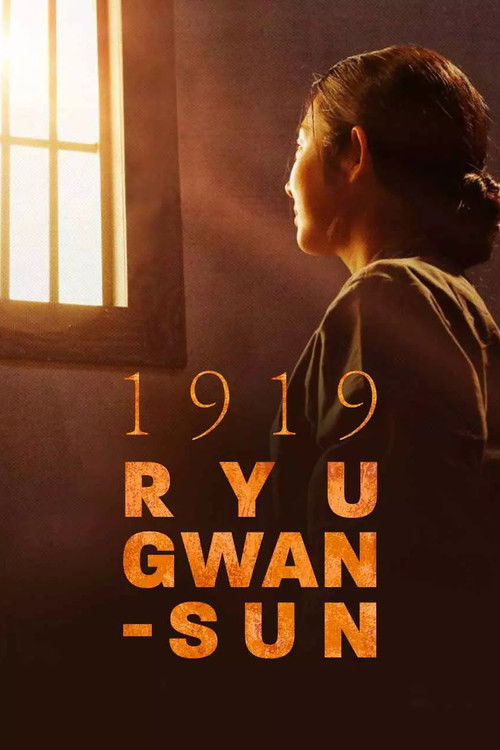
In 1919, Ryu Gwan-sun was imprisoned at the Seodaemun Prison, charged with leading the independence protest at her hometown. In her cell, No. 8, many women were locked up after participating in the protest. They are different in ages, jobs, religions, and so on, but they all raise their voices for the nation's independence from Japanese Imperialism. The docudrama will highlight some of the female activists who devoted their lives to the Independence movement.
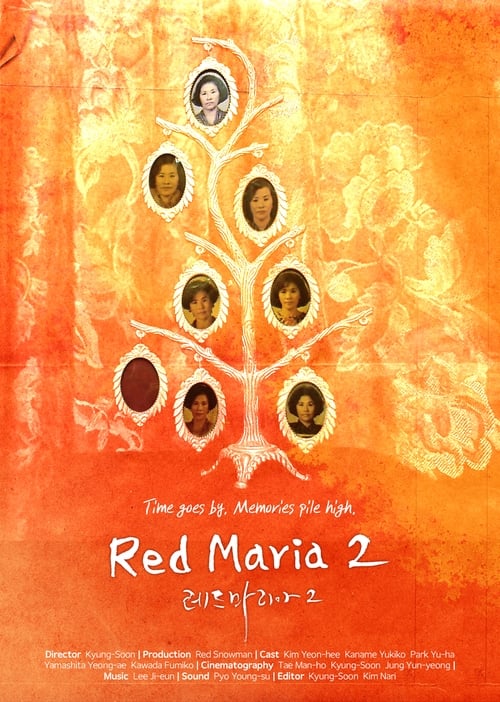
Korean sex worker Yonhee goes to Japan to build solidarity with her counterparts there. YAMASITA Youngae heads for Kyoto to give a lecture on how former prostitute-turned-comfort women were left out of the movement to achieve justice for comfort women. Korean professor PARK Yu-ha is sued by former comfort women because of her book Comfort Women of the Empire. Reportage writer KAWADA Fumiko Tells the story of BAE Bonki, a Korean who worked as a comfort woman in Okinawa. Shuttling between the issue of sex workers who refuse to be pictured as victims and the issue of comfort women who couldn’t even be acknowledged as victims, the film reveals stories that had disappeared from official memory.