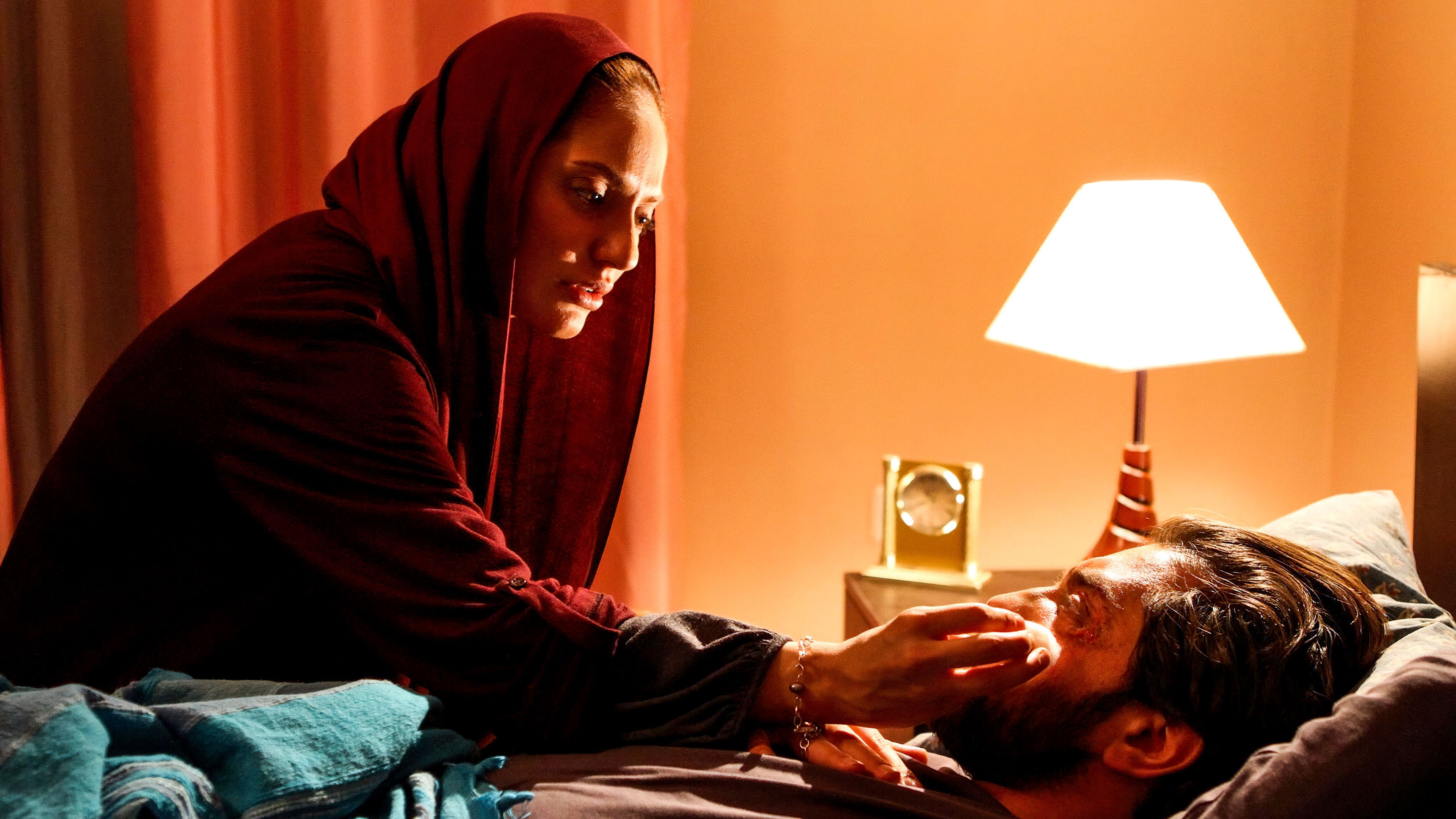
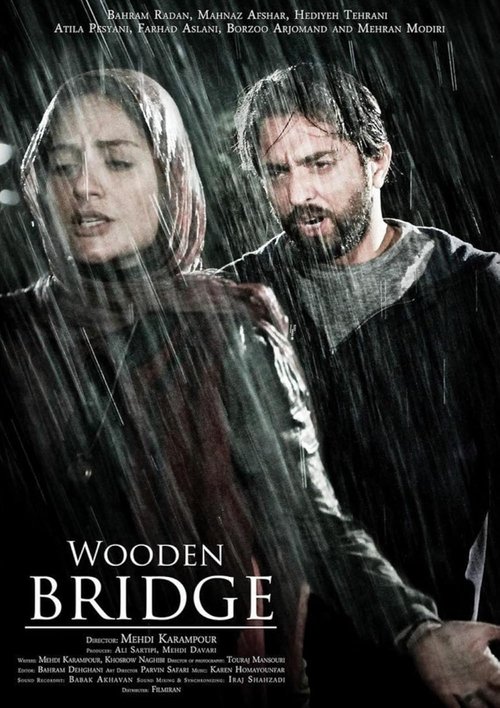
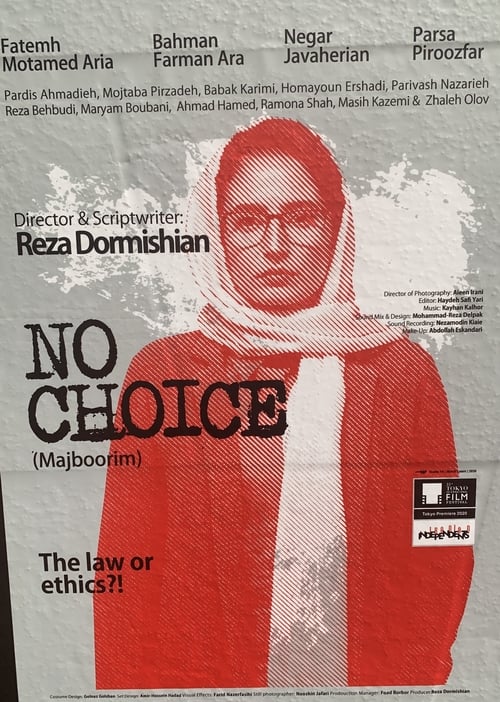
It is about life of a young couple who want to migrate from their country. But the arrival of Nazli makes problems...
No Trailers found.
Bahman, Mahtab, Ramin and Donya Mehdipour are enjoying a perfect summer in a small Finnish town. Their routines are fractured by a negative decision on their application for asylum by the Finnish Immigration Service. But life must go on and the 13-year-old Ramin is about to enter an entirely new school, junior high. The Mehdipours use their last chance to appeal but continue their everyday lives, fuelled by their exceptionally positive outlook and attitude.
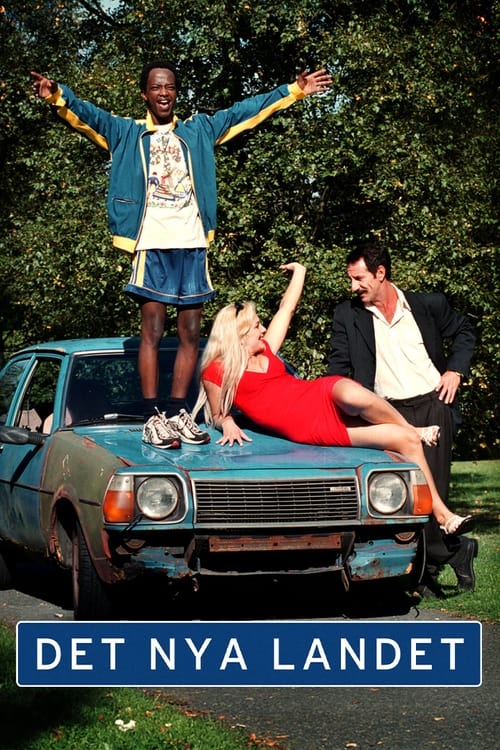
A 15-year-old Somalian boy meets a 40-year-old Iranian man in a refugee camp in Skåne, in the south of Sweden. With the threat of deportation hanging over them, they decide to take their faiths in their own hands and together they go on a journey in the Swedish summer.
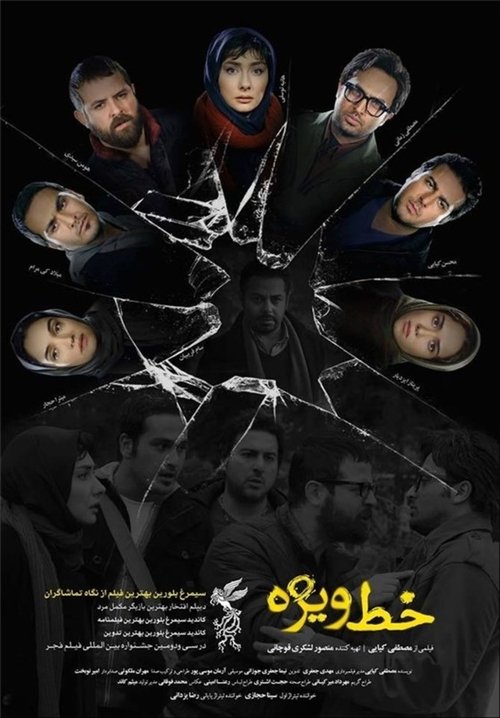
A hacker group empty a bank account of a big strong person. The story goes on and now they must pay for that.
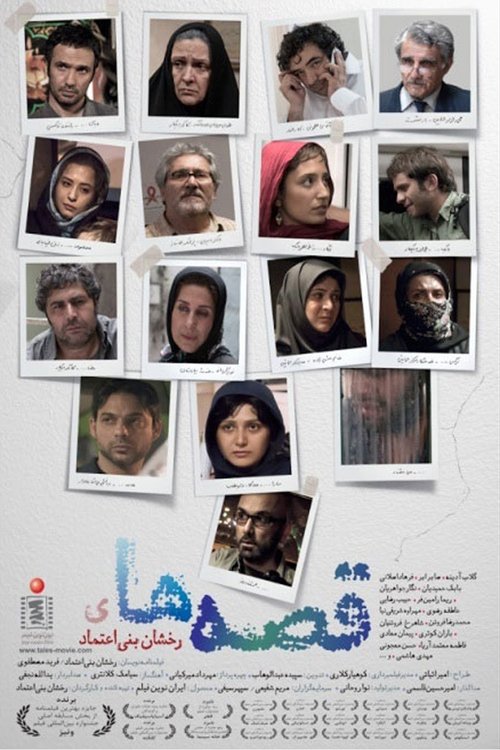
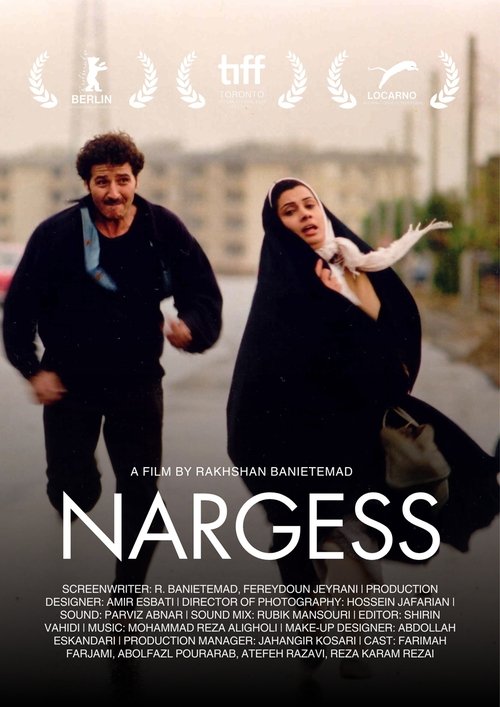
Award-winning Iranian filmmaker Rakshan Banietemad ends her eight-year hiatus from feature filmmaking with this ingenious, mosaic-like narrative, which knits together the stories of seven characters to create a microcosm of Iranian working-class society.
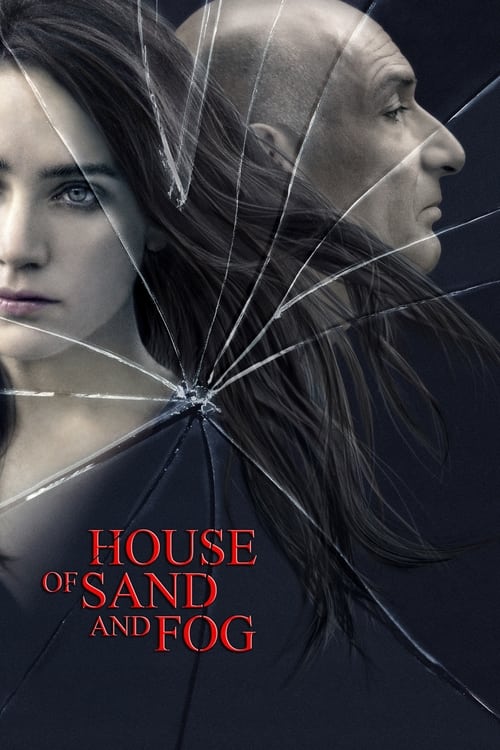
Behrani, an Iranian immigrant buys a California bungalow, thinking he can fix it up, sell it again, and make enough money to send his son to college. However, the house is the legal property of former drug addict Kathy. After losing the house in an unfair legal dispute with the county, she is left with nowhere to go. Wanting her house back, she hires a lawyer and befriends a police officer. Neither Kathy nor Behrani have broken the law, so they find themselves involved in a difficult moral dilemma.
Youssef, a blind university professor, is suddenly diagnosed with a fatal disease and must undergo treatment in France. Back home, will he find the life he had before?
Forough is a middle aged woman whose husband has temporarily married with another woman. Even though that was kept secret from her, but his action is considered legal in Iran. Now the husband is in prison, due to not being able to pay second wife’s “Mehrieh” (the bride’s marriage portion).The second wife intends to receive her Mehrieh by asking the court’s permission to sell his house. Forough, the first wife, in order to not lose her home, intends to sell all she has to pay for her husband’s debt and release him from the jail.
A sharp-edged look at people who live outside the constraints of Islamic law.
Olfat is raising her children in hardship. She has one daughter and one son called Yonos who works in Kerman copper mine. One day, she finds a note at home with this massage "My friends and I are going to enter the war as soldiers". After reading this note, Olfat and his friend's parents got worried about their sons. When operation Valfajr failed, they received news about Yonos's friend. Olfat is waiting for her son too. As she finds out that the Iraqi radio announces the Iranian captives' names, she ties a radio on her back and carries it everywhere.
Nahal is around thirty and in her fourth month of pregnancy. During a routine check-up she learns that her baby has died and she now faces a curettage abortion in two days’ time. When she tries to address the subject, neither her mother nor her husband give her a chance to speak.
Jafar Panahi's short film, shot with one uninterrupted long take, about siblings trying to sell a carpet in need of money.
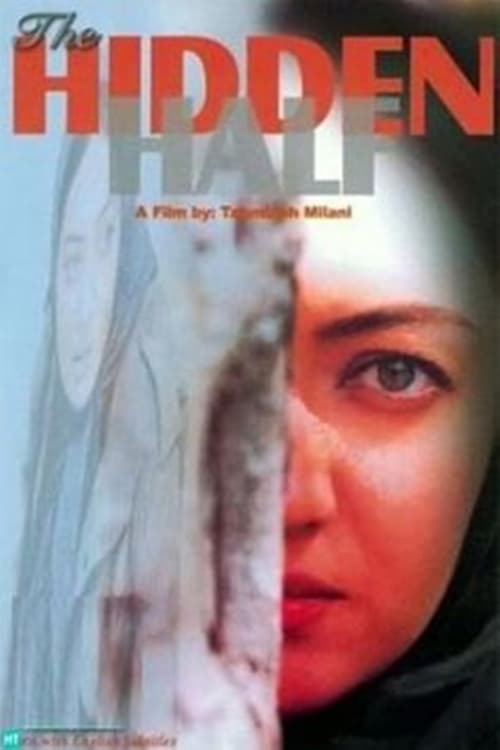
An official is sent from his home in Tehran to hear the final appeal of a woman sentenced to death, a political prisoner. The official's wife of nearly 20 years, Fereshteh Samimi, writes him a letter to read when he reaches the hotel - the story of her student days during the revolution of 1978. We see the story in flashbacks as he reads: she leaves her province on scholarship, joins a Communist youth group, avoids arrest, and comes under the sway of a suave older man, Roozbeh Javid, a literary-magazine editor. As she tells her husband about the hidden half of her life, Fereshteh asks that he listen to the woman facing execution, a woman and therefore one of Iran's hidden half.
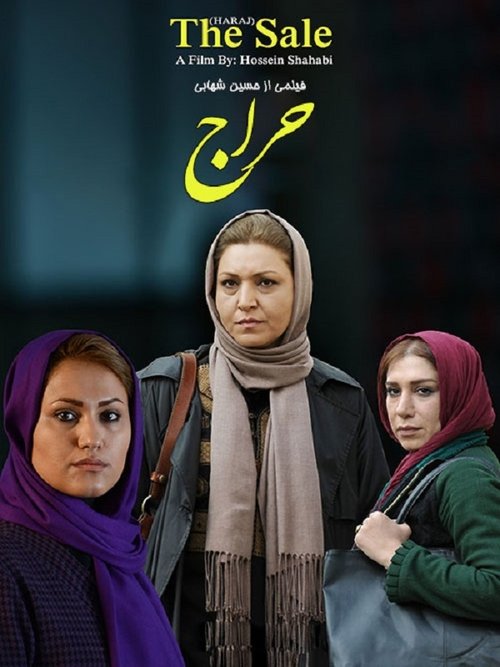
Hundred to one hundred (Persian: صدبرابرصد) is a 1995 Iranian film written and directed by Hossein Shahabi (Persian: حسین شهابی)
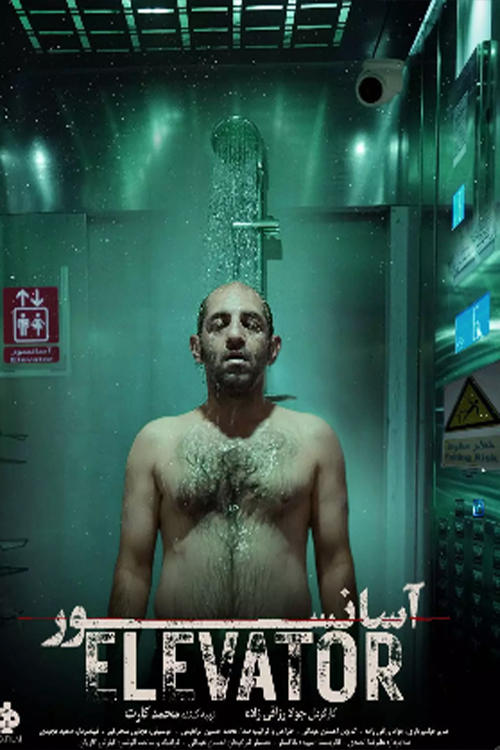
Elevator (Persian: آسانسور) is a 1995 social drama Iranian film, written and directed by Hossein Shahabi (Persian: حسین شهابی)
The story of a young friends who met on the Internet and a fun way to bet on a complex and daunting fall. The path to a new understanding of life and society for Each of them.
A mother's courage, hardship, and love, in times of war. In 1988, during the Iran-Iraq war, Gilane escorts her pregnant daughter, Maygol, from the relative calm of their village, Espili, into war-torn Tehran to search for Maygol's husband, Rahman. The journey is arduous and what they find when they reach the capital is dismaying and frightening. Fifteen years later, as another war begins in Iraq, Gillane is at home caring for her son Ismael, who suffers from epilepsy, a byproduct of war. As she cares for him, she hopes for a visit from the doctor and from another daughter, Atefah. "Better be a dog than a mother," she says.
A young homeless girl supports herself as a surrogate mother for money. A human rights attorney tries to help her change her life, but ithe challenges seem insurmountable. This is a rarely seen side of Iranian society.
Echo (Persian: پژواك) is a 1997 Iranian Drama film Written and directed by Hossein Shahabi.
Broth Soup (Persian: آش نذری) is a 2000 Iranian film written and directed by Hossein Shahabi .
Bright Shadow (Persian: سايه روشن) is a 1997 Iranian drama film written and directed by Hossein Shahabi (Persian: حسین شهابی)