Bright Shadow (Persian: سايه روشن) is a 1997 Iranian drama film written and directed by Hossein Shahabi (Persian: حسین شهابی)
No Trailers found.
Samin
Nader
Mahmood
Karim
Sara
Azar
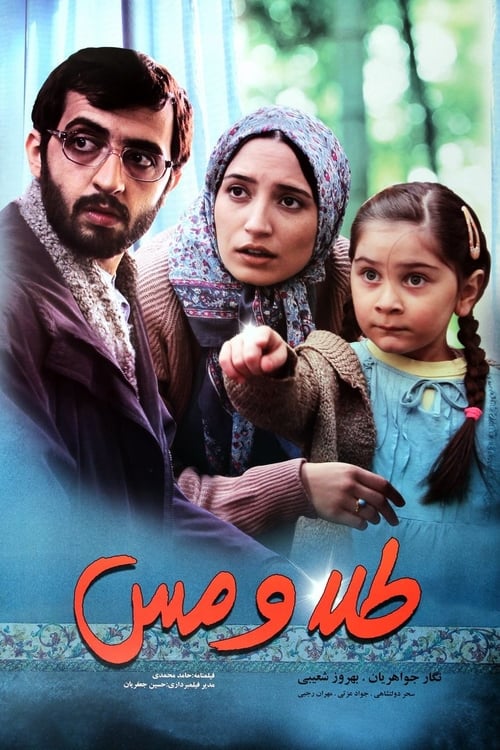
The story is about the world of a small family with familiar dreams and not so remarkable problems. The mother is trying to lead everything to save her family, but small events disarrange all her plans.
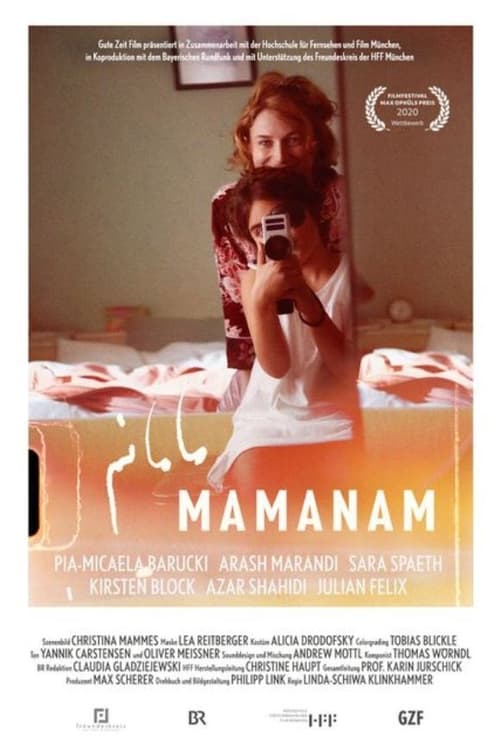
West Germany, Christmas Eve, 1971. 7-year-old Kimîa captures her family’s celebration through the lens of her Super 8 camera. But the mood changes when her mother, Hanna, discovers her husband’s plans.
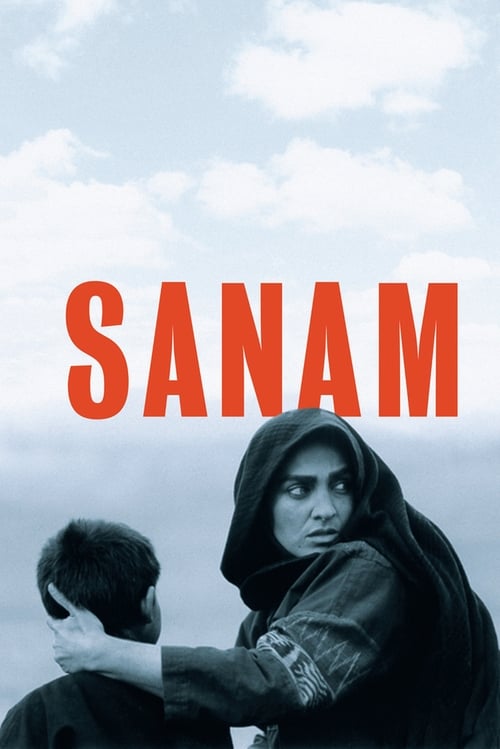
In a small valley, riders pursue and kill a man. A horse thief, so his assassins claim. But for his ten year old son Issa, the disappearance of his father causes an avalanche of problems. With the family name stigmatized, Issa is bullied by the other children in the village. While his mother fights to clear her husbands name, Issa is left to his own devices. But unexpectedly, his solitude gives birth to his freedom, his real passion, horses.
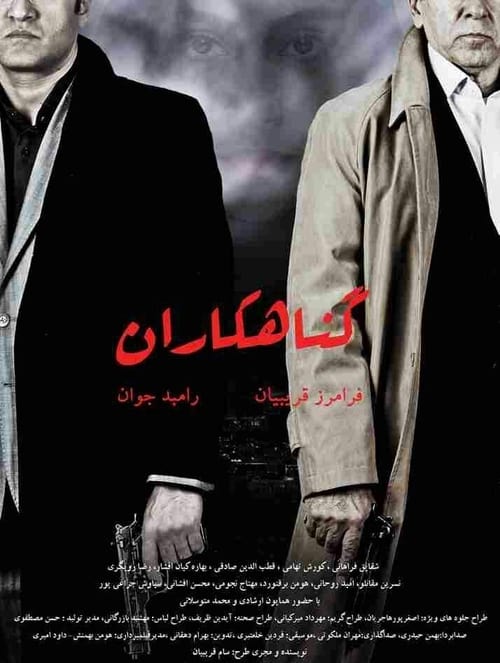
Two homicide detectives investigates the murder of a woman ...
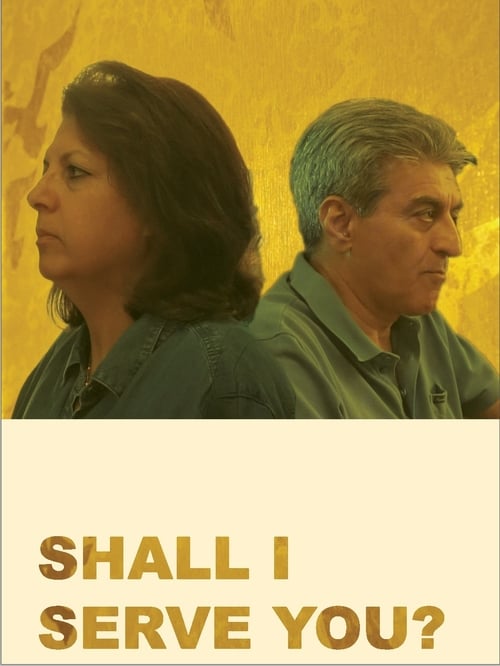
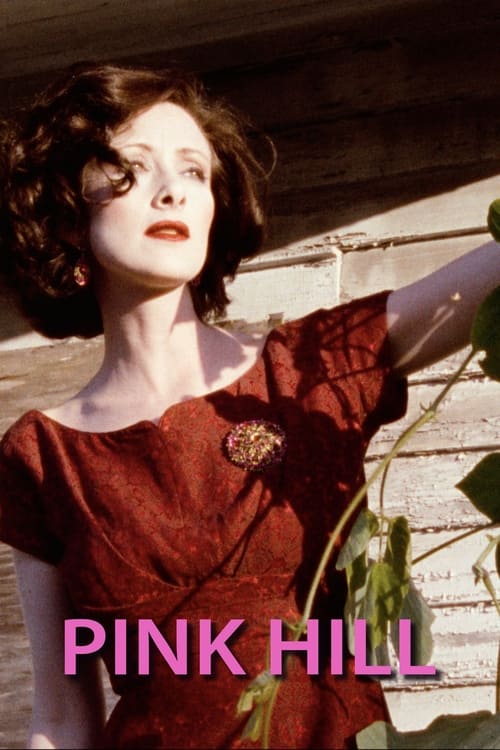
A transparent look into the life of Iranian immigrants in America. Sholeh and her husband Nasser carry out their evening routine in a ritual they are both accustomed to but nonetheless deeply grateful for.
A young woman's wedding becomes a ritual of mourning when her sister and family die in an auto accident on the way to the wedding. The sisters' mother refuses to accept her daughter's death, and in the midst of wedding guests and mourners, including the drivers of the truck that caused the accident, she orders the wedding to take place. But how can the daughter marry in the midst of a wake and without the family's traditional mirror, which the sister was bringing to the service?
Behzad, who has been in prison for manslaughter for a long time, has a son who does not know about him. When he is introduced, the son goes through a conflict. Then, as a family, they go to the victim's family seeking consent so Reza would be released.
An urban guerrilla, wounded after a bank robbery, seeks refuge with his childhood friend—only to discover that his friend has fallen into addiction. The guerrilla hides in his house and gradually begins to influence him, helping him regain his courage and strength. Eventually, he entrusts the stolen money to him…
Dash Akol is greatly respected in Shiraz as an honorable man who has lost his family's money through helping his friends. He has an enemy, however, named Kaka Rostam, a mean and spiteful person. Dash Akol, who is in his forties, falls in love with Marjan, daughter of the late Haji Samad, for whose estate he is the executor. But he keeps his love secret. One day a suitor asks for Marjan's hand, and Dash Akol considers it against his code of honor to refuse. On the night of the wedding, Dash Akol hands over responsibility for the family to the bridegroom. As he is leaving the house, however, Kaka Rostam is waiting for him and a fight ensues. Kaka Rostam stabs him in the back, but Dash Akol succeeds in killing him. On his deathbed, Dash Akol sends his parrot to Marjan with the confession of love he has taught it.
A haughty acclaimed newly married fashion designer named Iraj is shown the door by his boss after the boss's son arrives at Iran to take over his father's company. Iraj reluctant to promulgate the loss of his job, starts using his savings, trying to conceal the truth from his naive wife. Having squandered all the money he had on trivial matters, he tells his wife about being axed & that's when the tables turn on him.
Breath is about an Iranian family who lives in Iran. It tells the story of Bahar, who is living with her father, Ghafour and Grandmother during the 70s.She is living in her childish and surreal world, filled with their dreams and fantasies.
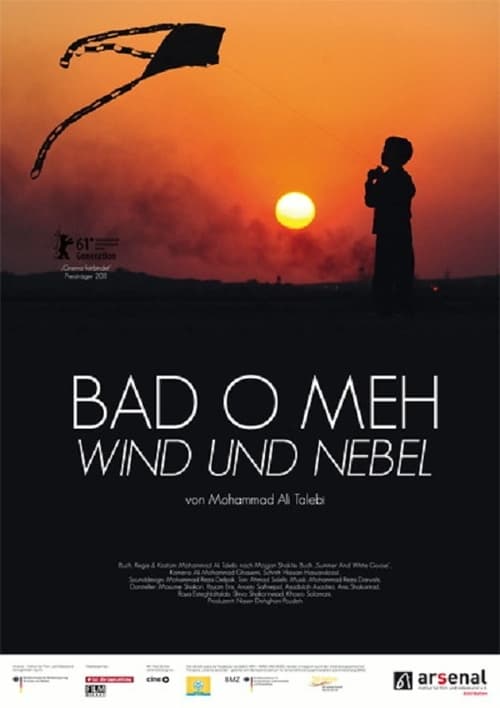
Set in the pastoral mountains of northern Iran, eight-year-old Sahand has been rendered mute by the loss of his mother during the war. He is taken care of by his older sister as he struggles to process his trauma.
Four friends spend a final summer together tangled in a web of sexual obsession, alienation and magic.
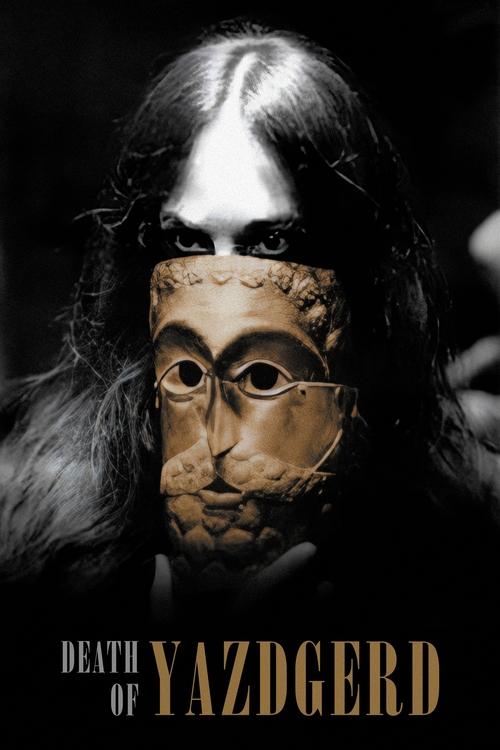
Bahram Beyzai's poetic imagining of the circumstances that led to the death of Yazdgerd III, the last of the Sassanid kings of Iran. His death in 651, during the Arab invasions that brought Islam to this Zoroastrian realm, was mysterious: his corpse was discovered in a mill, but the cause of his death—and the whereabouts of his remains—are unknown.
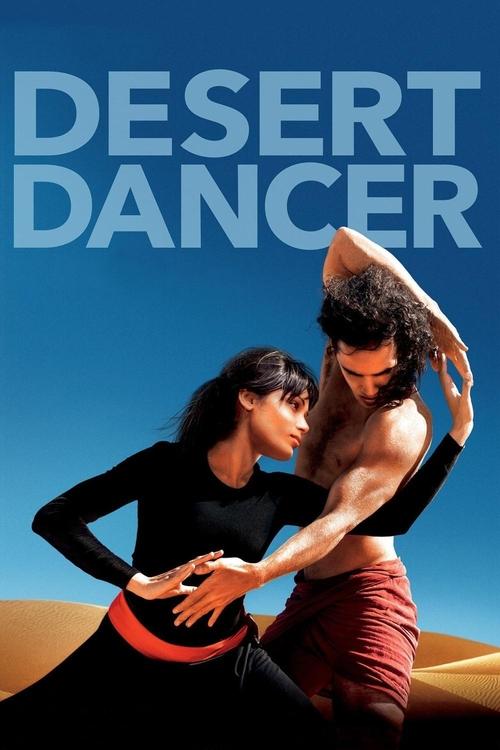
Inspirational true story of Iranian dancer Afshin Ghaffarian, who risked his life for his dream to become a dancer despite a nationwide dancing ban.
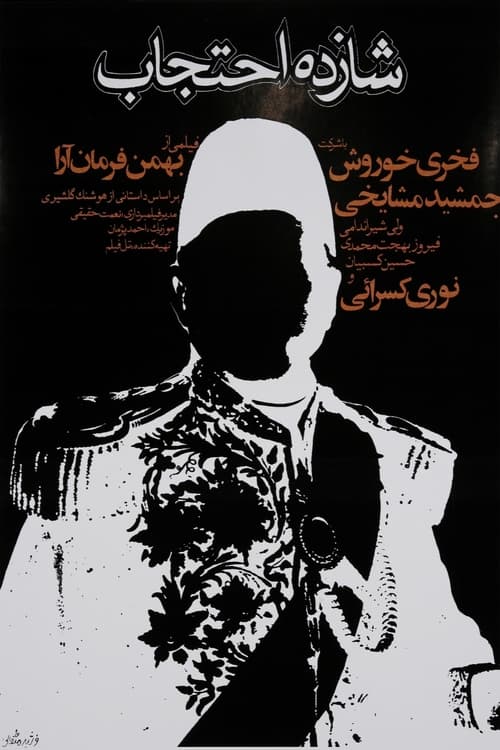
Prince Ehtejab, one of the last remaining heirs of the Qajar royal family, is suffering from tuberculosis, which he knows is fatal. He spends his last days alone in the magnificent rooms of his wintry palace, from where he recollects the glory days of his ancestors as well as days of degradation. Among the latter are the gruesome manner in which his cruel grandfather murdered his mother and brother, and the way that he himself caused the death of his wife.
A Tehran mullah-in-training struggles to take care of his ailing wife and their children in this profoundly moving melodrama. A film of near-universal appeal, it puts a human face on Iran's Muslim clergy with its unusual tale of a man forced by hardship to become a better husband and father. Seyed Reza has just moved with his family to Tehran so he can study the Koran, and he relies on his lovely wife Zahra to look after their two young children and weave the intricate rugs that earn them a living. But one evening Zahra collapses and is taken to the hospital, where she's diagnosed with multiple sclerosis. Scarcely able to process the tragedy, Seyed is left to cook, change diapers, walk his daughter to school and take his toddler son with him to his classes, where peers and elders treat him with scorn. But Seyed eventually learns to cope, his prayers and devotional studies taking on deeper meaning as he attends to the hard nightly work of rug weaving, getting through with a heavy ...
A teenager decides to shut himself off from the world around him after receiving bad news.
In 1980, a teenage boy escapes the unrest in Iran only to face more hostility in America, due to the hostage crisis. Determined to fit in, he joins the school's floundering wrestling team.
THE BRIGHT DAY weaves a story that has its roots in the complexity of Iran’s draconian laws governing capital punishment. A kindergarten teacher hopes to aid the father of one of her young students, a man accused of manslaughter, by convincing each of seven reluctant witnesses to come forward. No one lacks a hidden agenda in this drama in which shades of truth collide with self-interest and the specter of payback. (Gene Siskel Film Center)