Echo (Persian: پژواك) is a 1997 Iranian Drama film Written and directed by Hossein Shahabi.
No Trailers found.
Fariba
Mohammad
Reza
Amir
Nasim
Karim
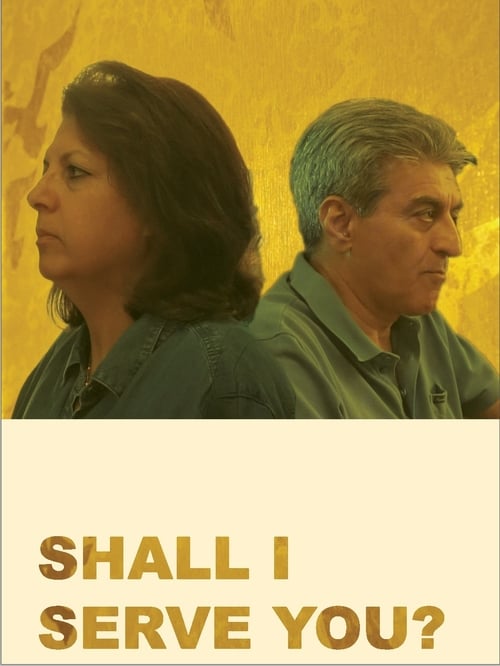
A transparent look into the life of Iranian immigrants in America. Sholeh and her husband Nasser carry out their evening routine in a ritual they are both accustomed to but nonetheless deeply grateful for.
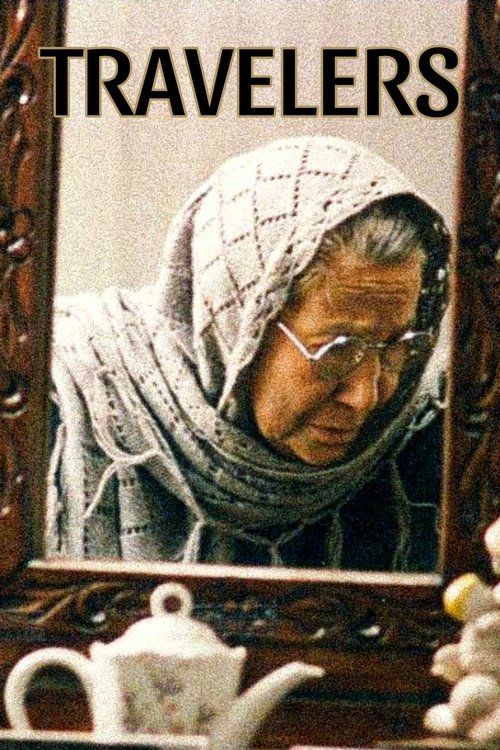
A young woman's wedding becomes a ritual of mourning when her sister and family die in an auto accident on the way to the wedding. The sisters' mother refuses to accept her daughter's death, and in the midst of wedding guests and mourners, including the drivers of the truck that caused the accident, she orders the wedding to take place. But how can the daughter marry in the midst of a wake and without the family's traditional mirror, which the sister was bringing to the service?
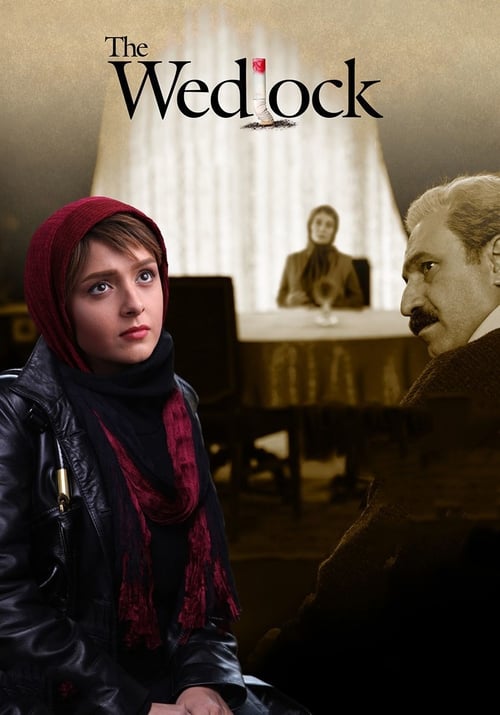
The renovation of a rambling family homestead becomes a metaphor for an unexpected assault on traditional family values when a newly married twenty-something brings her architect husband to draw up the plans for her aunt and uncle’s rehab job.
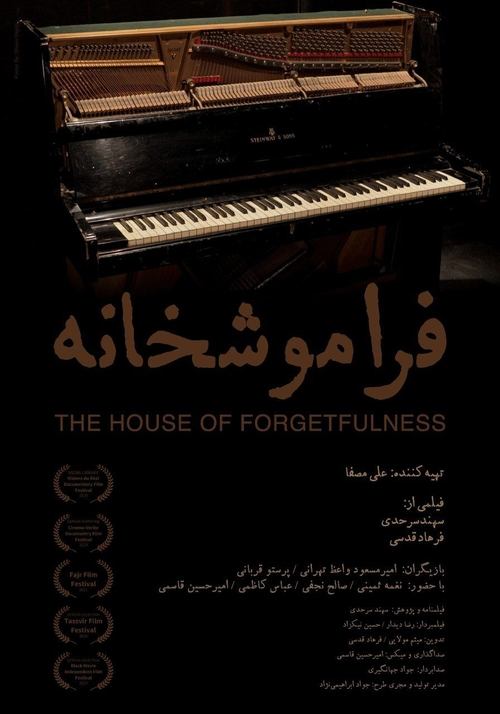
The Journey of a young man who is making a documentary about forgotten narratives around an old piano, takes him through an unknown path towards restoring history, culture and identity of his homeland, Iran, in dusty and abandoned objects.
A series of short films in which the history of the Thai border town of Nabua is re-imagined as an elusive science fiction ghost story rooted in Thai folklore.
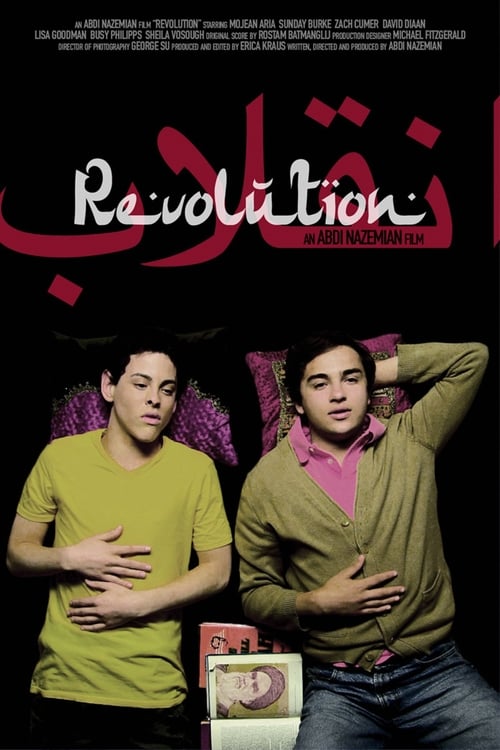
A coming-of-age story about Jack, a 16-year old Iranian boy growing up in 1989 Los Angeles. With the 1979 Iranian Revolution a distant memory, the AIDS movement as a backdrop, and a haunting score by Vampire Weekend's Rostam Batmanglij, Jack learns how to stage his own much smaller revolution within the confines of his traditional family.
When Mahi's son dies in a car accident, Behrouz who has returned to Iran to sell his properties, attends the funeral. Their old romance catches up while Behrouz has planned to marry Sara and go back to Canada with her.
Stories of families who live in the Zanjan city in the 1980s. Family atmosphere of those years of war and its impact on their lives A family tradition in the 1980s they live in the city. Families who affected by the war between Iran and Iraq.
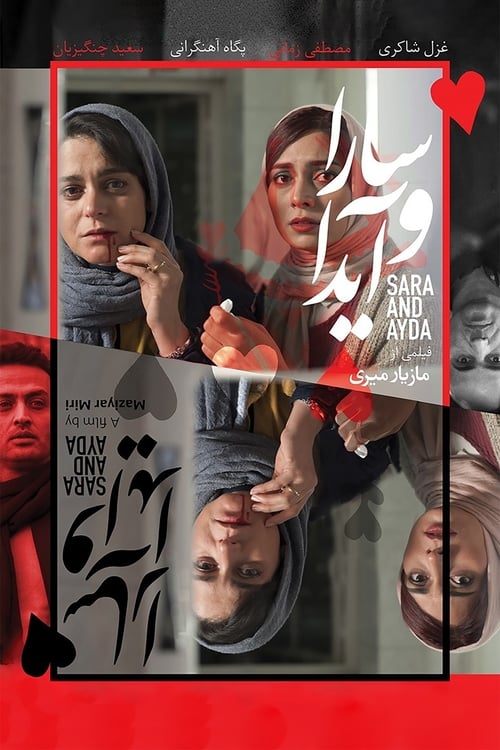
Sarah and Ayda are two close friends, one of whom was notorious and now they must work together to bring their conditions to normal, but they stand to where for their friendship?
Mr Ahmadi gets on an inter-city minibus for a relatively straightfoward trip. The mileu of arrivals and departures brings his journey new meaning.
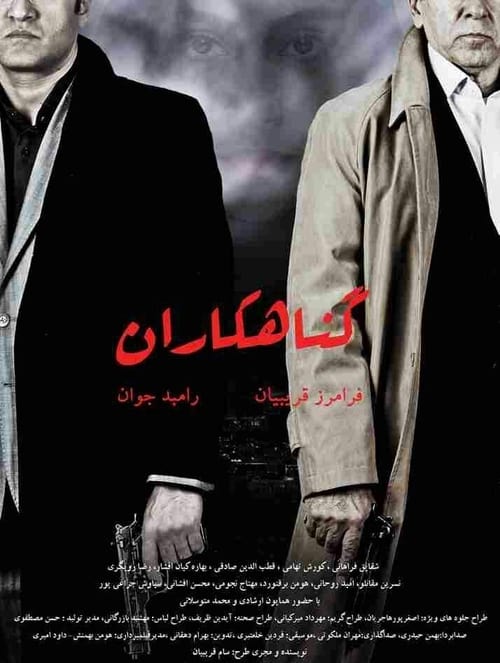
Two homicide detectives investigates the murder of a woman ...
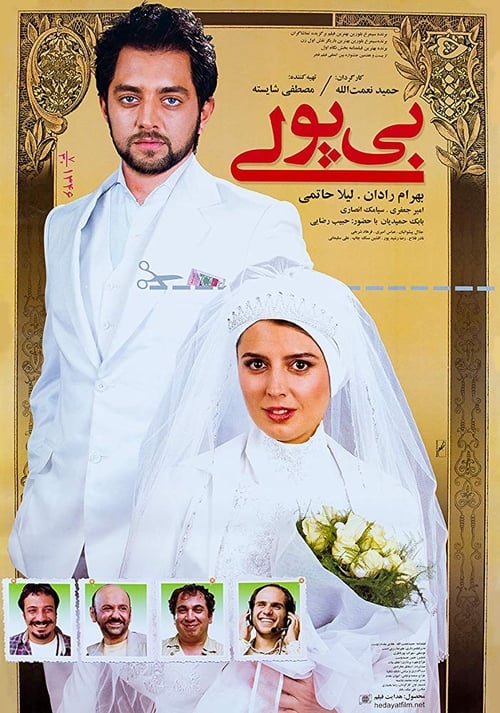
A haughty acclaimed newly married fashion designer named Iraj is shown the door by his boss after the boss's son arrives at Iran to take over his father's company. Iraj reluctant to promulgate the loss of his job, starts using his savings, trying to conceal the truth from his naive wife. Having squandered all the money he had on trivial matters, he tells his wife about being axed & that's when the tables turn on him.
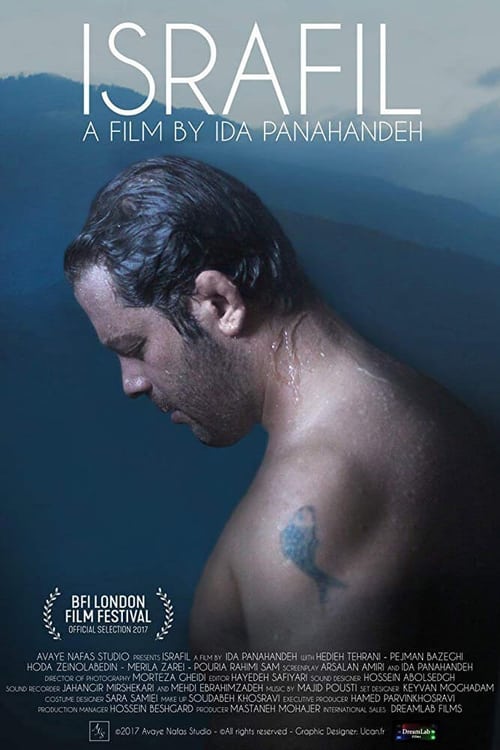
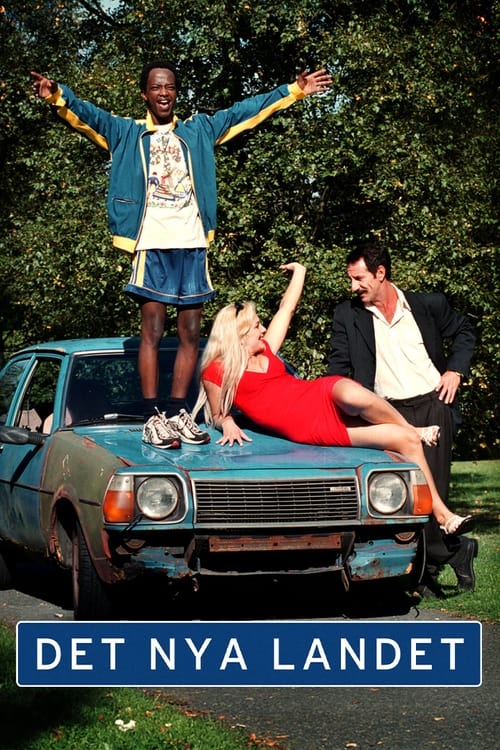
A 15-year-old Somalian boy meets a 40-year-old Iranian man in a refugee camp in Skåne, in the south of Sweden. With the threat of deportation hanging over them, they decide to take their faiths in their own hands and together they go on a journey in the Swedish summer.
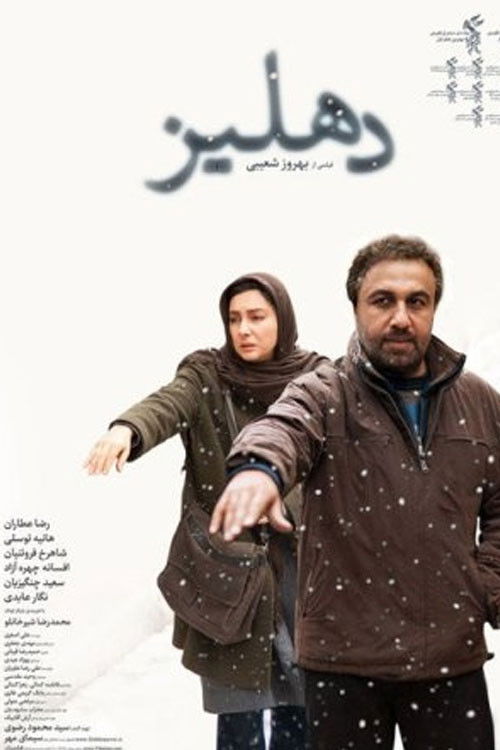
Behzad, who has been in prison for manslaughter for a long time, has a son who does not know about him. When he is introduced, the son goes through a conflict. Then, as a family, they go to the victim's family seeking consent so Reza would be released.
Breath is about an Iranian family who lives in Iran. It tells the story of Bahar, who is living with her father, Ghafour and Grandmother during the 70s.She is living in her childish and surreal world, filled with their dreams and fantasies.
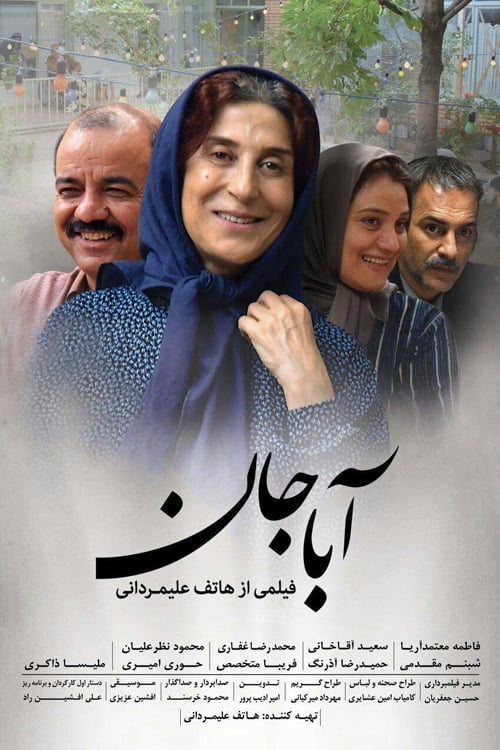
The story is about the world of a small family with familiar dreams and not so remarkable problems. The mother is trying to lead everything to save her family, but small events disarrange all her plans.
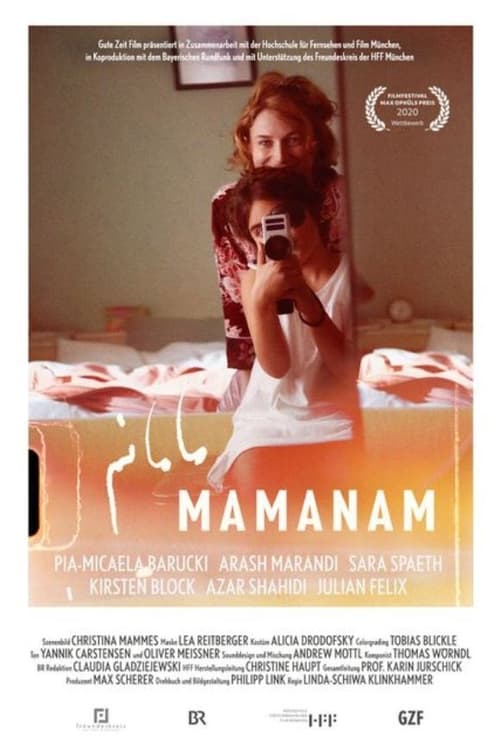
West Germany, Christmas Eve, 1971. 7-year-old Kimîa captures her family’s celebration through the lens of her Super 8 camera. But the mood changes when her mother, Hanna, discovers her husband’s plans.
An urban guerrilla, wounded after a bank robbery, seeks refuge with his childhood friend—only to discover that his friend has fallen into addiction. The guerrilla hides in his house and gradually begins to influence him, helping him regain his courage and strength. Eventually, he entrusts the stolen money to him…
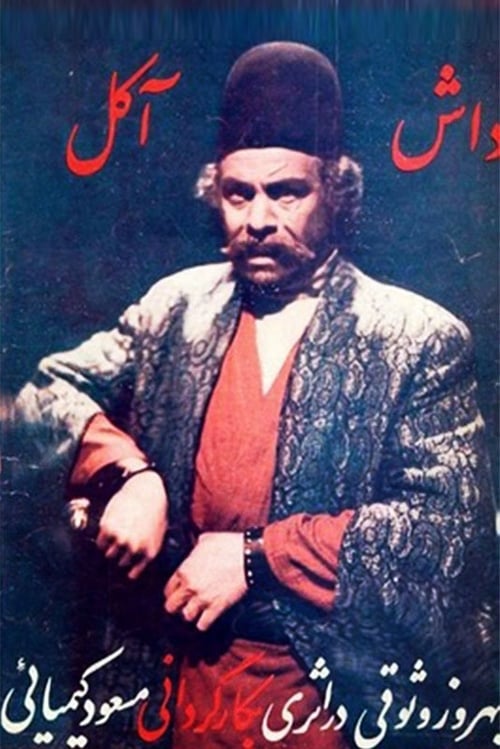
Dash Akol is greatly respected in Shiraz as an honorable man who has lost his family's money through helping his friends. He has an enemy, however, named Kaka Rostam, a mean and spiteful person. Dash Akol, who is in his forties, falls in love with Marjan, daughter of the late Haji Samad, for whose estate he is the executor. But he keeps his love secret. One day a suitor asks for Marjan's hand, and Dash Akol considers it against his code of honor to refuse. On the night of the wedding, Dash Akol hands over responsibility for the family to the bridegroom. As he is leaving the house, however, Kaka Rostam is waiting for him and a fight ensues. Kaka Rostam stabs him in the back, but Dash Akol succeeds in killing him. On his deathbed, Dash Akol sends his parrot to Marjan with the confession of love he has taught it.
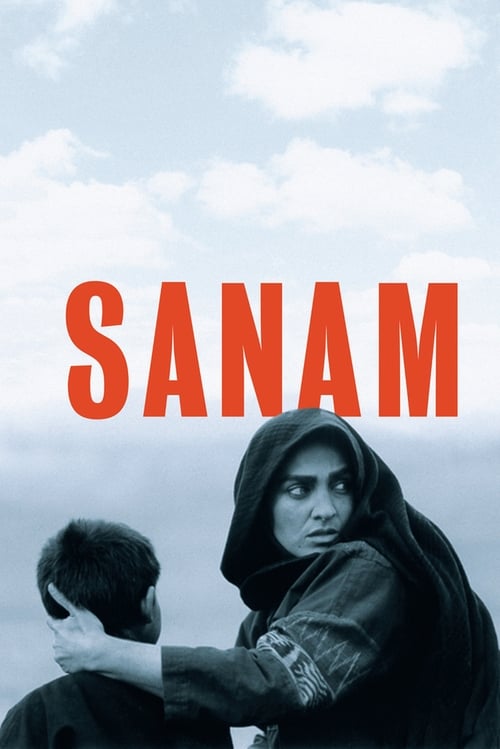
In a small valley, riders pursue and kill a man. A horse thief, so his assassins claim. But for his ten year old son Issa, the disappearance of his father causes an avalanche of problems. With the family name stigmatized, Issa is bullied by the other children in the village. While his mother fights to clear her husbands name, Issa is left to his own devices. But unexpectedly, his solitude gives birth to his freedom, his real passion, horses.