Broth Soup (Persian: آش نذری) is a 2000 Iranian film written and directed by Hossein Shahabi .
No Trailers found.
Saad, a young Moroccan illegal immigrant, is planning a perilous journey to Canada with Reza, his Iranian lover. In Montreal, Saad is called upon to save his beloved from certain deportation to Iran, where inevitable punishment awaits.
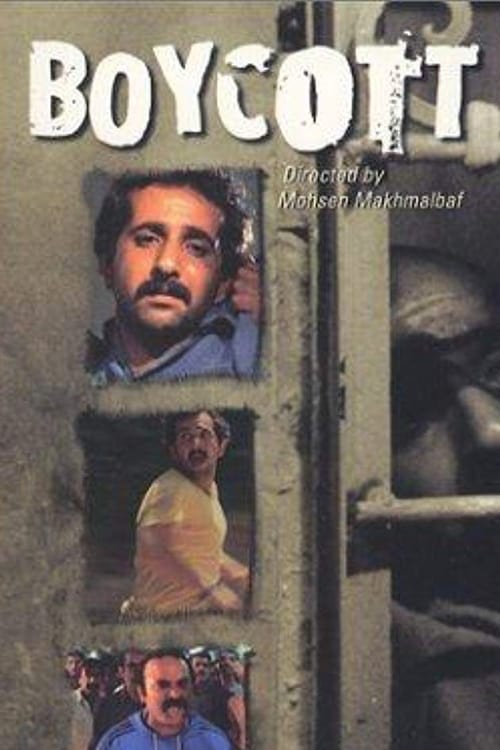
Valeh, a member of a leftist organization, is arrested by the SAVAK and sentenced to death. In prison, he reconsiders his relationships with members of his political cell, and begins to doubt the validity of the ideas for which he is condemned. At the same time, his comrades pressure him to make a sacrifice for their cause, and his beloved wife experiences personal problems and economic hardships.
Mr Ahmadi gets on an inter-city minibus for a relatively straightfoward trip. The mileu of arrivals and departures brings his journey new meaning.
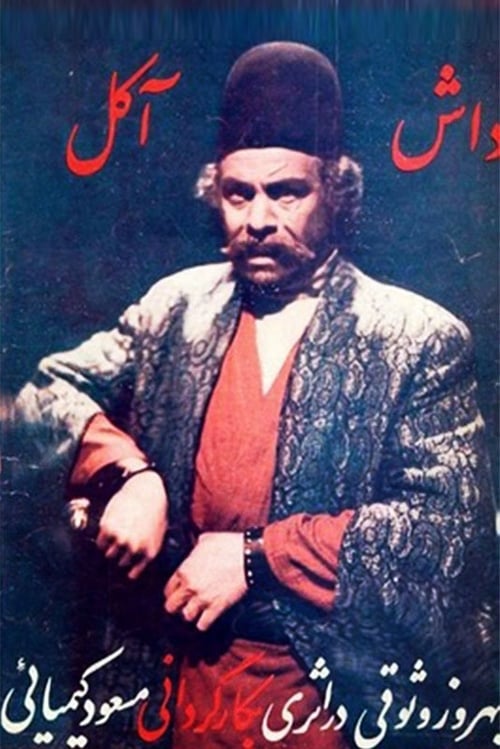
Dash Akol is greatly respected in Shiraz as an honorable man who has lost his family's money through helping his friends. He has an enemy, however, named Kaka Rostam, a mean and spiteful person. Dash Akol, who is in his forties, falls in love with Marjan, daughter of the late Haji Samad, for whose estate he is the executor. But he keeps his love secret. One day a suitor asks for Marjan's hand, and Dash Akol considers it against his code of honor to refuse. On the night of the wedding, Dash Akol hands over responsibility for the family to the bridegroom. As he is leaving the house, however, Kaka Rostam is waiting for him and a fight ensues. Kaka Rostam stabs him in the back, but Dash Akol succeeds in killing him. On his deathbed, Dash Akol sends his parrot to Marjan with the confession of love he has taught it.
An urban guerrilla, wounded after a bank robbery, seeks refuge with his childhood friend—only to discover that his friend has fallen into addiction. The guerrilla hides in his house and gradually begins to influence him, helping him regain his courage and strength. Eventually, he entrusts the stolen money to him…
A teenager decides to shut himself off from the world around him after receiving bad news.
The renovation of a rambling family homestead becomes a metaphor for an unexpected assault on traditional family values when a newly married twenty-something brings her architect husband to draw up the plans for her aunt and uncle’s rehab job.
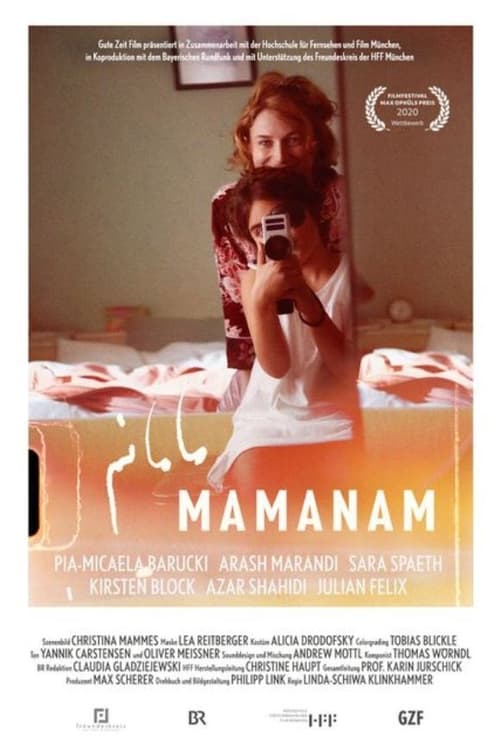
West Germany, Christmas Eve, 1971. 7-year-old Kimîa captures her family’s celebration through the lens of her Super 8 camera. But the mood changes when her mother, Hanna, discovers her husband’s plans.
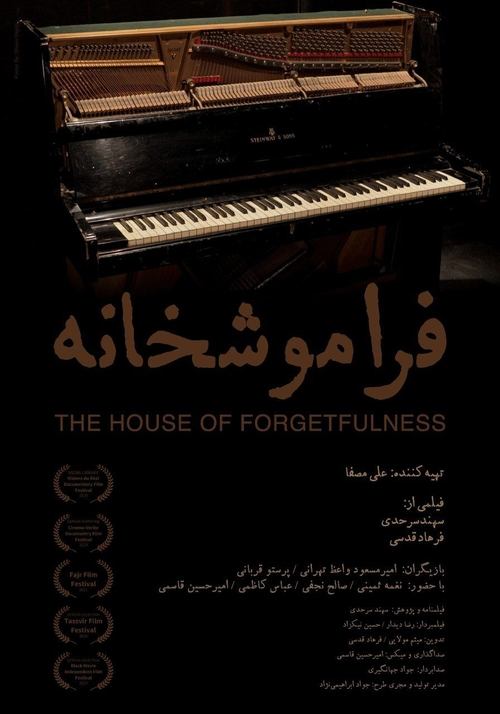
The Journey of a young man who is making a documentary about forgotten narratives around an old piano, takes him through an unknown path towards restoring history, culture and identity of his homeland, Iran, in dusty and abandoned objects.
In 1980, a teenage boy escapes the unrest in Iran only to face more hostility in America, due to the hostage crisis. Determined to fit in, he joins the school's floundering wrestling team.
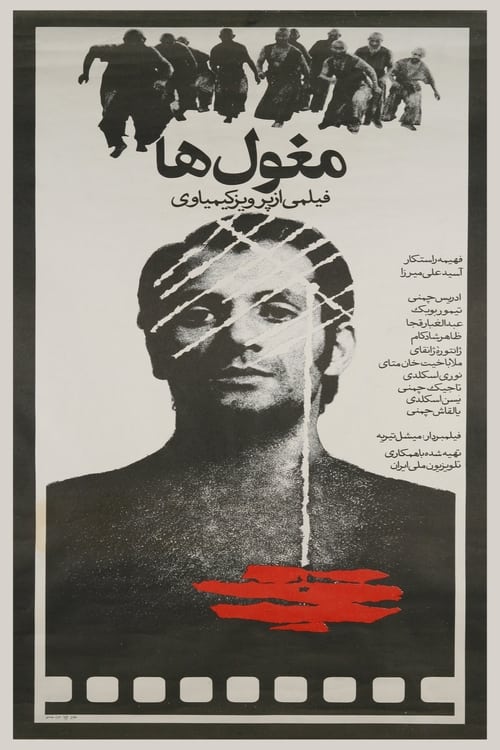
A director of a television series on the history of cinema, who has been grappling with the screenplay of his first feature film, receives an assignment to oversee the installation of a television relay station in a remote region of Zahedan province. He has already hired Turkmen tribespeople for his film and selected his filming location. Meanwhile his wife, who is working on her Ph.D. dissertation about the Mongol invasion of Iran, attempts to dissuade him from accepting the assignment. One night, while working on his history of the cinema series, the director fantasizes a diegetic world that consists of clever juxtapositions of his different worlds: the history of cinema, the history of the mongol invasion, his own film idea and his imminent assignment to the desert.
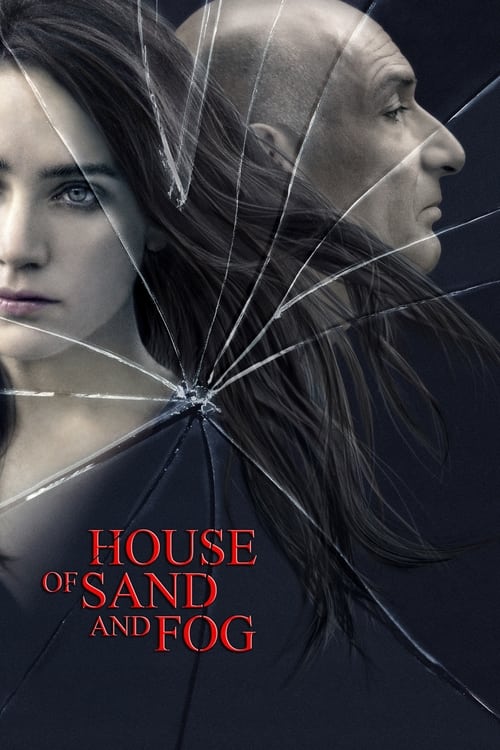
Behrani, an Iranian immigrant buys a California bungalow, thinking he can fix it up, sell it again, and make enough money to send his son to college. However, the house is the legal property of former drug addict Kathy. After losing the house in an unfair legal dispute with the county, she is left with nowhere to go. Wanting her house back, she hires a lawyer and befriends a police officer. Neither Kathy nor Behrani have broken the law, so they find themselves involved in a difficult moral dilemma.
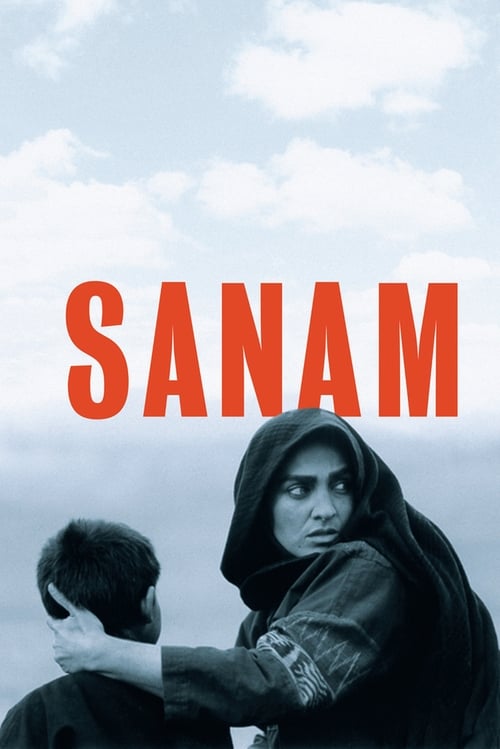
In a small valley, riders pursue and kill a man. A horse thief, so his assassins claim. But for his ten year old son Issa, the disappearance of his father causes an avalanche of problems. With the family name stigmatized, Issa is bullied by the other children in the village. While his mother fights to clear her husbands name, Issa is left to his own devices. But unexpectedly, his solitude gives birth to his freedom, his real passion, horses.
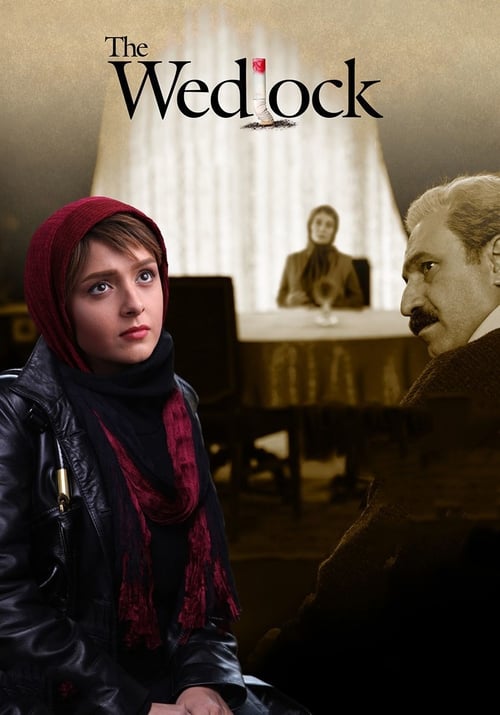
A young woman's wedding becomes a ritual of mourning when her sister and family die in an auto accident on the way to the wedding. The sisters' mother refuses to accept her daughter's death, and in the midst of wedding guests and mourners, including the drivers of the truck that caused the accident, she orders the wedding to take place. But how can the daughter marry in the midst of a wake and without the family's traditional mirror, which the sister was bringing to the service?
THE BRIGHT DAY weaves a story that has its roots in the complexity of Iran’s draconian laws governing capital punishment. A kindergarten teacher hopes to aid the father of one of her young students, a man accused of manslaughter, by convincing each of seven reluctant witnesses to come forward. No one lacks a hidden agenda in this drama in which shades of truth collide with self-interest and the specter of payback. (Gene Siskel Film Center)
Set in the pastoral mountains of northern Iran, eight-year-old Sahand has been rendered mute by the loss of his mother during the war. He is taken care of by his older sister as he struggles to process his trauma.
Breath is about an Iranian family who lives in Iran. It tells the story of Bahar, who is living with her father, Ghafour and Grandmother during the 70s.She is living in her childish and surreal world, filled with their dreams and fantasies.
The story is about the world of a small family with familiar dreams and not so remarkable problems. The mother is trying to lead everything to save her family, but small events disarrange all her plans.
Behzad, who has been in prison for manslaughter for a long time, has a son who does not know about him. When he is introduced, the son goes through a conflict. Then, as a family, they go to the victim's family seeking consent so Reza would be released.
A series of short films in which the history of the Thai border town of Nabua is re-imagined as an elusive science fiction ghost story rooted in Thai folklore.
Ali
Rahman
Hashem
Nader
Sadegh
Ahmad