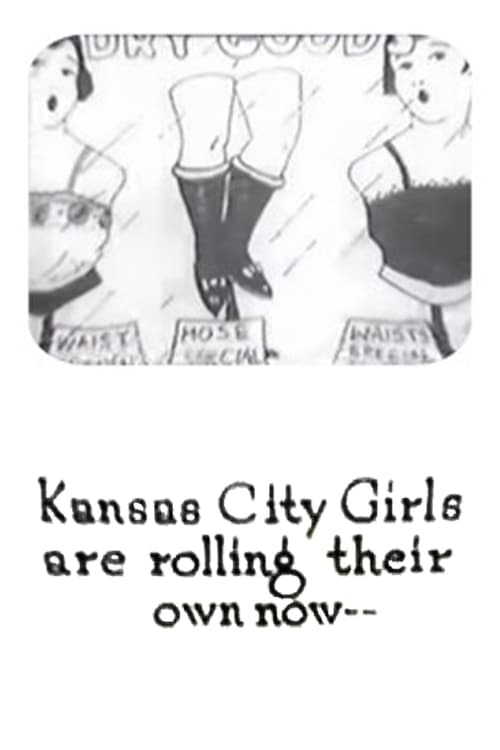
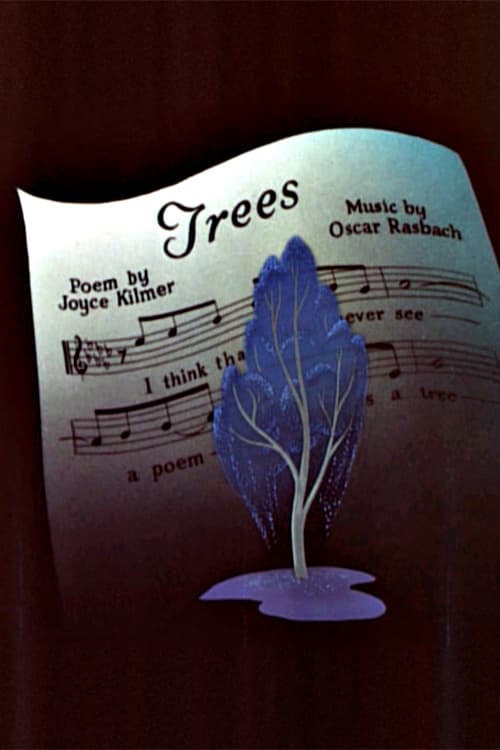
This film is not really animated, it just consists of Walt drawing a single frame. Part of the Newman Laugh-O-Grams Series.
No Trailers found.
Cartoon short about Quark the troll, this time as a dragonslayer by chance.
Tells the beginning of the story of Quark: His birth and how he is thrown out by his parents due to his malicious behaviour.
A film about a couple moving into their first home.
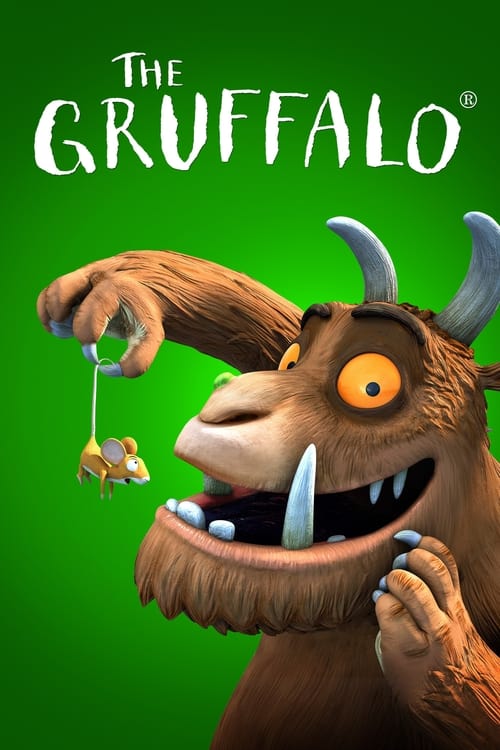
The magical tale of a mouse who sets foot on a woodland adventure in search of a nut. Encountering predators who all wish to eat him - Fox, Owl and Snake - the brave mouse creates a terrifying, imaginary monster to frighten them away. But what will the mouse do when he meets this frightful monster for real?
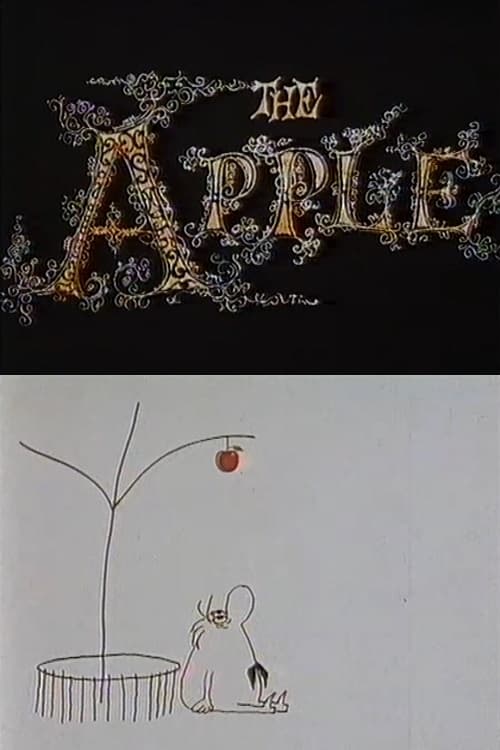
A man's repeated attempts to retrieve an apple off a high tree branch all prove fruitless. What does he want the apple for? That would be telling.
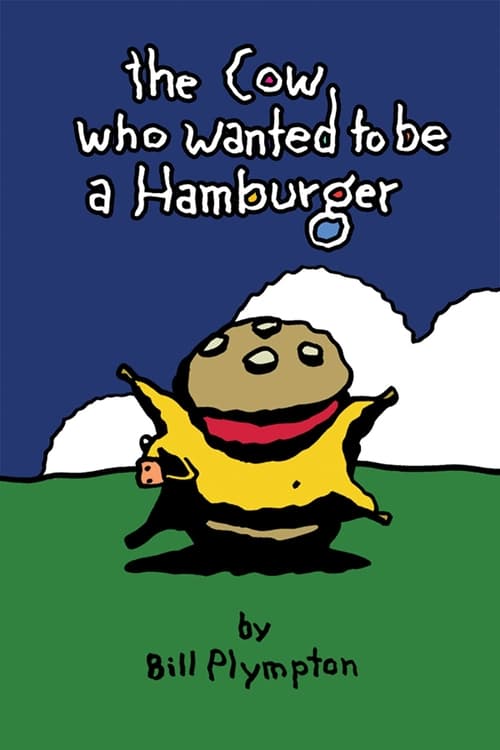
A children's fable about the power of advertising, the meaning of life and ultimately the test of a mother's love. Preserved by the Academy Film Archive in 2016.
A Walt Disney short film.
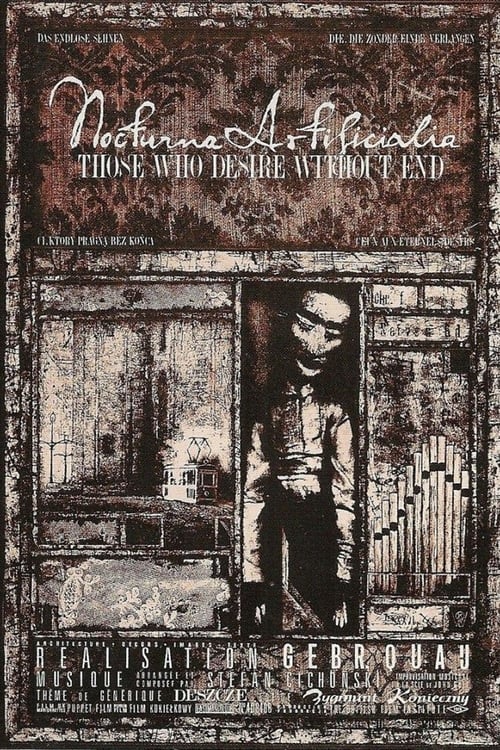
Enigmatic, stop-motion, animated story of a man's day.
In Prague, a professorial puppet, with metal pincers for hands and an open book for a hat, takes a boy as a pupil. First, the professor empties fluff and toys from the child's head, leaving him without the top of his head for most of the film. The professor then teaches the lad about illusions and perspectives, the pursuit of an object through exploring a bank of drawers, divining an object, and the migration of forms. The child then brings out a box with a tarantula in it: the professor puts his "hands" into the box and describes what he feels. The boy receives a final lesson about animation and film making; then the professor gives him a brain and his own open-book hat.
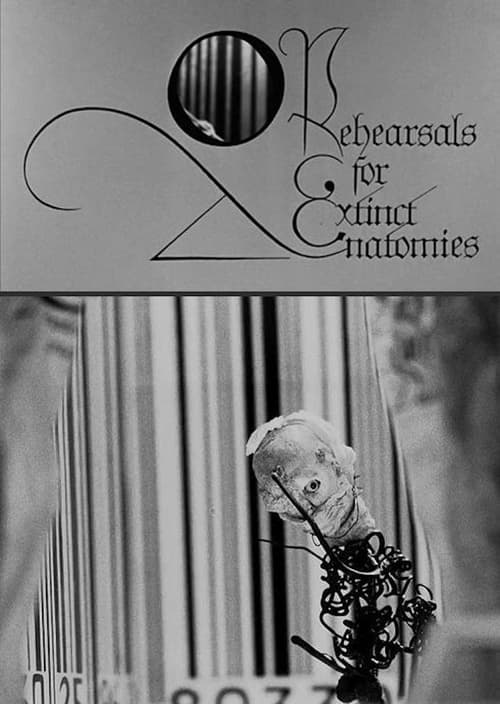
Stop-motion animated short film in which, among other things, a man made of wire looks malevolent.
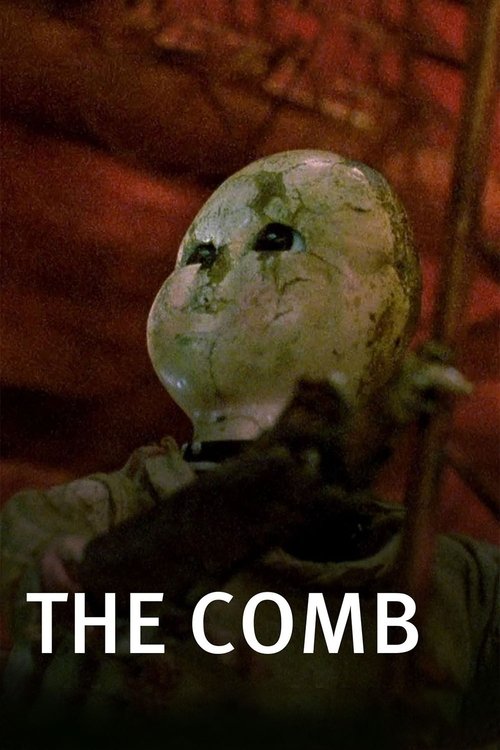
A porcelain doll’s explorations of a dreamer’s imagination.
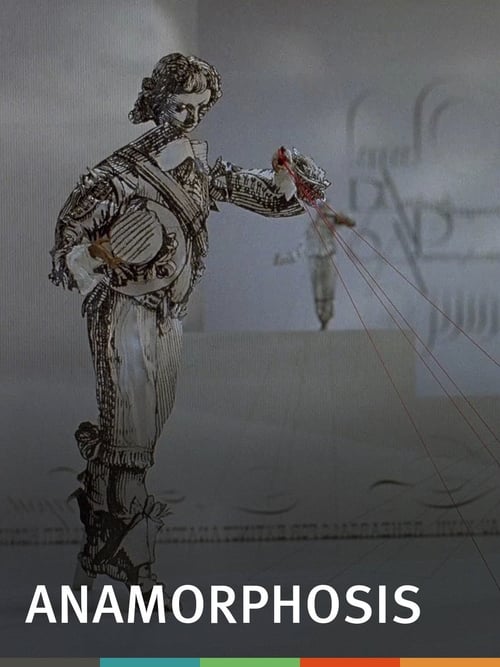
The Quays' interest in esoteric illusions finds its perfect realization in this fascinating animated lecture on the art of anamorphosis. This artistic technique, often used in the 16th- and 17th centuries, utilizes a method of visual distortion with which paintings, when viewed from different angles, mischievously revealed hidden symbols.
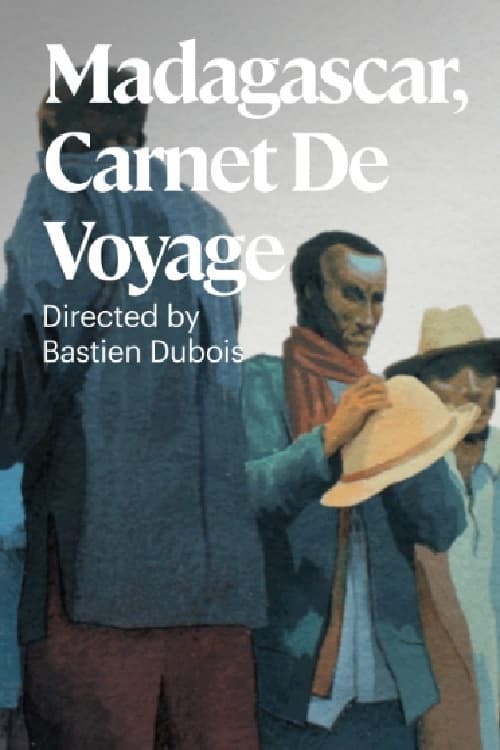
Filmed like the travel journey of a Western traveler in search of Madagascar's customs. The pages turn, the drawings come to life, and the luxuriant landscapes of Madagascar appear one after another.
This short little cartoon is based on the popular song by Jack Rollins and Steve Nelson, first recorded in 1950 by Gene Autry as his followup to Rudolph the Red Nosed Reindeer.
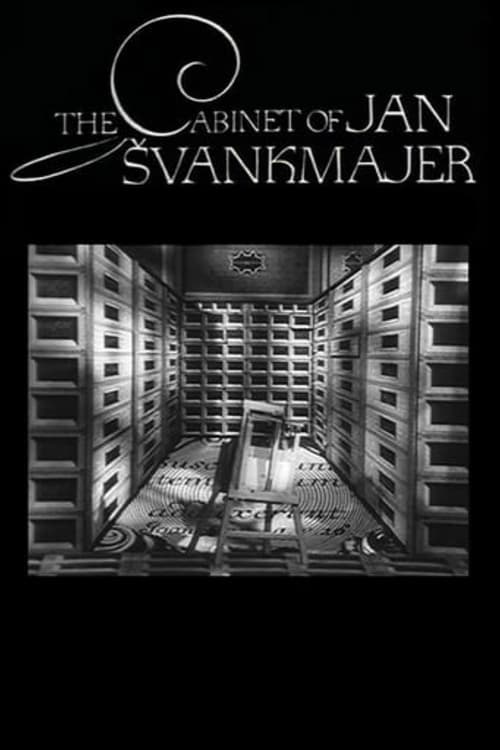
Near an extraordinary chair with many legs, a hand is visible gripping an edge. The hand is weathered, the fingers cracked and scarred. The end of a rifle appears and a shot fires. The bullet is visible whirling through space; it caroms and then goes through a pine cone. A long spoon emerges from a drawer in the chair and stretches toward the hand. The bullet is on the spoon. Later, the hand holds the bullet between two fingers; another shot is fired.
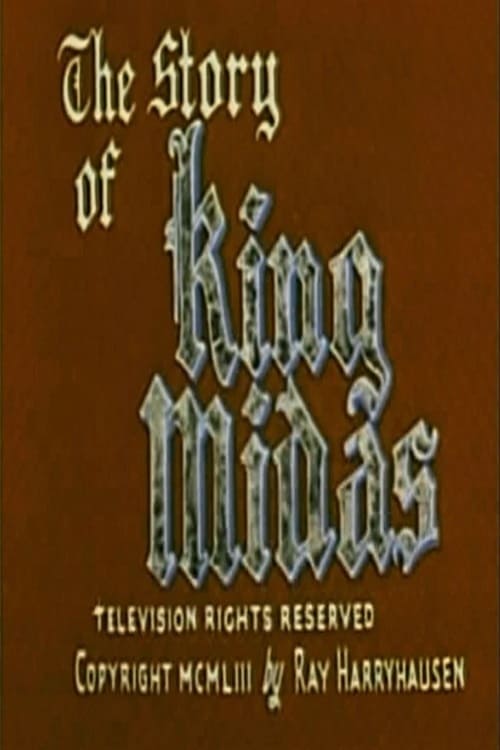
A greedy King Midas is visited one day by a mysterious visitor who grants him the ability to turn all things he touches to gold. He learns his lesson when the food he tries to eat and his own daughter are turned to gold as well. The visitor reappears and offers him the opportunity to return to his old self, which he gladly does. Preserved by the Academy Film Archive in 2004.
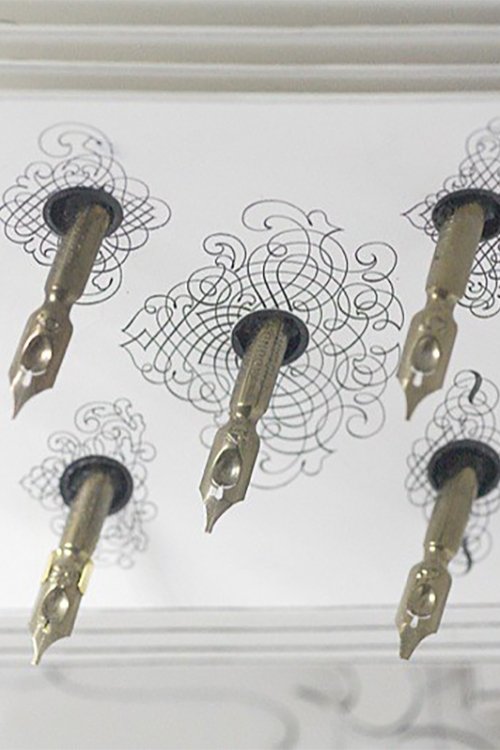
With harpsichord music in the background, a dandy, seated at a table, plucks a quill pen from a ceiling full of them above him, dips it in ink, thinks, then draws a straight line down the page in front of him, out of which sprout six more quill pens, each held by a hand. The calligrapher moves all the hands and pens in unison, drawing an elaborate feathered wing, which comes to live, peeling off the page, and, now a quill pen, slips in to his hand. He tucks it behind his left ear.
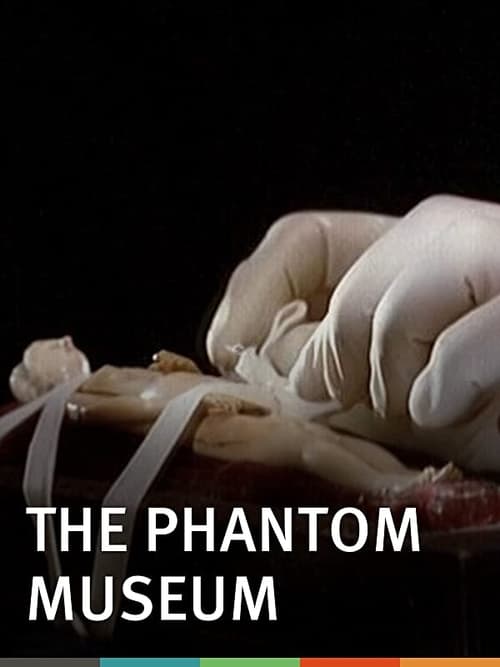
A display at the strange and wonderful artifacts in a collection of medical curiosities.
No overview available.
“When he shot Une seconde (4 min., 20 sec.), a video animation without computer graphics, Richard Angers tried to adapt Norman McLaren’s animation techniques to video shooting and editing. A long-term solitary task, in which images are moved by hand, centimetre by centimetre, in which one plays with the number of images per second, and in which the ± pure quest for effects is more important than the message”. BLANCHARD, Louise. “Les vidéastes sont au ‘rendez-vous’”, Le Journal de Montréal, Montreal (9 February 1992), p. 38.
No Cast found.