Enemy War-Makers Unmasked!
Documentary Feature winner "Design for Death" (1947) examines Japanese culture and how it led to Japan's role in WWII.
Narrator
No overview available.
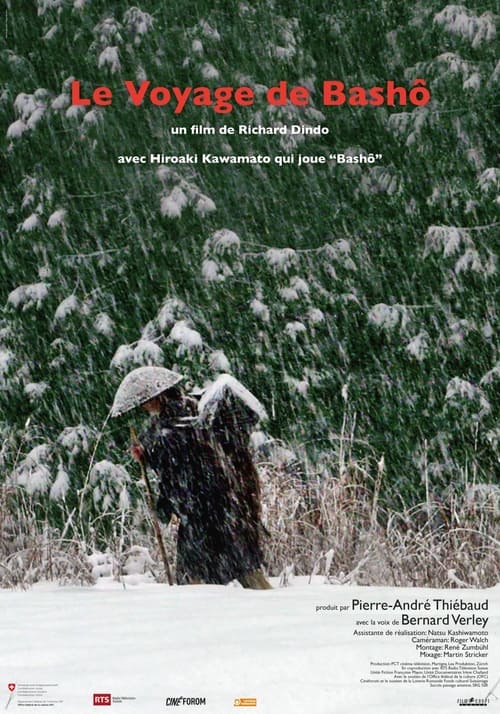
A fictionalised documentary about the great Japanese poet Bashô (1644–1694), the spiritual father of haiku poetry. A monk, portraying the poet, journeys through Japan, following Bashô's journal and writing many of his haikus. A ruminant, poetic, Zen Buddhist observation of nature – a return to the lost paradise of unspoilt nature.
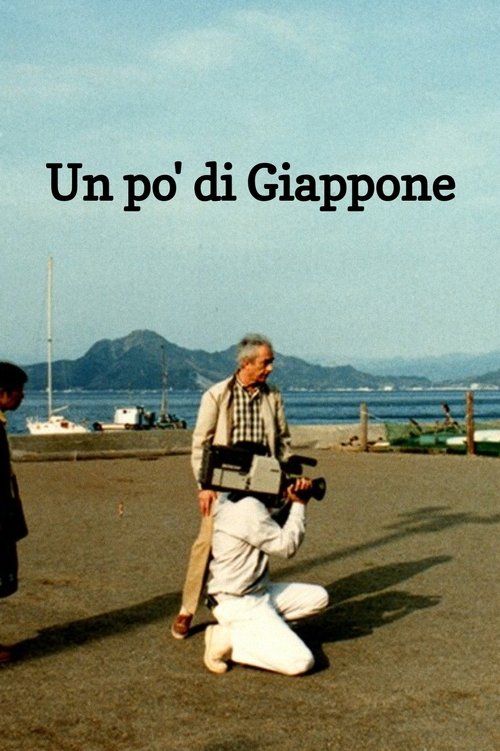
In the 1980s, Michelangelo Antonioni traveled with his partner, actress and filmmaker Enrica Fico Antonioni, to Japan with the intent of creating a documentary, Un viaggio in Giappone, that would chronicle “the social transformations undergoing in Japan through the experimental use of new film technologies,” specifically the Betacam. Un po' di Giappone is the shortened version of the documentary.
In August 2020, Olympic artistic swimmer Ona Carbonell became a first time mother, an experience that reshaped her life overnight.
Documentary examining the steel industry in Youngstown, Ohio during World War II. Focuses on steel production, including the smelting process, slagging and the blast furnace. Workers reflect upon their lives and the importance of their jobs. Emphasizes the importance of teamwork in the mills and on the plant's labor relations committee to help win the war. Preserved by the Academy Film Archive in 2012.
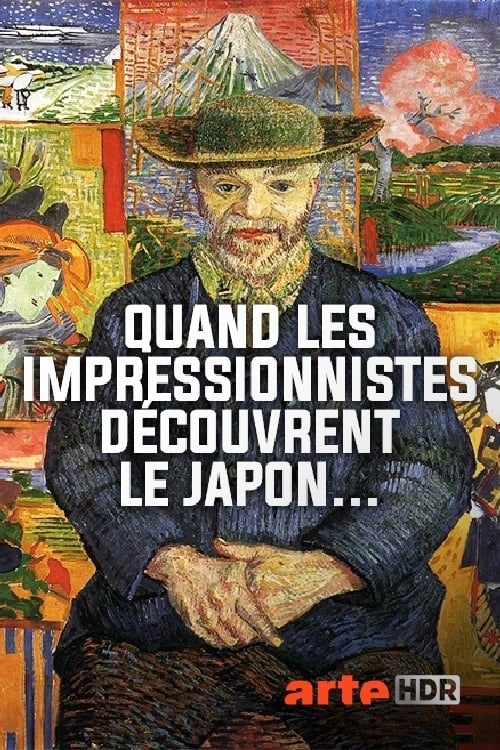
From 1853, Japan opens up to the West. Numerous works of art and woodcuts find their way to Europe. The Impressionists and later the European artistic avant-garde succumb to this one passion: Japonism. 150 years after the beginning of the Meiji period in 1868, the film traces the connections between Japan and the Western world.
An independently produced documentary about growing up as a blind youth in 1960's Japan. It focuses on a group of elementary level students being taught by Mr. Kawai at the Zoshigaya Branch of Tokyo Educational University. Filmed over 12 years, the documentary tracks these student's lives up through their young adulthood. It follows the journey of one student in particular, Kiyoshi Hasegawa, a young boy who eventually learns a passion for music and wants to become a recording artist. Expanded from director Hideo Hamada's documentary short "But We Can Gaze!"
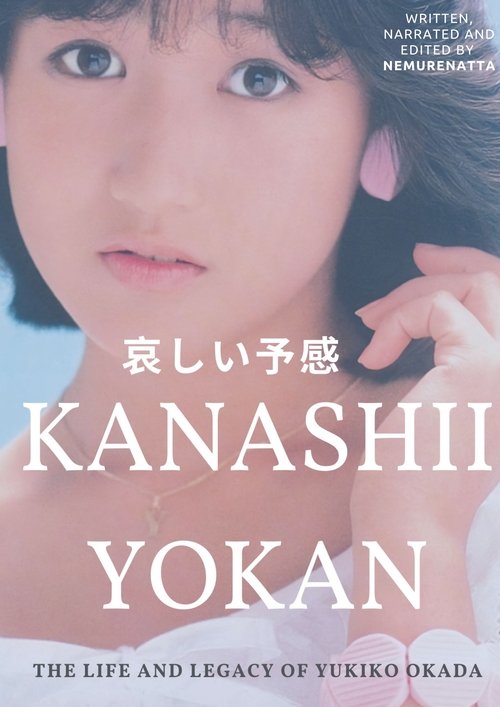
Thirty years ago, idol Okada Yukiko jumped off the Sun Music agency building in a desperate attempt to take her own life. Unfortunately, she was successful. Outside of Japan, not much is known about Yukko, aside from her music and her death. In this documentary series, we will document her short life in its entirety, beginning from her birth and ending with her legacy beyond death.
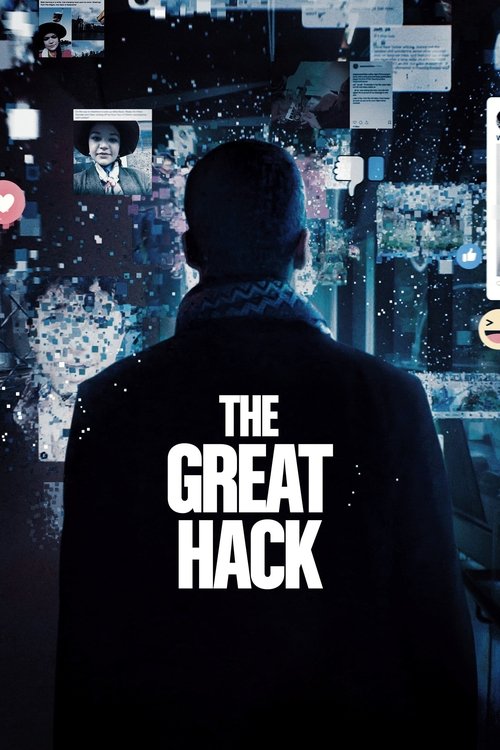
Data—arguably the world’s most valuable asset—is being weaponized to wage cultural and political wars. The dark world of data exploitation is uncovered through the unpredictable, personal journeys of players on different sides of the explosive Cambridge Analytica/Facebook data story.
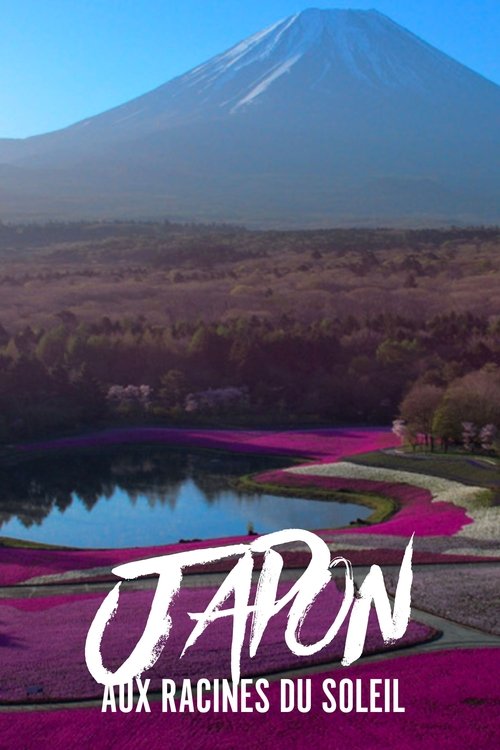
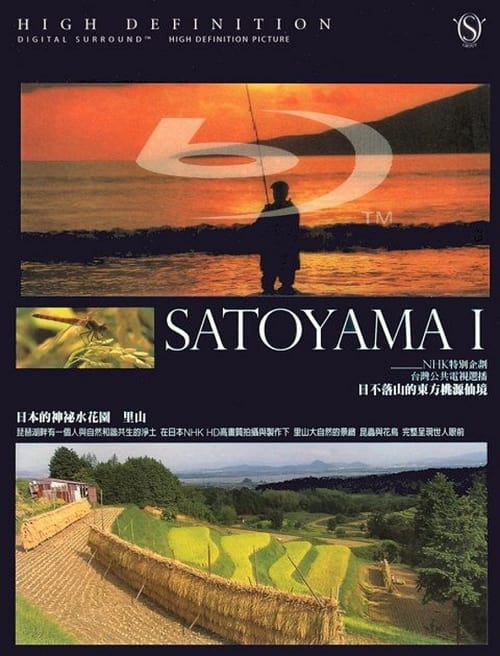
Japan is a country of steep mountains surrounding wide flat plains where people have lived for thousands of years. On the largest plain lies the country's largest freshwater lake, Lake Biwa, which is not at all far from Japan's ancient, capital city of Kyoto. The slopes that stretch down towards the lake have been terraced. Here rice seedlings need shallow water in which to grow, and the neat, meticulously constructed paddy fields provide just this. Some of them have been cultivated continuously for thousands of years. Alongside them stand patches of woodland where, for centuries, the people have found their fuel and their food. This is a land that has been touched by people, yet the people tread lightly upon it. It's a land that has been ruled for centuries by the demands of the rice, yet it's still dominated by the rhythmic cycle of the seasons. Here is a landscape that the Japanese people hold so close to their hearts that they have a special word for it: Satoyama.
A filmmaker plays with diary-docu and fiction as his camera joins his ventures into a phone dating club. Bored to death, hormones running, and desperately wanting to talk to someone his own age (preferably a girl), he walks into a local phone dating club. Can he hook up with someone? Borrowing the form of a diary-movie, the director unfurls an unpredictable and imaginative look into his own persona. 8mm experimental film by Murakami Kenji, the film that made his name.
Short documentary about the aftermath of the Fukushima nuclear disaster.
On September 6, 2017, the Catalan regional government called an independence referendum. This propagandistic documentary by the Catalan government collects the experiences of an illegal referendum that led to the virtual independence of Spanish territory and the biggest constitutional crisis in Spain since 1981
Imagine a world where video games reign supreme. Five story buildings filled with arcade cabinets, old and new, inundate the streets. Welcome to downtown Tokyo, Japan. A place where the arcades of the 80s and 90s not only still exist, but thrive and have evolved into an elaborate, unmatchable gaming experience. 100 Yen is a historical documentary about the evolution of arcades and the culture surrounding it - from the birth of arcades to the game centers that still thrive today. With a predominant focus on the three major arcade genres, Shooting games, Fighting games and Rhythm games, 100 Yen explores the culture and evolution of arcades through the past and present. Featuring interviews with industry professionals, game programmers and designers, casual gamers and gaming icons from Japan, Canada, and the USA.
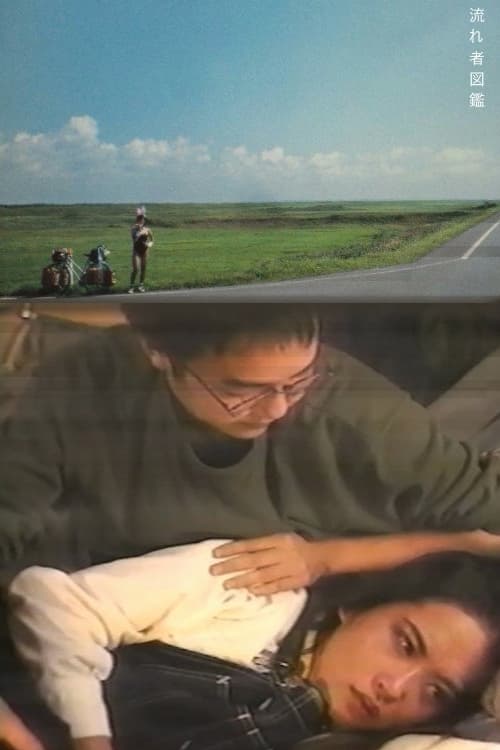
Nagaremono zukan is a documentary video, release from V&R Planning (AV). "Flower Picture Book" is the second work in the bicycle trilogy after Yumika. A very private sexual movie with Tomoko Matsunashi, right after Hirano broke up with Yumika. The violence of the camera is clearly increasing. If Yumika was the light, Nagaremono zukan is the shadow. There are two version of Nagaremono zukan, the censored one and the original hardcore one, with additional scenes, better quality and longer runtime.
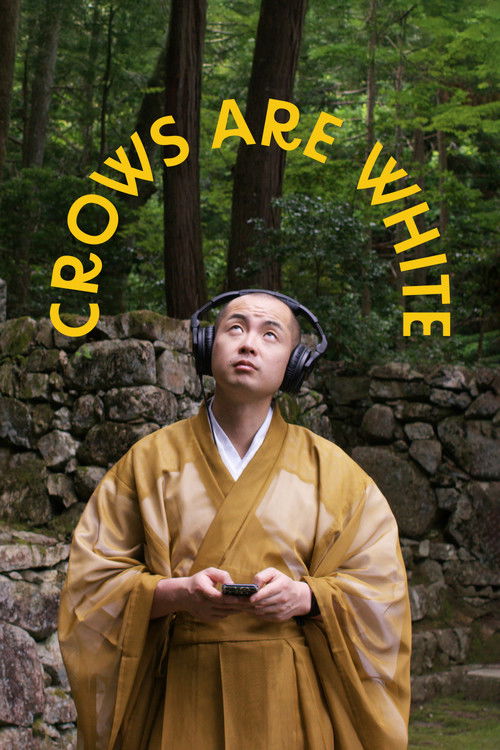
After decades of living a secret life, a filmmaker travels to a strict Japanese monastery in search of guidance but the only monk willing to help him prefers ice cream and heavy metal over meditation. CROWS ARE WHITE is an exploration of truth, faith and love, from the top of a mountain to the bottom of a sundae.
No Trailers found.