No Cast found.
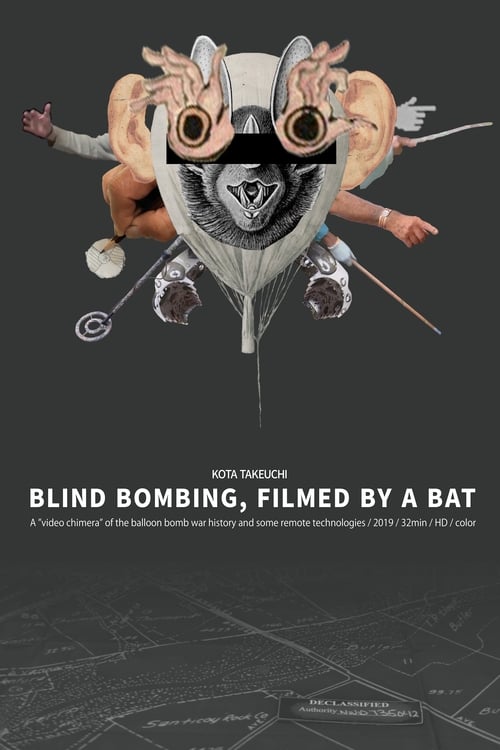
During WWII, the Japanese army developed experimental balloons able to cross the Pacific Ocean and reach the West Coast of North America in 3-6 days. Armed with explosives, they were given the code name fu-go, or fusen bakudan (“fire balloons,” or balloon bombs) in an attempt to instill a culture of fear like that caused by the far more deadly American firebombing of Japanese cities. The U.S. responded by enacting a censorship campaign, requesting newspapers avoid reports of fu-go landings or sightings. Living near the remains of a fu-go launch site in Fukushima Prefecture, Takeuchi mimics their flight take-off using a drone camera, and, traveling to North America, follows their arrival across the shoreline and rural landscapes, using a bat’s echolocation as narrative device to place fu-go and Fukushima as echos across history.
Explores how Hitler’s personal library provides a look into his mind and how it significantly informed his worldview.
A British documentary on tunneling if a building falls in ruins.
About the war effort in the West Indies.
During the Nuremberg Trials, the victors of the Second World War judge those responsible for the Third Reich.
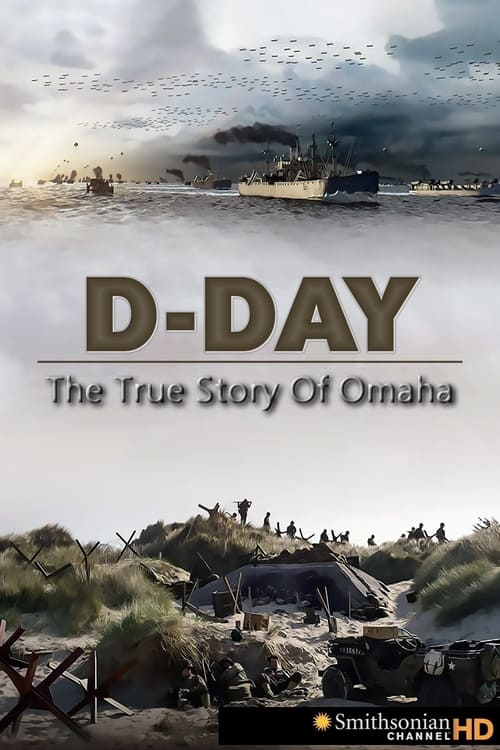
Here's the full true story of "Bloody Omaha". Thousands of soldiers were killed as soon as they stepped onto the beach, or even into the water as they waded to shore.
No overview available.
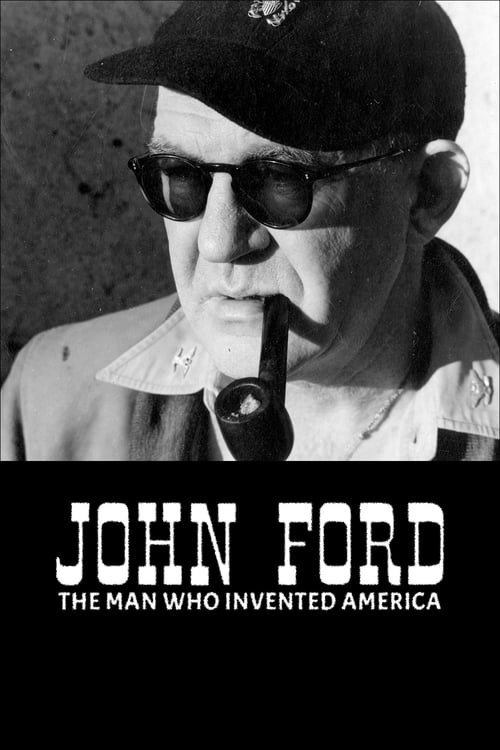
Over a 50-year career and more than a hundred movies, filmmaker John Ford (1894-1973) forged the legend of the Far West. By giving a face to the underprivileged, from humble cowboys to persecuted minorities, he revealed like no one else the great social divisions that existed and still exist in the United States. More than four decades after his death, what remains of his legacy and humanistic values in the memory of those who love his work?
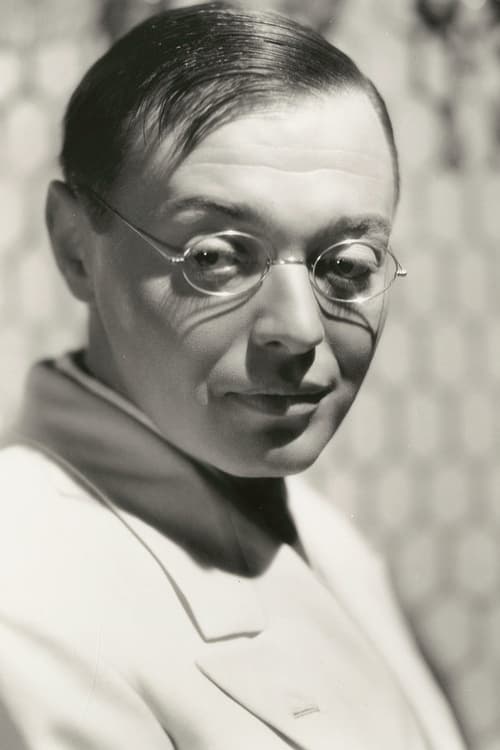
Featurette about the demise, during the early 1940s, of the once-popular Mr. Moto B-films series that starred Peter Lorre.
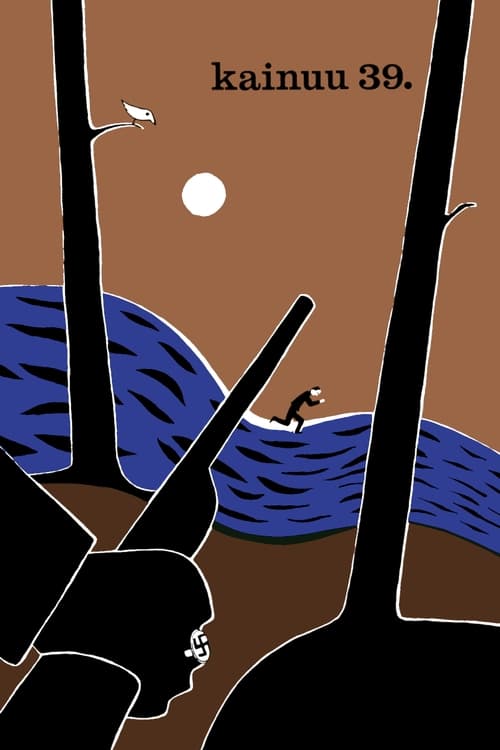
Docudrama about the Soviet occupation of a Finnish village in the fall before the Winter War.
"The United States and Britain are preparing to wage war on Iraq, for its undisclosed weapons of mass destruction. Israel's nuclear, biological and chemical capabilities have remained un-inspected. Meanwhile Mordechai Vanunu has been imprisoned for 16 years for exposing Israel's secret nuclear bomb factory to the world. Vanunu is seen as a traitor in his own country. He has been abandoned by most of his family and has spent 11 years in solitary confinement. Today only an American couple, who have legally adopted him, are among the few visitors he is permitted. This film is the story of the bomb, Vanunu and Israel's wall of silence."
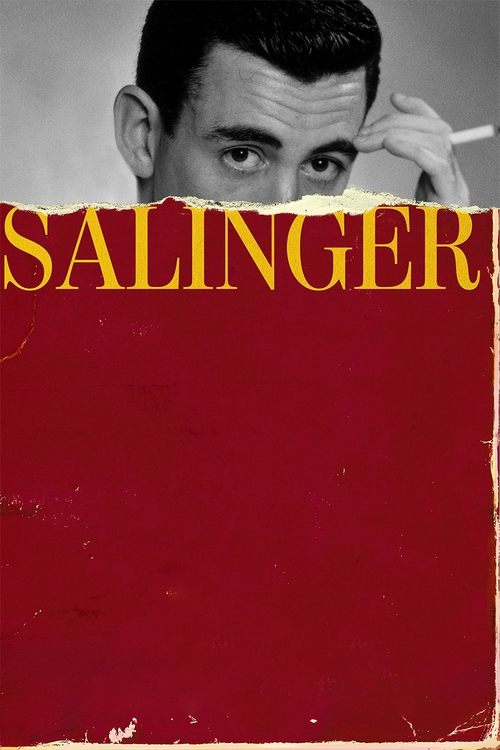
An in-depth investigation into the private world of the American writer J. D. Salinger (1919-2010), who lived most of his life behind the impenetrable wall of a self-imposed seclusion: how his dramatic experiences during World War II influenced his life and work, his relationships with very young women, his obsessive writing methods, his many literary secrets.
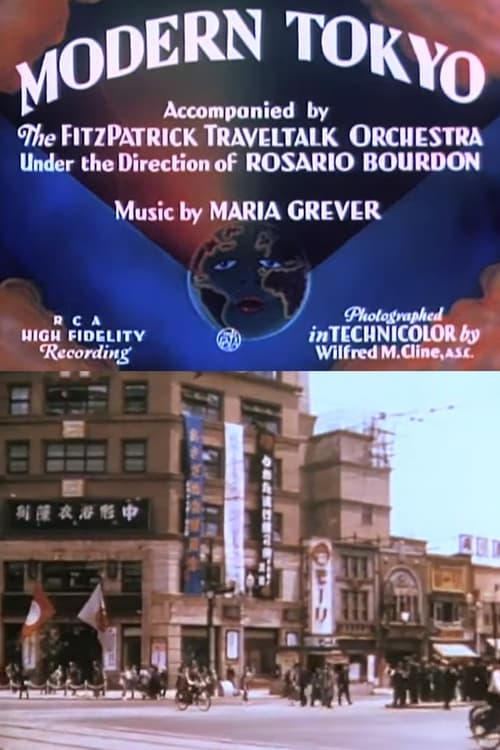
This Traveltalk series short looks at pre-World War II Tokyo, highlighting the influences of Western culture.
"Austria - First Victim of National Socialism" - this is the core theme of the self-image of the country that first welcomed Hitler with waving flags and arms stretched to the sky: Nation, People and Race - Sieg Heil! Monuments, commemorative events and in between the helplessness of dull remembrance. What to do with the lie, where to put the pain, and why again? The war of narratives begins with the liberation of the concentration camps, with the piles of corpses - and it continues to this day. A final journey with those who were there. Which story do we tell ourselves, and which do we want to hear?
Narrated by Stephen Baldwin, Finding Manny shares a powerful theme of optimism and makes "never again" have meaning for the next generation. auschwitzsurvivorholocaustorphanagegenocide8 more. Taglines. 70 years after escaping from a Nazi death train-an empowering story of optimism through the darkest of moments.
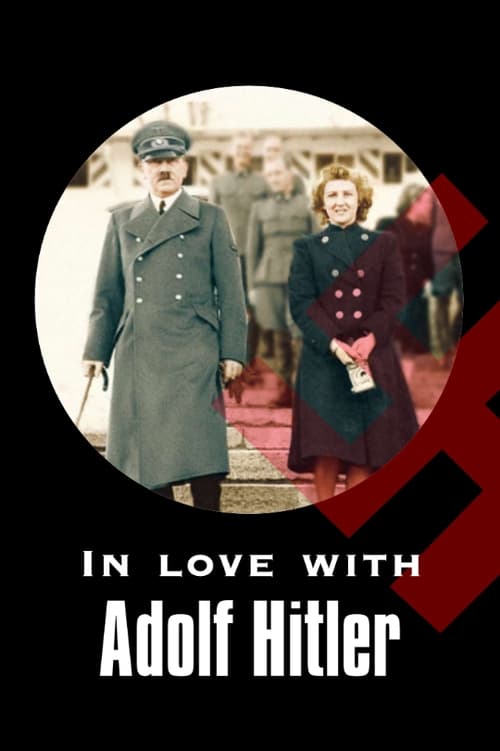
This film captures the affair, full of love, lust, and despair, between Adolf Hitler and Eva Braun, from 1932 until their double suicide in 1945.
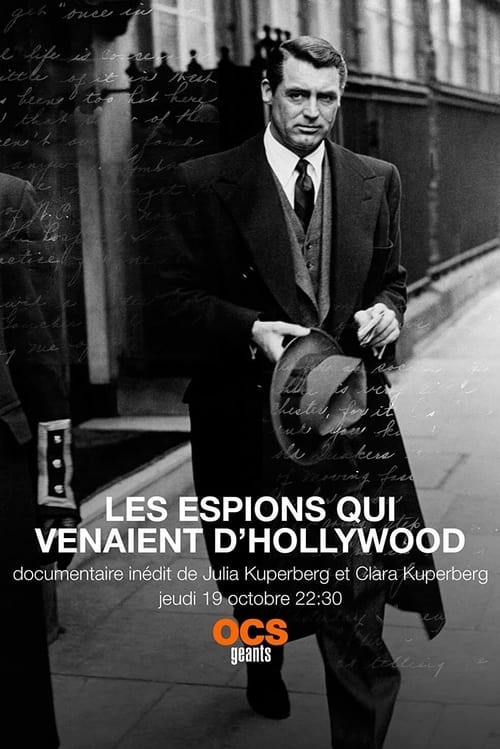
During the 1930s anti-Semitism was rampant not only in Germany but also in America. There was a German American Bund and pro-Nazi rallies even filled Madison Square Gardens in New York City. And the US was isolationist. Until Pearl Harbor, then, everything changed. Spymasters throughout the 20th century, and particularly during times of conflict, thought it advantageous to enlist the services of celebrities who had high level and powerful "fans" in various industries, many with easy access to politicians and high ranking government officials. Hollywood, as we now know from declassified National Archive documents, aided in the mobilization for war and its people contributed as spies, combatants, propagandists, documentary and fund-raisers, entertainers, and morale-boosters. Hundreds of celebrities eagerly answered the "call to arms" and brought their talents and patriotism to the intelligence services, military and war information offices.
No Trailers found.