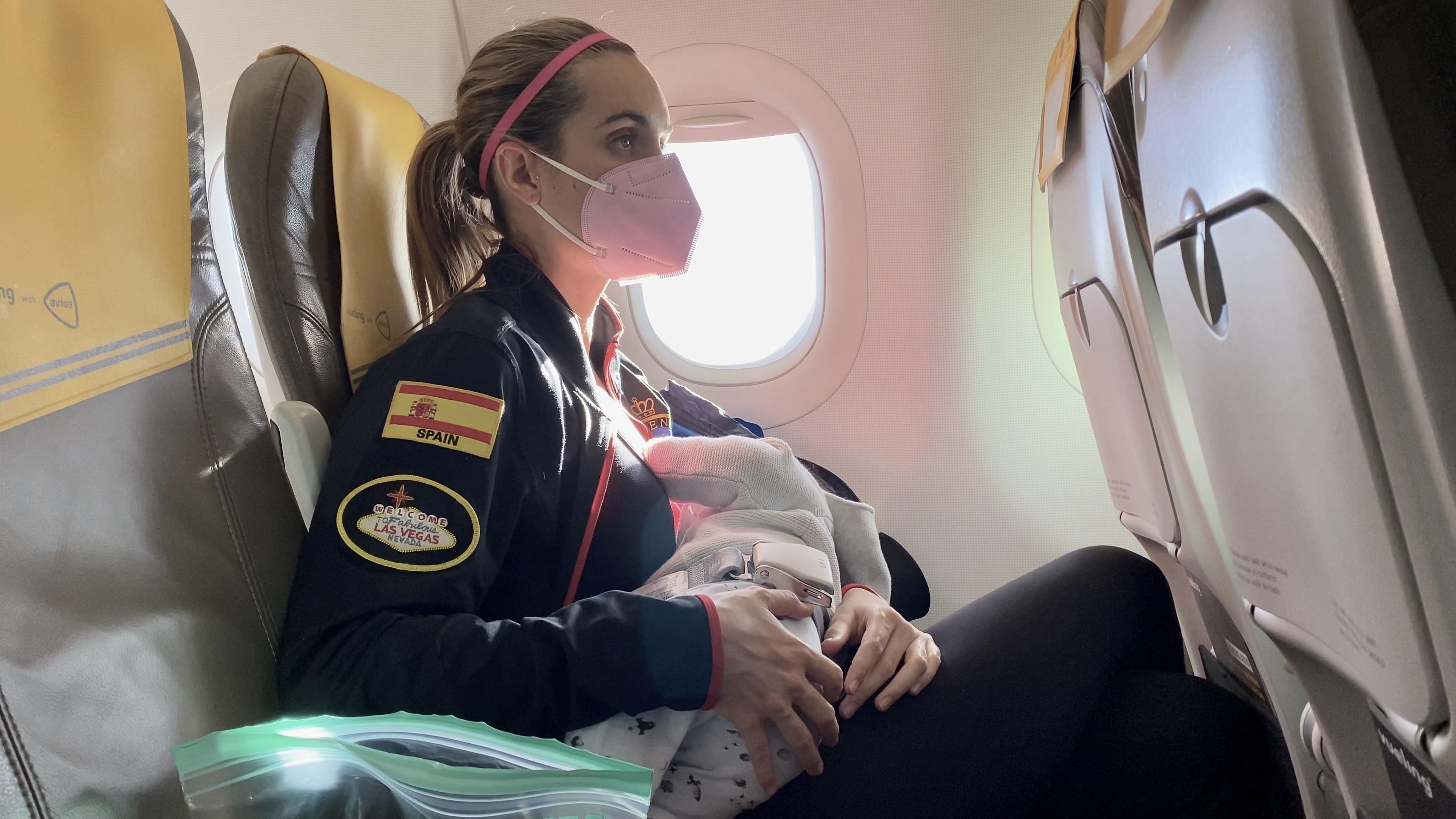
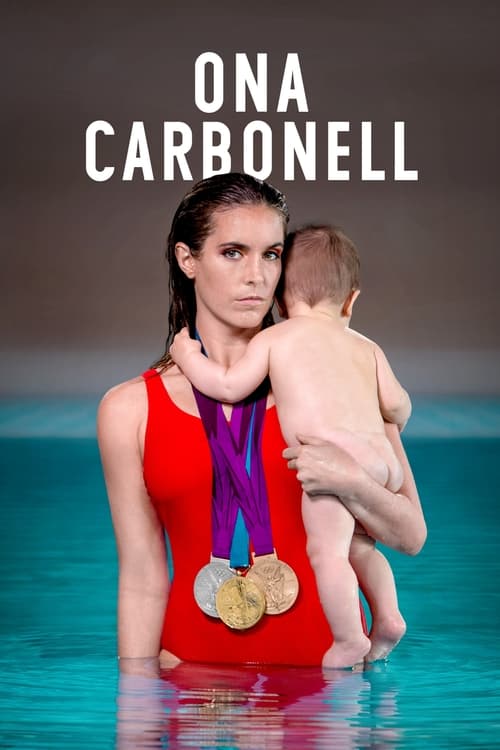
In August 2020, Olympic artistic swimmer Ona Carbonell became a first time mother, an experience that reshaped her life overnight.
Self
Trailer
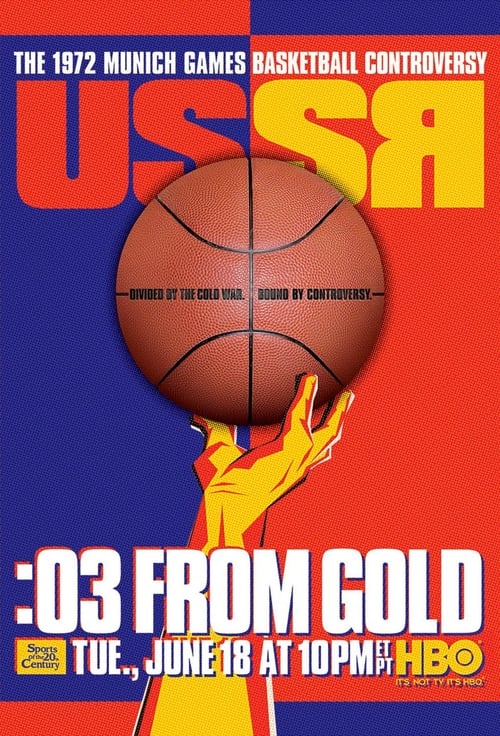
The 1972 Olympic men's basketball final, in which Team USA suffered their first ever loss in Games competition, was one of the most controversial events in the history of both the Olympics and basketball.
27 Olympic and Paralympic champions, aged 20 to 100, share their stories in this Mickaël Gamrasni documentary narrated by actress Marion Cotillard. As heirs to previous generations, they trace the incredible genealogy of French Olympism. The documentary revisits over a century of French participation in the Olympics, from their inception in 1896 to the recent feats that have elevated France to the summit. It’s a human adventure, brimming with memories, acts of bravery, and epic emotions: the collective narrative of France winning.
No overview available.
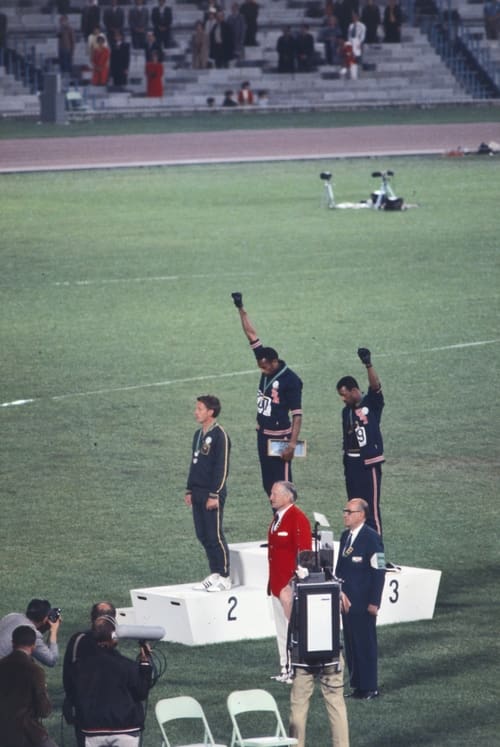
At the 1968 Mexico City Olympics, the silent protest of Tommie Smith and John Carlos changed The Games forever, becoming one of the defining images of the 20th century.
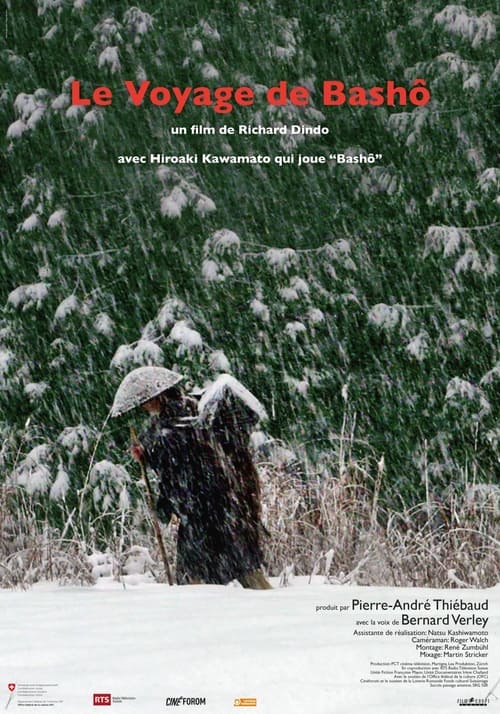
A fictionalised documentary about the great Japanese poet Bashô (1644–1694), the spiritual father of haiku poetry. A monk, portraying the poet, journeys through Japan, following Bashô's journal and writing many of his haikus. A ruminant, poetic, Zen Buddhist observation of nature – a return to the lost paradise of unspoilt nature.
Letter from Tokyo is a documentary film that looks at art, culture and politics in Tokyo, Japan. Shot over three months during the summer of 2018, and with a particular focus on grass roots arts initiatives, the use of public space, and queer politics, the film provides a snapshot of Japan’s capital in the run up to the 2020 olympics.
The Closing Ceremony of the XXXI st Olympiad.
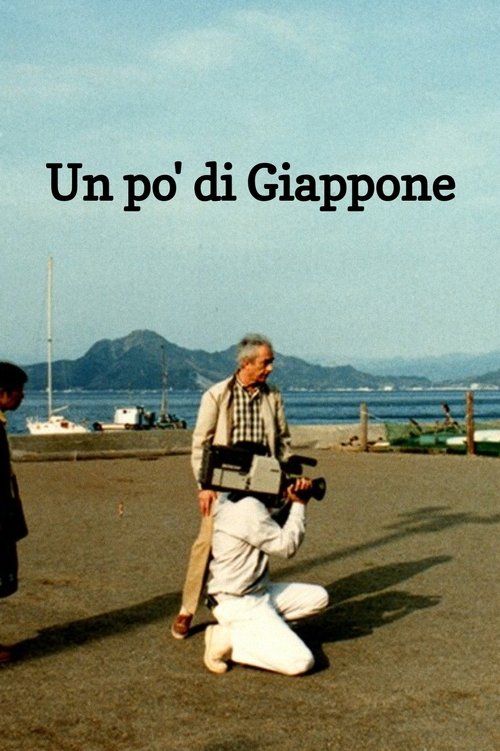
In the 1980s, Michelangelo Antonioni traveled with his partner, actress and filmmaker Enrica Fico Antonioni, to Japan with the intent of creating a documentary, Un viaggio in Giappone, that would chronicle “the social transformations undergoing in Japan through the experimental use of new film technologies,” specifically the Betacam. Un po' di Giappone is the shortened version of the documentary.
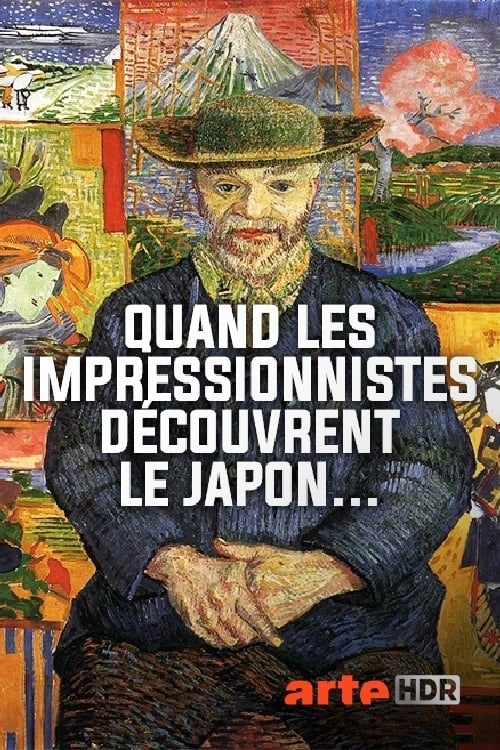
From 1853, Japan opens up to the West. Numerous works of art and woodcuts find their way to Europe. The Impressionists and later the European artistic avant-garde succumb to this one passion: Japonism. 150 years after the beginning of the Meiji period in 1868, the film traces the connections between Japan and the Western world.
An independently produced documentary about growing up as a blind youth in 1960's Japan. It focuses on a group of elementary level students being taught by Mr. Kawai at the Zoshigaya Branch of Tokyo Educational University. Filmed over 12 years, the documentary tracks these student's lives up through their young adulthood. It follows the journey of one student in particular, Kiyoshi Hasegawa, a young boy who eventually learns a passion for music and wants to become a recording artist. Expanded from director Hideo Hamada's documentary short "But We Can Gaze!"
This documentary by director Paul Cowan is about four athletes and a team that competed in the 1976 Olympics. They had trained courageously to be among those who would mount the podium to receive a medal. None of them did, but was it worth the effort? I'll Go Again answers the question.
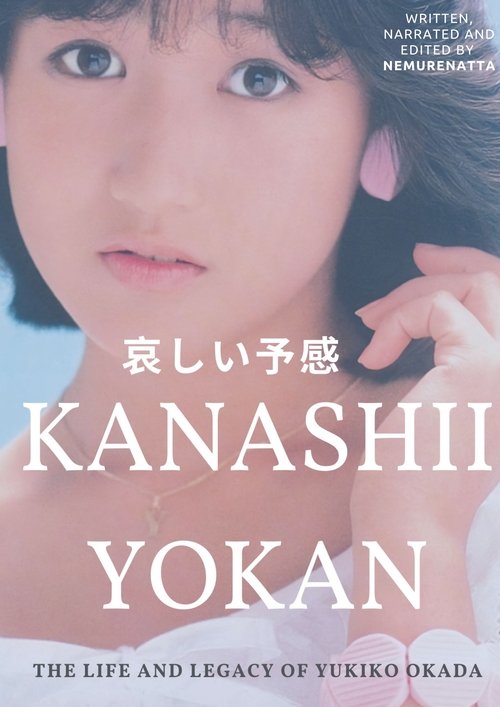
Thirty years ago, idol Okada Yukiko jumped off the Sun Music agency building in a desperate attempt to take her own life. Unfortunately, she was successful. Outside of Japan, not much is known about Yukko, aside from her music and her death. In this documentary series, we will document her short life in its entirety, beginning from her birth and ending with her legacy beyond death.
When filmmaker Mari Soppela took her children and husband to live for a year on a sacred mountain in her native Finland, she was fulfilling a lifelong dream to share the arctic wilderness of her childhood with her family. But when years later her children turn the camera onto her, she is forced to confront her motivation for filming their lives in this searching and searingly honest cinematic exploration of identity, belonging and motherhood. Filmed over the course of 27 years, Mother Land challenges us all to examine the landscapes we carry within us and the narratives we create to make sense of our lives.
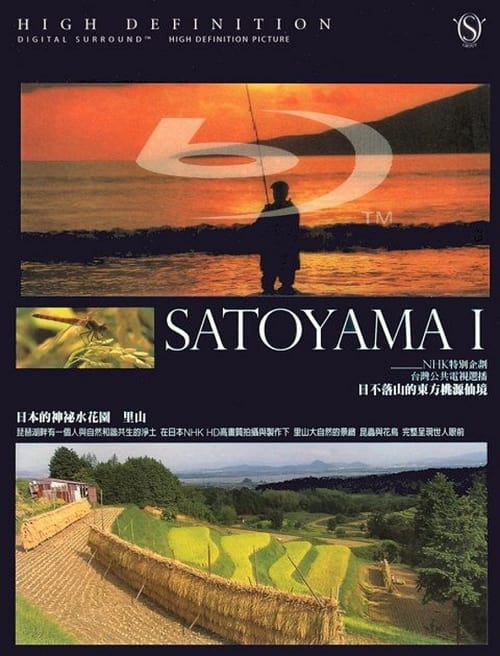
Japan is a country of steep mountains surrounding wide flat plains where people have lived for thousands of years. On the largest plain lies the country's largest freshwater lake, Lake Biwa, which is not at all far from Japan's ancient, capital city of Kyoto. The slopes that stretch down towards the lake have been terraced. Here rice seedlings need shallow water in which to grow, and the neat, meticulously constructed paddy fields provide just this. Some of them have been cultivated continuously for thousands of years. Alongside them stand patches of woodland where, for centuries, the people have found their fuel and their food. This is a land that has been touched by people, yet the people tread lightly upon it. It's a land that has been ruled for centuries by the demands of the rice, yet it's still dominated by the rhythmic cycle of the seasons. Here is a landscape that the Japanese people hold so close to their hearts that they have a special word for it: Satoyama.
A film about one of the most iconic images of the 20th century, the moment when the radical spirit of the 1960s upstaged the greatest sporting event in the world. Two men made a courageous gesture that reverberated around the world, and changed their lives forever. This film is about Tommie Smith and John Carlos' protest at the 1968 Olympics.
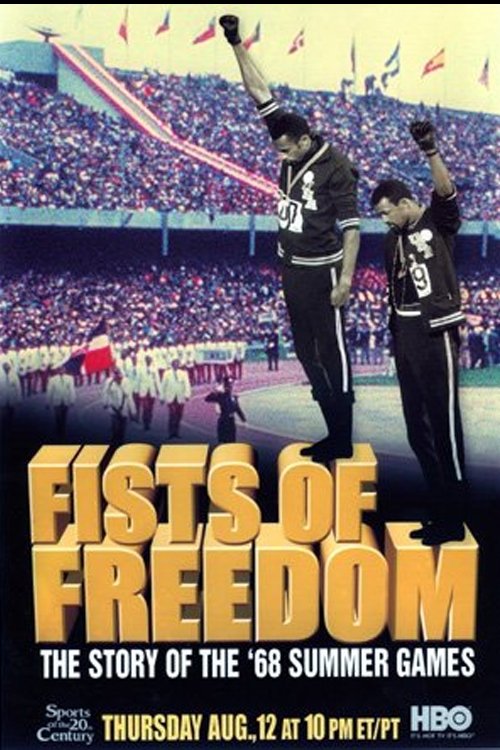
Fists of Freedom examines one of the 20th century’s most memorable moments — the dramatic “Black Power” demonstration of American sprinters Tommie Smith and John Carlos on the victory stand at the 1968 Summer games in Mexico City. Using rare footage, archival photos and interviews with key figures from the era, revisit a pivotal event in American history.
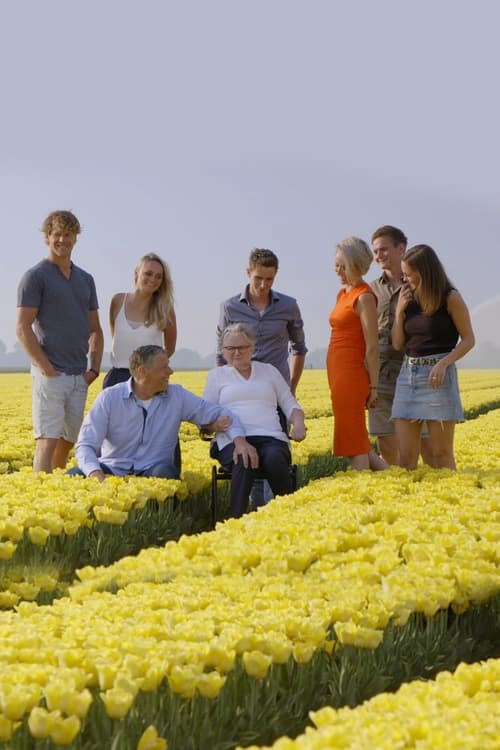
The life of the Schouten family revolves around tulips and top sport. Together they run a large international tulip company and children Irene and Simon skate at world top level. When mother Jolanda unexpectedly needs a lot of care and attention due to a brain haemorrhage, everything changes. How does the family relate to each other, skating and the company in this new situation?