No Trailers found.
The personal stories lived by the Uncle, the Father and the Son, respectively, form a tragic experience that is drawn along a line in time. This line is comparable to a crease in the pages of the family album, but also to a crack in the walls of the paternal house. It resembles the open wound created when drilling into a mountain, but also a scar in the collective imaginary of a society, where the idea of salvation finds its tragic destiny in the political struggle. What is at the end of that line? Will old war songs be enough to circumvent that destiny?
No overview available.
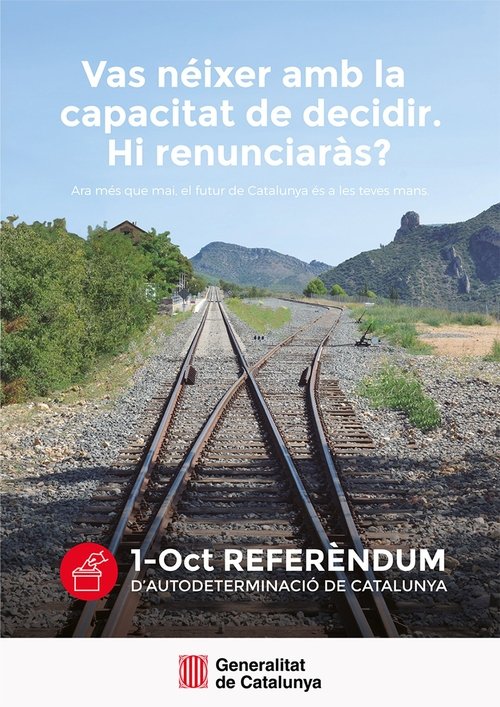
On September 6, 2017, the Catalan regional government called an independence referendum. This propagandistic documentary by the Catalan government collects the experiences of an illegal referendum that led to the virtual independence of Spanish territory and the biggest constitutional crisis in Spain since 1981
Return to Guam is a 1944 short propaganda film produced by the US Navy about the taking and recapture of the island of Guam. The film starts when a convoy of ships nearing the island sees strange lights flashing from the island in Morse code "information". After cautiously investigating the signal, they find that it was made by a white man, George Tweed, the last survivor of the original garrison at Guam. Tweed relates his harrowing story of how he survived in the bush for 31 months with the help of the natives, Chamorros.
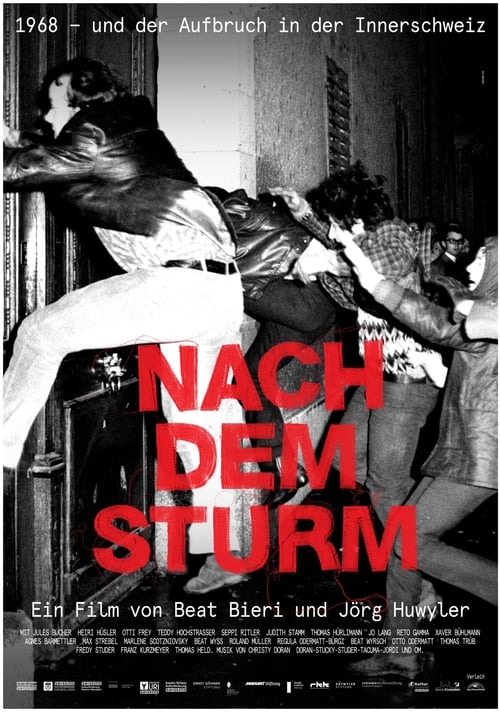
The protests of 1968 had a significant impact on the great cities of the world. But people like to forget that the periphery went through the same social upheavals – Central Switzerland, for example. This is hardly surprising: in the founding cantons of the Old Swiss Confederacy, society followed a strict order; tradition, shaped by centuries of Catholic rule, seemed untouchable. But in the 1960s, the local youth could not take these stifling conditions anymore: starting in 1969, resistance broke out across Central Switzerland.
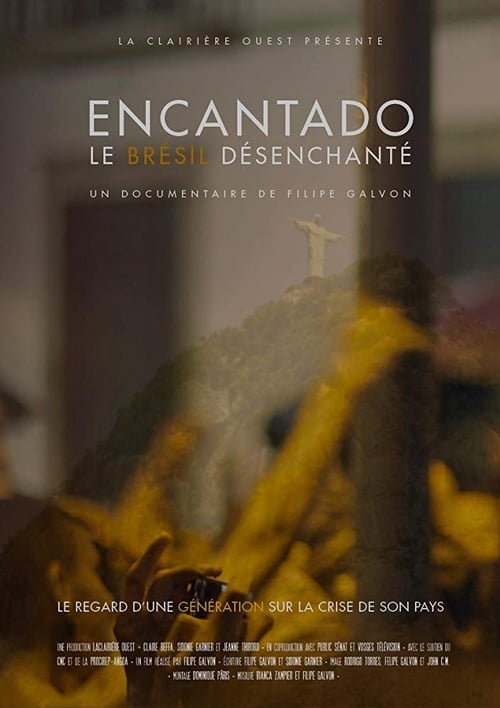
Considered for a few years the “country of the future”, Brazil has seen since 2013 a deep disenchantment between the middle and popular classes that culminated with the rise of Jair Bolsonaro to the Presidency in 2018. Enchanted portrays this recent Brazilian history from a homonymous neighborhood of the Rio suburb transfigured by the 2016 Olympics. From Rio to Paris, a political and poetic testimony of Brazil through the eyes of the first generation of the popular class to study abroad.
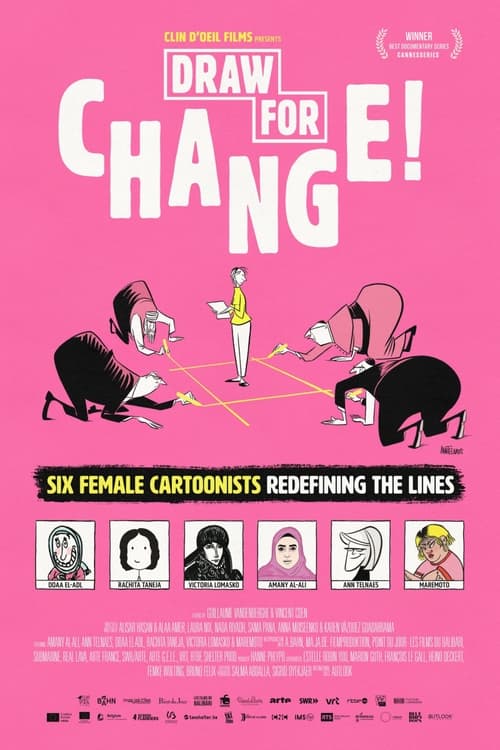
Doaa el-Adl, the first woman to be awarded the esteemed Journalistic Distinction in Caricature, serves as a catalyst for transformation within the predominantly male-dominated realm of Egyptian political cartoonists. Challenging patriarchal norms, she routinely confronts censorship, harassment, and even threats to her life. In a remarkable fusion of documentary, cartoons, and animation, Egyptian director Nada Riyadh breathes life into el-Adl's most renowned works. This dynamic and fearless presentation delves into the issue of violence against women, stretching the boundaries of freedom of speech in a society often characterized by restrictions. Through her exceptional talent, el-Adl not only champions women's rights but also serves as an inspiration for societal change.
From growing potatoes in Green Park, London, to transforming rabbit crates into seed boxes – just a couple of the many ingenious ways of supporting the war effort which are covered in this film from the Ministry of Information.
Nazi propaganda film contrasting Germany in the days before Adolf Hitler became Chancellor with the Germany of "today" and how much better it is.
It was the biggest escape in the history of the Berlin Wall: in one historic night of October 1964, 57 East-Berliners try their luck through a tunnel into West Berlin. Just before the last few reach the other side, the East German border guards notice the escape and open fire. Remarkably, all the refugees and their escape agents make it out of the tunnel unscathed, but one border guard is dead: 21-year-old officer Egon Schultz.
Tobacco, climate change, pesticides,... Never has scientific knowledge seemed so vast, detailed and shared. And yet it appears to be increasingly challenged. It is no longer surprising to see private corporations put strategies in place to confuse the public debate and paralyze political decision-making. Overwhelmed by excess of information, how can we, as citizens, sort out fact from fiction? One by one, this film dismantles the workings of this clever manoeuvre that aims to turn science against itself. Thanks to declassified archives, graphic animations and testimonies from experts, lobbyists and politicians, this investigation plunges us into the science of doubt. Along with a team of experts (philosophers, economists, cognitive scientists, political men, or even agnotologists), we explore concrete examples of doubt making and try to understand the whole process and the issues behind it.
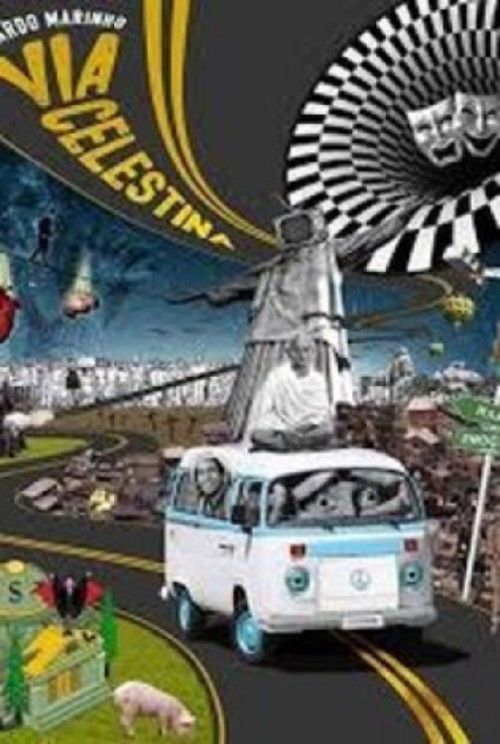
Filmmaker Hare Brasil follows painter, public speaker and street artist Eduardo Marinho as they hit the road aboard Celestina, a worn-down and faulty Volkswagen van, for a trip across Brazil and Uruguay, where Marinho is set to give a lecture at a local University. They cross over 5000 kilometers and stop by numerous cities following an everything goes approach, with Marinho selling his work, talking to people and sharing his thoughts on life, society and everything else.
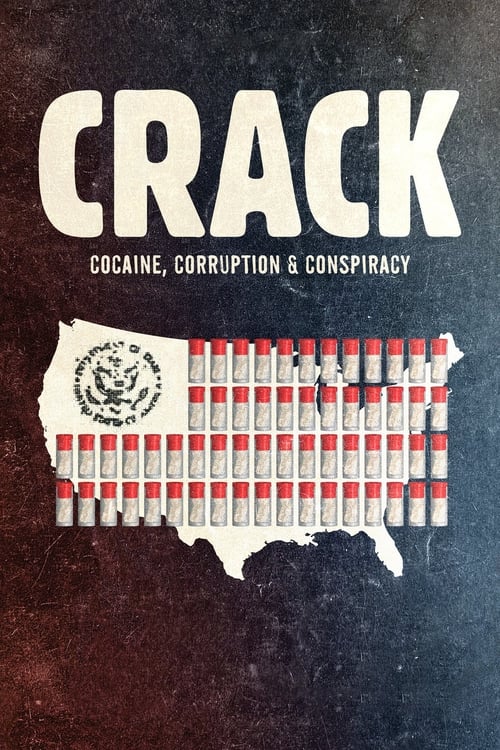
A cheap, powerful drug emerges during a recession, igniting a moral panic fueled by racism. Explore the complex history of crack in the 1980s.
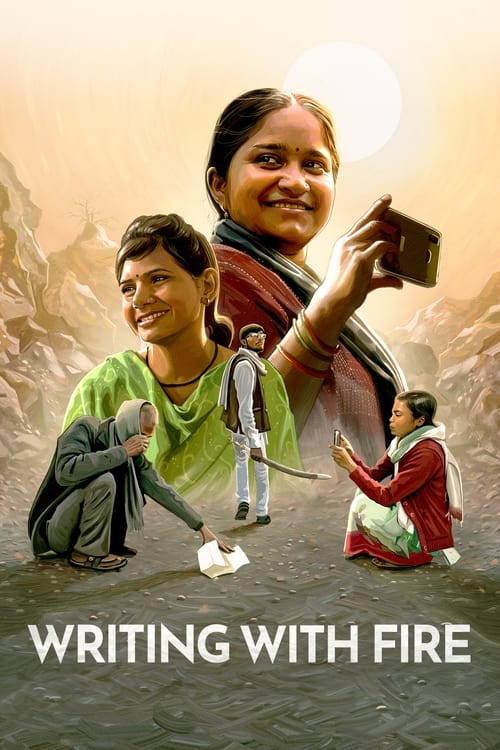
In a cluttered news landscape dominated by men, emerges India’s only newspaper run by Dalit women. Armed with smartphones, Chief Reporter Meera and her journalists break traditions on the frontlines of India’s biggest issues and within the confines of their own homes, redefining what it means to be powerful.
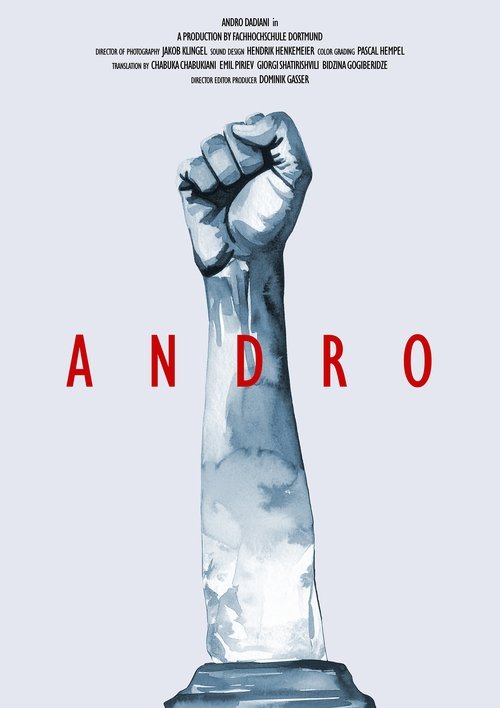
ANDRO DADIANI's political performances dissect the oppression by state and church in Georgia and conquer Tbilisi's urban spaces. As a queer, non-binary protest and performance art figure, their identity remains a secret. The danger of open resistance is too great.
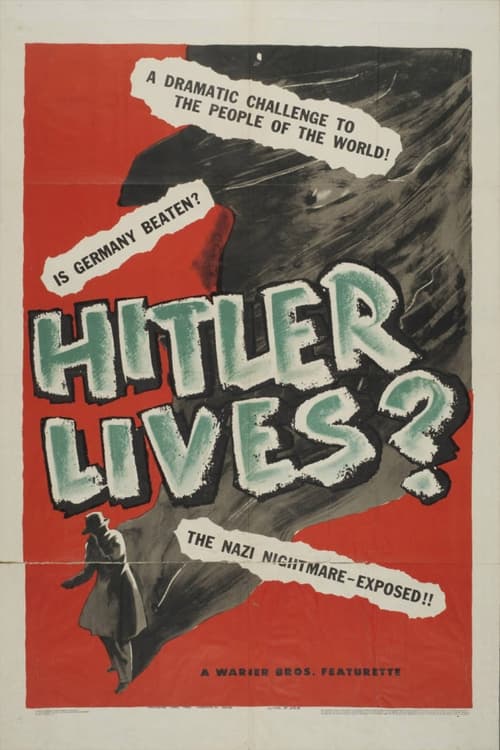
This short film, produced at the end of WWII, warns that although Adolf Hitler is dead, his ideas live on.
Oscar winning postwar propaganda film in support of the United Nations Relief and Rehabilitation Administration. Strident but poignant, focusing on children. The film surveys the Nazi/Japanese atrocities, post-war devastation and the early relief efforts. This film was responsible for raising over $200,000,000, making it a top moneymaking film. Preserved by the Academy Film Archive in 2005.