They came from the hills, and they came from the valleys and the plains
Reminiscences of a trip to Čáslav
No Trailers found.
No Cast found.
Words are loaded with meaning. Certain ones conjure joyful memories and others remind us of less happy times. For Nenda Neururer, the word 'oachkatzlschwoaf' invokes a range of emotions. The German word is very hard to pronounce and is synonymous with the Austrian state of Tyrol where locals tease outsiders by asking them to pronounce it. Despite growing up in Tyrol, Nenda Neururer often felt like an outsider when confronted with this word. But when she moved to London she grew nostalgic for it and it became her little secret. Found in Translation is a series made as part of the In The Mix project, in partnership with BBC Studios TalentWorks, Black Creators Matter and the Barbican.
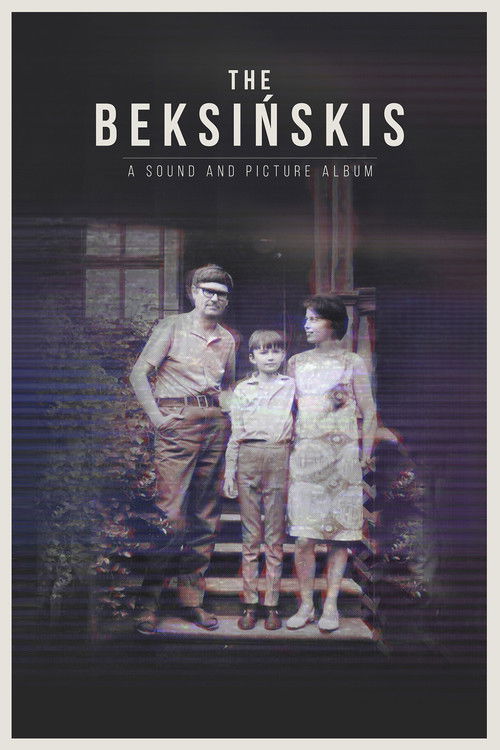
Painter Zdzisław Beksiński, his wife Zofia and their son Tomasz, a well-known radio journalist and translator, were a typical and unconventional family, both at the same time. One of the father’s obsessions was filming himself and his family members. Using archival footage only, shot primarily by Zdzisław, as well many other materials, which have not been presented anywhere so far, the film tells a tragic story of the Beksińskis that has never ceased to fascinate Polish filmmakers.
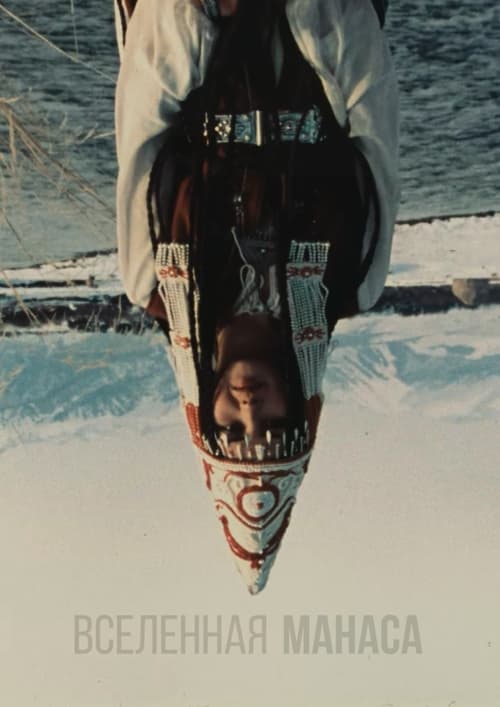
It has been a lifelong dream of Kyrgyz director Melis Ubukeyev to create an elaborate film version of the Kyrgyz national epic 'Manas'. He spent years working with the National Academy of Sciences of Kyrgyzstan to gather material for this film project, which would ultimately remain a dream. However, the director's efforts were not in vain: Not only did he make films in 1962 and 1988 about Manasçı – the revered oral storytellers who have preserved the epic for generations through melodic recitation –, but in 1995, to mark the 1,000th anniversary of 'Manas', he also created a beguiling essay film that not only recounts the epic’s sweeping narrative through a mix of breathtaking imagery and opulent costumes, but also weaves it into a semi-documentary exploration of Kyrgyz history and identity. Once almost impossible to find, the film has recently been restored by the film studio Kyrgyzfilm and uploaded to YouTube in 4K.
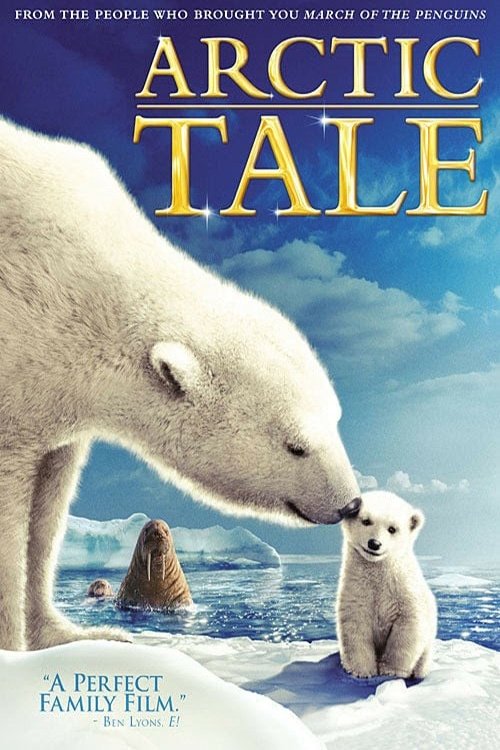
Arctic Tale is a 2007 documentary film from the National Geographic Society about the life cycle of a walrus and her calf, and a polar bear and her cubs, in a similar vein to the 2005 hit production March of the Penguins, also from National Geographic.
Jerry, an ordinary immigrant dad, retired in Orlando, is recruited to be an undercover agent for the Chinese police. Jerry’s family recreates the events on film and his three sons discover a darker truth. True crime meets spy thriller in this genre-bending docufiction hybrid about an immigrant’s search for the American dream. A Slamdance Film Festival Grand Jury and Audience Award winner.
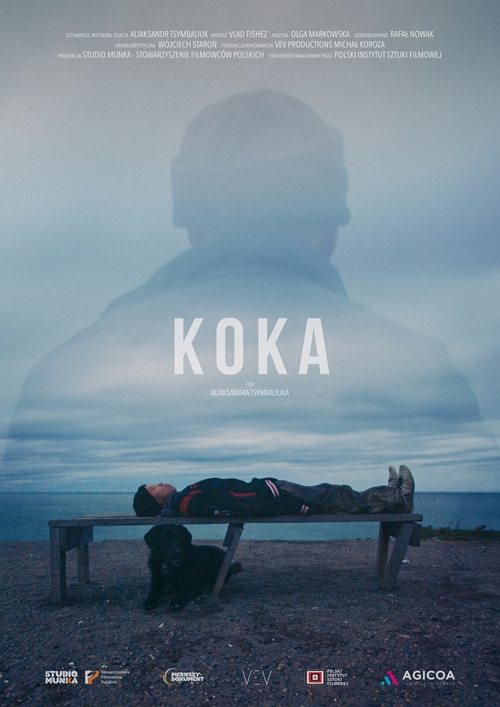
Somewhere on the coast of the Bering Sea, a father and son make a living fishing in a community that seems almost outside of time. Aliaksandr Tsymbaliuk’s camera takes us in close to the subjects, recording both the harshness of their condition and the rigour of education, softened by paternal love and the universal insouciance of childhood.
Four filmmakers working in the region of Galicia (in the northwest of Spain) follow and portray on the screen Galician artists working in disciplines of different nature. The result is four pieces around the creative process of these artists. Lois Patiño film their parents working on their paintings in their studio in Vigo, Jaione Camborda films dancer Janet Novás rehearsing for one of her pieces, Xisela Franco follows film director Margarita Ledo revisiting the location of her latest film Nation and Alfonso Zarauza reflects on the relationship between actress-director by putting together the work of Melania Cruz in two of their collaborations.
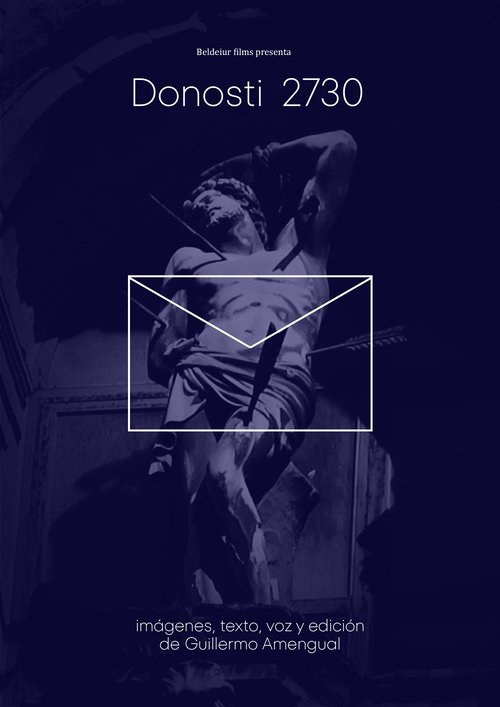
A youngster writes a letter to his grandmother about his last trip to Donosti (Spain). This city inspires him to ponder about the language of cinema, time, cities, and sharing memories with our loved ones.
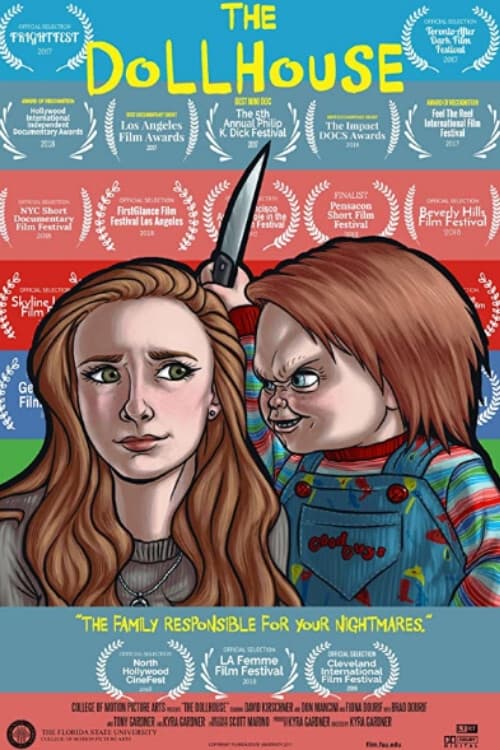
Kyra Gardner's loving tribute to growing up in the world of the psycho killer doll, Chucky.
A documentary telling the remarkable human story of Stephen Hawking. For the first time, the personal archives and the testimonies of his closest family reveal both the scale of Hawking's triumphs and the real cost of his disability and success.
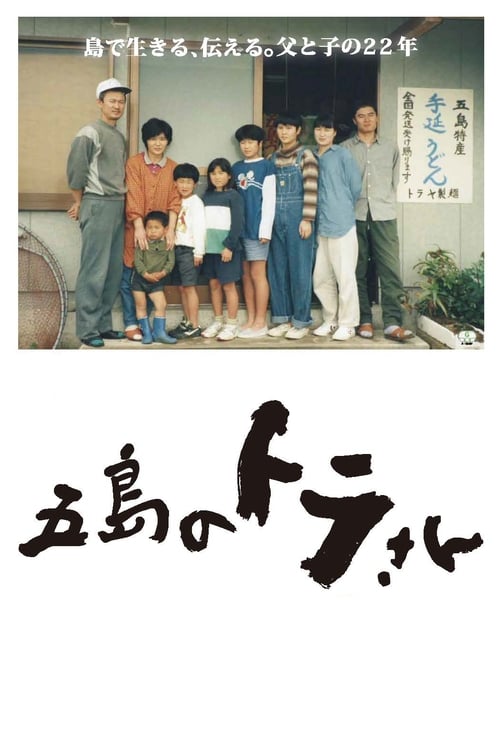
This documentary film follows for 22 years a nine-member family involved in the manufacturing of Udon in the Goto Islands, Nagasaki prefecture. Mr. Toru Inuzuka called by nickname "Tora-san" is making famous 'Goto Udon' and natural salt on the island on which the depopulation is progressing. Seven children get up at 5 o'clock every morning, helping to make udon, and go to school. Children's help is recorded on the time card, and it is pocket money for children. The film talks about children's growth, marriage, childbirth, homecoming, and parting. The 22 years of familiarity of the family is drawn.
From the behavior, discourse, and appearance of individual actors, Vachek composes, in the form of a mosaic, a broad and many-layered film-argument about Czechoslovak democracy in the period of its rebirth, all administered with the director’s inimitable point of view.
No overview available.
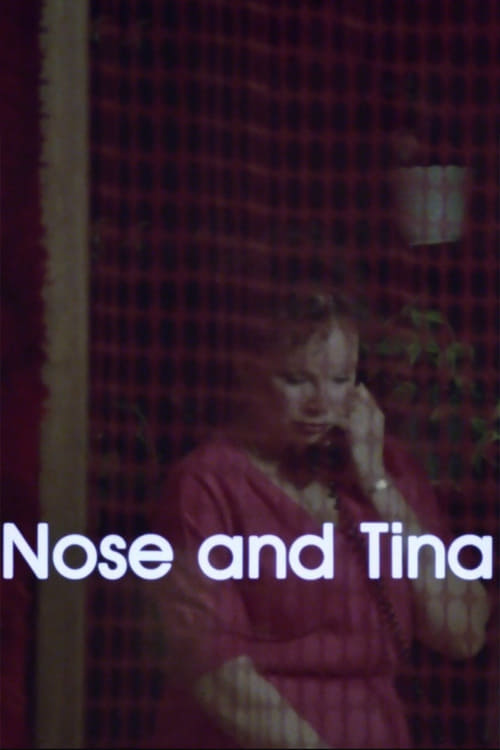
Nose and Tina are a couple in love. The film captures the domestic details of their life together and documents their hassles with work, money and the law. The unusual bit: He is employed as a brakeman, and she as a sex worker.
Four people - Brittany, Hannah, Nick, and Ylonda - tell their stories about how access to abortion in their community helped them empower themselves to lead lives they want to live.
This short documentary is a tribute to the unknown father. Emerging filmmaker Danic Champoux poses the question "How many men still have to uproot themselves and leave their families to get work?" as he sets out to search for his own father. He wonders about these men who are labourers, itinerants, and mostly nameless, but who are all exemplary providers. But at what cost? This film was produced as part of the Libres Courts collection of first-time documentary shorts.
An uplifting insight into the lives of seven-year-old conjoined twins, who weren’t expected to live more than a few days. Cared for by their devoted father, the girls have defied all odds.
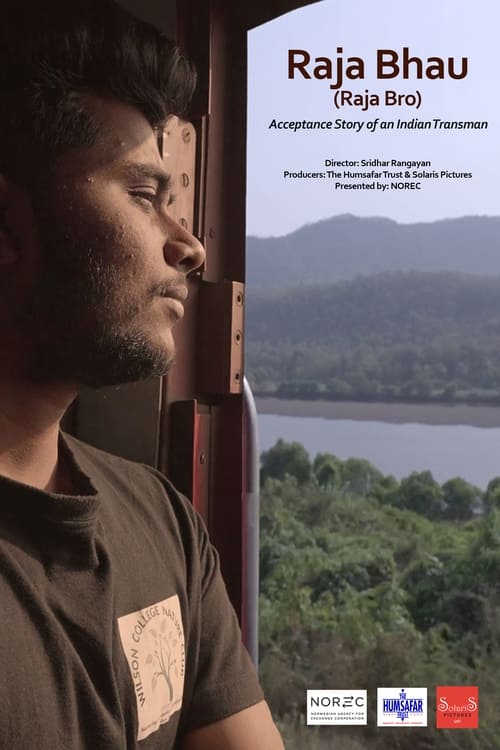
A sensitive heart-warming story of an Indian transman's acceptance, by himself and his family. Merlin, born as a girl, felt right from his childhood that he was trapped in the wrong gender.