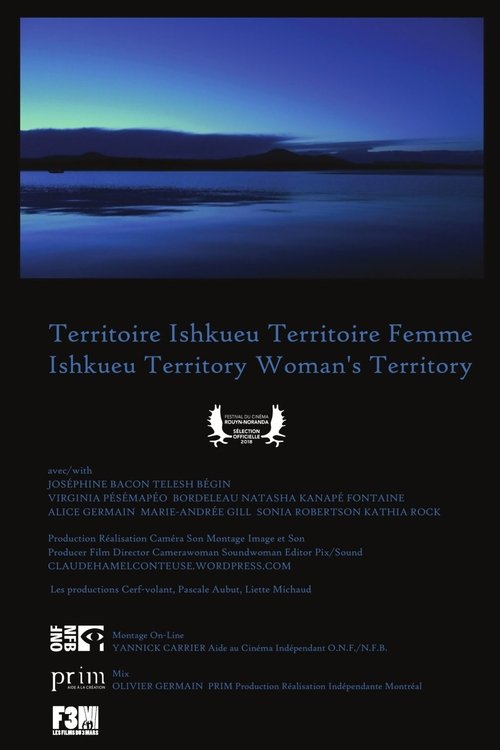
Eight female storytellers, authors and poets performing at the Atalukan Storytelling and Legends Festival in Mashtueiatsh (Pointe-Bleue), Quebec.
No Trailers found.
No Cast found.
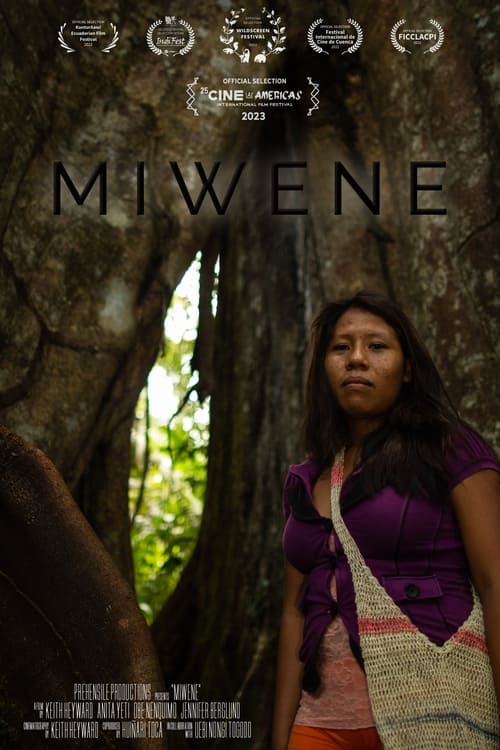
Steeped in the long oral tradition of Waorani storytelling, Gange Yeti shares her own coming-of-age story as a young Waorani woman living deep within the Amazon rainforest. Following Gange and her community for over 11 years, the film captures her transition from a quiet teenager into a confident young mother at a critical turning point for her culture and rainforest. As the granddaughter of one of the last Waorani elders that lived in complete isolation before outside contact, Gange is determined to capture her grandmother’s unique experience while she still can -- balancing school, motherhood, and tradition along the way.
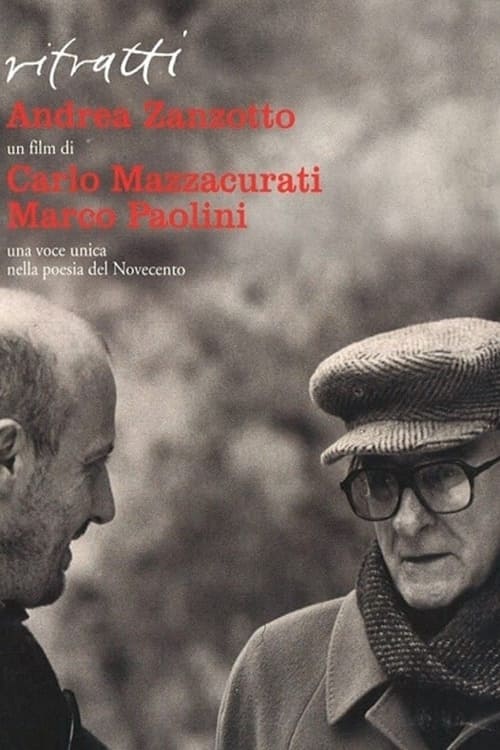
Marco Paolini discusses with poet Andrea Zanzotto about nature, history and language.
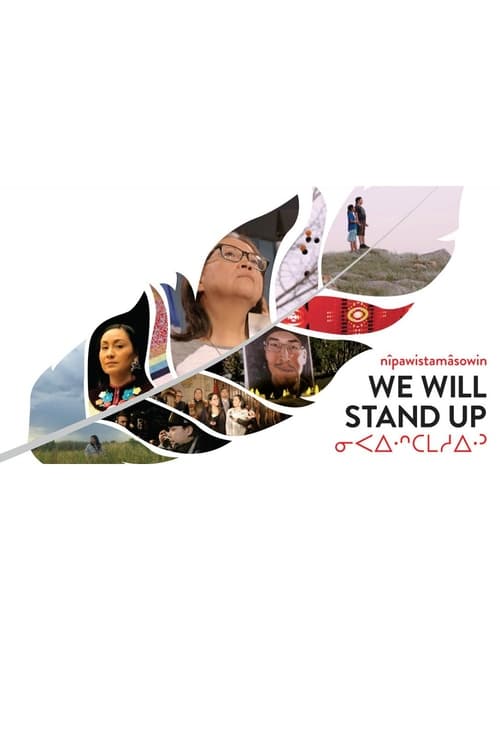
On August 9, 2016, a young Cree man named Colten Boushie died from a gunshot to the back of his head after entering Gerald Stanley's rural property with his friends. The jury's subsequent acquittal of Stanley captured international attention, raising questions about racism embedded within Canada's legal system and propelling Colten's family to national and international stages in their pursuit of justice. Sensitively directed by Tasha Hubbard, "nîpawistamâsowin: We Will Stand Up" weaves a profound narrative encompassing the filmmaker's own adoption, the stark history of colonialism on the Prairies, and a vision of a future where Indigenous children can live safely on their homelands.
Poet Layli Long Soldier crafts a searing portrait of her Oyate’s connection to the Black Hills, through first contact and broken treaties to the promise of the Land Back movement, in this lyrical testament to resilience of a nation.
Through a child's lens, The Honest Poet reveals a rarely seen side of Afghanistan, following 11-year-old Raheem on a journey through his country and into the homes and hearts of his people.
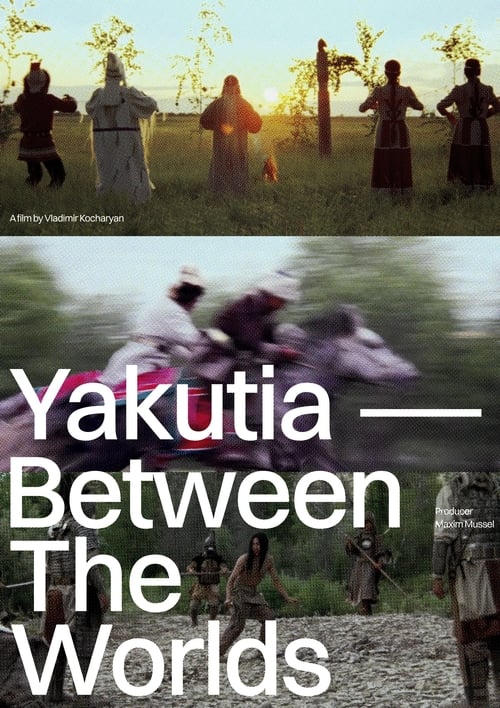
A documentary road movie. Traveling across his homeland, the filmmaker explores what Yakut cinema is, and what it means to the Sakha people and to himself.
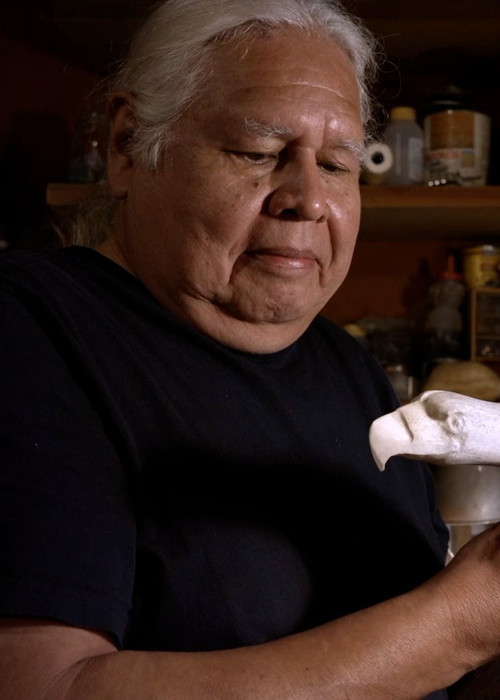
Stan Hill Jr. is a Haudenosaunee artist living in Miawpukek First Nation Reserve, Conne River, Newfoundland. In “The Bear Inside a Whale,” he and his family discuss racism, identity, religion, creation and art, along with the cultural extinction of the Beothuk of Newfoundland. Throughout the film, we follow Stan carving a bear out of a whale vertebra. And we visit The Rooms (museum) in St. John’s, Newfoundland, where Stan talks about viewing and reclaiming Indigenous artefacts.
sucking on words is a documentary film that features interviews with, and extensive performances by, the American poet Kenneth Goldsmith. It also features critical commentary on his intense and ground-breaking conceptualist practice from three of North America’s leading voices on avant-garde poetics. Shot on location in New York in 2007, the lively conversations featured in sucking on words are an ideal introduction to Goldsmith’s witty and provocative works, which are already regarded as hallmarks of 21st-century literature. The film showcases readings from some of his notorious books: No.111 (found phrases ending in the ‘r’ rhyme and filtered alphabetically by syllable count); Soliloquy (a transcription of every word Goldsmith spoke for a week); Day (a retyping of one day’s New York Times newspaper); Traffic (one day’s worth of hourly radio traffic bulletins); and The Weather (one year’s worth of radio weather bulletins).
No overview available.
An event organised by CND pits the bomb against poetry. Hear artists who hoped that words and rhymes could put an end to destructive times.
Actor Rawiri Paratene was 16 years old when he joined Māori activist group Ngā Tamatoa (Young Warriors) in the early 1970s. "Those years helped shape the rest of my life," says Paratene in this 2012 Māori TV documentary, directed by Kim Webby. The programme is richly woven with news archive from the 1970s, showing protests about land rights and the Treaty of Waitangi, and a campaign for te reo to be taught in schools. Several ex Ngā Tamatoa members — including Hone Harawira, Tame Iti and Larry Parr— are interviewed by Paratene, who also presents the documentary.
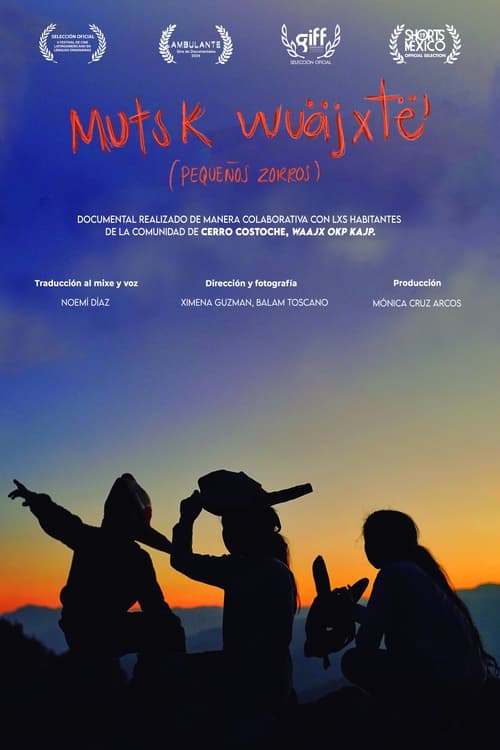
Noemí, an Ayuukjä'äy woman reflects on the loss of her native tongue with a voice that blends into day to day life in Cerro Costoche community located in the Mixe mountain rage of Oaxaca.
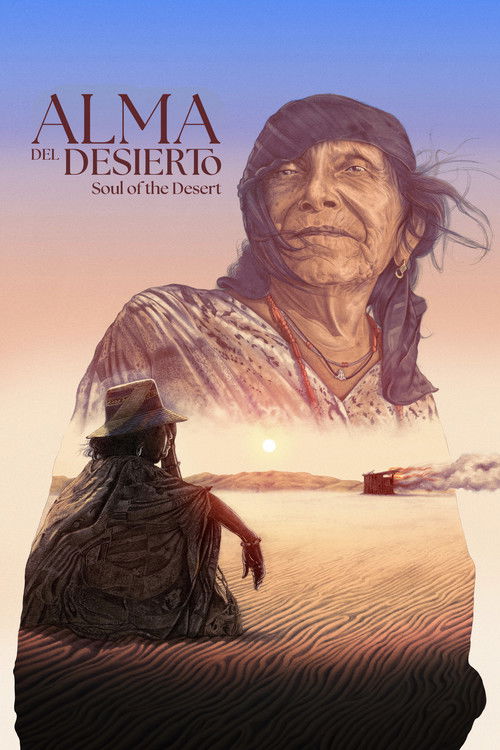
A documentary on the road that tracks the journey by Georgina, an elderly transgender woman forced to cross the sandy peninsula Guajira, on foot, to obtain the thing she has desired for almost half a century: a document that will hand her the right to be what she has always felt she was, and will allow her, at long last, to vote.
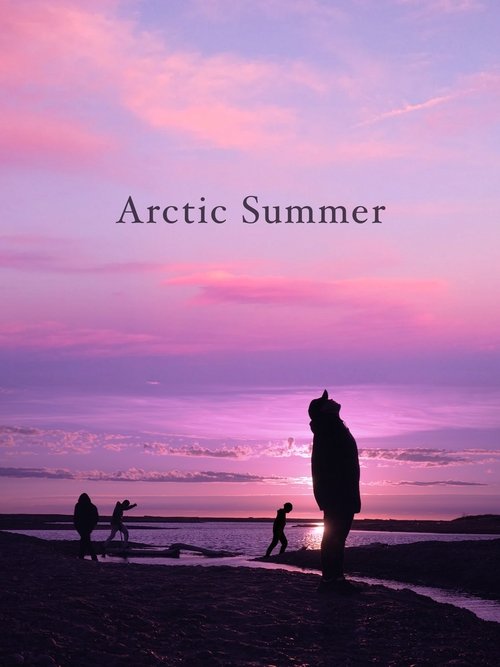
ARCTIC SUMMER is a poetic meditation on Tuktoyaktuk, an Indigenous community in the Arctic. The film captures Tuk during one of the last summers before climate change forced Tuk's coastal population to relocate to more habitable land.
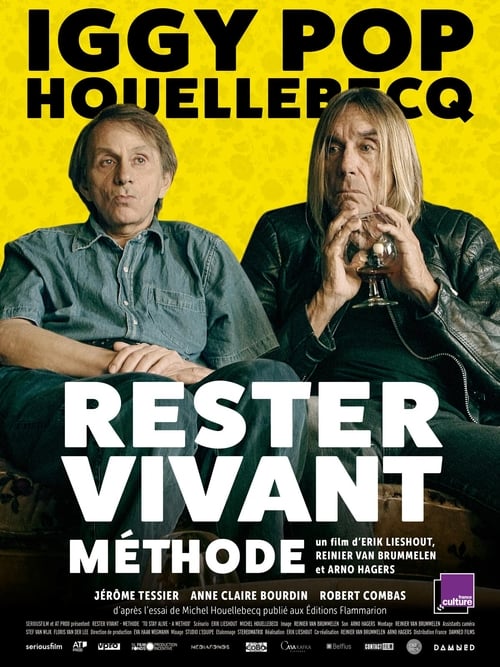
Iggy Pop reads and recites Michel Houellebecq’s manifesto. The documentary features real people from Houellebecq’s life with the text based on their life stories.
Still photographs and narration give an overview of the history of the American Indian.
From a historic genocide trial to the overthrow of a president, the sweeping story of mounting resistance played out in Guatemala’s recent history is told through the actions and perspectives of the majority indigenous Mayan population, who now stand poised to reimagine their society.
Following filmmaker Taye Alvis as he looks to reconnect to his community of Walpole Island First Nation. Taye will explore his relationship to Walpole Island, and how one can reconnect to their traditions and culture by way of conversation, arts, and recreation.
More than an attachment to our territory, the Innu live a filial relationship with Nitassinan, our ancestral homeland. For so many generations, the land has nourished, cared for and raised us. It has inspired our language, our culture, our lifeway and our vision of the world. Throughout the seasons, our ancestors criss-crossed the territory on foot, by canoe or on snowshoes. They knew every river, lake, or stream; every mountain, hill or bog; every camp, trail and portage path. Nomadism forged our people, and the film will record this journey and our history – past, present and future. And while it will attest to our vitality and resilience it is also – and above all – a tribute and a message of respect for the Earth.
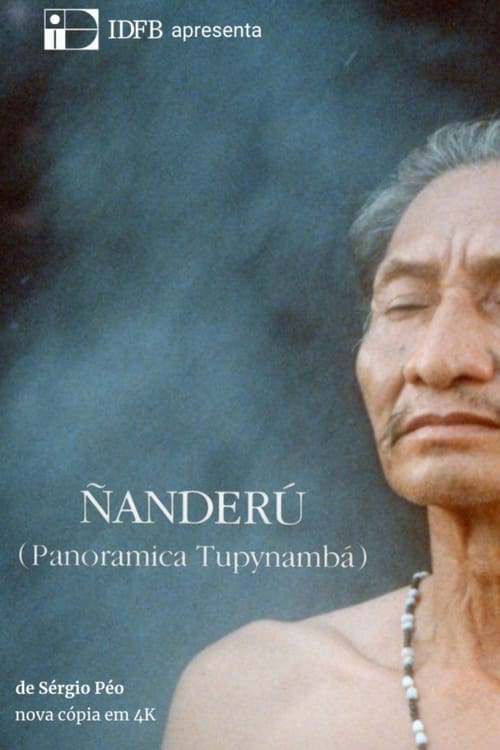
Poetic rescue of the memory of our Tupinambá ancestors. Considered extinct in the 16th century. The film has the testimony of Verá Miri, Chief / Pajé of the Guarani Mimbiá tribe.