A documentary road movie. Traveling across his homeland, the filmmaker explores what Yakut cinema is, and what it means to the Sakha people and to himself.
Trailer
Too hot! The spawning fish do not come at the right time and the pepper plants end up dying in this heat. "This is a very different weather that not even the spirits can understand." From their gardens, homes, and backyards, the indigenous women of the Amazon involve us in their vast universe of knowledge while they observe the impacts of climate change in their ways of life.
In the form of a poetic love letter to its nation, this short film reveals a strong community and the anchoring of the new generation in this rich culture.
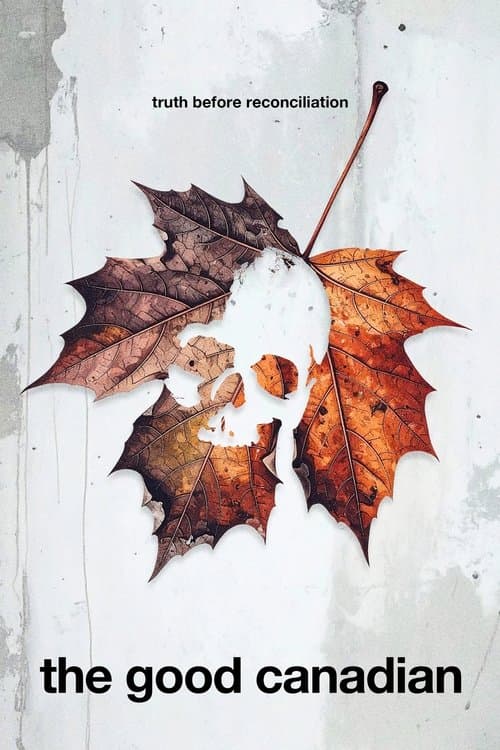
The world knows the image of the good Canadian. But what if there was a dark secret behind a national identity? THE GOOD CANADIAN exposes the truth behind the idea of a True North strong and free. In this unflinching and eye-opening documentary, directors Leena Minifie and David Paperny move us through the corridors of systemic inequity, from the Indian Act to residential schools, to modern-day family separation. Fusing shocking footage with detailed interviews with experts, advocates, whistleblowers and politicians, THE GOOD CANADIAN challenges national myth-making, while offering Canadians the chance to forge a new identity from the truth.
A documentary look at the 'making of' and cult success of the troubled Lou Adler directed film "Ladies And Gentlemen The Fabulous Stains" starring Diane Lane.
A crew of filmmakers shoot undercover on the streets of Hong Kong with hidden microphones and no permits. The city becomes a giant set as mounting tension and ego clashes push tempers to breaking point.
Embark on a captivating journey that delves into the essence of Yucatecan Maya life in the 21st century. This feature-length documentary unfolds against the backdrop of Coba, the second largest Maya ceremonial center in the ancient world. From this archaeological marvel, the film ventures deep into the lush jungles and intimate villages, offering a poignant exploration of two indigenous families committed to preserving their rich heritage. At its core, Beyond the Ruins weaves a tapestry that illuminates the profound interconnectedness of existence, as mirrored in the ancient Maya philosophy of "in lak' ech, a lak' en" - where "I am you; you are me." The film not only resurrects a vibrant but often overlooked culture; it also invites viewers to contemplate the universal lessons embedded in Maya wisdom. Through this evocative lens, audiences discover not only a living legacy but also a source of inspiration to enhance their own quality of life.
Documentary which follows Bo Widerberg during the making of 'Man on the Roof', 'The Butt' and a failed theater production.
Documentary about the making and reception of Carl Th. Dreyer's final movie, "Gertrud."
An in-depth oral history of the production and development history of Robert Altman's "O.C. and Stiggs," featuring commentaries from the film's cast and crew.
No overview available.
Dan Aykroyd, John Candy, Gilda Radner and Cheech and Chong present this compilation of classic bad films from the 50's, 60's and 70's. Special features on gorilla pictures, anti-marijuana films and a special tribute to the worst film maker of all-time, Ed Wood.
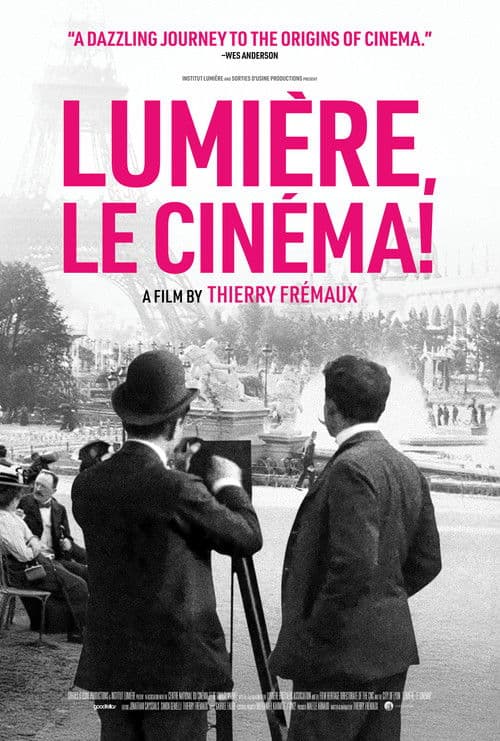
In one of those wonderful coincidences of history, lumière, the French word for “light,” was also the last name of brothers Auguste and Louis, whose brilliant invention, the cinematograph, helped to inaugurate the most beloved art form of the last 130 years. Institute Lumière director Thierry Frémaux uses Lumière, Le Cinema! to guide the viewer through over a hundred shorts—some famous, some forgotten, some never before seen—directed by Lumière and company. In the process, Frémaux illuminates how the brothers employed the camera as a creative instrument as they (and their operators) mastered framing, staging, and subject selection for quotidian and exotic microdocumentaries as well as the first ever fictional motion pictures. The result is not only a glorious re(telling) of the genesis of cinema but a profound meditation on the beautiful world captured—and the mysterious world imagined—by the Lumières.
After marrying a settler, Mary Two-Axe Earley lost her legal status as a First Nations woman. Dedicating her life to activism, she campaigned to have First Nations women's rights restored and coordinated a movement that continues to this day. Kahnawake filmmaker Courtney Montour honours this inspiring leader while drawing attention to contemporary injustices that remain in this era of truth and reconciliation.
A documentary about Tim Burton's iconic 1988 fantasy comedy Beetlejuice, covering all the aspects of production: from filming in East Corinth, Vermont, to the stop-motion and special effects work, as well as a series of exclusive interviews and rare behind the scenes archives.
Elliot Page brings attention to the injustices and injuries caused by environmental racism in his home province, in this urgent documentary on Indigenous and African Nova Scotian women fighting to protect their communities, their land, and their futures.
When World War II broke out, John Ford, in his forties, commissioned in the Naval Reserve, was put in charge of the Field Photographic Unit by Bill Donavan, director of the soon-to-be-OSS. During the war, Field Photo made at least 87 documentaries, many with Ford's signature attention to heroism and loss, and many from the point of view of the fighting soldier and sailor. Talking heads discuss Ford's life and personality, the ways that the war gave him fulfillment, and the ways that his war films embodied the same values and conflicts that his Hollywood films did. Among the films profiled are "Battle of Midway," "Torpedo Squadron," "Sexual Hygiene," and "December 7."
Jean-Claude van Damme, Sheldon Lettich and more discuss the 1991 film "Double Impact" from inception to reception.
When Canada entered World War II, the National Film Board suddenly had an urgent new mission—and hundreds of women stepped forward, helping to create Canadian cinema as we now know it.
What do the Japanese see in Canada? What's the magnetic pull from the Far East? And what's our take on this land of ours? Bolstering our feeling of national pride comes naturally after watching the Japanese embrace the country. The film follows Masaaki Kagami, a Japanese transplanted in Alberta. He specializes in making souvenir videos for Japanese tourists. HO! KANADA is an investigation of national stereotypes. The film records the way the Japanese see us, and how we see them and ourselves.
Ferruccio Castronuovo was the only authorized eye, between 1976 and 1986, to film the brilliant Italian filmmaker Federico Fellini (1920-1993) in his personal and creative intimacy, to capture the gears of his great circus, his fantastic lies and his crazy inventions.