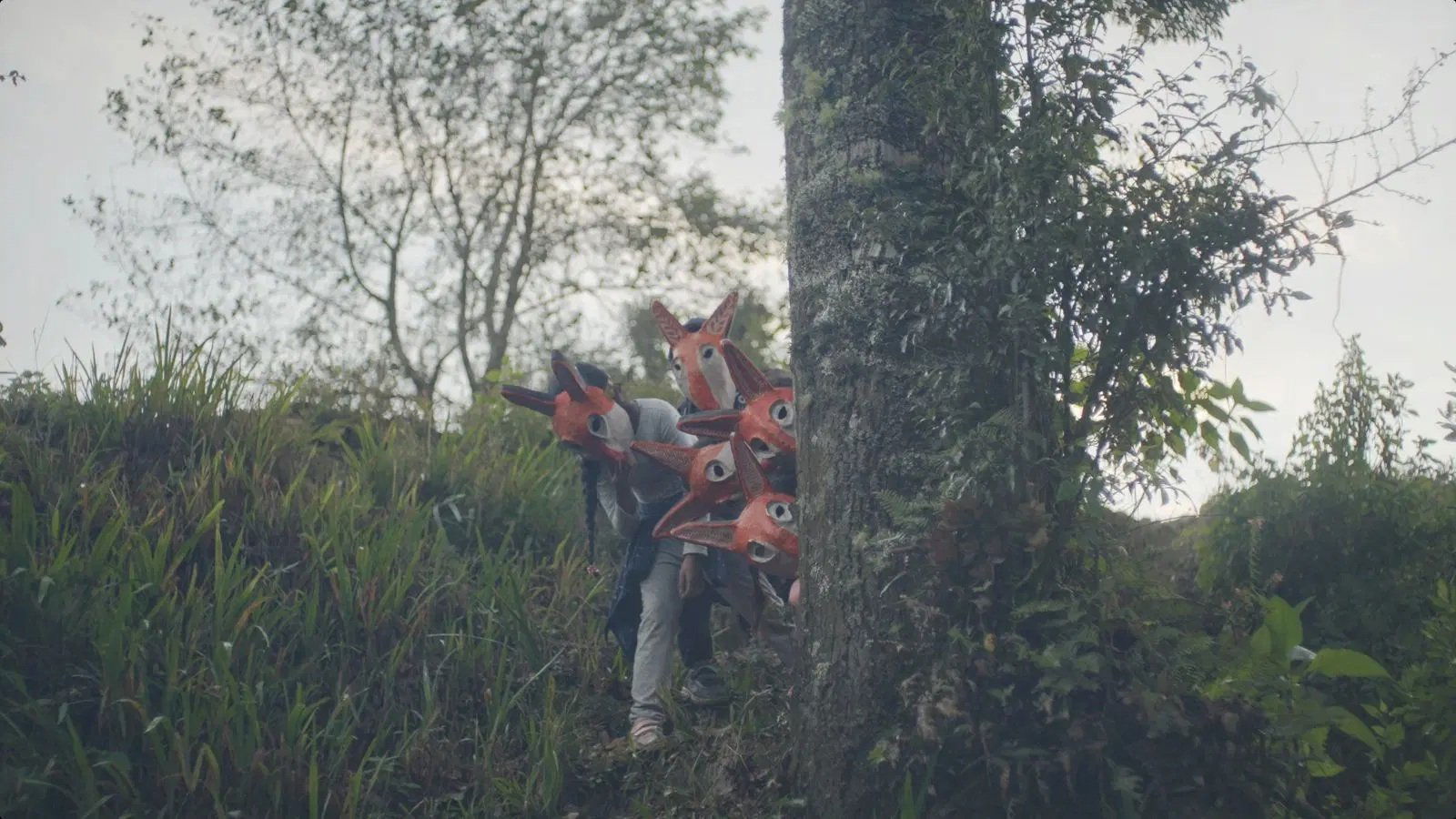
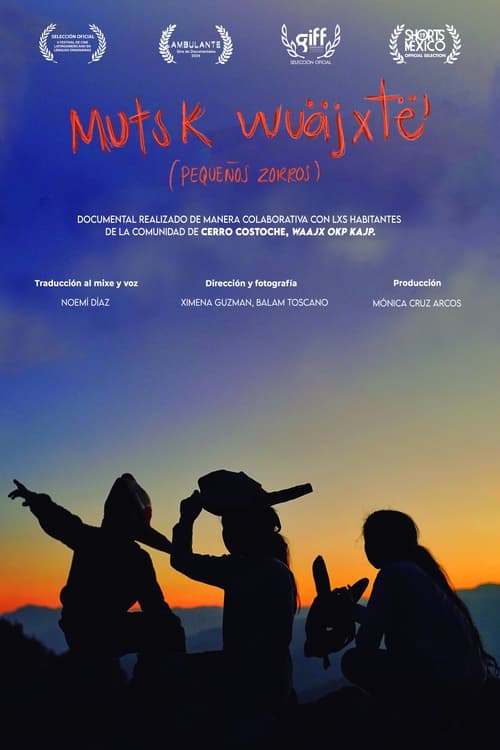
Noemí, an Ayuukjä'äy woman reflects on the loss of her native tongue with a voice that blends into day to day life in Cerro Costoche community located in the Mixe mountain rage of Oaxaca.
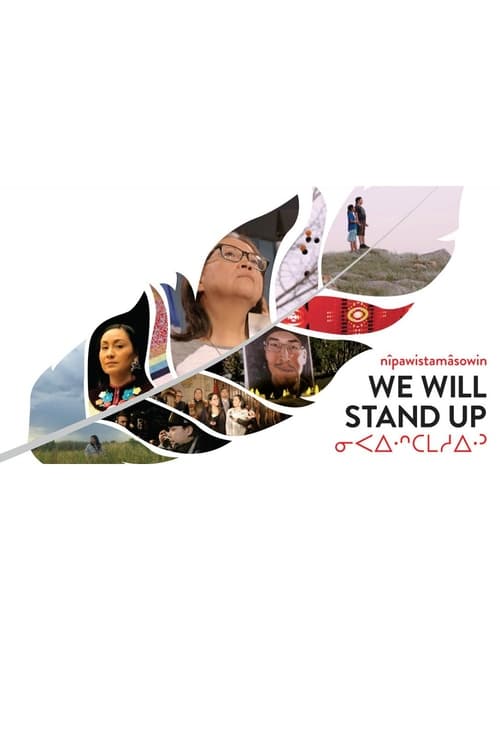
On August 9, 2016, a young Cree man named Colten Boushie died from a gunshot to the back of his head after entering Gerald Stanley's rural property with his friends. The jury's subsequent acquittal of Stanley captured international attention, raising questions about racism embedded within Canada's legal system and propelling Colten's family to national and international stages in their pursuit of justice. Sensitively directed by Tasha Hubbard, "nîpawistamâsowin: We Will Stand Up" weaves a profound narrative encompassing the filmmaker's own adoption, the stark history of colonialism on the Prairies, and a vision of a future where Indigenous children can live safely on their homelands.
At once exaltation and elegy, this documentary profiles the natural history of North Carolina's Outer Banks, a seascape of transitory barrier islands doomed to disappear.
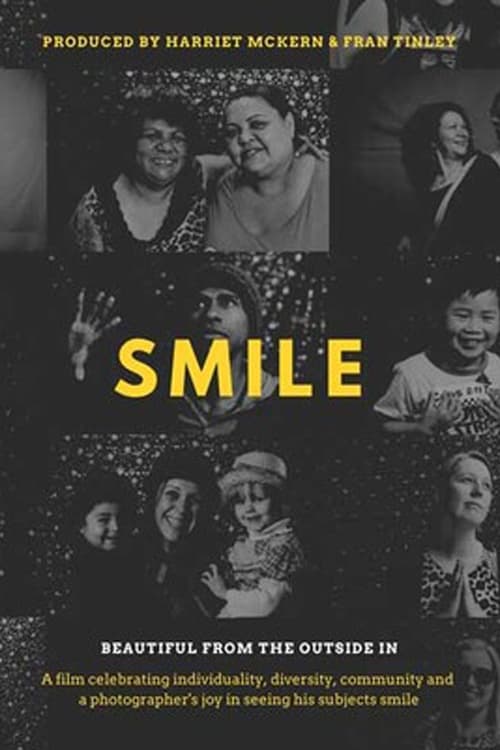
A heartwarming exploration of a community art project by photographer Tawfik Elgazzar providing free portraits for locals and passers-by in Sydney, Australia's Inner West. The film explores the nature of individuality, cultural diversity and the positive joy for the photographer of seeing his subjects smile.
A short documentary about a female truck driver in the United Kingdom.
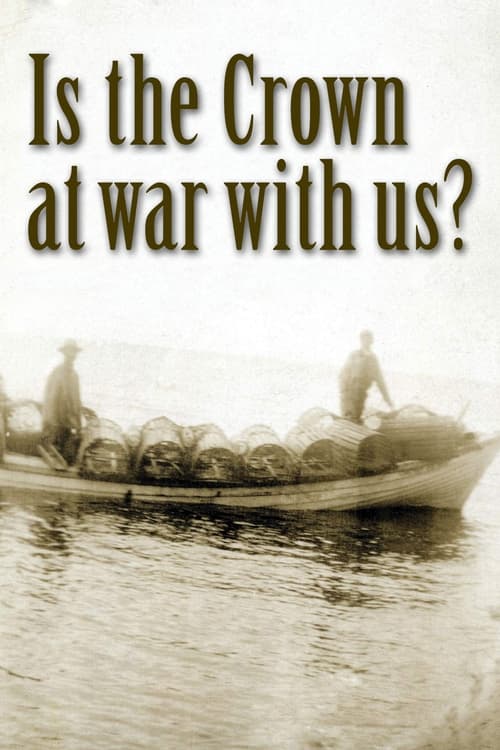
In the summer of 2000, federal fishery officers appeared to wage war on the Mi'gmaq fishermen of Burnt Church, New Brunswick. Why would officials of the Canadian government attack citizens for exercising rights that had been affirmed by the highest court in the land? Alanis Obomsawin casts her nets into history to provide a context for the events on Miramichi Bay.
John Milius narrates this featurette on the Clint Eastwood classic.
Documents the conflicts and tensions that arise between highland migrants and Mosetenes, members of an indigenous community in the Bolivian Amazon. It focuses particularly on a system of debt peonage known locally as ‘habilito’. This system is used throughout the Bolivian lowlands, and much of the rest of the Amazon basin, to secure labor in remote areas.
No overview available.
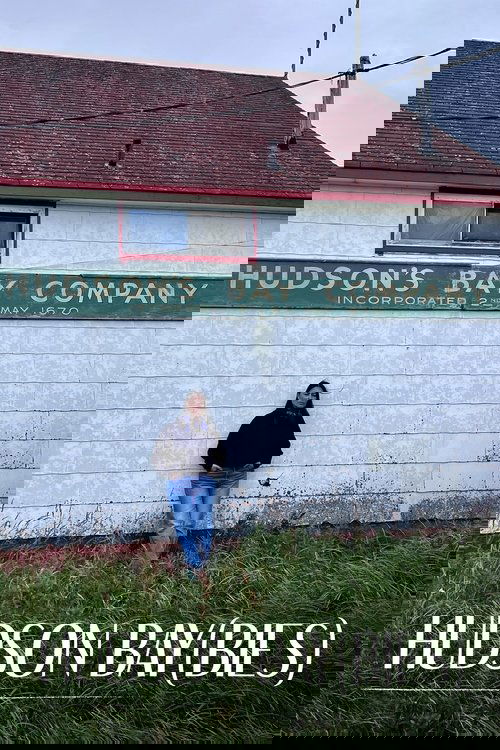
A documentary film exploring an untold part of Canada’s past through the eyes of Inuk artist and filmmaker Elisapie Isaac. After facing a moral dilemma, Elisapie sets out to meet others who, like her, are “Hudson Baybies,” the children born of the mixed unions between Indigenous women and Hudson’s Bay Company employees working in trading posts and general stores across the North.
In the remote Russian Arctic, an aging scientist and his son are trying to recreate the Ice Age. They call their experiment Pleistocene Park – a perfect home for woolly mammoths, resurrected by modern genetics. But the mammoths are only a means to a bigger end: defusing a carbon timebomb frozen in the permafrost to slow the effects of global warming.
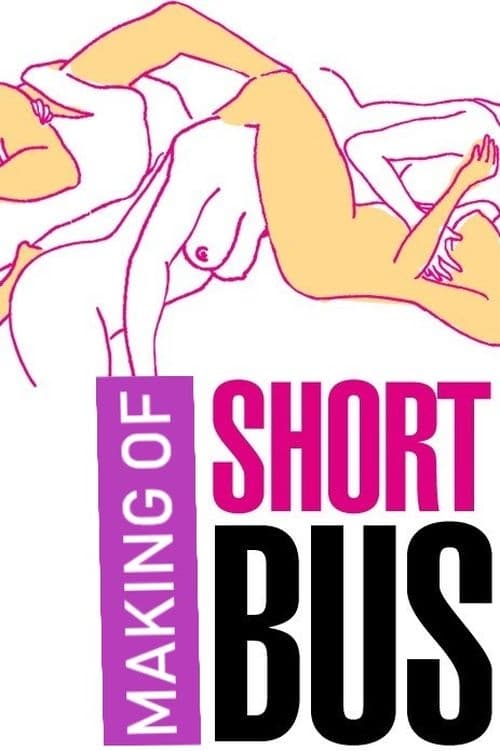
A look at the unusual process used in the making of the film Shortbus (2006) featuring interviews, behind the scenes footage and clips from the feature film. Director John Cameron Mitchell starts with the concept of using real sex in a film with a positive message. The cast of unknowns is selected from homemade audition tapes and then a callback audition workshop. More acting workshops are used to develop the characters and script. The project overcomes a number of obstacles and the rest of the film's development is followed up until its premiere at the Cannes Film Festival.
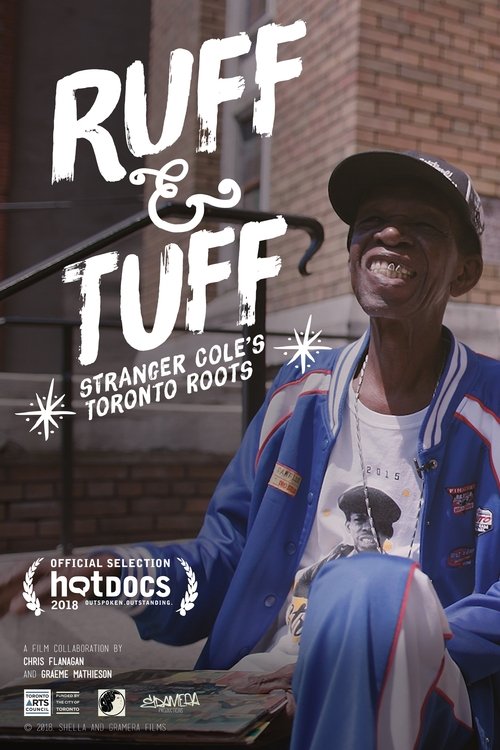
After an unsuccessful attempt at establishing himself in the early 1970s music scene, Jamaican-born reggae legend Stranger Cole opens a record store, the first Caribbean business in Toronto's Kensington Market.
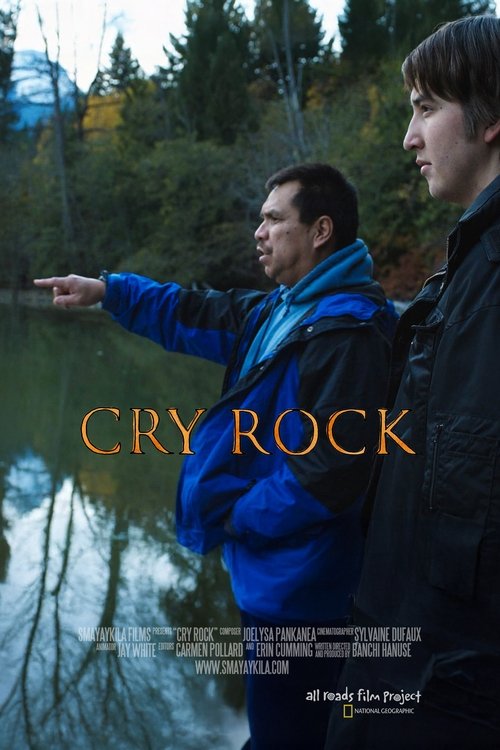
In the Bella Coola Valley, a haunting legend endures through generations as a filmmaker reckons with whether the stories of her ancestors can survive being held or if they were never meant to be captured.
This beautiful and poignant film was commissioned by TENI (Transgender Equality Network Ireland) and is a conversational piece which explores gender identity and transgender experiences in Ireland.
This short 1949 documentary studies the impact Canada's National Health Program has had on people who might otherwise not had been able to obtain medical help.
Fidgeting fish, dancing on the train, big stages – we scroll through a phone gallery. How do you find your own identity between ever-changing trends? When do the borders between real and virtual life blur? A documentary about a self-made musician who wants to stand her ground in a digital world.
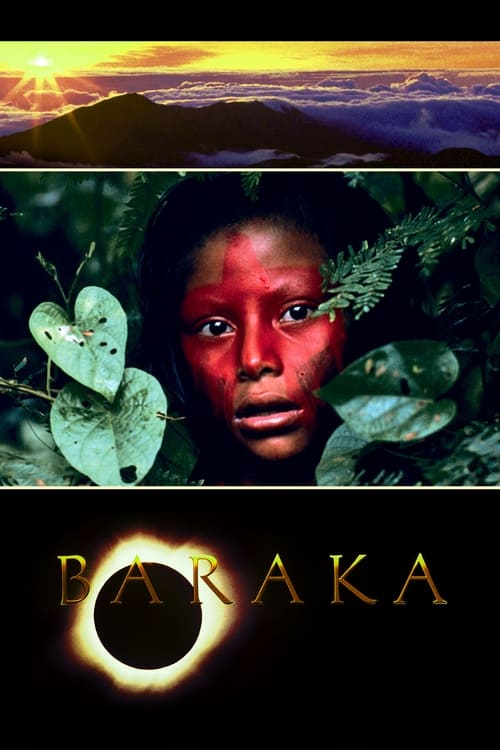
A paralysingly beautiful documentary with a global vision—an odyssey through landscape and time—that attempts to capture the essence of life.
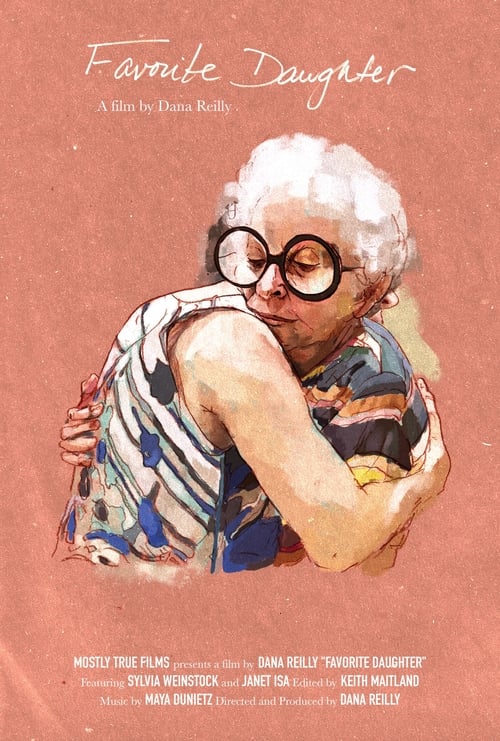
A grandmother, mother, and daughter quarantine together in a Tribeca apartment as they laugh about life over wine.
A film about the daily life of Martin, a handicapped child who will always be dependent on his parents. Ever since he was very small, Martin has had to get around in a wheelchair and has needed the constant help of an adult. Martin’s parents, Inga and Andris Skesteri, tell about their life, about their son’s character and about their hopes for the future.
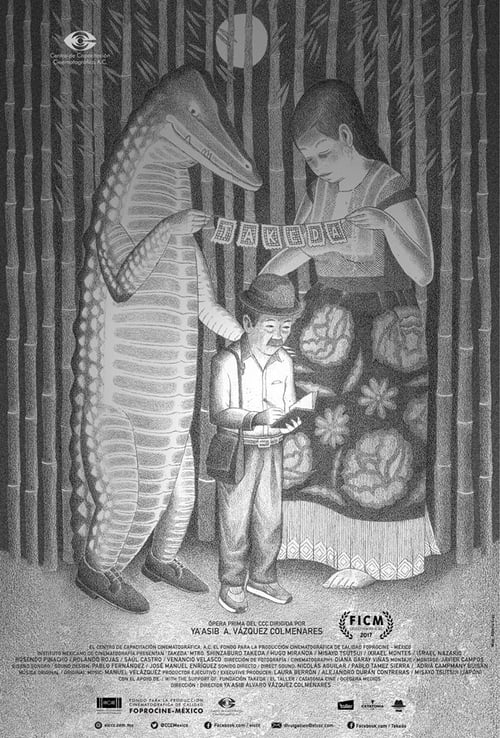
Takeda is a film about the universality of the human being seen thru the eyes of a Japanese painter that has adopted the Mexican culture.
Herself
No Trailers found.