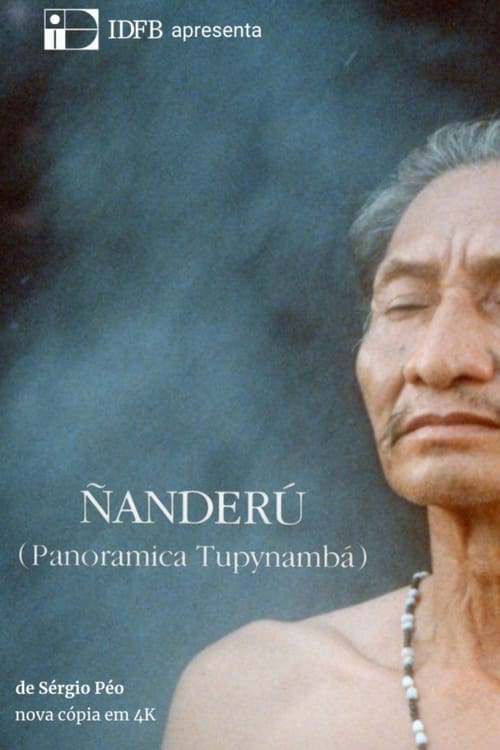
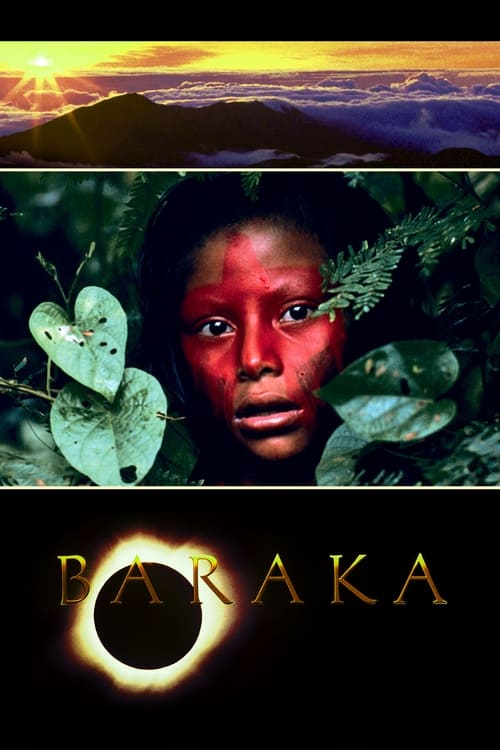
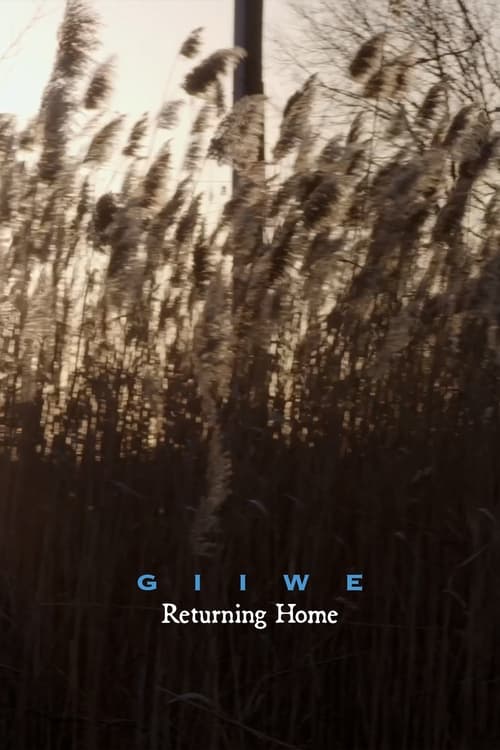
Poetic rescue of the memory of our Tupinambá ancestors. Considered extinct in the 16th century. The film has the testimony of Verá Miri, Chief / Pajé of the Guarani Mimbiá tribe.
No Cast found.
No Trailers found.
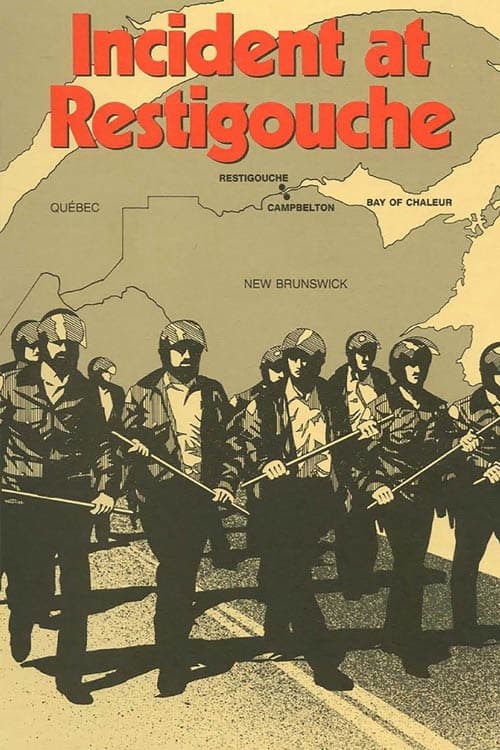
Incident at Restigouche is a 1984 documentary film by Alanis Obomsawin, chronicling a series of two raids on the Listuguj Mi'gmaq First Nation (Restigouche) by the Sûreté du Québec in 1981, as part of the efforts of the Quebec government to impose new restrictions on Native salmon fishermen. Incident at Restigouche delves into the history behind the Quebec Provincial Police (QPP) raids on the Restigouche Reserve on June 11 and 20, 1981. The Quebec government had decided to restrict fishing, resulting in anger among the Micmac Indians as salmon was traditionally an important source of food and income. Using a combination of documents, news clips, photographs and interviews, this powerful film provides an in-depth investigation into the history-making raids that put justice on trial.
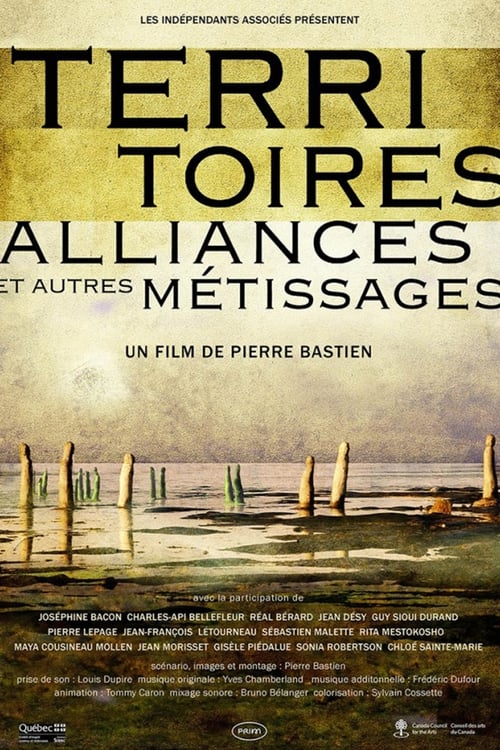
By retracing the mixed heritage of First Nations peoples and Quebecers, painting a modern portrait, and sketching a human geography, this film helps us (re)discover the beauty and strength of our common territory: the Americas.
Gil Cardinal searches for his natural family and an understanding of the circumstances that led to his becoming a foster child. An important figure in the history of Canadian Indigenous filmmaking, Gil Cardinal was born to a Métis mother but raised by a non-Indigenous foster family, and with this auto-biographical documentary he charts his efforts to find his biological mother and to understand why he was removed from her. Considered a milestone in documentary cinema, it addressed the country’s internal colonialism in a profoundly personal manner, winning a Special Jury Prize at Banff and multiple international awards.
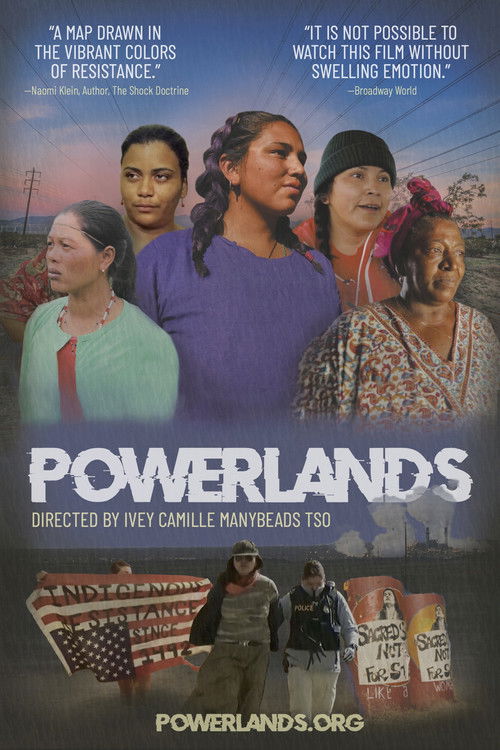
A young Navajo filmmaker investigates displacement of Indigenous people and devastation of the environment caused by the same chemical companies that have exploited the land where she was born. On this personal and political journey she learns from Indigenous activists across three continents.
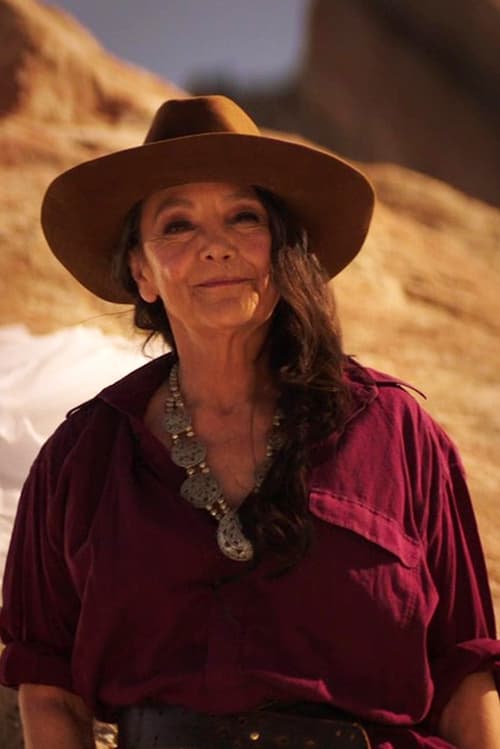
A moving portrait of actress Tantoo Cardinal, travelling through time and across the many roles she’s played, capturing her strength and her impact—and how she shattered the glass ceiling and survived.
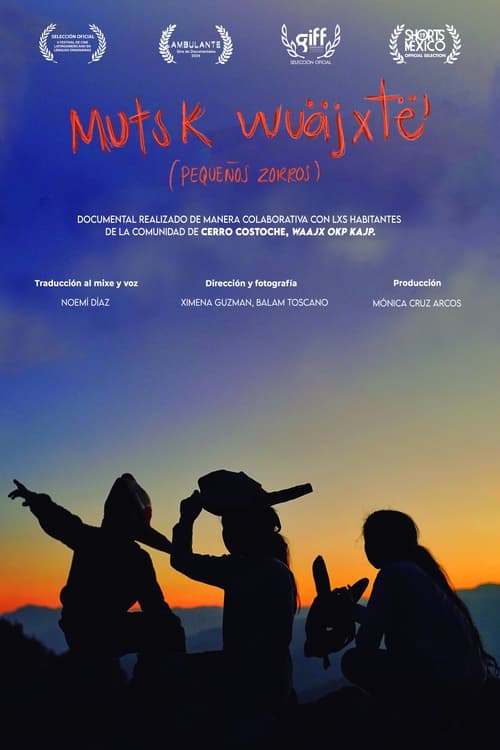
Noemí, an Ayuukjä'äy woman reflects on the loss of her native tongue with a voice that blends into day to day life in Cerro Costoche community located in the Mixe mountain rage of Oaxaca.
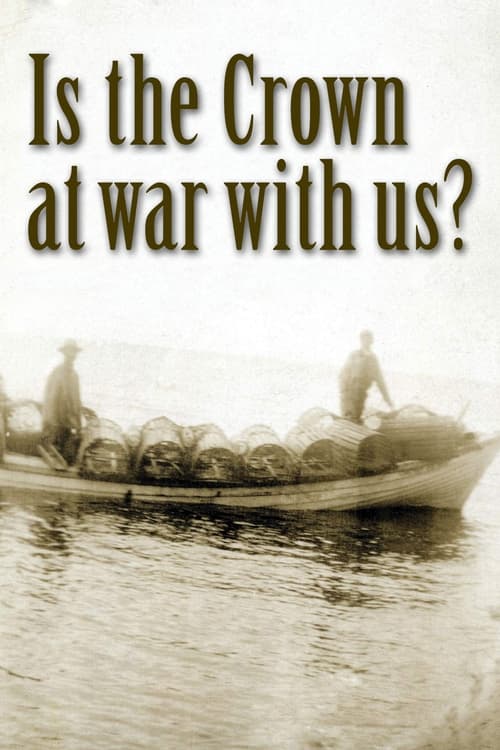
In the summer of 2000, federal fishery officers appeared to wage war on the Mi'gmaq fishermen of Burnt Church, New Brunswick. Why would officials of the Canadian government attack citizens for exercising rights that had been affirmed by the highest court in the land? Alanis Obomsawin casts her nets into history to provide a context for the events on Miramichi Bay.
A paralysingly beautiful documentary with a global vision—an odyssey through landscape and time—that attempts to capture the essence of life.
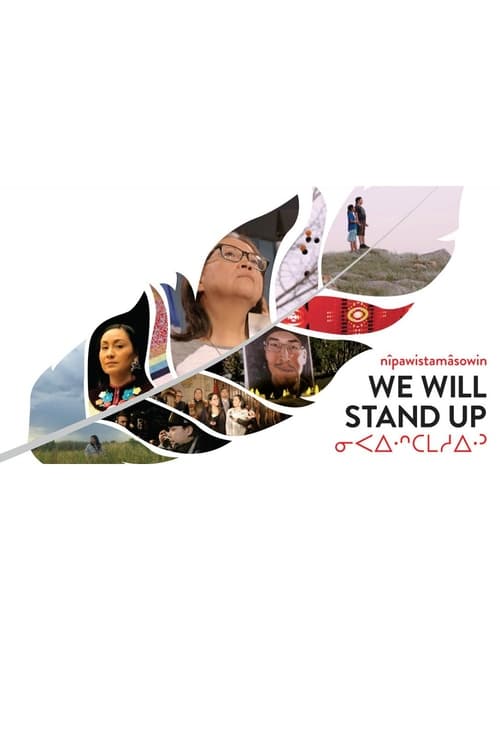
On August 9, 2016, a young Cree man named Colten Boushie died from a gunshot to the back of his head after entering Gerald Stanley's rural property with his friends. The jury's subsequent acquittal of Stanley captured international attention, raising questions about racism embedded within Canada's legal system and propelling Colten's family to national and international stages in their pursuit of justice. Sensitively directed by Tasha Hubbard, "nîpawistamâsowin: We Will Stand Up" weaves a profound narrative encompassing the filmmaker's own adoption, the stark history of colonialism on the Prairies, and a vision of a future where Indigenous children can live safely on their homelands.
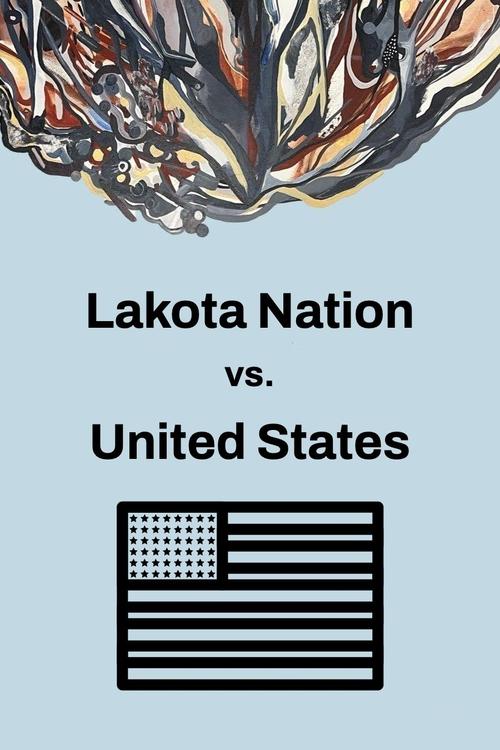
Poet Layli Long Soldier crafts a searing portrait of her Oyate’s connection to the Black Hills, through first contact and broken treaties to the promise of the Land Back movement, in this lyrical testament to resilience of a nation.
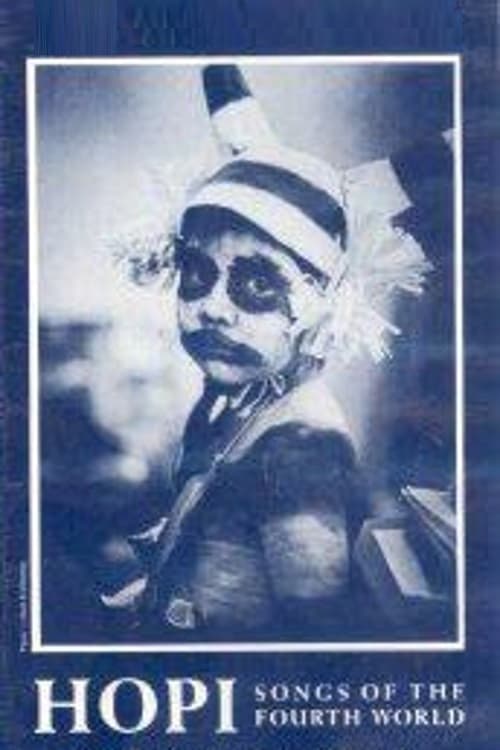
A compelling study of the Hopi that captures their deep spirituality and reveals their integration of art and daily life. Amidst beautiful images of Hopi land and life, a variety of Hopi — a farmer, a religious elder, a grandmother, a painter, a potter, and a weaver — speak about the preservation of the Hopi way. Their philosophy of living in balance and harmony with nature is a model to the Western world of an environmental ethic in action.
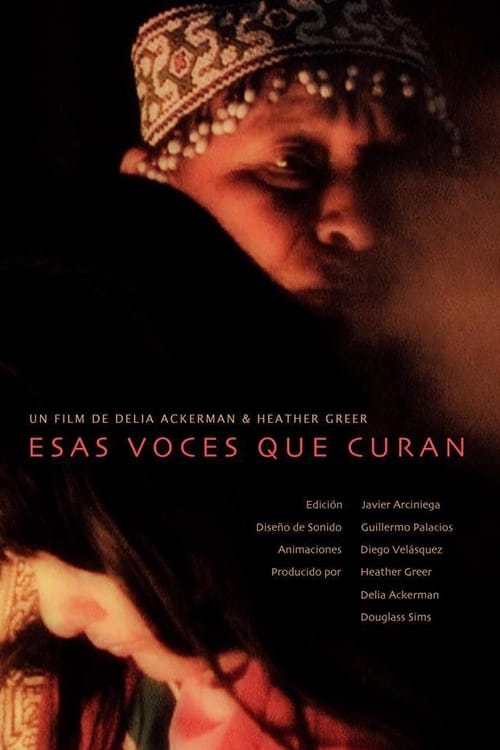
Herlinda Augustin is a Shipibo healer who lives with her family in Peruvian Amazonia. Will she and other healers be able to maintain their ancient tradition despite Western encroachment?
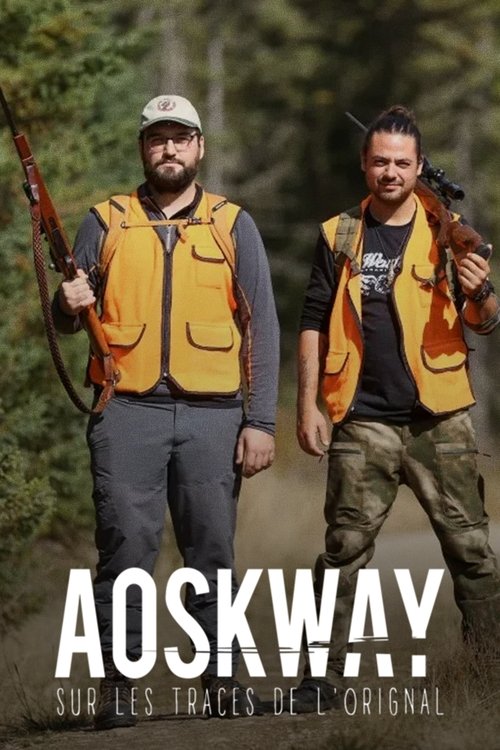
This short documentary revisits Mi’kmaq territory, where an iconic moment was captured in 2013—igniting into a symbol of Indigenous resistance and halting fracking exploration on unceded lands.
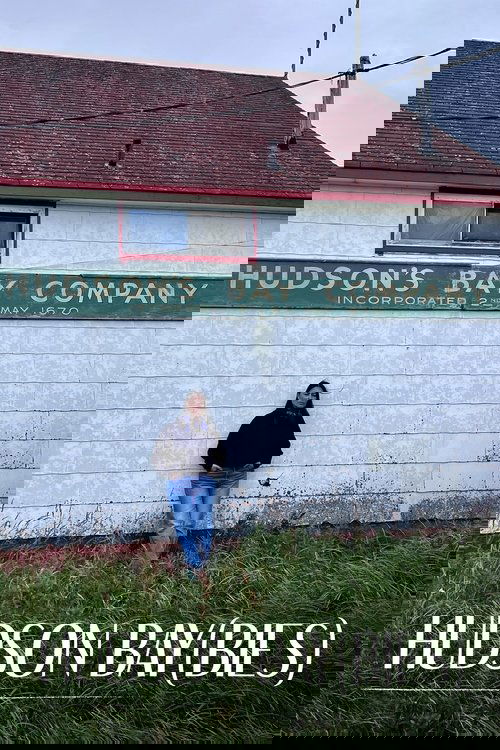
A documentary film exploring an untold part of Canada’s past through the eyes of Inuk artist and filmmaker Elisapie Isaac. After facing a moral dilemma, Elisapie sets out to meet others who, like her, are “Hudson Baybies,” the children born of the mixed unions between Indigenous women and Hudson’s Bay Company employees working in trading posts and general stores across the North.
In preparation for his first major retrospective at the Oklahoma Contemporary in 2025, Hock E Aye Vi Edgar Heap of Birds reveals thoughts, formal approaches, and philosophies toward various works, including the oral history details behind his new wall installation work, Family, that continues his practice of 'primary' and 'ghost' printing.
Documents the conflicts and tensions that arise between highland migrants and Mosetenes, members of an indigenous community in the Bolivian Amazon. It focuses particularly on a system of debt peonage known locally as ‘habilito’. This system is used throughout the Bolivian lowlands, and much of the rest of the Amazon basin, to secure labor in remote areas.
From a historic genocide trial to the overthrow of a president, the sweeping story of mounting resistance played out in Guatemala’s recent history is told through the actions and perspectives of the majority indigenous Mayan population, who now stand poised to reimagine their society.
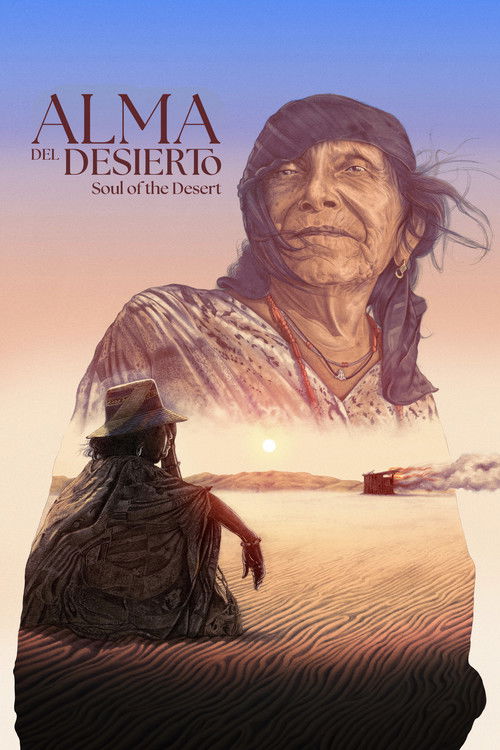
A documentary on the road that tracks the journey by Georgina, an elderly transgender woman forced to cross the sandy peninsula Guajira, on foot, to obtain the thing she has desired for almost half a century: a document that will hand her the right to be what she has always felt she was, and will allow her, at long last, to vote.
No overview available.
Following filmmaker Taye Alvis as he looks to reconnect to his community of Walpole Island First Nation. Taye will explore his relationship to Walpole Island, and how one can reconnect to their traditions and culture by way of conversation, arts, and recreation.