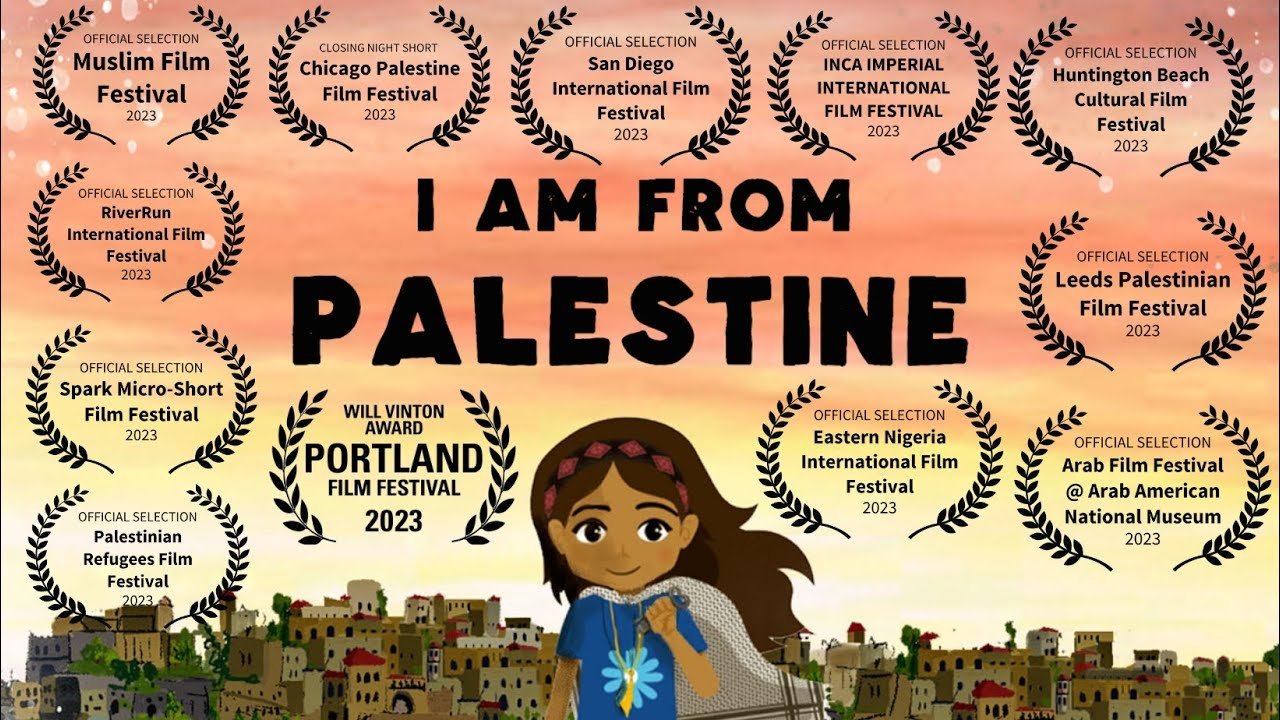
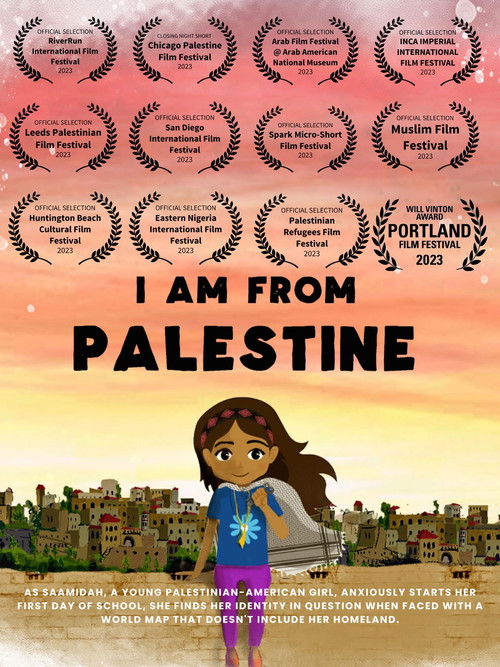
As Saamidah, a young Palestinian-American girl, anxiously starts her first day of school, she finds her identity in question when faced with a world map that doesn't include her homeland.
Trailer
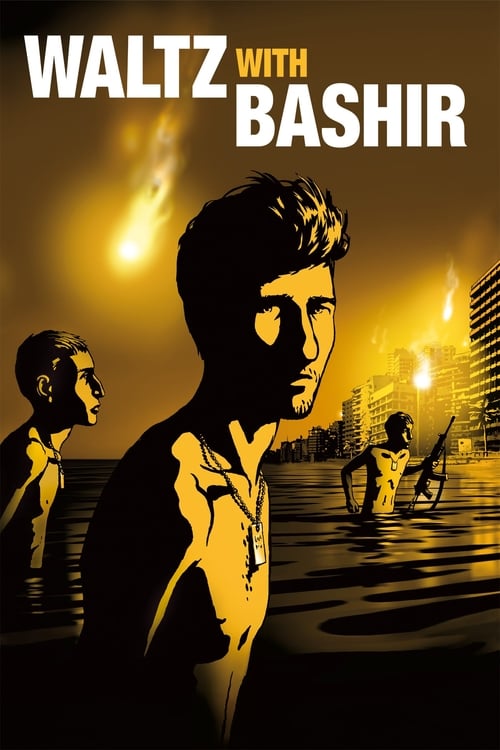
An Israeli film director interviews fellow veterans of the 1982 invasion of Lebanon to reconstruct his own memories of his term of service in that conflict.
Eleven-year-old Wardi’s great-grandfather leaves behind a will suggesting looking to the past to find the future. Searching the house, Wardi finds out about her Palestinian homeland from family memories.
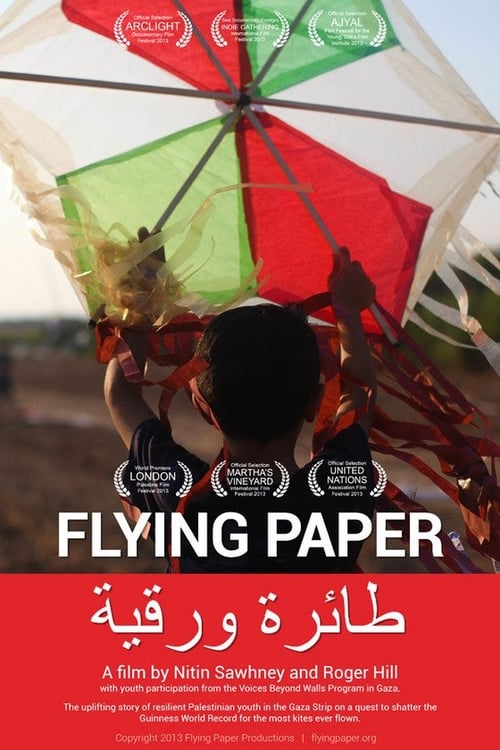
Flying Paper tells the uplifting story of resilient Palestinian youth in the Gaza Strip on a quest to shatter the Guinness World Record for the most kites ever flown.
14-year-old Zain, a Palestinian swimming champion, faces war and man-made famine. He becomes the sole caregiver to his little brother. When aid drops into the sea, desperate for food, Zain is forced to swim - not for passion, but for survival.
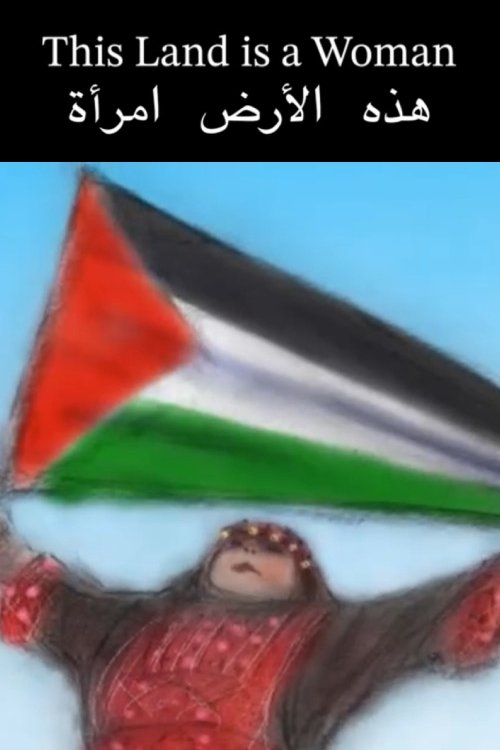
Inspired by the poem Hamza by the great Palestinian poet Fadwa Tuqan, compares and connects the mystery of the fertility of the Palestinian land to the mysterious power of it's women.
An animated tribute to the text of "If I Must Die," the final poem written by Palestinian writer, scholar, activist, and martyr Dr. Refaat Al-Areer.
Hasan Everywhere is an animation which broaches the subtlety of a relationship between a man and a woman who bear the passports of enemies, to sympathetically deal with the subjects of death, grief, lost opportunity; but mostly it seeks to demonstrate the possibility of friendship triumphing over the deepest of rifts between two people. In that regard it is most unusual among the standard fare of animated shorts.
In Layaly Badr’s documentary short, Road to Palestine, seven-year-old Layla – who has been badly injured in an air raid – lives in a refugee camp outside Palestine. Layla and her friends describe how they imagine Palestine, despite never having seen it.
The Palestinian Film Archive contained over 100 films showing the daily life and struggle of the Palestinian people. It was lost in the Israeli siege of Beirut in 1982. Here interviewees describe from memory key moments from the history of Palestinian cinema. These scenes are drawn and animated. Where film survives, the artist’s impressions are corroborated. This is a film about reconstruction and the idea that cinema is an expression of cultural identity – that cinema fuels memory.
A visual interpretation of the poem "the girl / the scream" by Mahmud Darwish.
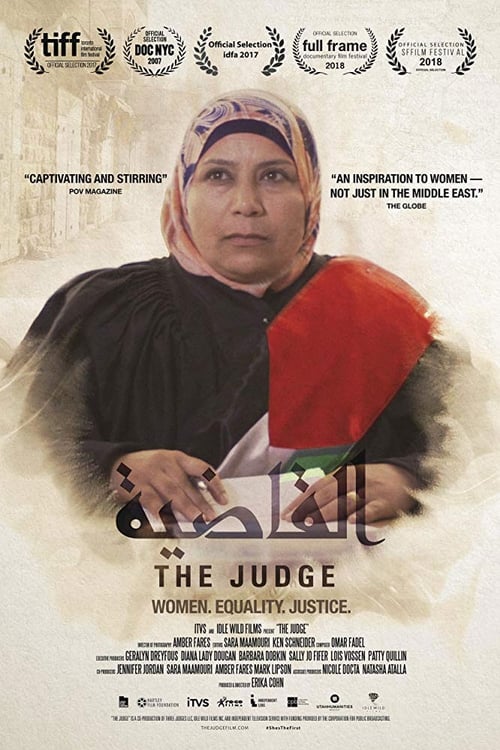
A verité legal drama about Judge Kholoud Al-Faqih, the first woman appointed to a Shari'a court in the Middle East, whose career provides rare insights into both Islamic law and gendered justice.
Mourning her mother’s death and struggling to adjust to her new life in Israel, a young girl bonds with the lonely spirit of a Palestinian child.
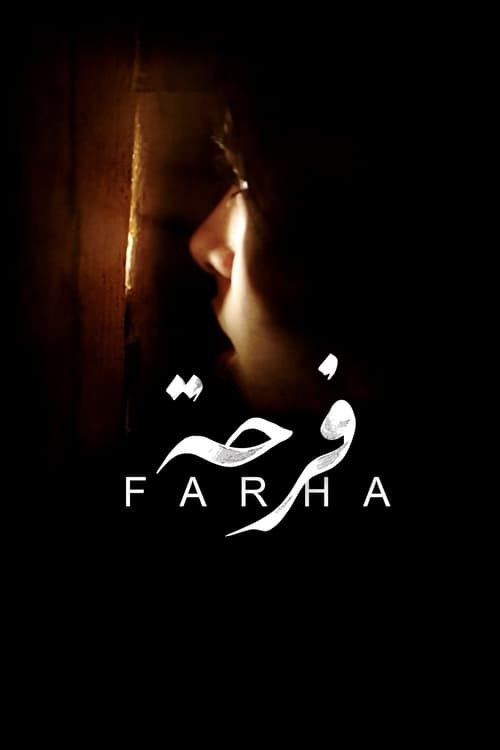
Palestine, 1948. After the withdrawal of the British occupiers, tensions rise between Arabs and Jews. Meanwhile, Farha, the smart daughter of the mayor of a small village, unaware of the coming tragedy, dreams of going to study in the big city.
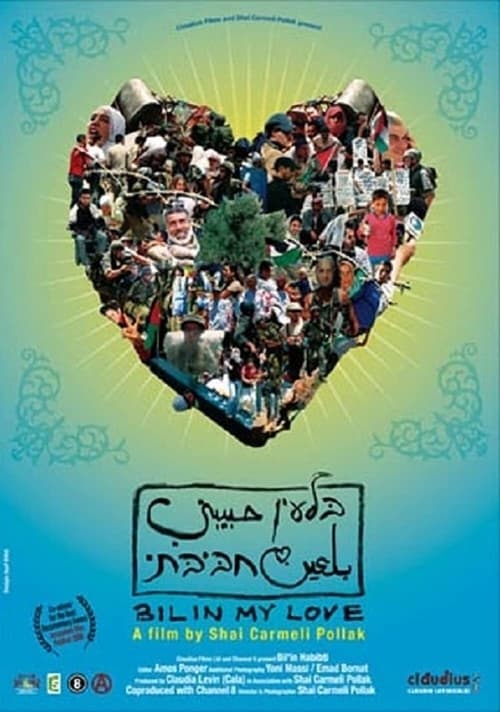
The Israeli filmmaker Shai Corneli Polak records the building of the 'security wall' through Palestinian territory at the village of Bil'in. The villagers protest mostly peacefully, while the Israeli army doesn't react peacefully. By now the Israeli High Court has ruled that the building of the wall was illegal.
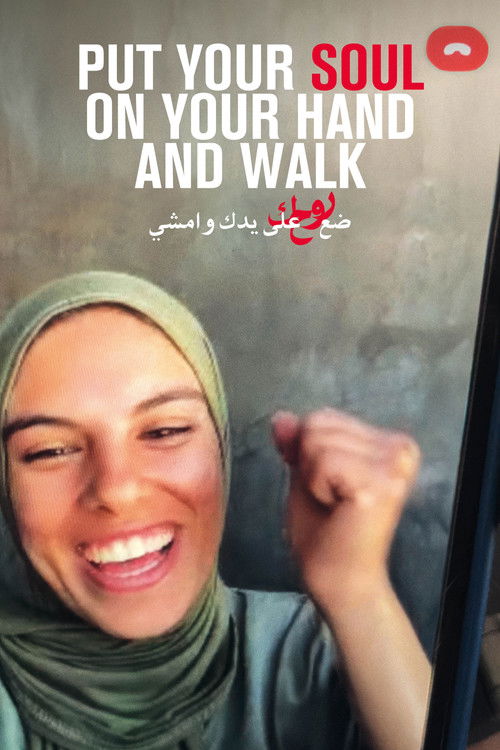
An Iranian filmmaker participates in a series of video calls with a young Palestinian photojournalist who describes her life confined in Gaza during the current regional conflict.
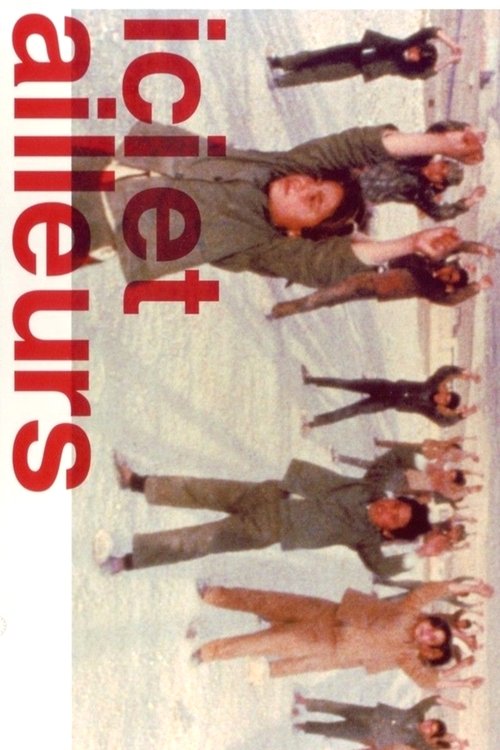
Here and Elsewhere takes its name from the contrasting footage it shows of the fedayeen and of a French family watching television at home. Originally shot by the Dziga Vertov Group as a film on Palestinian freedom fighters, Godard later reworked the material alongside Anne-Marie Miéville.
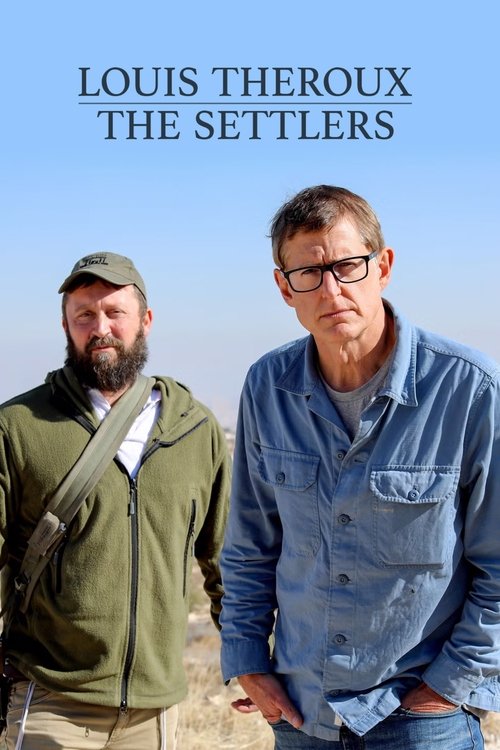
14 years after his first visit, Louis Theroux meets some of the growing community of religious-nationalist Israelis who have settled in the occupied West Bank.
A thought-provoking documentary on the current and historical causes of the Israeli-Palestinian conflict and U.S. political involvement.
Drunk and disillusioned Roman, Marcellus Gallio, wins Jesus' robe in a dice game after the crucifixion. Marcellus has never been a man of faith like his slave, Demetrius, but when Demetrius escapes with the robe, Marcellus experiences disturbing visions and feels guilty for his actions. Convinced that destroying the robe will cure him, Marcellus sets out to find Demetrius — and discovers his Christian faith along the way.
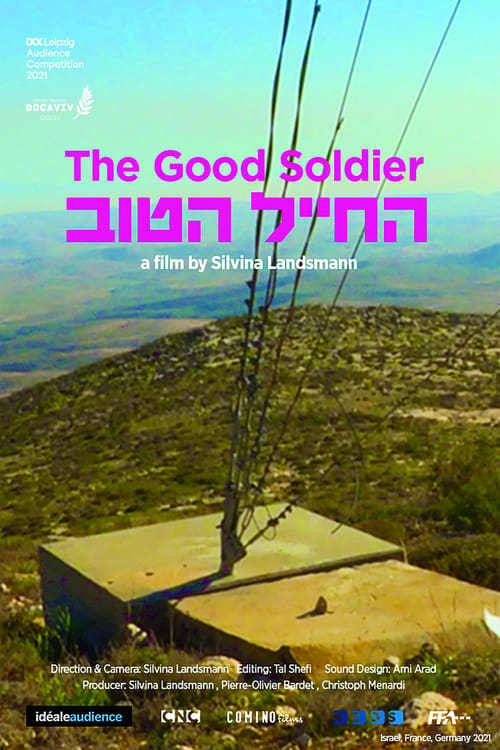
A look inside the work of Breaking the Silence, an organization of former IDF combat soldiers who collect and publish testimonies of soldiers who served in the occupied territories. For six months, director Silvina Landsmann, camera in hand, accompanied the staff of the organization. The many hours of footage have been refined into a film that dives into the heart of Breaking the Silence’s work: guided tours of Hebron and the surrounding area, public lectures and house meetings, internal staff meetings and media strategy. All the while the organization is forced to justify its very existence, both internally and to the broader public, and to justify its place in the political debate. The Good Soldier raises questions about Israel’s dynamic mainstream and the challenges of confronting it.
Saamidah
Teacher
Baba