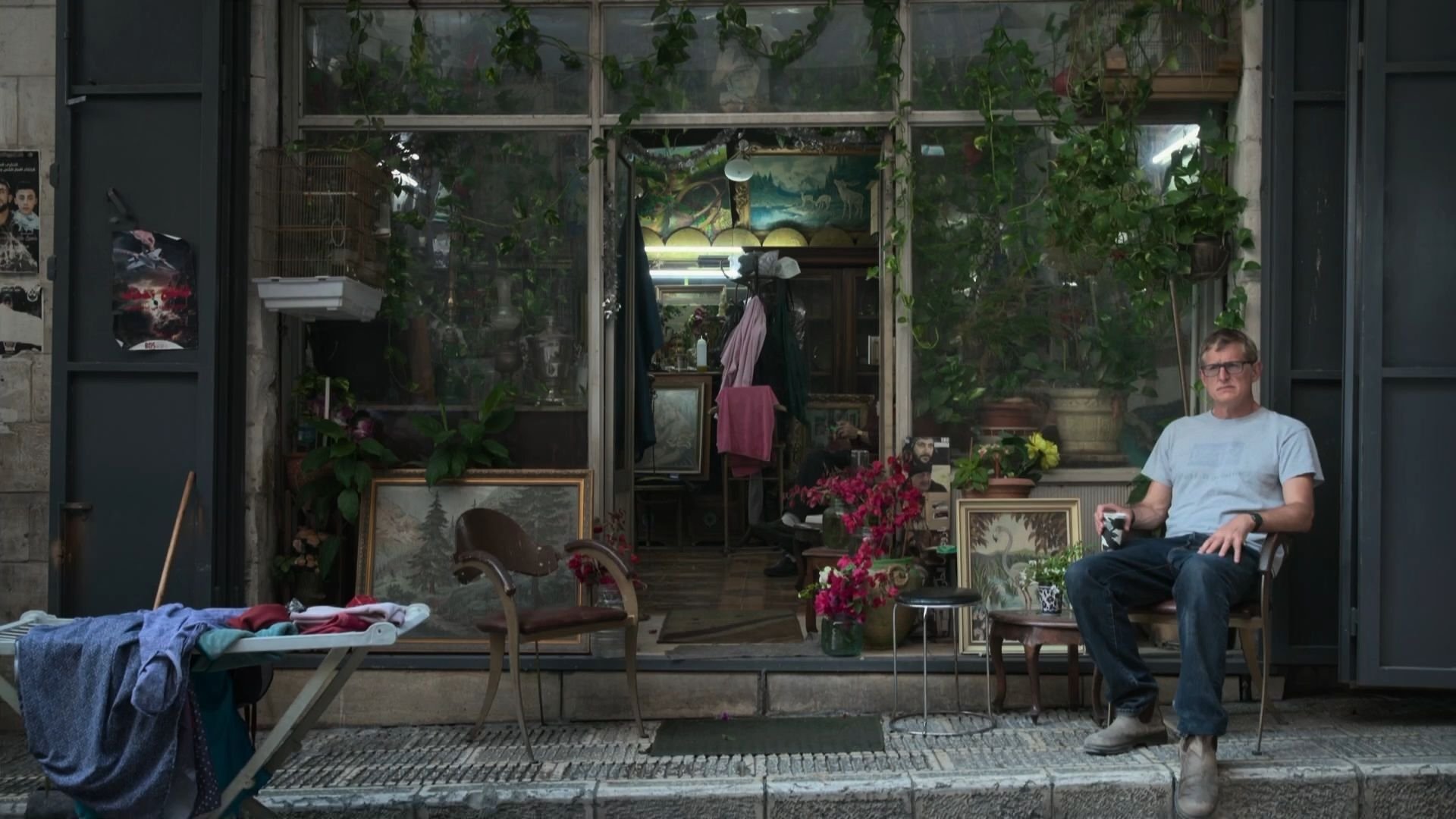
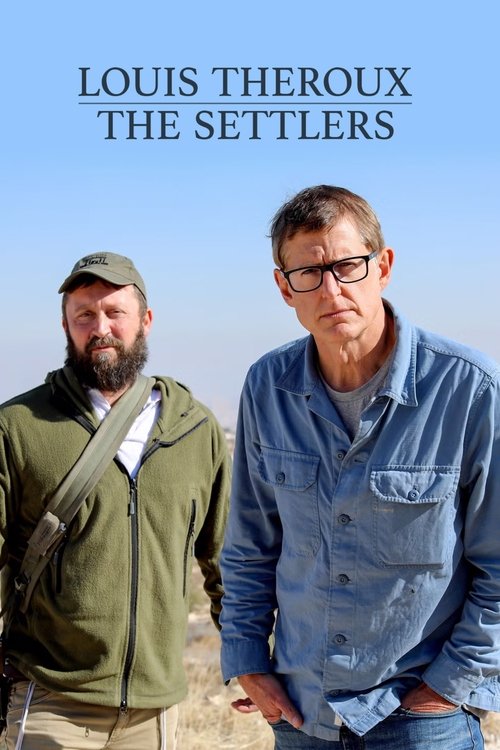
14 years after his first visit, Louis Theroux meets some of the growing community of religious-nationalist Israelis who have settled in the occupied West Bank.
Self
Trailer
A thought-provoking documentary on the current and historical causes of the Israeli-Palestinian conflict and U.S. political involvement.
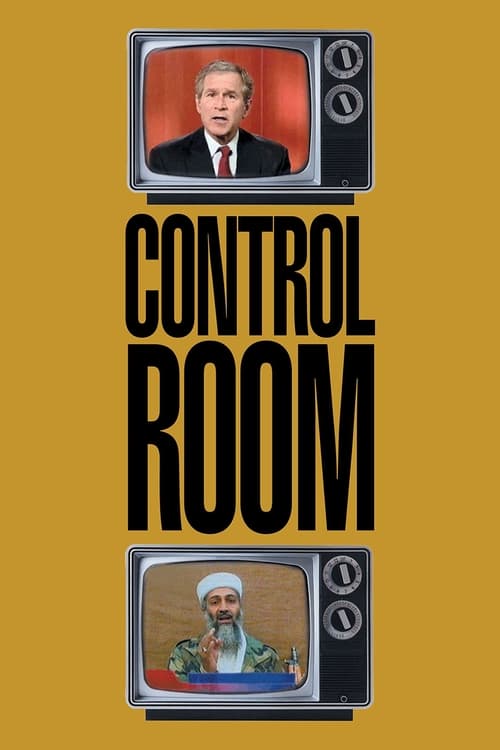
A chronicle which provides a rare window into the international perception of the Iraq War, courtesy of Al Jazeera, the Arab world's most popular news outlet. Roundly criticized by Cabinet members and Pentagon officials for reporting with a pro-Iraqi bias, and strongly condemned for frequently airing civilian causalities as well as footage of American POWs, the station has revealed (and continues to show the world) everything about the Iraq War that the Bush administration did not want it to see.
No overview available.
A portrait of two Palestinian women whose individual struggles both define and transcend the politics that have torn apart their homes and their lives. Farah Hatoum, a widow living with her children and grandchildren, and Sahar Khalifeh, a novelist from the West Bank.
Here and Elsewhere takes its name from the contrasting footage it shows of the fedayeen and of a French family watching television at home. Originally shot by the Dziga Vertov Group as a film on Palestinian freedom fighters, Godard later reworked the material alongside Anne-Marie Miéville.
In the fall of 2002, it was announced that Benjamin Netanyahu would deliver a speech at Concordia University in Montreal, and reaction from the student body was swift and sudden.
Leningrad, 1970. A group of young Jewish dissidents plot to hijack an empty plane and escape the USSR. Caught by the KGB a few steps from boarding, they were sentenced to years in the gulag and two were sentenced to death; they never got on a plane. 45 years later, filmmaker Anat Zalmanson-Kuznetsov reveals the compelling story of her parents, leaders of the group, "heroes" in the West but "terrorists" in Russia, even today.
Shot in Lebanon in 1975 just before the civil war. The director delivers a nuanced account of the complexities surrounding the Palestinian issue.
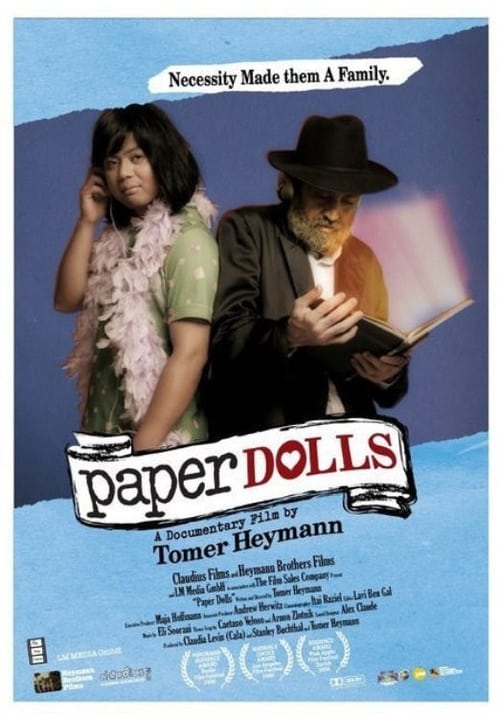
Paper Dolls follows the lives of transgender migrant workers from the Philippines who work as health care providers for elderly Orthodox Jewish men and perform as drag queens during their spare time. It also delves into the lives of societal outcasts who search for freedom and acceptance.
In this documentary road movie, filmmaker Danielle Arbid tries to conjure up an image of the country that is called Israel or Palestine.
For more than forty years, British journalist Robert Fisk has reported on some of the most violent conflicts in the world, from Northern Ireland to the Middle East, always with his feet on the ground and a notebook in hand, travelling into landscapes devastated by war, ferreting out the facts and sending reports to the media he works for with the ambition of catching the interest of an audience of millions.
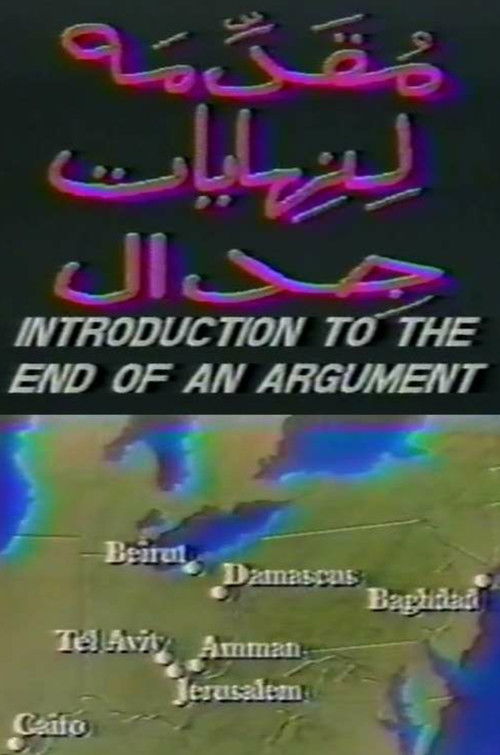
Lebanese/Canadian artist Jayce Salloum and Elia Suleiman, a Palestinian filmmaker living in New York, have taken on our accumulated (mis)impressions of the Palestinian Intifada by tracing their genesis in film and television.
A look at the work of Israel's controversial former Prime Minister Ariel Sharon.
The Birth of Israel recounts the events that led up to the 1949 Israeli war of independence resulting in the creation of the Jewish state. It features interviews with those who personally experienced the war as soldiers and civilians. It explores newspaper articles and photographs that were in circulation at the time that described the violence that was taking place.
This film analyzes the economic interests underpinning the conflict between Palestinians and Israelis, with a particular focus on the influence of international oil interests in the region. The analysis found here is inspired by the writings of the Palestinian writer and journalist Ghassan Kanafani.
Part of a series of promotional films commissioned by Romania's National Tourism Office in the early 1970s with the aim of reconnecting diasporic communities with the country they left behind. In this case, the film is addressed to Jews who emigrated in the context of the Second World War or were sold by the Romanian state to the State of Israel starting in the 50s and settled in Israel and the USA - therefore, a target group made up of seniors, probably retired , possibly prosperous, eager to revisit the places of youth and willing to forget, temporarily, the traumas associated with them.
Gaza Fights for Freedom depicts the ongoing Great March of Return protests in the Gaza Strip, occupied Palestine, that began in 2018.
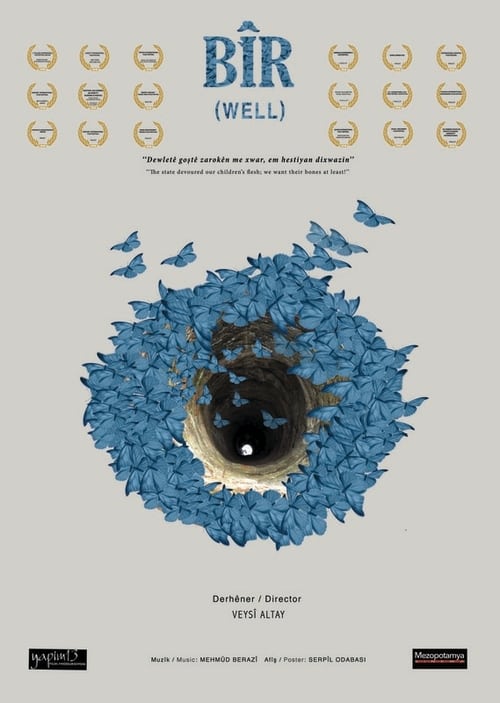
In the 1990s many people in Kurdistan were taken into custody and interrogated under torture; their killers disposed of the bodies by throwing them out of helicopters, or burying them in acid-filled wells. Thousands were murdered/disappeared by paramilitary forces—such as Jitem and Hizbul-Kontra—that were financed and supported by the state, though they have always stuck to the line: “We didn’t do it.” The documentary looks at the case of seven people, including four children, who were disappeared from the town of Kerboran [Dargeçit] in 1995, and tells the story of their families’ tireless search for their bones
After the end of the First World War, another place besides Versailles stood for the reorganization of the world: not far from the Paris Palace lies the city of Sèvres. It was there that the victorious powers of France, Great Britain and the USA sealed the fate of an empire: the Ottoman Empire was to be broken up forever. The consequences of the Treaty of Sèvres can still be felt today in the form of terror.
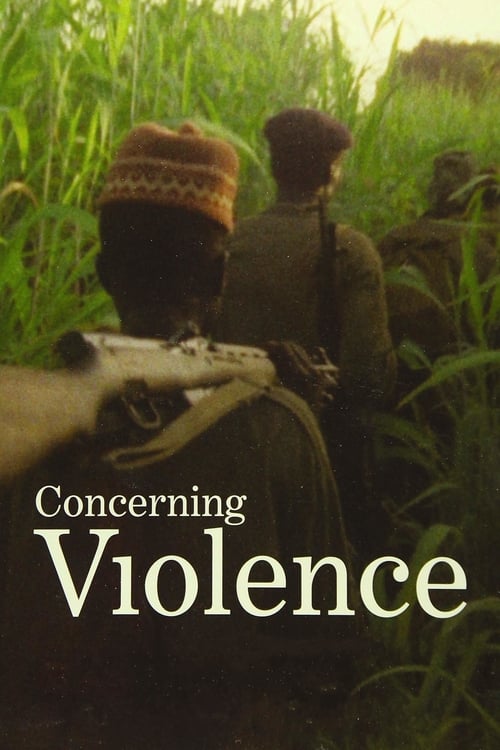
Based on powerful archival material documenting the most daring moments in the struggle for liberation in the Third World, this documentary is accompanied by classic text from The Wretched of the Earth by Frantz Fanon.