logologo
MovieVerse© 2024
Privacy PolicyTerms of ServiceContact Us
Made with ❤️ by Thathsara
movie poster
No Image Available
Sign in to create your own watchlist

For Cultural Purposes Only

Nov 1, 2009
0h 8m
★ 0.0

Overview

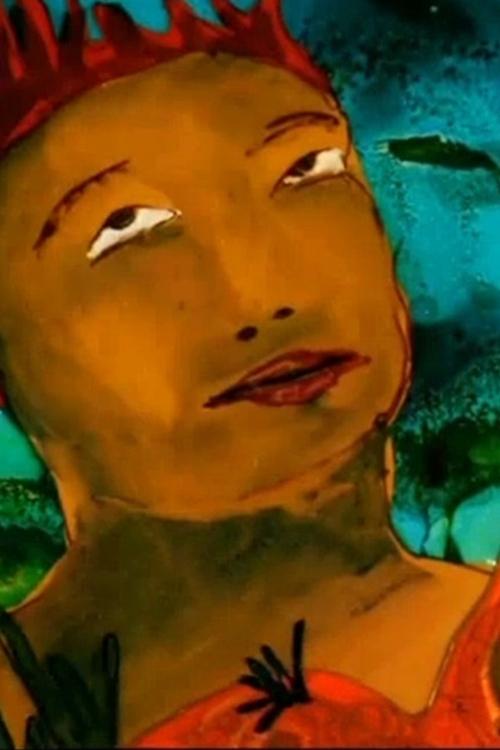
The Palestinian Film Archive contained over 100 films showing the daily life and struggle of the Palestinian people. It was lost in the Israeli siege of Beirut in 1982. Here interviewees describe from memory key moments from the history of Palestinian cinema. These scenes are drawn and animated. Where film survives, the artist’s impressions are corroborated. This is a film about reconstruction and the idea that cinema is an expression of cultural identity – that cinema fuels memory.

Genres

Animation
Documentary

Production Companies

Arts Council of England
Channel 4 Television

Cast

No Cast found.

For Cultural Purposes Only Trailers

No Trailers found.

You may also like

Beyond Right & Wrong: Stories of Justice and Forgiveness
6.2

Beyond Right & Wrong: Stories of Justice and Forgiveness

Oct 5, 2012

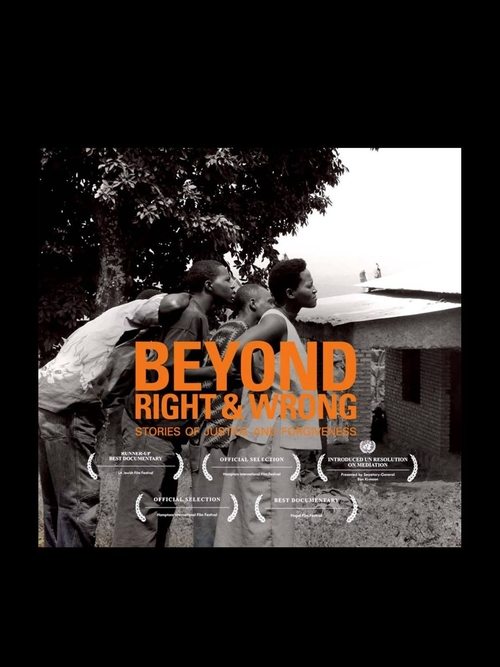
A survivor of the Rwandan Genocide struggles to forgive the man who killed her children. A victim’s daughter strikes up an unusual friendship with the ex-IRA bomber who killed her father. And two men—one Israeli, one Palestinian—form a bond after tragedies claim their daughters.

The Apple
5.0

The Apple

May 21, 1963

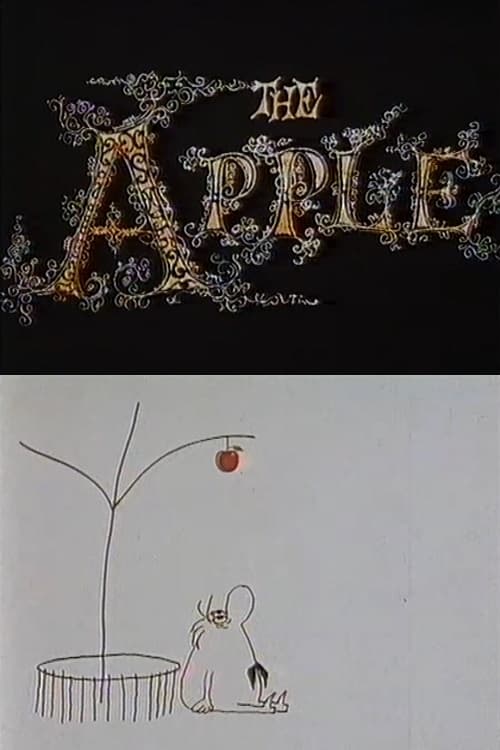
A man's repeated attempts to retrieve an apple off a high tree branch all prove fruitless. What does he want the apple for? That would be telling.

No Image Available
4.5

Ad Astra

Jun 1, 1983

An impressive parable where the artist’s creativity is paralyzed by the dull crowd can be seen as a metaphor for a totalitarian system. Cleverly designed animation shows the artist as a tied man whose creativity is hindered by the crowd. A visually attractive film with very interesting editing won an award at the Annecy festival in 1983.

Golden Bird
5.5

Golden Bird

Jan 1, 1987

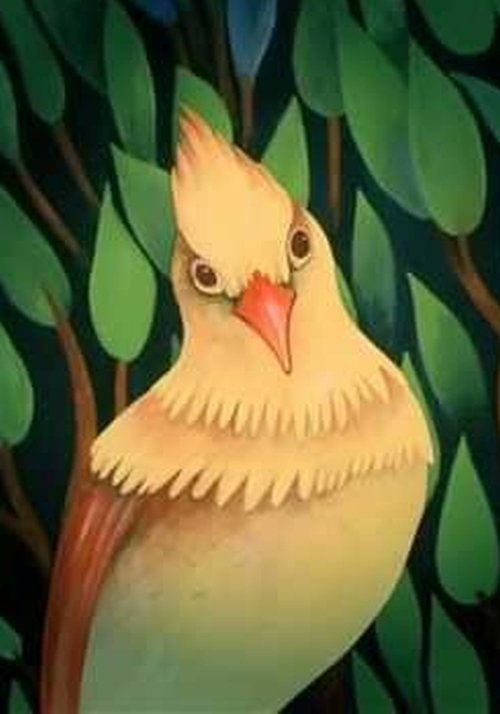
Whispered to by an ancient tree, a young shepherd dreams of more than his simple existence among grass and sheep. The journey he embarks on brings him into contact with golden birds, a dragon and a fair damsel.

A Grand Day Out
7.5

A Grand Day Out

May 18, 1990

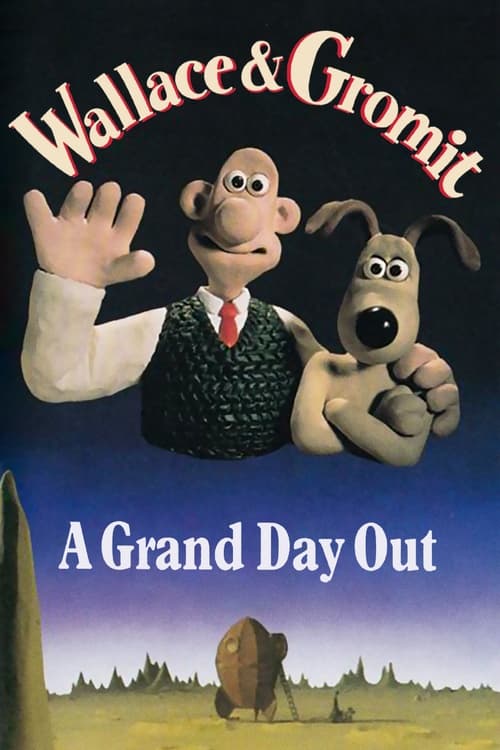
Wallace and Gromit have run out of cheese, and this provides an excellent excuse for the duo to take their holiday to the moon, where, as everyone knows, there is ample cheese. Preserved by the Academy Film Archive.

A Close Shave
7.6

A Close Shave

Mar 7, 1996

Wallace's whirlwind romance with the proprietor of the local wool shop puts his head in a spin, and Gromit is framed for sheep-rustling in a fiendish criminal plot.

Manivald
6.9

Manivald

Jun 16, 2018

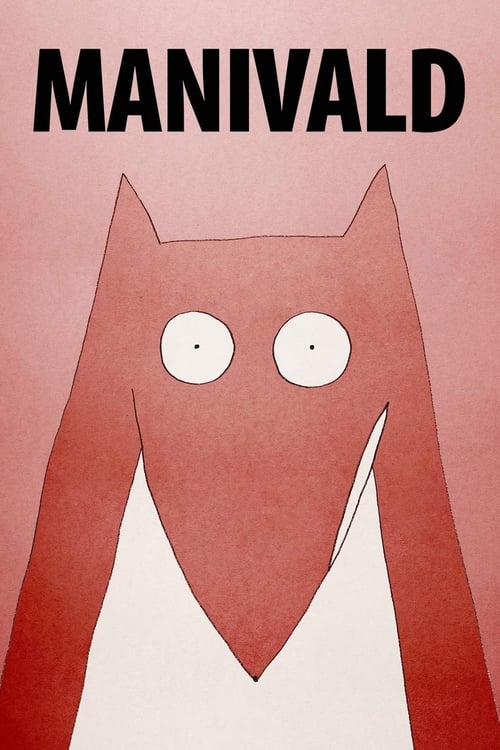
Manivald is a fox in his early 30s. He is still living at home with his mother. One day a young hot wolf called Toomas comes to fix the washing machine. A love triangle develops between the three of them. Things get out of hand and Manivald realizes that it is time to move out.

Olympia Part One: Festival of the Nations
6.9

Olympia Part One: Festival of the Nations

Apr 21, 1938

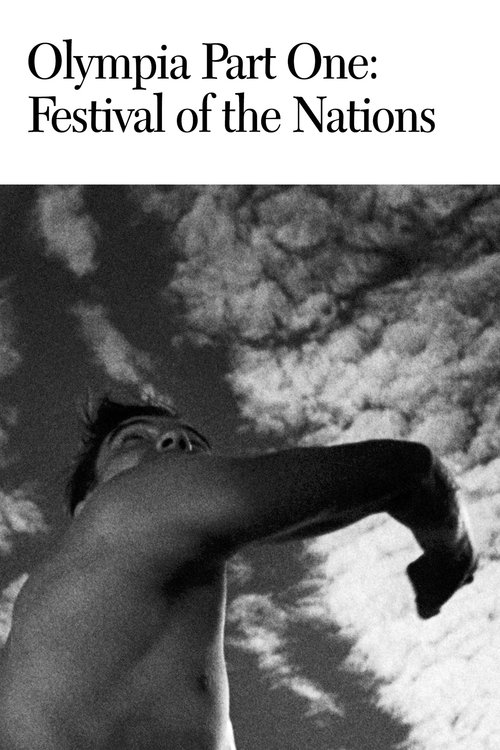
Starting with a long and lyrical overture, evoking the origins of the Olympic Games in ancient Greece, Riefenstahl covers twenty-one athletic events in the first half of this two-part love letter to the human body and spirit, culminating with the marathon, where Jesse Owens became the first track and field athlete to win four gold medals in a single Olympics.

Olympia Part Two: Festival of Beauty
6.7

Olympia Part Two: Festival of Beauty

Jun 2, 1938

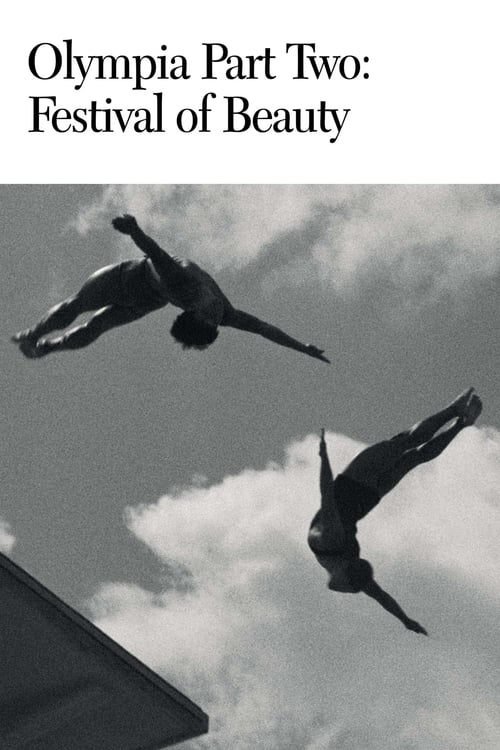
Part two of Leni Riefenstahl's monumental examination of the 1938 Olympic Games, the cameras leave the main stadium and venture into the many halls and fields deployed for such sports as fencing, polo, cycling, and the modern pentathlon, which was won by American Glenn Morris.

Workers Leaving the Lumière Factory
6.7

Workers Leaving the Lumière Factory

Mar 22, 1895

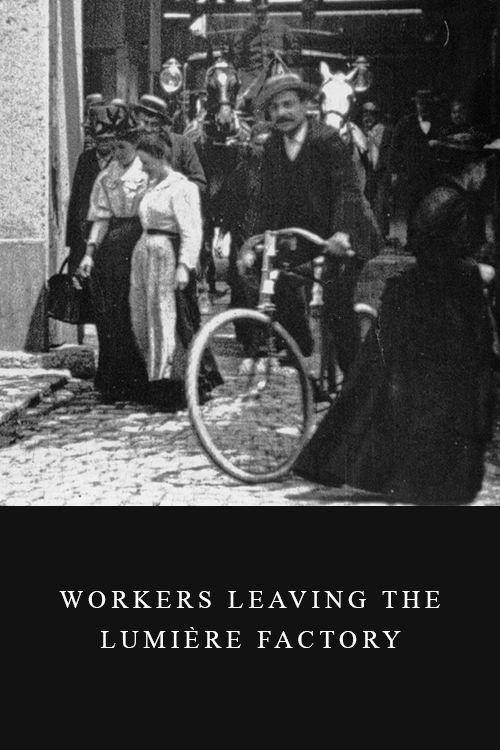
Working men and women leave through the main gate of the Lumière factory in Lyon, France. Filmed on 22 March 1895, it is often referred to as the first real motion picture ever made, although Louis Le Prince's 1888 Roundhay Garden Scene pre-dated it by seven years. Three separate versions of this film exist, which differ from one another in numerous ways. The first version features a carriage drawn by one horse, while in the second version the carriage is drawn by two horses, and there is no carriage at all in the third version. The clothing style is also different between the three versions, demonstrating the different seasons in which each was filmed. This film was made in the 35 mm format with an aspect ratio of 1.33:1, and at a speed of 16 frames per second. At that rate, the 17 meters of film length provided a duration of 46 seconds, holding a total of 800 frames.

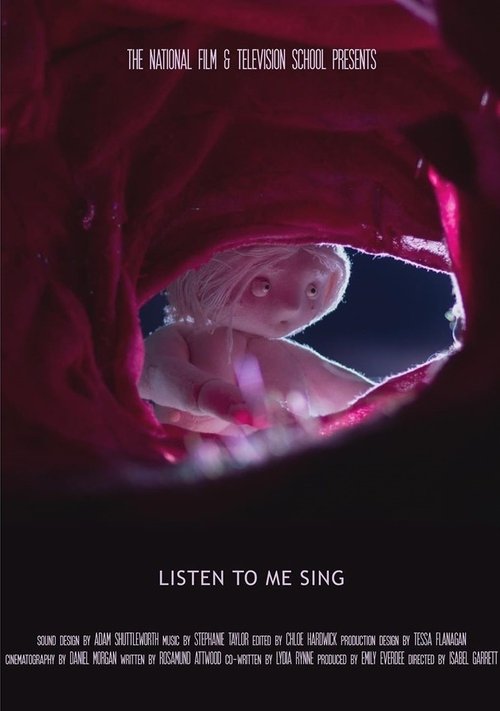
Listen To Me Sing
3.4

Listen To Me Sing

Feb 25, 2019

In a bleak hillside hotel, strange events are afoot, as something surprising drifts in on the mist… In this gorgeously made stop motion Animator, a lonely performer falls in love with a walrus. But her dreams of singing success may prove hopeless, as the audience has other plans. A deeply surreal but profoundly heartfelt film about finding your inner voice.

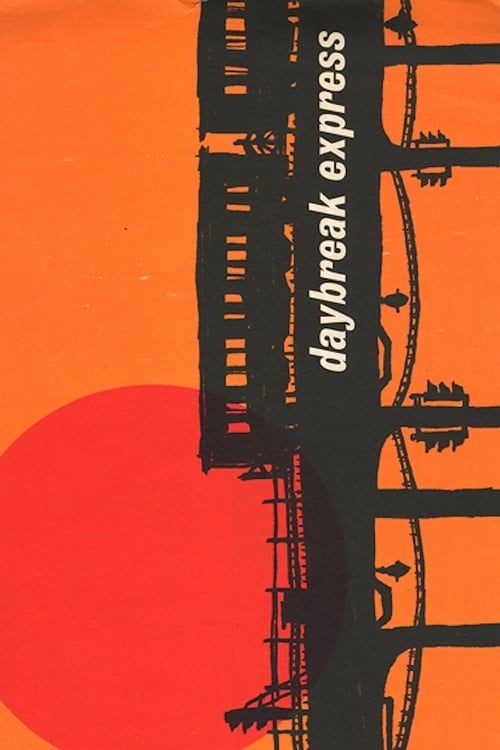
Daybreak Express
7.1

Daybreak Express

Jan 1, 1957

Set to a classic Duke Ellington recording "Daybreak Express", this is a five-minute short of the soon-to-be-demolished Third Avenue elevated subway station in New York City.

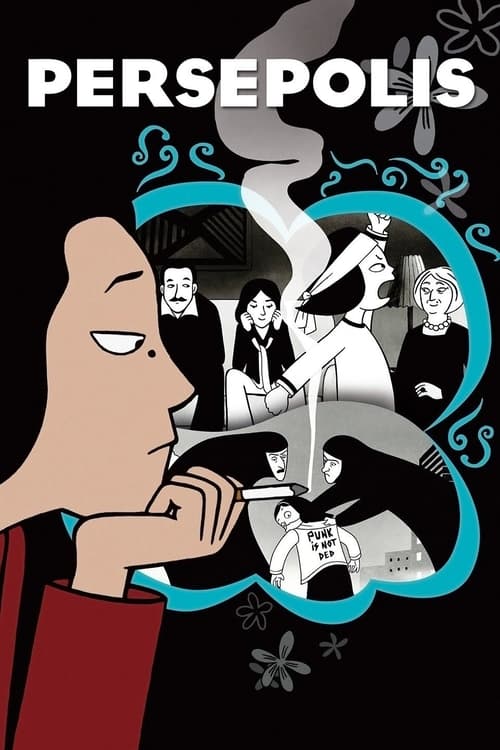
Persepolis
7.9

Persepolis

Jun 27, 2007

In 1970s Iran, Marjane 'Marji' Satrapi watches events through her young eyes and her idealistic family of a long dream being fulfilled of the hated Shah's defeat in the Iranian Revolution of 1979. However as Marji grows up, she witnesses first hand how the new Iran, now ruled by Islamic fundamentalists, has become a repressive tyranny on its own.

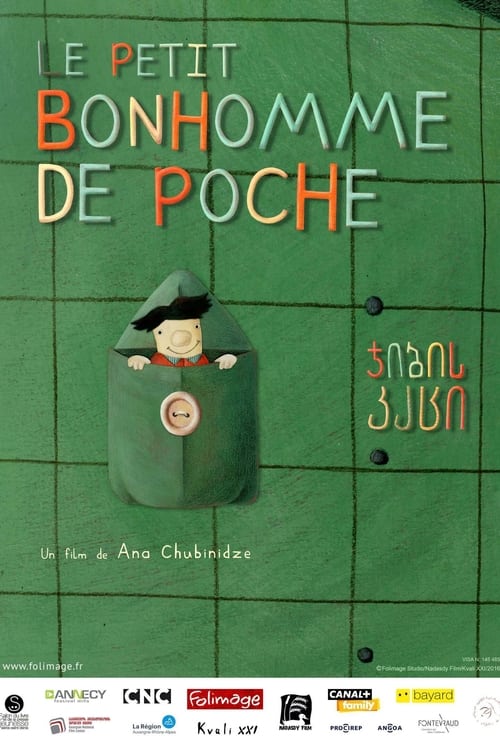
The Pocket Man
7.0

The Pocket Man

Nov 29, 2016

A little man lives in an old suitcase. One day he finds a new friend - an old blind man. The little man jumps into the blind man's pocket. With music, the pocket man helps the blind man walk and see things in the street. Both are very happy together.

Twenty Something
7.2

Twenty Something

Aug 27, 2021

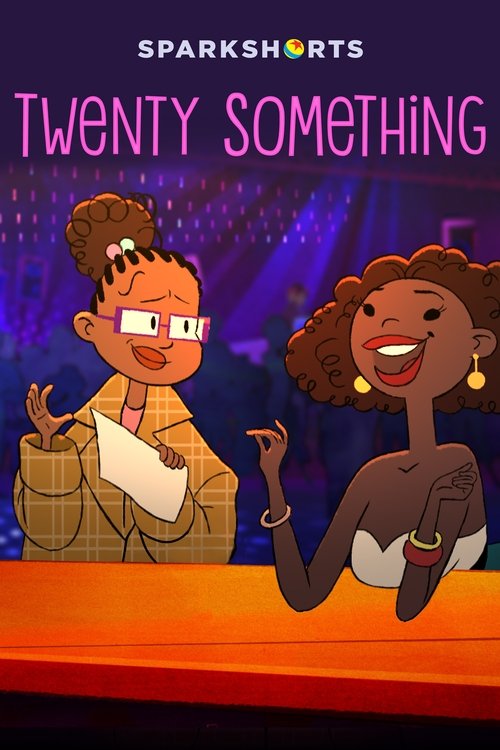
Follows Gia, who has to deal with the challenges and insecurities of "adulting" during her 21st birthday.

Where do they all go?
0.0

Where do they all go?

Apr 13, 2015

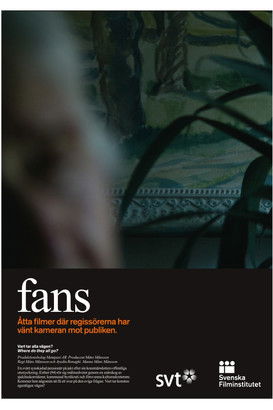
94-year old Esther, a pensioner with bad sight, is in search of her artist daugther’s public decoration. Endless phone conversations takes her through municipal bureaucracy and lost culture secretaries. Will she ever get an answer to the eternal question: Where does the art really go?

Tous Les Jours
0.0

Tous Les Jours

Nov 16, 2019

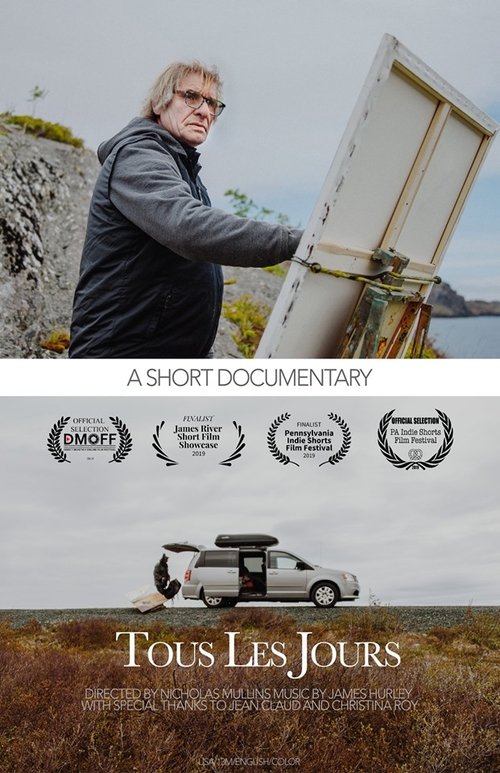
In rocky Newfoundland, renowned French artist Jean Claude Roy gathers his paints and sets off to face the day. Whether it be freezing snow, violent wind, or pouring rain, he commits vibrant colors to canvas and conquers the day by weaving crooked beauty out of difficulties.

Divisional Articulations
5.0

Divisional Articulations

May 24, 2017

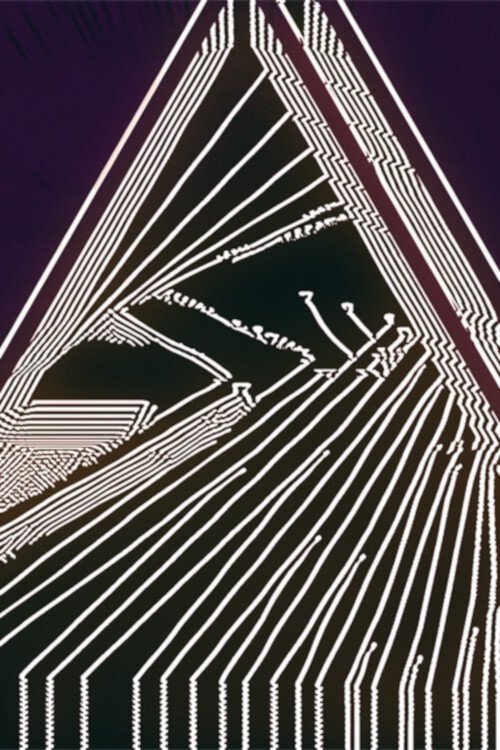
Repetition and distortion drive this audiovisual collaboration between composer Lux Prima and visual artist Max Hattler, where fuzzy analogue music and geometric digital animation collide in an electronic feedback loop, spawning arrays of divisional articulations in time and space.

Local Dive
0.0

Local Dive

Jan 1, 2000

A socially awkward girl uses the local swimming pool as a wormhole into fantasy. She dives underwater where she imagines herself as a marine creature, alternately graceful and predatory. (As described by Simon Sellars, 2008) Created as part of the SBS series "Swim Between the Flags" in 2002.

The Empty Center
0.0

The Empty Center

Jan 1, 1998

Steyerl’s film traces the impact of an influx of transnational companies on the city dwellers of Berlin in post-reunification Germany. The effect of the changing economy and politics on the city and its inhabitants is echoed through their physical relocation to its outer edges. In 1990, squatters proclaim a socialist republic on the death strip. Eight years later, the new headquarters of Mercedes Benz are built in the same location. The film makes use of slow super-impositions to uncover a journey across changing architectural and cultural boundaries. "The Empty Centre" tries to give a voice and a history to those who continue to be marginalised by the simultaneous dismantling and reconstruction of the borders which they are trying to cross.