No Cast found.
No Trailers found.
Filmed in Cordoba, Granada, Seville, and Toledo, this documentary retraces the 800-year period in medieval Spain when Muslims, Christians, and Jews forged a common cultural identity that frequently transcended their religious differences, revealing what made this rare and fruitful collaboration possible, and what ultimately tore it apart.
No overview available.
Stamford Hill in North London is home to a community of 30,000 Hasidic Jews. Aiming to preserve a way of life they had in eighteenth century Poland and living strictly according to over 600 Biblical commandments brings them into conflict with modern life. They have embraced one aspect fully though, the Volvo Estate car.
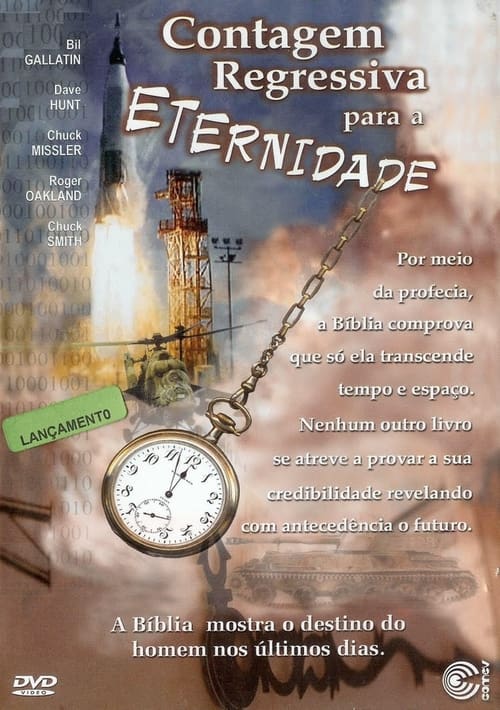
Bible expert Bill Gallatin explores biblical prophecies from the Book of Revelation that have transpired, with a discussion of whether these events signify that we are now living in the End Times preceding the return of Jesus Christ. Gallatin touches on events such as the increasingly acute difficulties in the Middle East, numerous environmental catastrophes, earthquakes and more, explaining how they connect to scriptural writings.
Paul Wellstone was the charismatic Minnesota progressive who used grassroots organizing to get elected and give ordinary people a stake in government. His 3rd election campaign was cut short when his small plane crashed into the north woods of Minnesota just 11 days before the 2002 election. Wellstone! explores the origin of his politics, his controversial road to the United States Senate, his deep bond with his wife and 'co-senator' Sheila, and the legacy of a life of progressive populism.
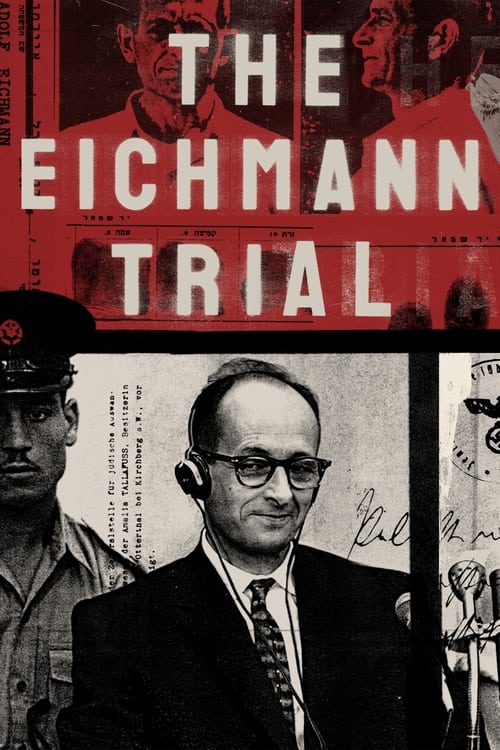
In 1961, history was on trial... in a trial that made history. Just 15 years after the end of WWII, the Holocaust had been largely forgotten. That changed with the capture of Adolf Eichmann, a former Nazi officer hiding in Argentina. Through rarely-seen archival footage, The Eichmann Trial documents one of the most shocking trials ever recorded, and the birth of Holocaust awareness and education.
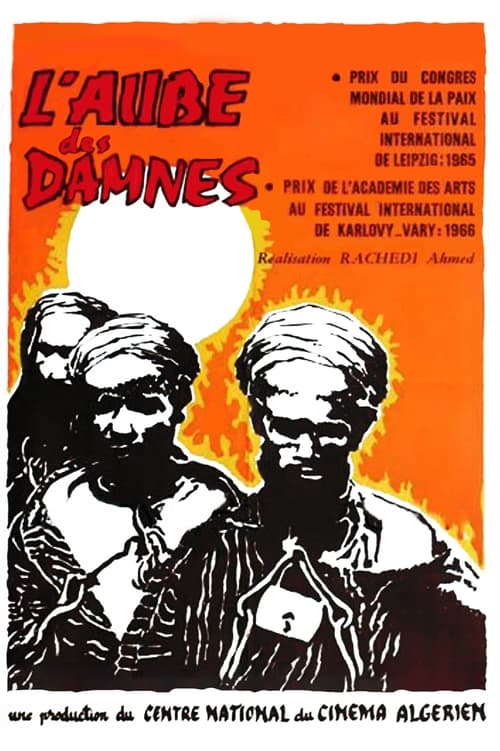
This excellent feature-length documentary - the story of the imperialist colonization of Africa - is a film about death. Its most shocking sequences derive from the captured French film archives in Algeria containing - unbelievably - masses of French-shot documentary footage of their tortures, massacres and executions of Algerians. The real death of children, passers-by, resistance fighters, one after the other, becomes unbearable. Rather than be blatant propaganda, the film convinces entirely by its visual evidence, constituting an object lesson for revolutionary cinema.
A thought-provoking documentary on the current and historical causes of the Israeli-Palestinian conflict and U.S. political involvement.
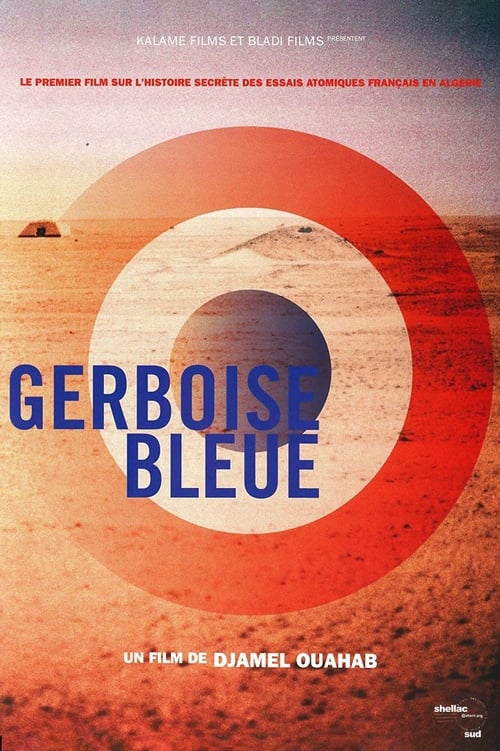
"Gerboise bleue", the first French atomic test carried out on February 13, 1960 in the Algerian Sahara, is the starting point of France's nuclear power. These are powerful radioactive aerial shots carried out in areas belonging to the French army. Underground tests will follow, even after the independence of Algeria. From 1960 to 1978, 30,000 people were exposed in the Sahara. The French army was recognized recognized nine irradiations. No complaint against the army or the Atomic Energy Commission has resulted. Three requests for a commission of inquiry were rejected by the National Defense Commission. For the first time, the last survivors bear witness to their fight for the recognition of their illnesses, and revealed to themselves in what conditions the shootings took place. The director goes to the zero point of "Gerboise Bleue", forbidden access for 47 years by the Algerian authorities
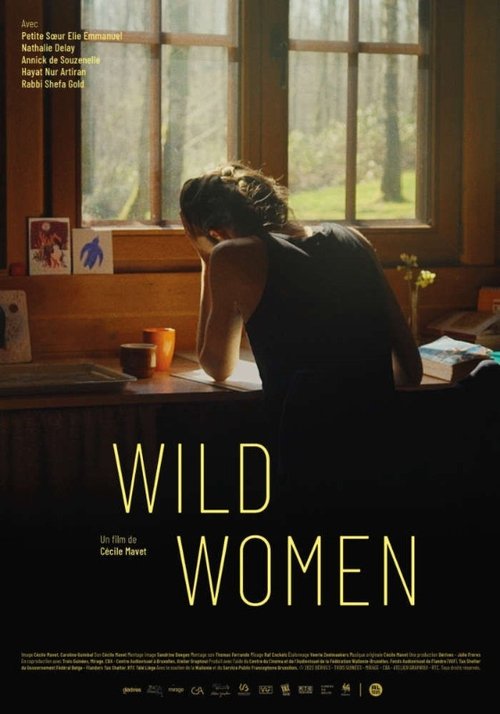
At the beginning of winter, a filmmaker retires for six months to a hermit's cabin in the middle of the forest, cut off from the world and its means of communication. Through the words of four women she has filmed previously, all of whom have dedicated their lives to different forms of spirituality, she embarks on a mysterious inner adventure, on the edge of solitude and nature. A journey that invites us to connect with the world in a different way.
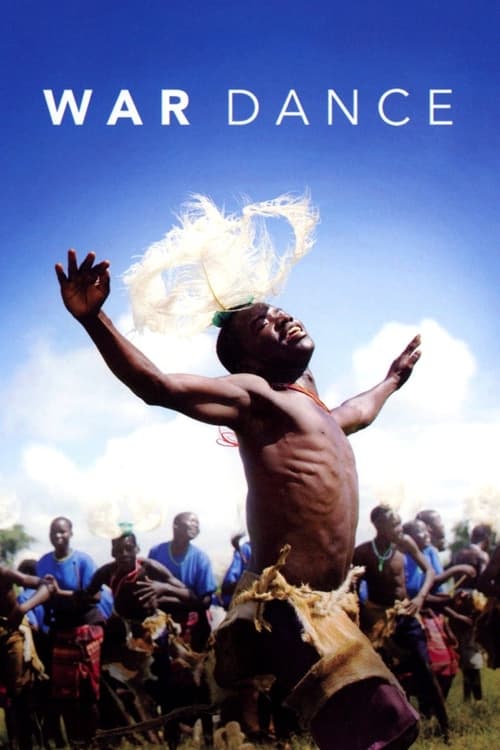
Three children living in a displacement camp in northern Uganda compete in their country's national music and dance festival.
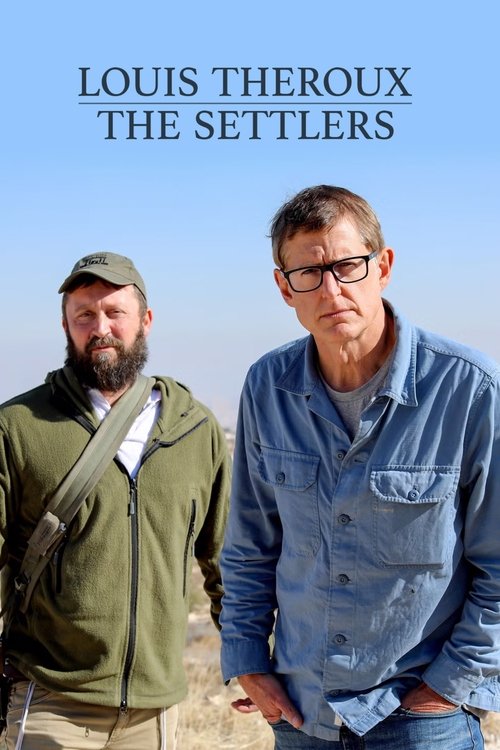
14 years after his first visit, Louis Theroux meets some of the growing community of religious-nationalist Israelis who have settled in the occupied West Bank.
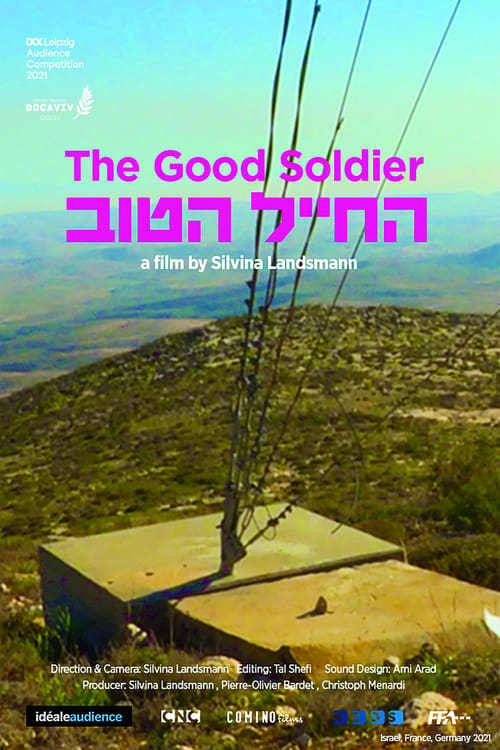
A look inside the work of Breaking the Silence, an organization of former IDF combat soldiers who collect and publish testimonies of soldiers who served in the occupied territories. For six months, director Silvina Landsmann, camera in hand, accompanied the staff of the organization. The many hours of footage have been refined into a film that dives into the heart of Breaking the Silence’s work: guided tours of Hebron and the surrounding area, public lectures and house meetings, internal staff meetings and media strategy. All the while the organization is forced to justify its very existence, both internally and to the broader public, and to justify its place in the political debate. The Good Soldier raises questions about Israel’s dynamic mainstream and the challenges of confronting it.
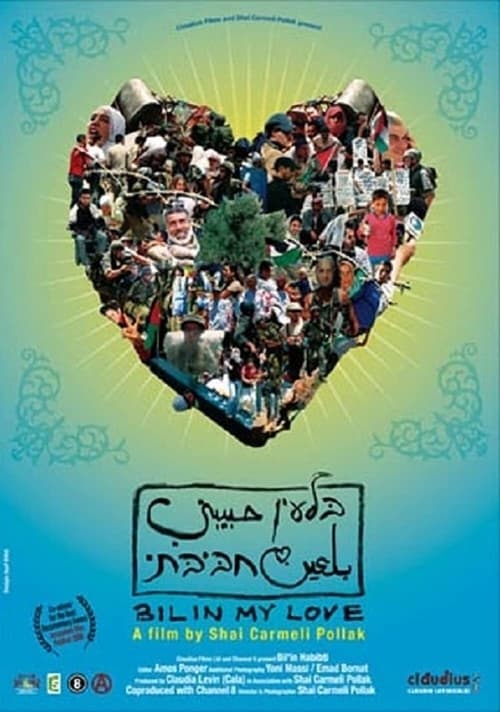
The Israeli filmmaker Shai Corneli Polak records the building of the 'security wall' through Palestinian territory at the village of Bil'in. The villagers protest mostly peacefully, while the Israeli army doesn't react peacefully. By now the Israeli High Court has ruled that the building of the wall was illegal.
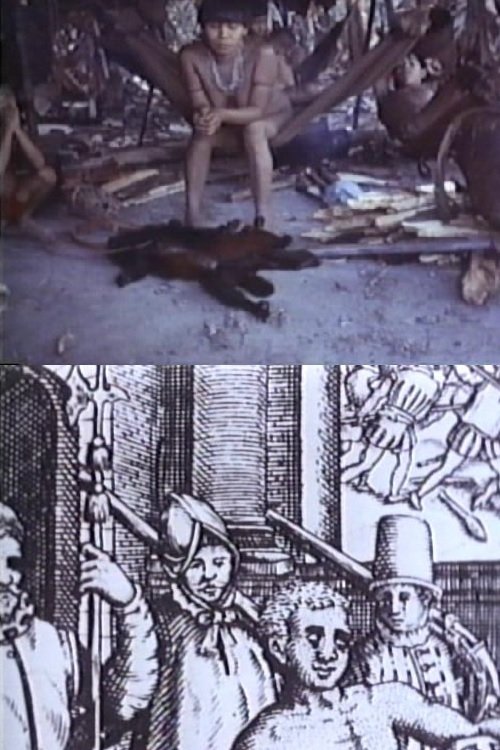
Three centuries of Venezuela's history as a Spanish colony are considered from economic, political and social standpoints; evocations of the past are compared to the present. Based on the ideas and research of Federico Brito Figueroa, Alfredo A. Alfonso, Miguel A. Saignes, Josefina Jordan, and Thaelman Urgelles among others.
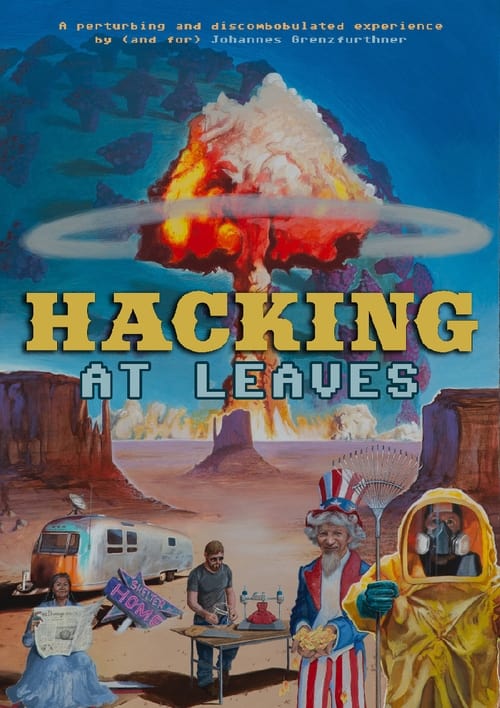
Hacking at Leaves documents artist and hazmat-suit aficionado Johannes Grenzfurthner as he attempts to come to terms with the United States' colonial past, Navajo tribal history, and the hacker movement. The story hones in on a small tinker space in Durango, Colorado, that made significant contributions to worldwide COVID relief efforts. But things go awry when Uncle Sam interferes with the film's production.
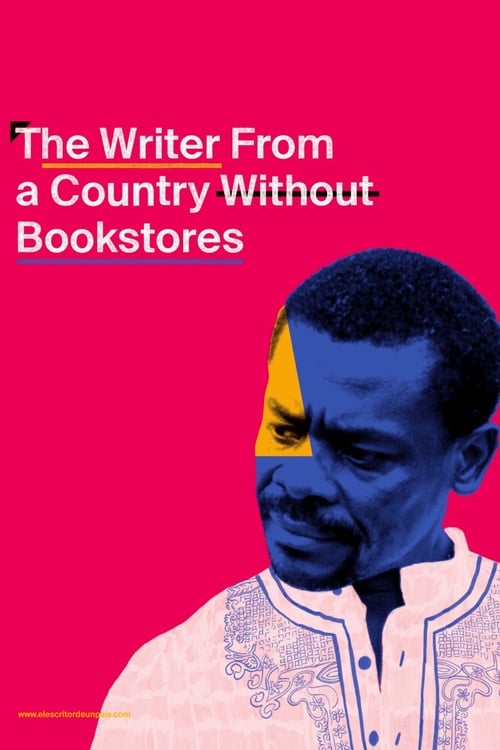
The ruthless dictator Teodoro Obiang has ruled Equatorial Guinea with an iron hand since 1979. Juan Tomás Ávila Laurel is the most translated Equatoguinean writer, but he had to flee the country in 2011, after starting a hunger strike denouncing the crimes of the dictatorship. Since then, he has lived in Spain, feeling that, despite the risks, he must return and fight the monster with words.
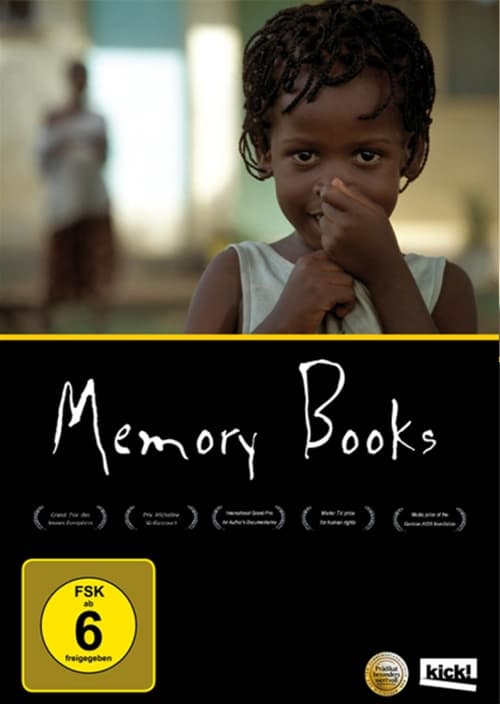
In Uganda, AIDS-infected mothers have begun writing what they call Memory Books for their children. Aware of the illness, it is a way for the family to come to terms with the inevitable death that it faces. Hopelessness and desperation are confronted through the collaborative effort of remembering and recording, a process that inspires unexpected strength and even solace in the face of death.
Ice has always moved. When glaciation took hold some 34 million years ago, interconnected rivers of ice combined to produce the Earth's vast ice sheets. As temperatures slowly warmed glaciers developed a unique balancing act; advancing and retreating to calibrate their annual winter accumulation against summer melt. Sometimes calving colossal icebergs into the sea. A positive feedback loop that has regulated the movement of ice for millions of years.