Commentary (voice)
A look at the Brazilian black movement between 1977 and 1988, going by the relationship between Brazil and Africa.
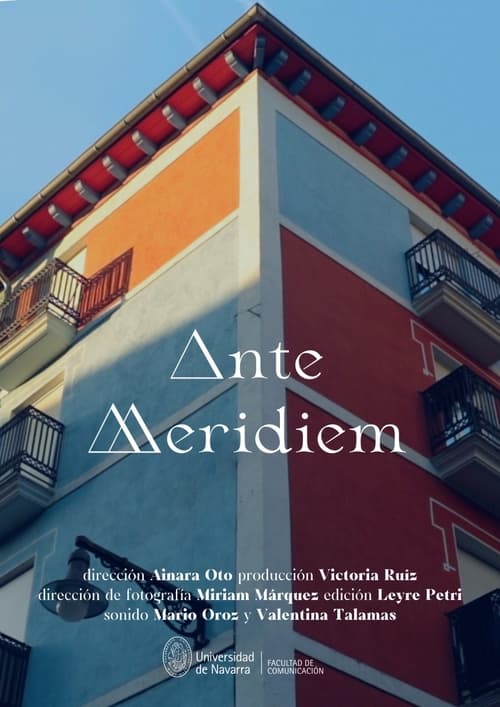
Ante Meridiem is a sensory journey through the first hours of dawn. Kind but vehement, he explores the dichotomy between silence and bustle, patience and haste, taking both to their ultimate consequences.
Made from reimagined/recycled images and sounds from the filmmaker’s archive and other found materials, Undercurrents is a poetic essay documentary about the undercurrents of history playing out in the present. It is also (at its heart) about the power of resistance.
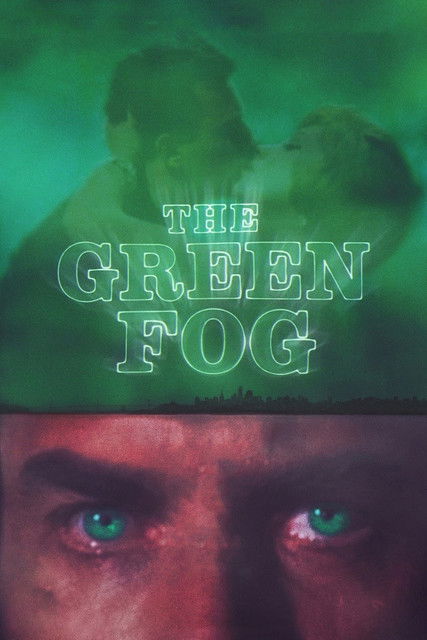
A tribute to a fascinating film shot by Alfred Hitchcock in 1958, starring James Stewart and Kim Novak, and to the city of San Francisco, California, where the magic was created; but also a challenge: how to pay homage to a masterpiece without using its footage; how to do it simply by gathering images from various sources, all of them haunted by the curse of a mysterious green fog that seems to cause irrepressible vertigo…
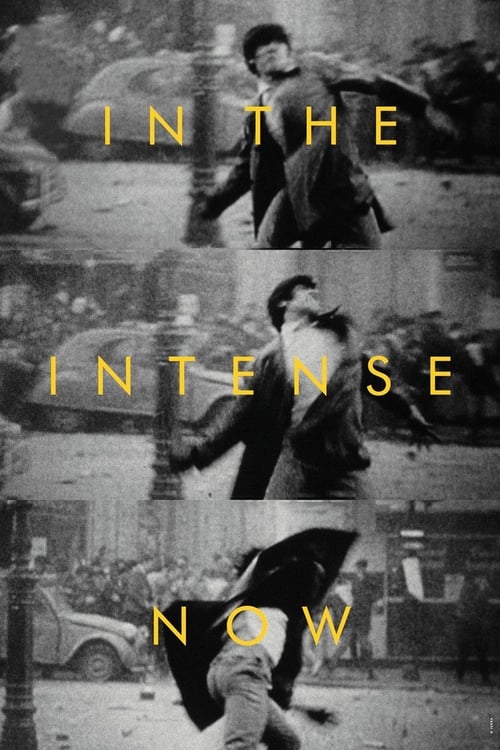
A personal essay which analyses and compares images of the political upheavals of the 1960s. From the military coup in Brazil to China's Cultural Revolution, from the student uprisings in Paris to the end of the Prague Spring.
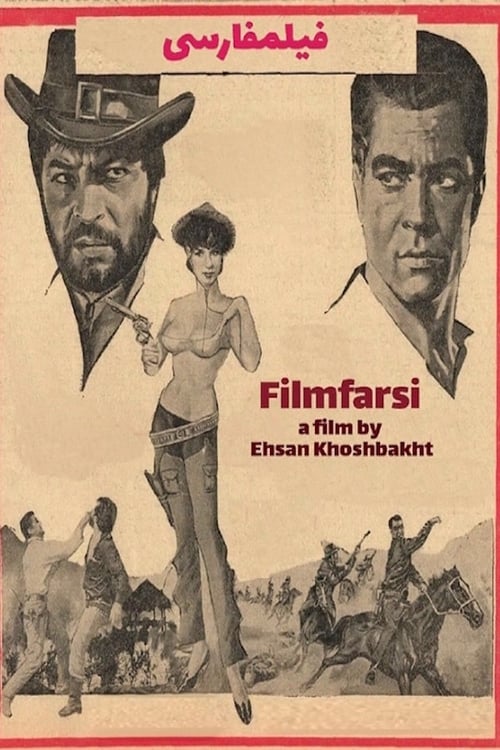
A found-footage essay, Filmfarsi salvages low budget thrillers and melodramas suppressed following the 1979 Islamic revolution.
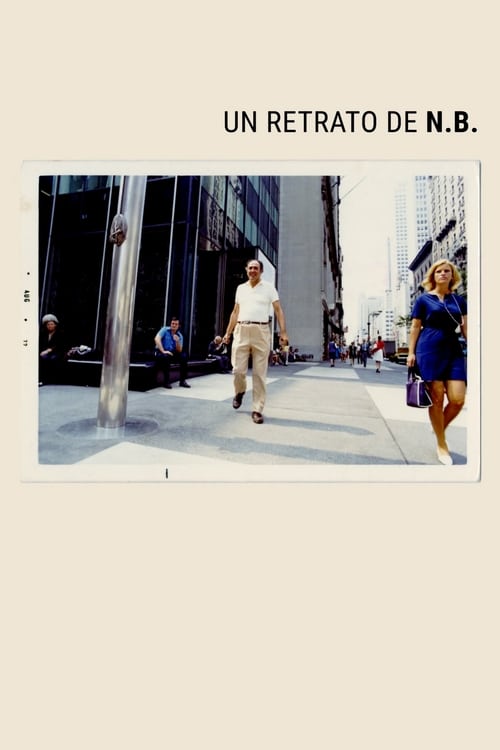
Through his own photographs, the Basque artist Néstor Basterretxea (1924-2014) is portrayed by the art critic and exhibition curator Peio Aguirre, a great connoisseur of his work and personal archives.
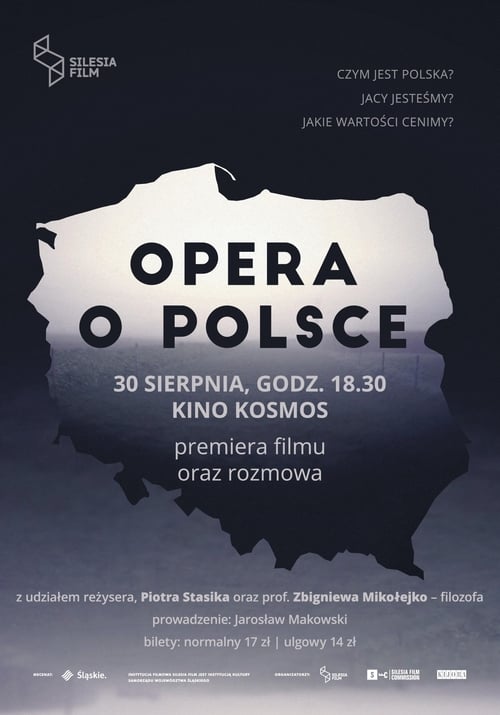
Pole, who are you? This film collage that combines archival and contemporary materials, documentary and staged pictures, press reports, social announcements, sale offers and speech excerpts is an attempt to answer this question. Referring to the Polish tradition of a creative documentary in the style of Wojciech Wiszniewski, the film presents various manifestations of Polishness: patriotic and religious rituals, everyday traditions as well as characteristic landscapes or intimate memories from childhood.
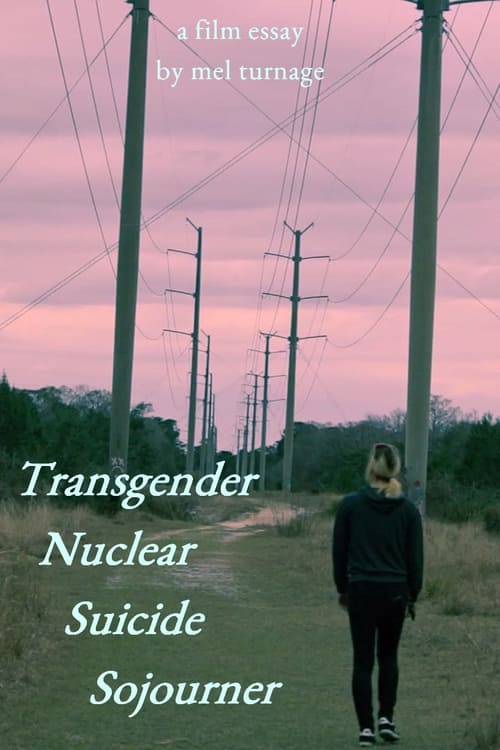
Lies can kill. Transgender Nuclear Suicide Sojourner is an exploration of propaganda, lies, and the overwhelming urge to end it all.
A flickering dance of intriguing imagery brings to light the possibilities of ordinary movements from the everyday which appear, evolve and freeze before your eyes. Made entirely from archive photographs and footage from the earliest days of moving image, All This Can Happen (2012) follows the footsteps of the protagonist from the short story 'The Walk' by Robert Walser. Juxtapositions, different speeds and split frame techniques convey the walker's state of mind as he encounters a world of hilarity, despair and ceaseless variety.
A labyrinthine portrait of Czech culture on the brink of a new millennium. Egon Bondy prophesies a capitalist inferno, Jim Čert admits to collaborating with the secret police, Jaroslav Foglar can’t find a bottle-opener, and Ivan Diviš makes observations about his own funeral. This is the Czech Republic in the late 90s, as detailed in Karel Vachek’s documentary.
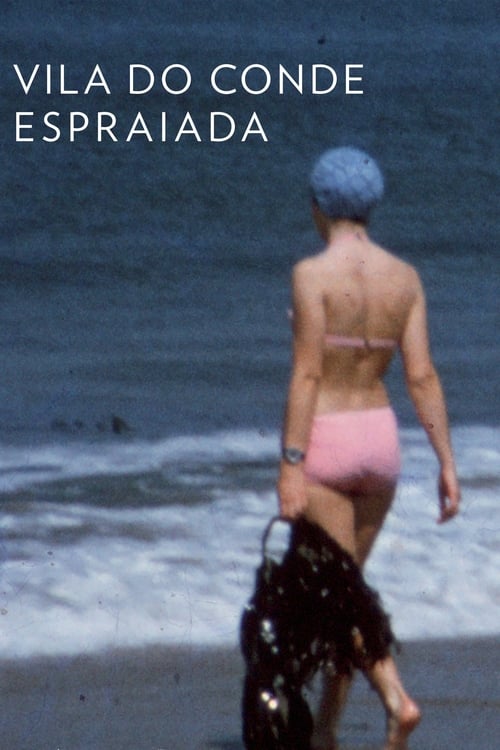
A boy from Vila do Conde records a love letter on a cassette. His voice blends with music, archive images and stories from the past, some lived and others heard.
The armies of Fascist Italy conquered Addis Ababa, capital of Abyssinia, in May 1936, thus culminating the African colonial adventure of the ruthless dictator Benito Mussolini, by then lord of Libya, Eritrea and Somalia; a bloody and tragic story told through the naive drawings of Pietro Dall'Igna, an Italian schoolboy born in 1925.
While Trevor and Sam are smoking pot, Trevor’s mom comes home. When she finds out, Trevor reveals his father’s adulterous ways and destroys his family.
Basically an artist is also a terrorist, the protagonist thinks in an unguarded moment. And if he is a terrorist after all, then he might just as well be one. Not an instant product, but an experimental feature in which diary material is brought together to form an intriguing puzzle.
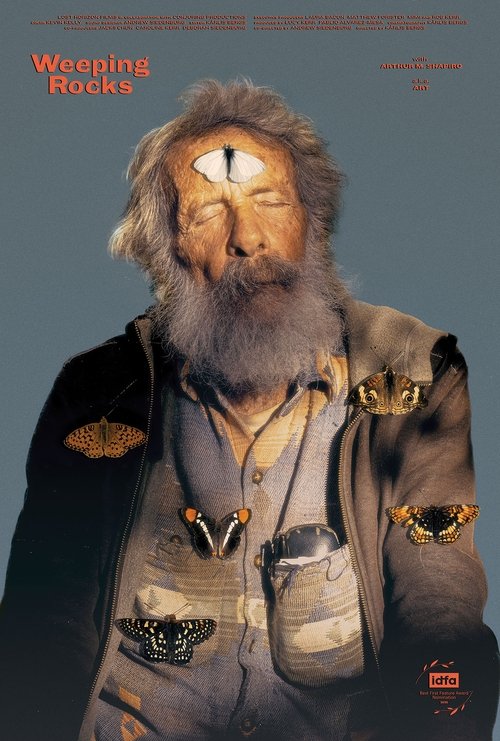
Weeping Rocks follows Art, an entomologist nearing the end of his life, who has spent over five decades walking the same ten trails, meticulously counting every butterfly he sees and witnessing the slow erosion of the world. His eccentric, patient research has uncovered patterns of decline that went unnoticed for years, revealing the deep environmental impact of detrimental human activities. As time reshapes the landscape and species fade, Art’s journey becomes a meditation on mortality, change, and the beauty of what remains.
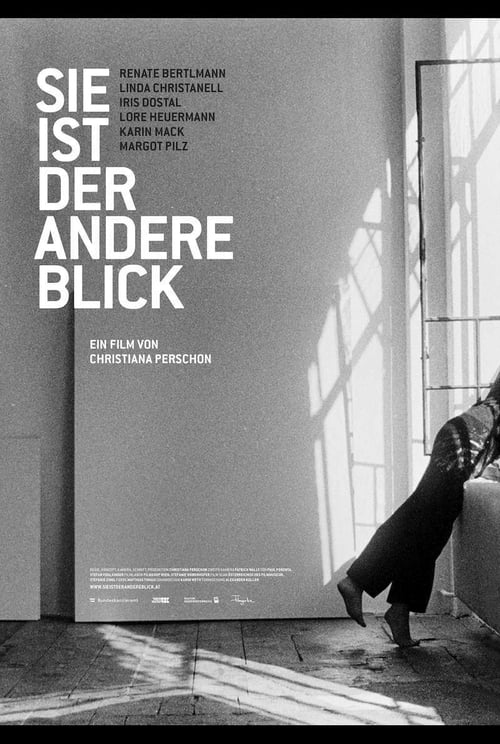
Every encounter with an image, every interaction searches for its own form. She is the other gaze is a collaboration with five female visual artists of an older generation who have been part of the Viennese art scene since the 1970s and engaged in the women's movement. In dialogue with the filmmaker Renate Bertlmann, Linda Christanell, Lore Heuermann, Karin Mack and Margot Pilz share their early works and artistic practices. They remember how their self-determination evolved between artistic ambitions, economic constraints, adaptation and resistance to the prevailing patriarchal social structures. In their role as feminist pioneers, the protagonists are a great influence on the contemporary art scene and the self-understanding of younger artists today. With their voices and narratives, they become collaborators passing on feminist thinking and artistic experiences.
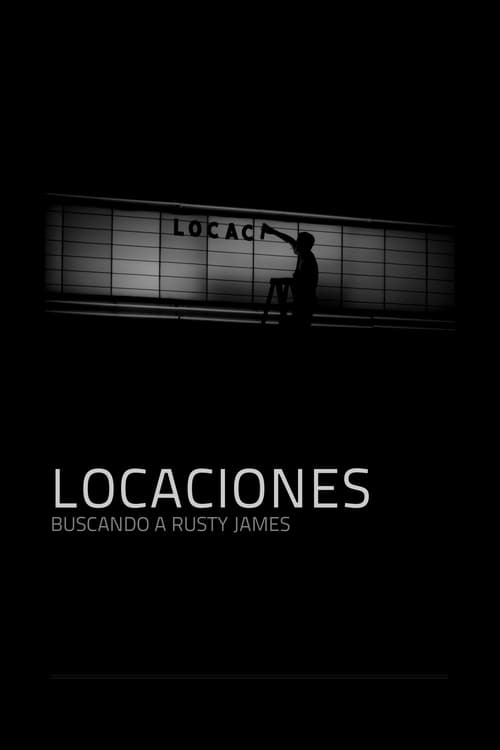
A personal meditation on Rumble Fish, the legendary film directed by Francis Ford Coppola in 1983; the city of Tulsa, Oklahoma, USA, where it was shot; and its impact on the life of several people from Chile, Argentina and Uruguay related to film industry.
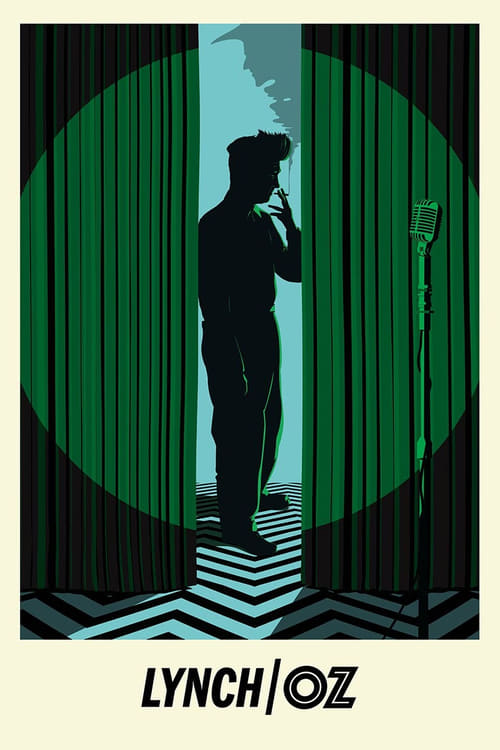
Victor Fleming’s 1939 film The Wizard of Oz is one of David Lynch’s most enduring obsessions. This documentary goes over the rainbow to explore this Technicolor through-line in Lynch’s work.
Twenty-five films from twenty-five European countries by twenty-five European directors.
No Trailers found.