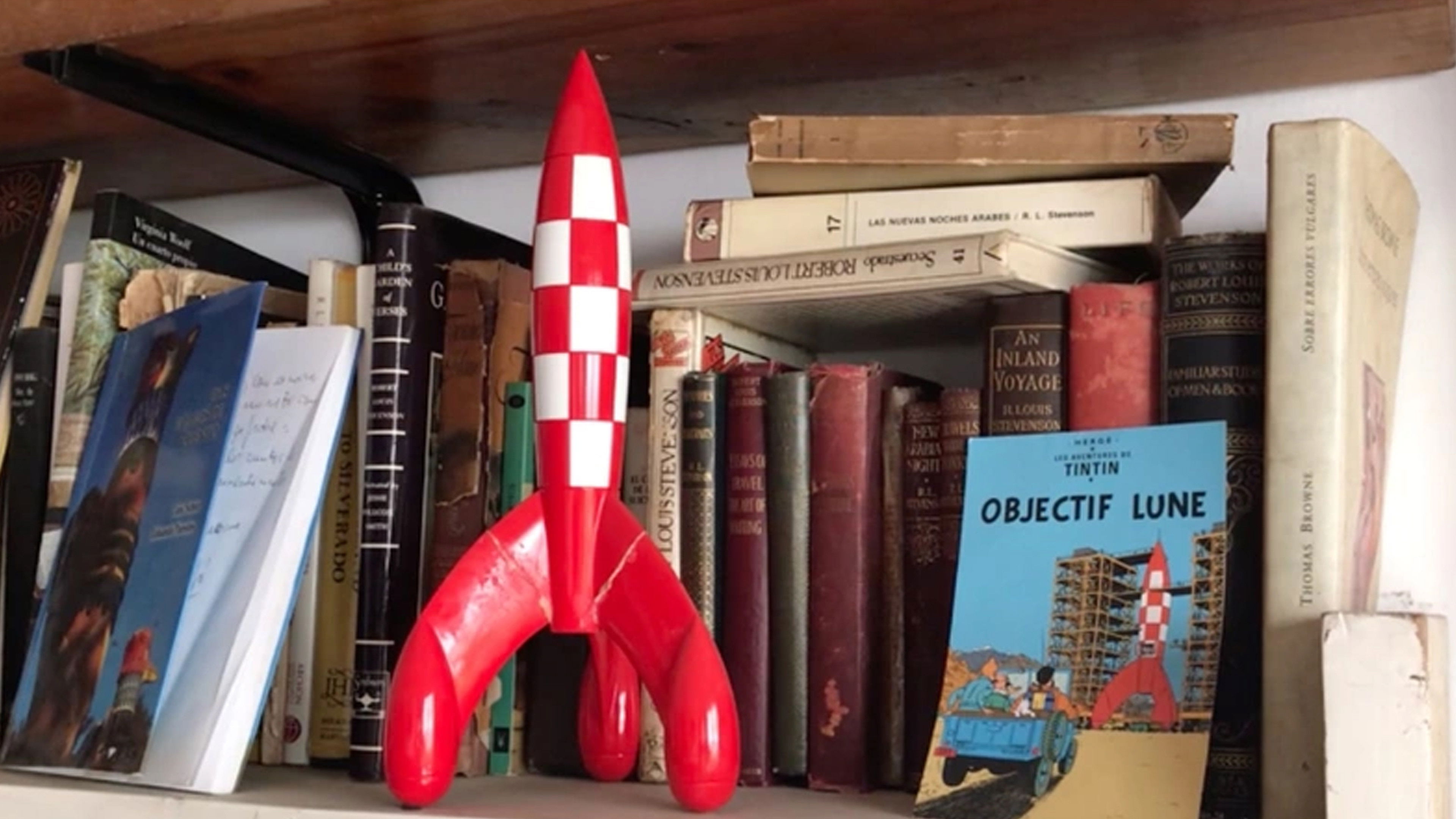
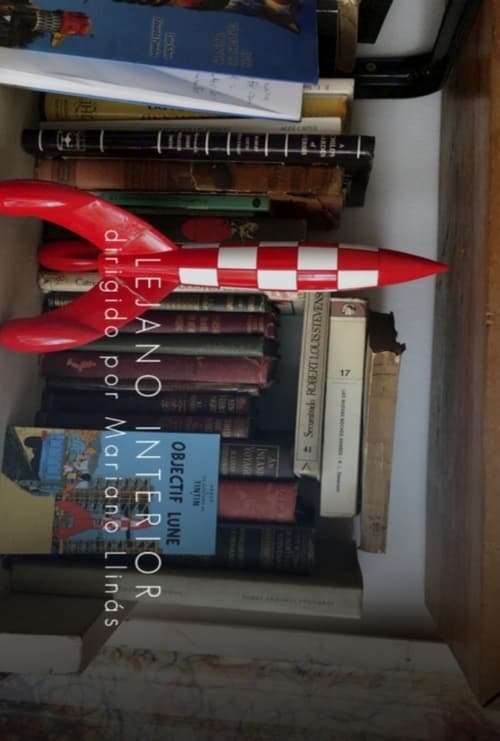
A "cinematic object" by Mariano Llinás, divided into 9 chapters, based on the poetry of Henri Michaux.
No Trailers found.
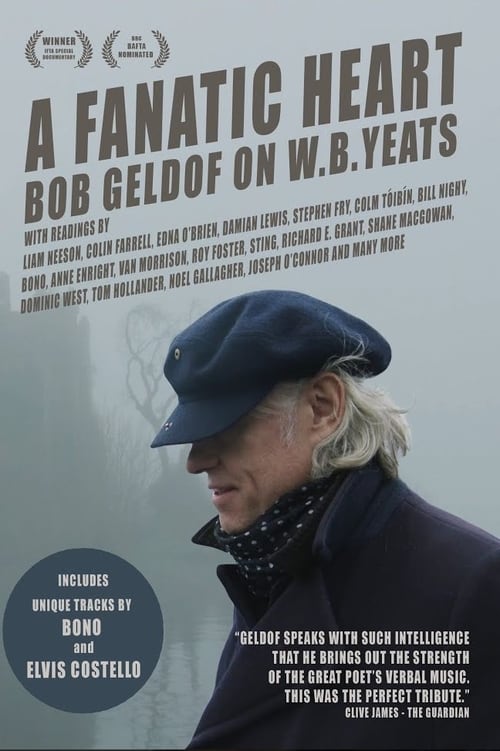
A biography of the poet W. B. Yeats and his contribution to the Irish independence movement as a Protestant nationalist.
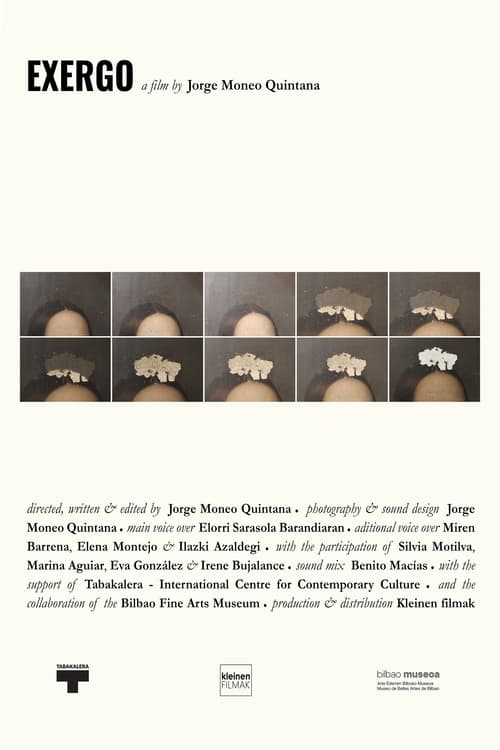
Departing from peripheral details of some paintings of the Bilbao Fine Arts Museum, a female narrator unravels several stories related to the economic, social and psychological conditions of past and current artists.
In July of 2021 there was a flood of catastrophic scope in the Ahrtal Region of Germany. 135 people lost their lives and countless others lost their possessions, their homes, their most treasured mementos. Three years later the reconstruction is progressing slowly. This is an attempt at exploring, what it means to irretrievably lose a part of ones’ past.
After World War II a group of young writers, outsiders and friends who were disillusioned by the pursuit of the American dream met in New York City. Associated through mutual friendships, these cultural dissidents looked for new ways and means to express themselves. Soon their writings found an audience and the American media took notice, dubbing them the Beat Generation. Members of this group included writers Jack Kerouac, William Burroughs, Allen Ginsberg. a trinity that would ultimately influence the works of others during that era, including the "hippie" movement of the '60s. In this 55-minute video narrated by Allen Ginsberg, members of the Beat Generation (including the aforementioned Burroughs, Anne Waldman, Peter Orlovsky, Amiri Baraka, Diane Di Prima, and Timothy Leary) are reunited at Naropa University in Boulder, CO during the late 1970's to share their works and influence a new generation of young American bohemians.
Smoky little clubs, late nights, late nights of conversation over a glass of beer and a guitar. The lyricist Géza Bereményi and the composer-performer Tamás Cseh are the creators of the most topical and accurate songs of the 70s and 80s, expressing the mood of the "30s and 40s" of that time - a mood that was their own destiny. This stunning recording from 1980 includes songs like Tangó, Álomfejtés, Szabó Kálmán tegnap este..., A 100. éjszaka, A legjobb viccek, Születtem Magyarországon, A dédapa dala, Egy bogár, Krakkói vonat, Az ócska cipő, Filmdal.
"The prevailing stigmatization of the 'villero' universe is fed back by the images. In order to dismantle this stigmatization, other images must be presented or we need to reveal what the existing ones seek to cover up. The slum is usually represented from a limited and deceitful visual panorama. This representation has an intention. Cinema and television are two image-producing devices that strengthen the stereotypes that we have about the people who inhabit these spaces. And what happens in the field of painting? Do clichés reign there too? This visual essay seeks to confront various works by national painters and sculptors, belonging to the Palais collection, with the kinetic images of current cinema and television, to reflect on both the differences and the similarities in the meanings and discourses that both regimes of images can produce." César González
Twenty-five films from twenty-five European countries by twenty-five European directors.
Follows the young people of Selma, Alabama's RATCo (Random Acts of Theatre Company) as they journey to New York City to share their story of hope, resilience, and overcoming.
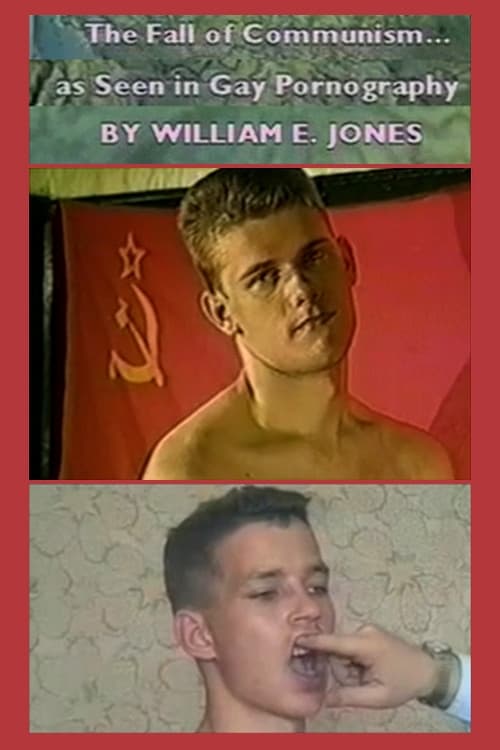
Every image in The Fall of Communism as Seen in Gay Pornography comes from gay erotic videos produced in Eastern Europe since the introduction of capitalism. The video provides a glimpse of young men responding to the pressures of an unfamiliar world, one in which money, power and sex are now connected.
No overview available.
Cacaso, a Brazilian poet, lived in Rio de Janeiro. Born Antonio Carlos de Brito (1944-1987) he was one of the leaders of the marginal poetry movement. Cacaso filled notebooks not only with poems but reflections, drawings and collages. He also became a lyricist and partner of celebrated songwriters such as Tom Jobim, Edu Lobo, Toninho Horta, João Donato and Sivuca.
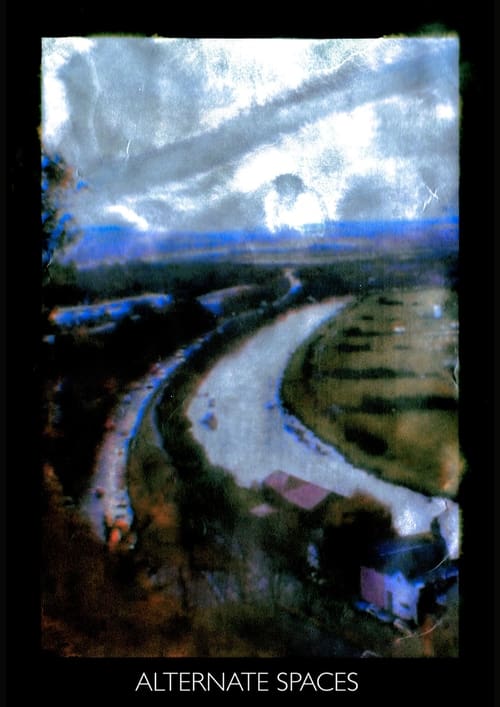
A short documentary on the River Ouse, following it downstream from Lewes to Newhaven, meditating on the surrounding area.
A youngster writes a letter to his grandmother about his last trip to Donosti (Spain). This city inspires him to ponder about the language of cinema, time, cities, and sharing memories with our loved ones.
Four filmmakers working in the region of Galicia (in the northwest of Spain) follow and portray on the screen Galician artists working in disciplines of different nature. The result is four pieces around the creative process of these artists. Lois Patiño film their parents working on their paintings in their studio in Vigo, Jaione Camborda films dancer Janet Novás rehearsing for one of her pieces, Xisela Franco follows film director Margarita Ledo revisiting the location of her latest film Nation and Alfonso Zarauza reflects on the relationship between actress-director by putting together the work of Melania Cruz in two of their collaborations.
Robert Burns was well aware of the revolution taking place across the Atlantic as he grew up. The poet was inspired. And America was to be inspired by him. From Abraham Lincoln to Frederick Douglass, and Walt Whitman to Bob Dylan, some of the most significant figures in American politics and culture have cited Burns as an influence.
Song is a story of the last Finnish rune singer and his pupil, and the comforting power of singing.
Ninety-year-old sound artist and comedian Henry “Sandy” Jacobs lives a quirky existence at the end of Sunnyside Drive, a steep and winding dirt road washed by fog from the Pacific Ocean. Sixty feet down the hill lives his eccentric 84-year-old friend and neighbor, architect and former Frank Lloyd Wright collaborator Daniel Liebermann. These extraordinary old men, influential artists in the 1950s and ’60s, continue, each in their own way, to search the world for perfection. Sunnyside takes us to an extraordinary place, a microcosm with its own distinctive rhythm and remarkable inhabitants. It is a film about creativity, the capacity to dream and, ultimately, the transience of life.
CREMASTER 4 (1994) adheres most closely to the project's biological model. This penultimate episode describes the system's onward rush toward descension despite its resistance to division. The logo for this chapter is the Manx triskelion - three identical armored legs revolving around a central axis. Set on the Isle of Man, the film absorbs the island's folklore ...
Himself
Herself