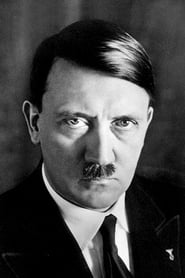
Nazi propaganda film contrasting Germany in the days before Adolf Hitler became Chancellor with the Germany of "today" and how much better it is.
No Trailers found.
Self
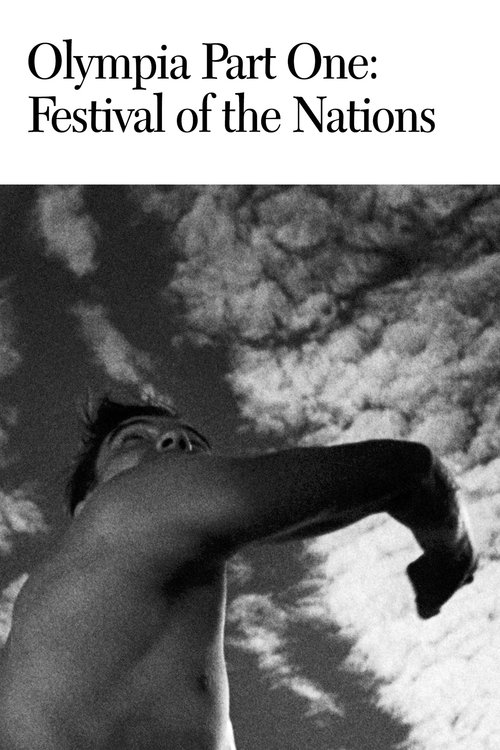
Starting with a long and lyrical overture, evoking the origins of the Olympic Games in ancient Greece, Riefenstahl covers twenty-one athletic events in the first half of this two-part love letter to the human body and spirit, culminating with the marathon, where Jesse Owens became the first track and field athlete to win four gold medals in a single Olympics.
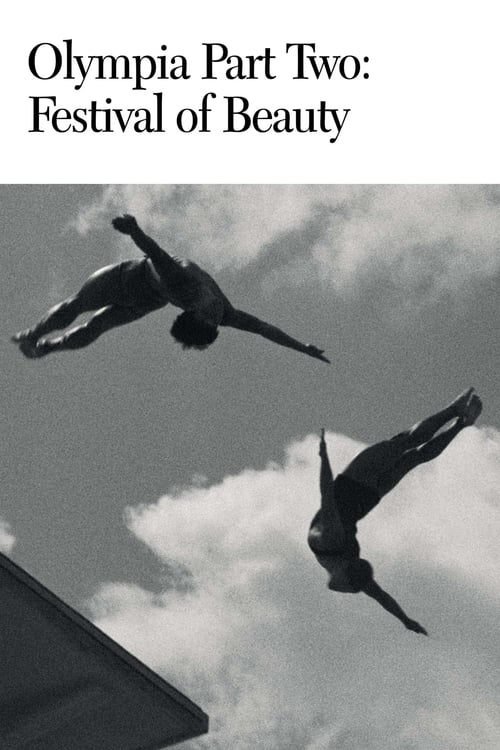
Part two of Leni Riefenstahl's monumental examination of the 1938 Olympic Games, the cameras leave the main stadium and venture into the many halls and fields deployed for such sports as fencing, polo, cycling, and the modern pentathlon, which was won by American Glenn Morris.
Over the past few years, Israel's ongoing military occupation of Palestinian territory and repeated invasions of the Gaza strip have triggered a fierce backlash against Israeli policies virtually everywhere in the world—except the United States. This documentary takes an eye-opening look at this critical exception, zeroing in on pro-Israel public relations efforts within the U.S.
Dramatization of the time around the first Danish Social Democrats and the Battle of Fælleden. A social blockbuster produced for AOF.
During World War II, the propaganda engine of the U.S. government made a pivotal decision with unforeseeable results: they tapped John Huston to shoot war documentaries with an expressly patriotic spin. Few could guess the degree to which Huston's documentaries would depict the sheer brutality and horror of modern warfare - particularly his Let There Be Light and The Battle of San Pietro. The films served (by default) as cinematic protests, even as they graced new and brilliant heights within the scope of American documentary. (Indeed, Light was banned by the government for 35 years). Midge Mackenzie's 1998 documentary John Huston: War Stories explores this little known facet of Huston's career, intercutting clips from the various documentaries with a Huston interview shot just prior to his death.
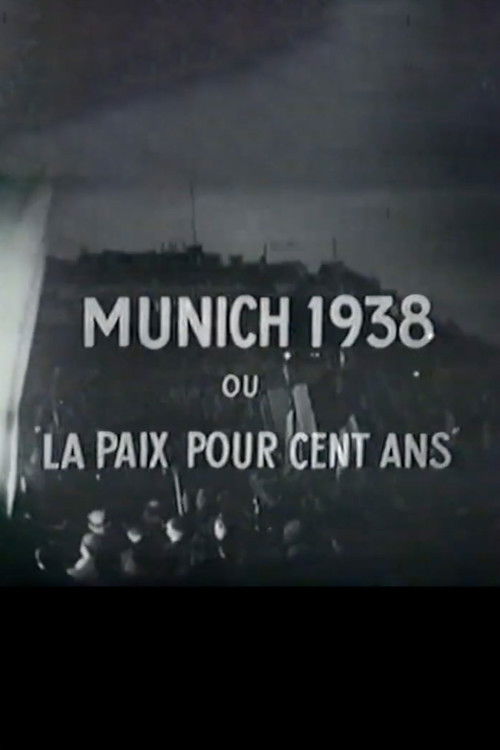
A television documentary directed by Marcel Ophüls examining the Munich Conference of September 28, 1938, when European leaders met to avert the outbreak of war. Through archival documents and interviews, the film reconstructs the political atmosphere surrounding negotiations between Britain and France on one side and Nazi Germany and Fascist Italy on the other, situating the agreement within the broader context of European appeasement in the face of fascism.
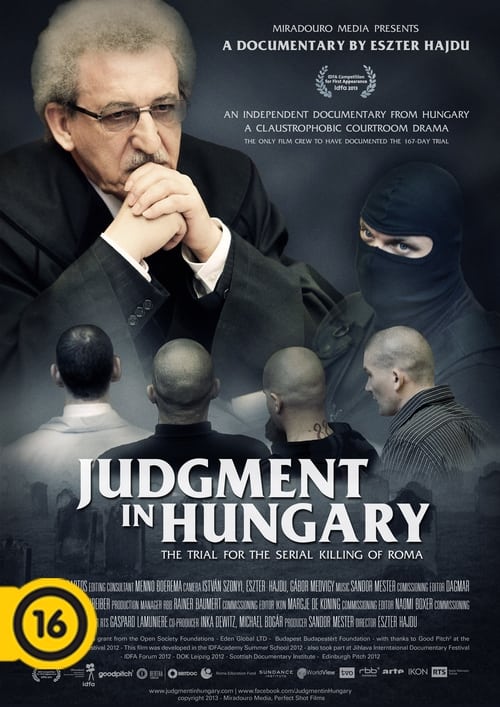
Hungary was the site of serial murders on ethnic basis. Over the course of one year, the murderers killed and seriously injured Roma children and adults. The state charged 4 men with committing the crime with racial motivation. This historical trial started March, 2011, and ended August, 2013 in Budapest. The 167 days of hearings was only documented continuously by our crew. We had exclusive permission to use multiple cameras in the court-room. The film is a classical chamber-drama, taking place in a small, claustrophobic court room, in the middle of Europe. What will be the outcome of the marathon, 3 year-long trial?
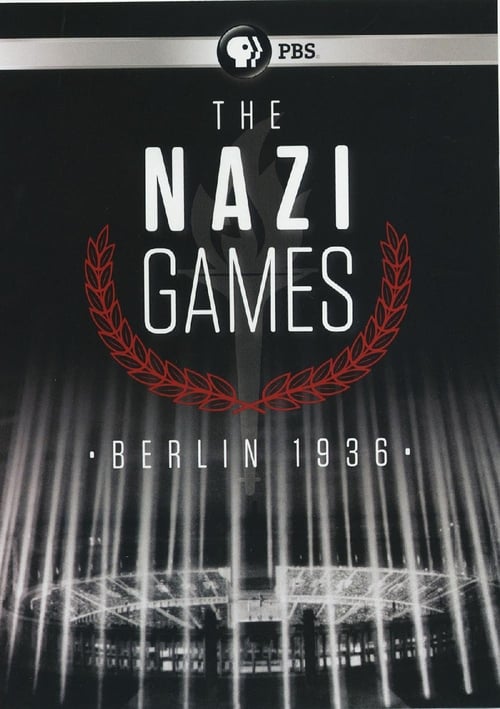
The film chronicles the story of how the Nazis and the IOC turned, to their mutual benefit, a small sports event into the modern Olympics. The grand themes and controversial issues from the 1936 Games have continued to this day: Monumentality, budget overruns, collusion with authoritarian regimes, corruption and sometimes even bribery.
Tommy Robinson goes on the offensive by documenting how his own “hit piece” on his character was being constructed by the taxpayer-funded BBC for their popular investigative news special “Panorama.” In the film he manages to capture footage of the blackmailing of his former employees to invent stories, along with an organization—known as “Hope not Hate”—on set with the BBC, intimidating ex-employees of Robinson during interviews. The host of “Panorama” at the time of filming is caught on camera casually using racist and homophobic slurs during a £220 champagne lunch with the same ex-employee they had planned to coach for a fake interview in which the BBC would possibly edit in which to make it appear as, “a gender, a sexual thing against Tommy Robinson,” according to the host. Within 24 hours of releasing the film, social media giant Facebook made a public statement of their own and removed Tommy Robinson’s accounts permanently.
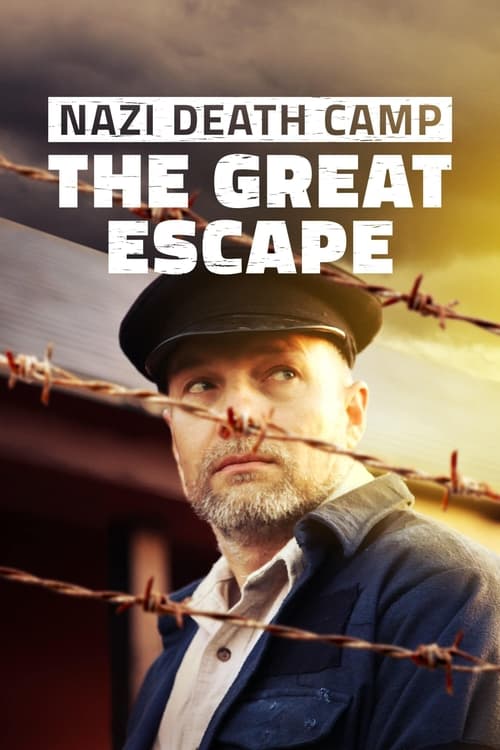
The secret Nazi death camp at Sobibor was created solely for the mass extermination of Jews. But on the 14th October 1943, in one of the biggest and most successful prison revolts of WWII, the inmates fought back.
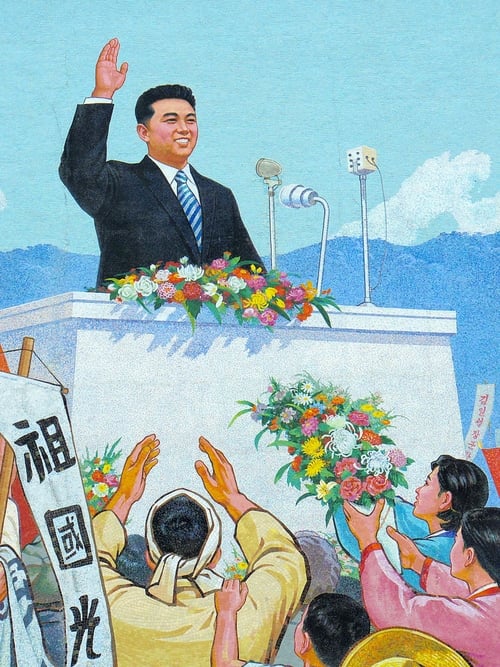
North Korean propaganda film about orchards that yield bigger crops after Kim Il-sung visits. The films was presented as a gift to friendly-minded countries in the world. And expected by the North Korean Culture Ministry to be displayed publicly. Sweden was one of the countries honored by receiving a copy of "Gwasu-ui nara / Country of Orchards".
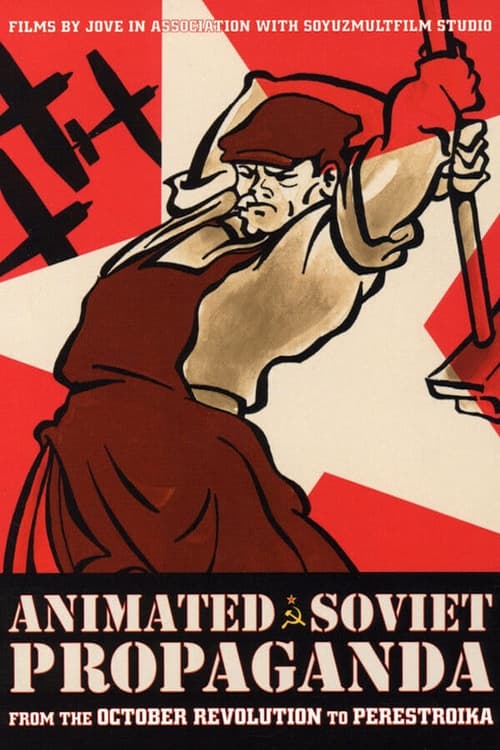
A landmark four disc Box Set - Unearthed from Moscow's legendary Soyuzmultfilm Studios, the 41 films in ANIMATED SOVIET PROPAGANDA span sixty years of Soviet history (1924 - 1984), and have never been available before in the U.S.
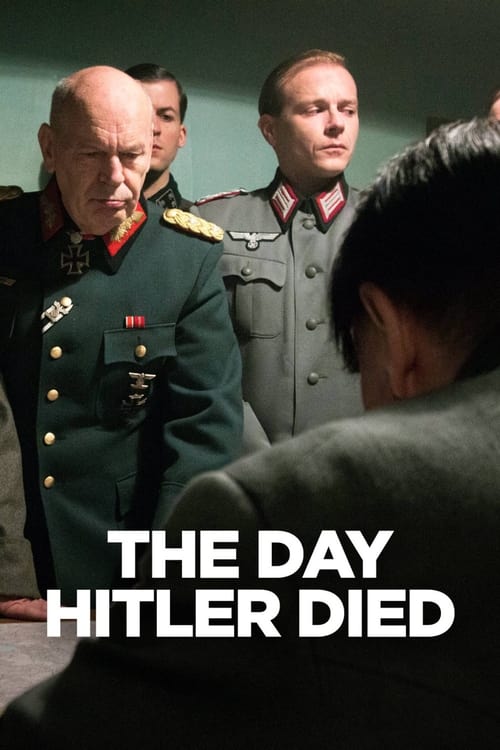
The story of Hitler’s final hours told by people who were there. This special features exclusive forgotten interviews, believed lost for 65 years, with members of Hitler’s inner circle who were trapped with him in his bunker as the Russians fought to take Berlin. These unique interviews from figures such as the leader of the Hitler Youth Artur Axmann and Hitler’s secretary Traudl Junge, have never before been seen outside Germany. Using rarely seen archive footage and dramatic reconstruction, this special tells the story of Adolf Hitler’s final days in his Berlin bunker.
This early, influential propaganda film blends documentary and studio footage to show the valiant efforts of the Royal Air Force to defend the British people against the Nazis.
A short documentary about the making of "The Great Dictator."
No overview available.
Italy’s biggest political party, the Five Star Movement, promotes direct democracy through internet voting. Five Star Movement uses a digital platform named Rousseau, that allows Movement’s members to vote online and express their opinion on various issues. But who governs this data?
This short-form documentary focuses on the true story of Alfons Heck, who as an impressionable 10-year-old boy became a high-ranking member of the Hitler youth movement during World War II. The story is told in his own words. This film originally aired as part of the "America Undercover" series on HBO.
An epic documentary of rise and fall of Ustasha regime in Croatia.
A film about the noted American linguist/political dissident and his warning about corporate media's role in modern propaganda.