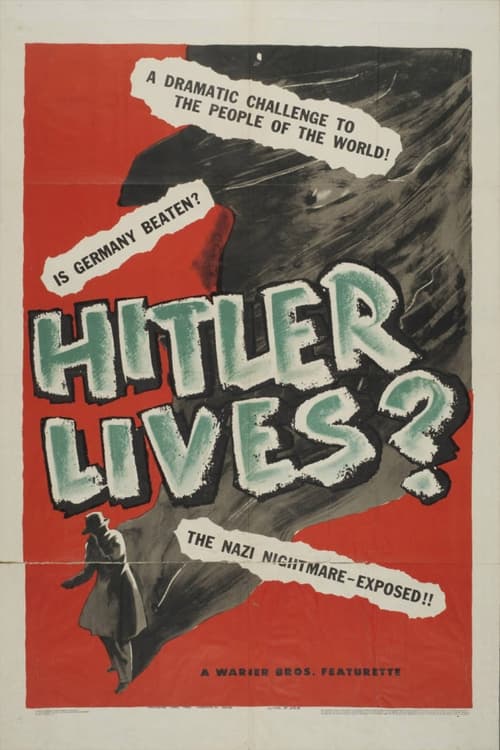
A dramatic challenge to the people of the world!
This short film, produced at the end of WWII, warns that although Adolf Hitler is dead, his ideas live on.
Narrator (voice)
No Trailers found.
The capture of Naples, the first great European city to be liberated, revealed the magnitude of the tasks involved in re-creating the means of livelihood and the machinery of government in a devastated, starving and disease-ridden city.
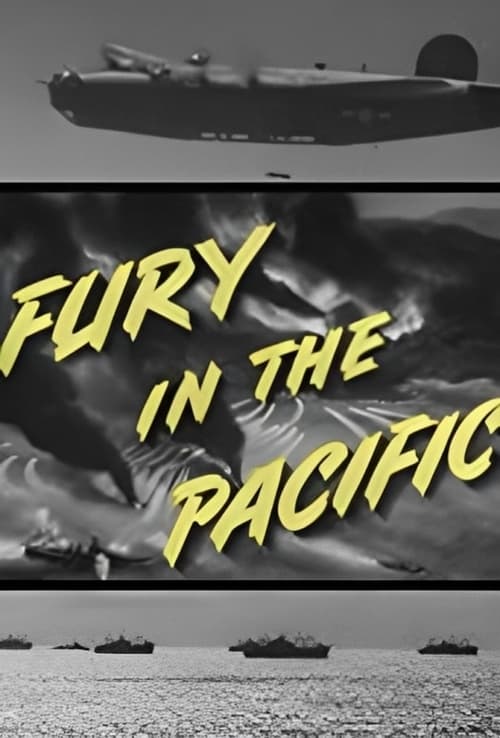
Documentary short film depicting American Army, Navy, Marine, Air Forces, and Coast Guard joint assaults on a Japanese-held island.
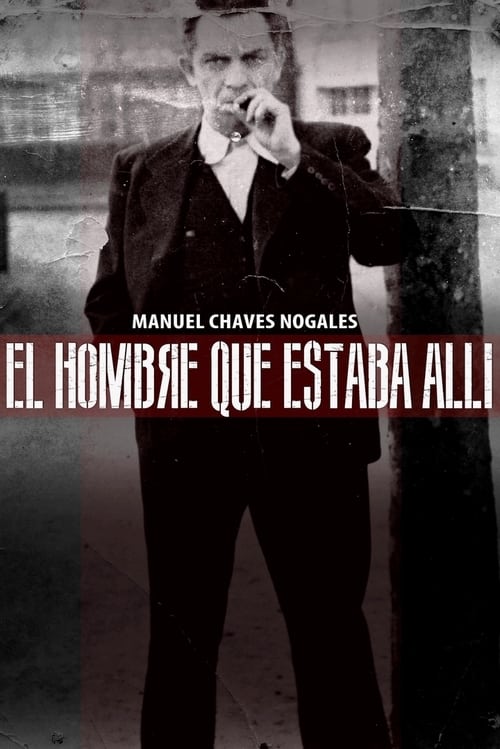
The Spanish journalist Manuel Chaves Nogales (1897-1944) was always there where the news broke out: in the fratricidal Spain of 1936, in Bolshevik Russia, in Fascist Italy, in Nazi Germany, in occupied Paris or in the bombed London of World War II; because his job was to walk, see and tell stories, and thus fight against tyrants, at a time when it was necessary to take sides in order not to be left alone; but he, a man of integrity to the bitter end, never did so.
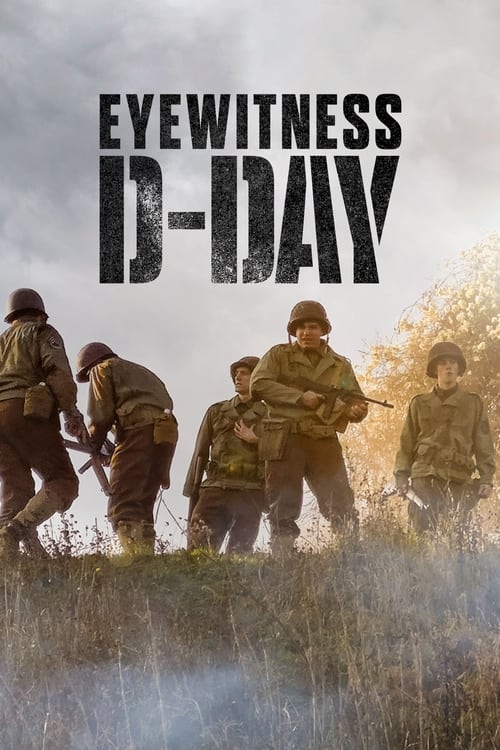
One famous day. Five heroes. Five key turning points that changed the course of World War II during the D-Day landings, told through the eyes of the people who made a difference. Using rarely seen archival footage dramatic reconstruction and written accounts from eye witnesses, and personal testimony from five heroes, this is D-Day as never seen before.
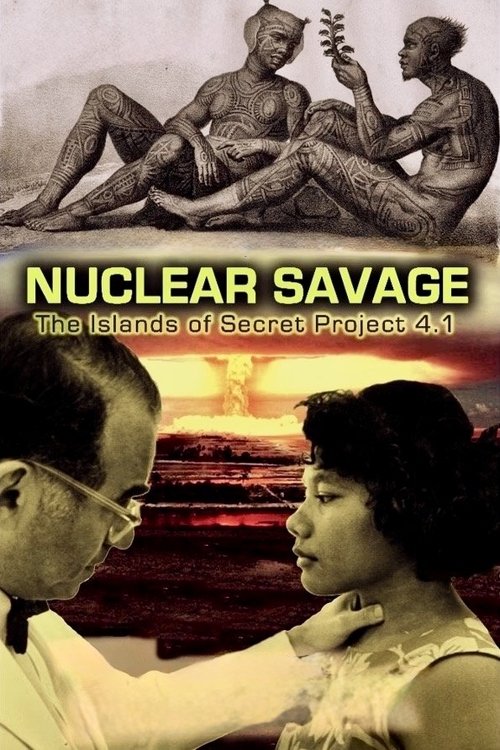
A shocking political exposé, and an intimate ethnographic portrait of Pacific Islanders struggling for survival, dignity, and justice after decades of top-secret human radiation experiments conducted on them by the U.S. government.
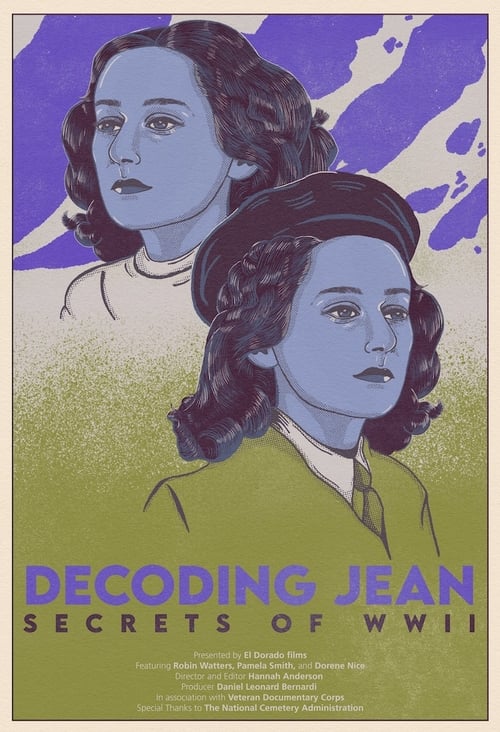
In the midst of World War II's turmoil, the quaint British town of Bury St. Edmonds becomes a focal point where lives intersect and secrets unravel. An 18-year-old woman finds herself caught in the throes of a great wartime secret – the breaking of the German Enigma code. Her recruitment into the "Ultra" program brings her to the heart of Bletchley Park's most clandestine operations, where Alan Turing and his team forge the world's first computer in a bid to crack the ever-changing German codes. Every day, she grapples with the weight of the secret, so profound that even her family is oblivious to her covert role. Meanwhile, she captures the heart of an assertive American soldier and their whirlwind wartime romance culminates in a heartwarming union, facing the challenges of the Official Secrets Act. The soldier, persistent and deeply in love, goes to great lengths, in order to secure her release from the program and to solidify their commitment to one another.
The sequel of feature-publicistic film «You Can’t Live Like That». Showing the countrymen charmless and sometimes scaring life picture of once great power with pain and anger, the author tries to uncover the reason of the country’s and nation’s tragedy.
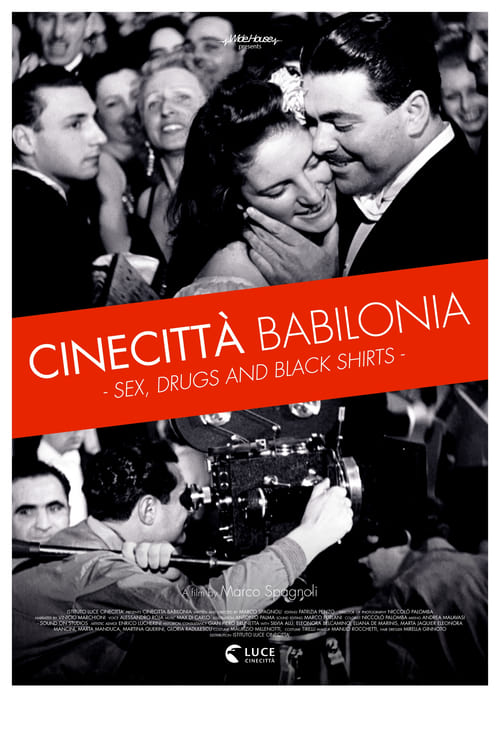
Cinecitta is today known as the center of the Italian film industry. But there is a dark past. The film city was solemnly inaugurated in 1937 by Mussolini. Here, propaganda films would be produced to strengthen the dictator's position.
On June 6th, 1944 the largest military invasion and defence the world has ever seen occurred. D-Day tells the epic story of the preparation and execution of the Allied invasion of Normandy. It tells the story of the defence of the Western Front by the forces of the German Empire, and of the complex and deadly secret war fought by the men and women of France and mainland Europe. D-Day brings to life the dramatic and astounding tales of courage and sacrifice, joy and despair, love and betrayal. The planning for the Allied invasion on June 6th 1944 took two years and cost thousands of lives. It involved a deception of breathtaking audacity. Both the preparation leading up to and the actions and events on the day itself relied on the absolute discretion of many and the genius and nerve of a few. D-Day examines the intricate jigsaw from both sides - presenting events through the eyes of the men and women who were there, telling their extraordinary stories.
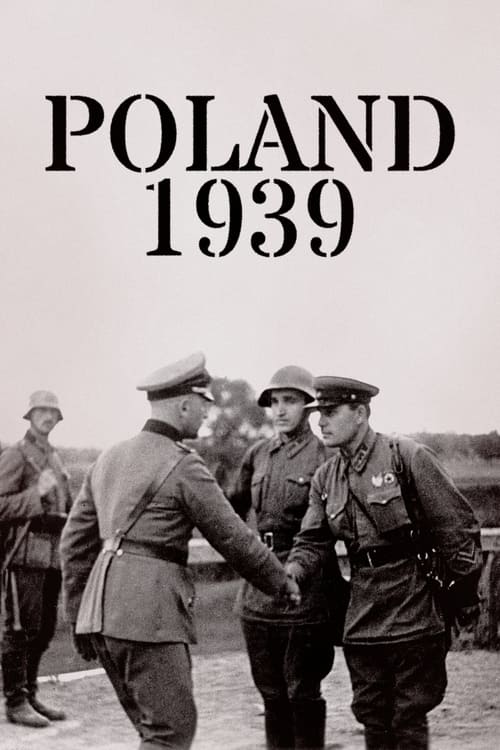
September 1st, 1939. Nazi Germany invades Poland. The campaign is fast, cruel and ruthless. In these circumstances, how is it that ordinary German soldiers suddenly became vicious killers, terrorizing the local population? Did everyone turn into something worse than wild animals? The true story of the first World War II offensive that marks in the history of infamy the beginning of a carnage and a historical tragedy.
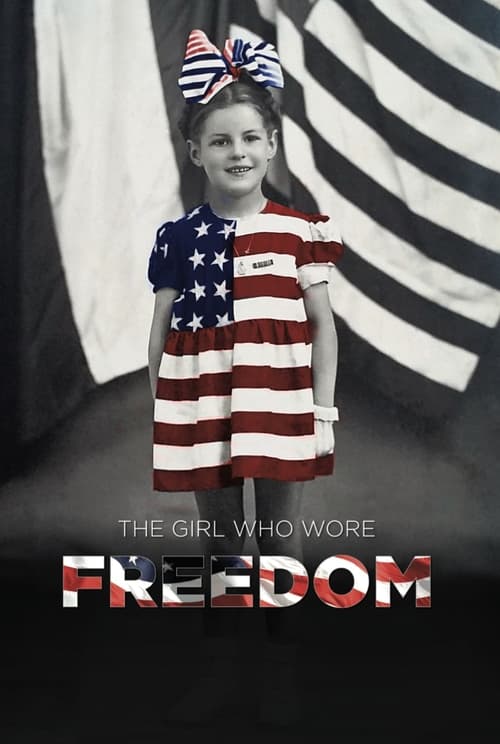
Discover the untold stories of D-Day from the men, women and children who lived through German occupation and Allied liberation of Normandy, France. Powerful and deeply personal, THE GIRL WHO WORE FREEDOM tells the stories of an America that lived its values, instilling pride in a country that's in danger of becoming a relic of the past.
The story of Italian cinema under Fascism, a sophisticated film industry built around the founding of the Cinecittà studios and the successful birth of a domestic star system, populated by very peculiar artists among whom stood out several beautiful, magnetic, special actresses; a dark story of war, drugs, sex, censorship and tragedy.
Programming the Nation? takes an encompassing look at the history of subliminal messaging in America. According to many authorities, since the late 1950s subliminal content has been tested and delivered through all forms of mass-media including Hollywood filmmakers Alfred Hitchcock and William Friedkin. Even our modern military has been accused of these practices in the "war on terror" against soldiers and civilians both abroad and at home. With eye-opening footage, revealing interviews, humorous anecdotes, and an array of visual effects, the film categorically explores the alleged usage of subliminals in advertising, music, film, television, anti-theft devices, political propaganda, military psychological operations, and advanced weapons development. Director Jeff Warrick makes it his personal mission to determine if these manipulative tactics have succeeded in "programming the nation?" Or, if subliminal messaging belongs in the category of what many consider urban legend.
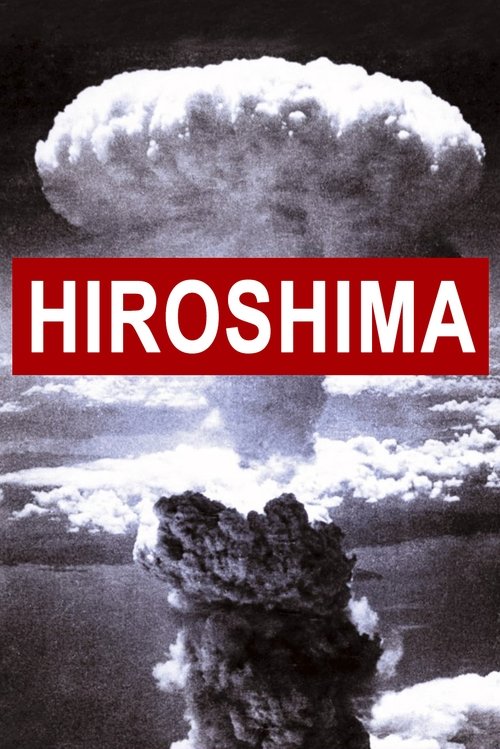
The documentary recounts the world's first nuclear attack and examines the alarming repercussions. Covering a three-week period from the Trinity test to the atomic bombing of Hiroshima, the program chronicles America's political gamble and the planning for the momentous event. Archival film, dramatizations, and special effects feature what occurred aboard the Enola Gay (the aircraft that dropped the bomb) and inside the exploding bomb.
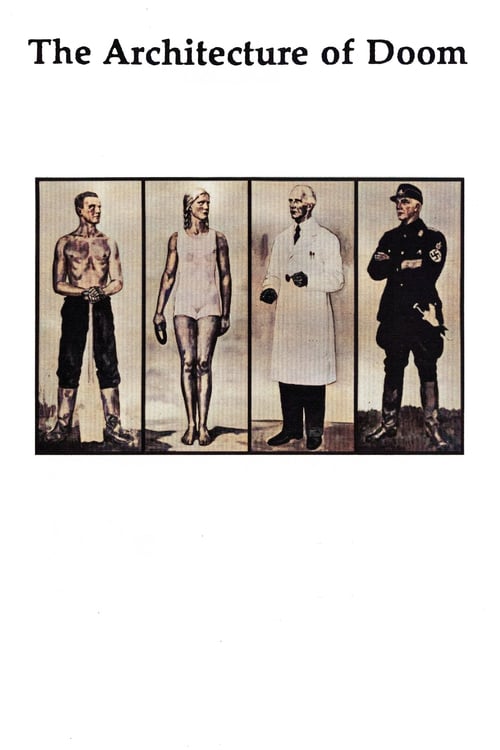
Featuring never-before-seen film footage of Adolf Hitler and the Nazi regime, The Architecture of Doom captures the inner workings of the Third Reich and illuminates the Nazi aesthetic in art, architecture and popular culture. From Nazi party rallies to the final days inside Hitler's bunker, this sensational film shows how Adolf Hitler rose from being a failed artist to creating a world of ponderous kitsch and horrifying terror. Hitler worshipped ancient Rome and Greece, and dreamed of a new Golden Age of classical art and monumental architecture, populated by beautiful, patriotic Aryans. Degenerated artists and inferior races had no place in his lurid fantasy. As this riveting film shows, the Nazis went from banning the art of modernists like Picasso to forced euthanasia of the retarded and sick, and finally to the persecution of homosexuals and the extermination of the Jews.
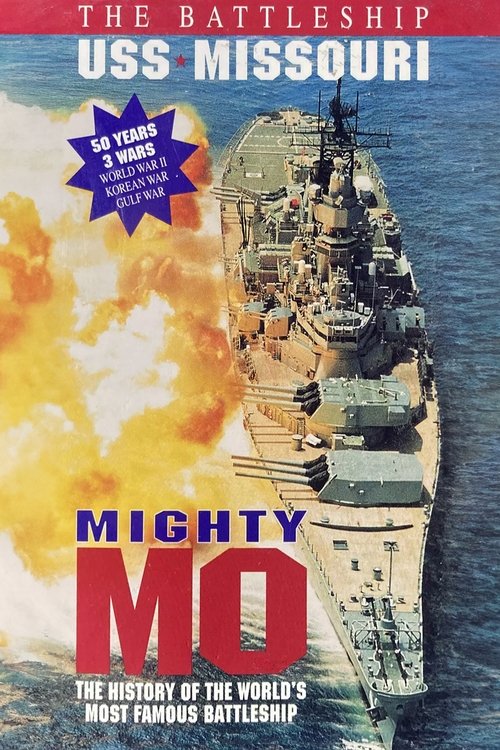
Explore the history of the world's most famous battleship, the USS Missouri, with this revealing documentary that chronicles the ship's distinguished career that spanned more than 50 years of service. Narrated by decorated Navy officer Wes Carey, this portrait combines archival film footage, photographs and personal accounts to paint a vivid picture of the celebrated ship, affectionately known as "Mighty Mo."
North Korean propaganda film about orchards that yield bigger crops after Kim Il-sung visits. The films was presented as a gift to friendly-minded countries in the world. And expected by the North Korean Culture Ministry to be displayed publicly. Sweden was one of the countries honored by receiving a copy of "Gwasu-ui nara / Country of Orchards".
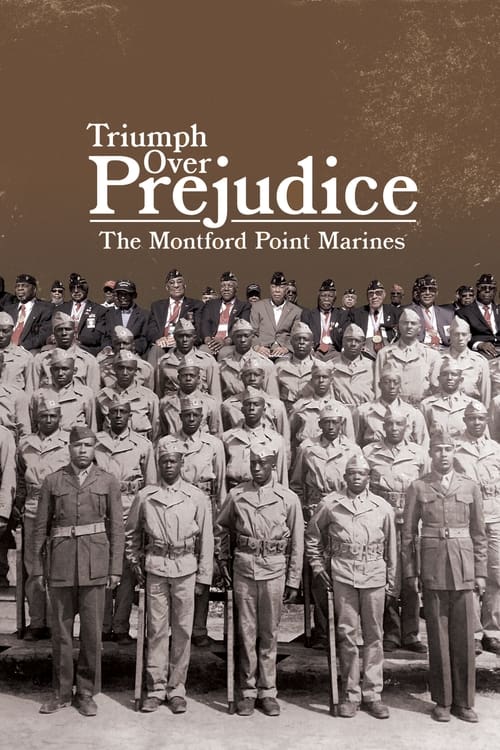
Against the backdrop of a world on the brink, the Montford Point Marines transcended enemy lines and formidable barriers of racial segregation. Beginning in rural Virginia, their journey to the front lines of World War II, the Korean War, and the Vietnam War is more than a testament to their bravery - it's a reflection of their indomitable spirit and unyielding resolve. Confronting racial prejudices, the heartbreaks of war, and the turbulent transition to civilian life, these men never wavered in their commitment. "Triumph Over Prejudice" dives deep into the uncharted terrains of the Black experience in the early 20th century Marine Corps, illuminating stories often shadowed in history's corners. With cinematic finesse fit for a global streaming audience, the film weaves personal narratives into a rich tapestry, culminating in an epic saga of heroism, perseverance, and the enduring legacy of the American veteran.
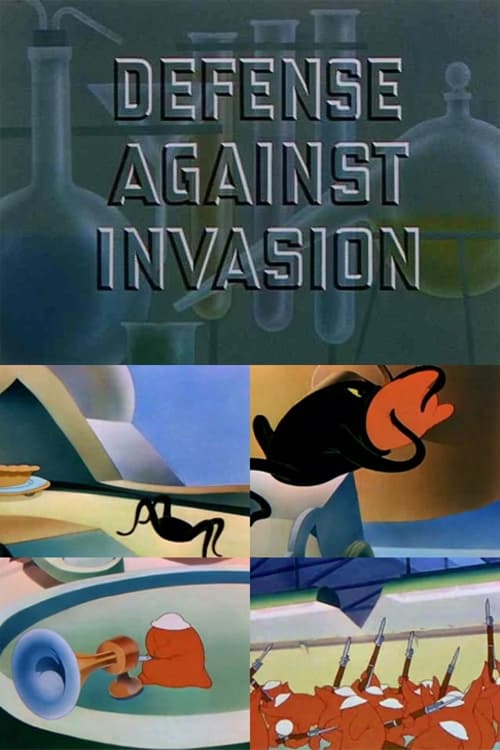
A doctor persuades a group of boys to be vaccinated by explaining how it will protect them against disease. Animated sequences depict the body metaphorically as a city, defended by the blood cells, which are stimulated by vaccination to amass arms and ammunition, in order to defend the city when it is invaded by germs.
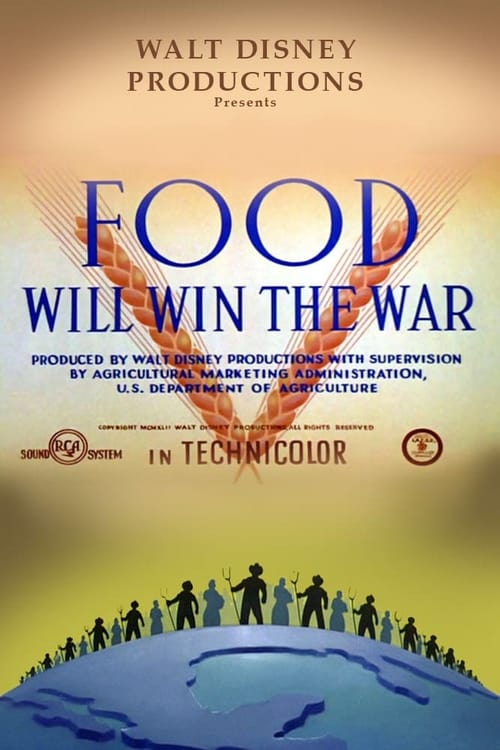
World War II propaganda film on the importance of American farming. A morale booster film stressing the abudance of American agricultural output.