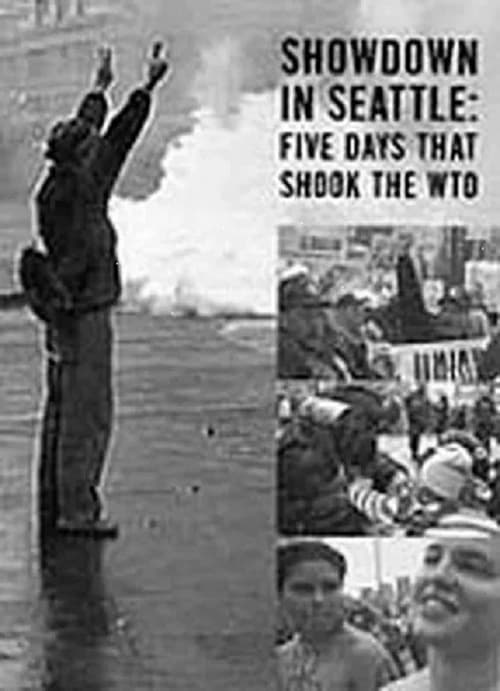
1999 documentary film, first broadcast in daily half-hour installments, about the November 1999 protests against the Ministerial Conference of the World Trade Organization (WTO) in Seattle, Washington.
One of the key works in creating the American social documentary film, this 1934 newsreel compilation crams a lot of information into just 11 minutes. Skillfully edited, the picture captures a panorama of international events centered on the labor movement. Scenes include Mussolini, Hitler and FDR preparing for war, Nazi soldiers persecuting German Jews, a political strike in Paris, the Scottsboro demonstration in Washington, DC, police violence against striking steelworkers in Pennsylvania and union members stopping scab workers from delivering milk during a dairy farmers strike in Wisconsin. Under the direction of pioneering documentarian Leo Hurwitz, the images are edited together to create a powerful image of a world that, in his view, desperately needed radical change.
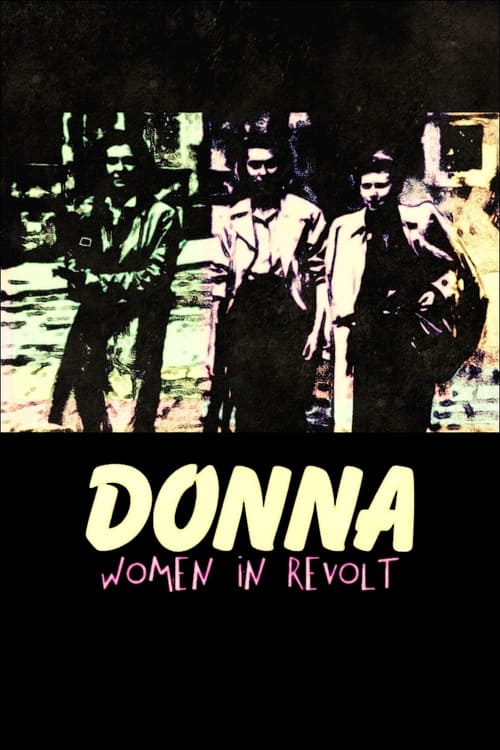
The story of those Italian women who, for eighty years, have fought against power in all its forms.
Propaganda short film depicting the rise of Nazism in Germany and how political propaganda is similarly used in the United States. The film was made to make the case for the desegregation of the United States armed forces.
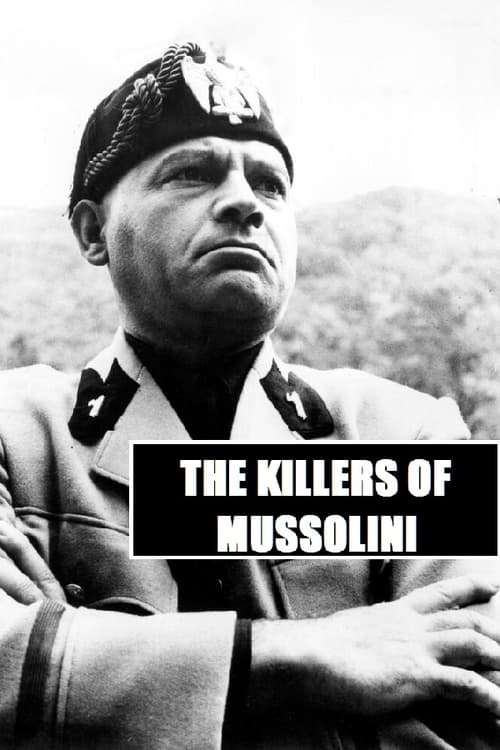
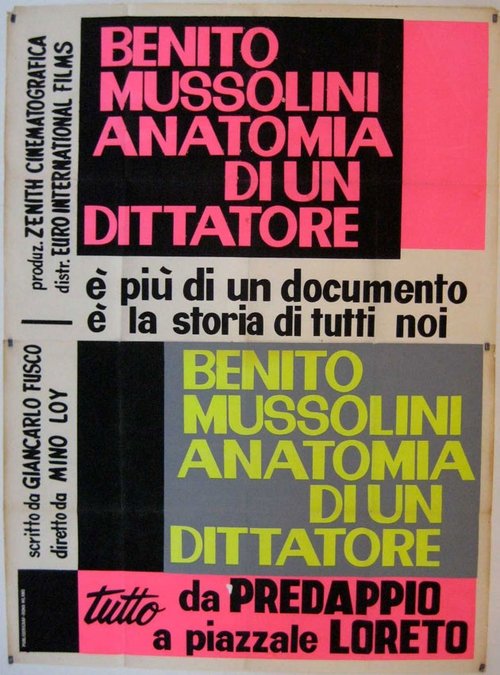
As the Salo Republic crumbles around him, Mussolini, along with his mistress and several of his ministers flee with retreating Nazi soldiers, but are caught at the town of Dongo by red partisans. All are brutally executed without trial.
No overview available.
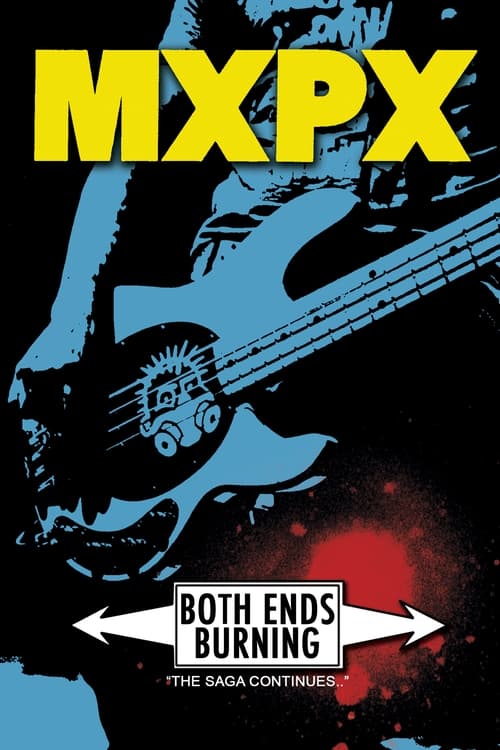
"Both Ends Burning" is a film that captures MxPx at a crossroads in their seasoned career. Directed by Bryan Buchelt, this documentary not only follows the band's struggles in the face of the new touring climate, it also looks at the legacy and impact that Mike, Tom, and Yuri have had on the music industry, fellow bands, and their fans. This is one of the first true looks into the life of the notoriously private working class band on the road and at home.
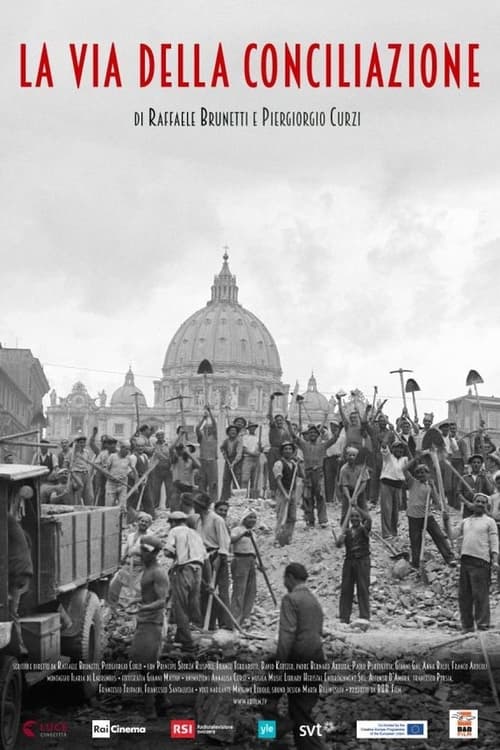
Everyone knows the view of Via della Conciliazione with St. Peter's Basilica framed behind it. The most famous postcard of Rome, the background used by correspondents all over the world. Few know that this street hasn't always been there, and in fact shouldn't have been from the premises.
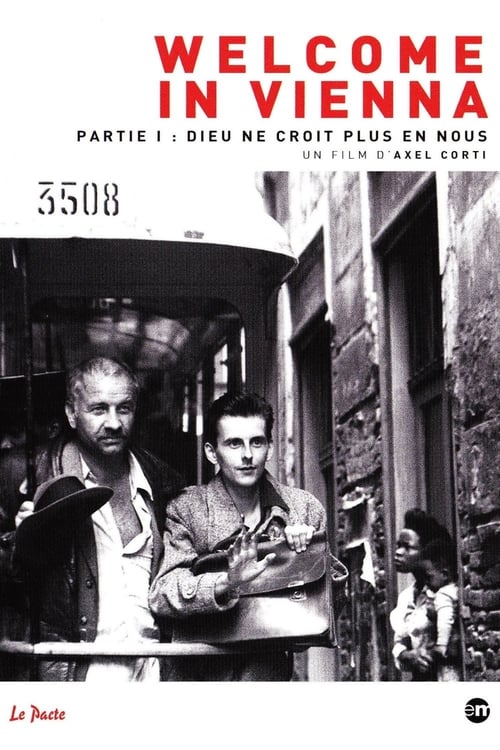
After his father is murdered by the Nazis in 1938, a young Viennese Jew named Ferry Tobler flees to Prague, where he joins forces with another expatriate and a sympathetic Czech relief worker. Together with other Jewish refugees, the three make their way to Paris, and, after spending time in a French prison camp, eventually escape to Marseille, from where they hope to sail to a safe port.
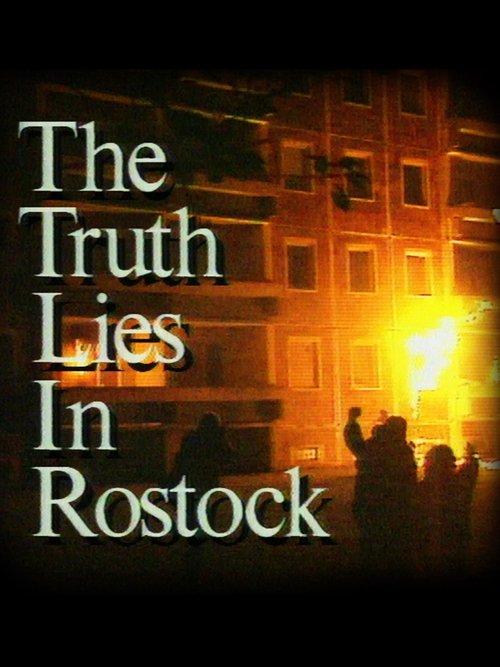
August 1992, Rostock-Lichtenhagen. The police look on as fascists bomb the Central Reception Center for Refugees (ZAST) and a hostel for Vietnamese contract workers with Molotov cocktails. A montage of video footage shot from the attacked houses, interviews with anti-fascists, the Vietnamese contract workers, the police, bureaucrats, neo-Nazis and local residents. A documentary about the collusion of politics and widespread fear.
A propaganda film shown at New Party political meetings.
This documentary about teenagers living on the streets in Seattle began as a magazine article. The film follows nine teenagers who discuss how they live by panhandling, prostitution, and petty theft.
Documentary about the leader of the fascist party in The Netherlands, from 1931 till 1945. This architect called Anton Mussert was shot in 1946 after having been convicted for high treason and aiding the enemy.
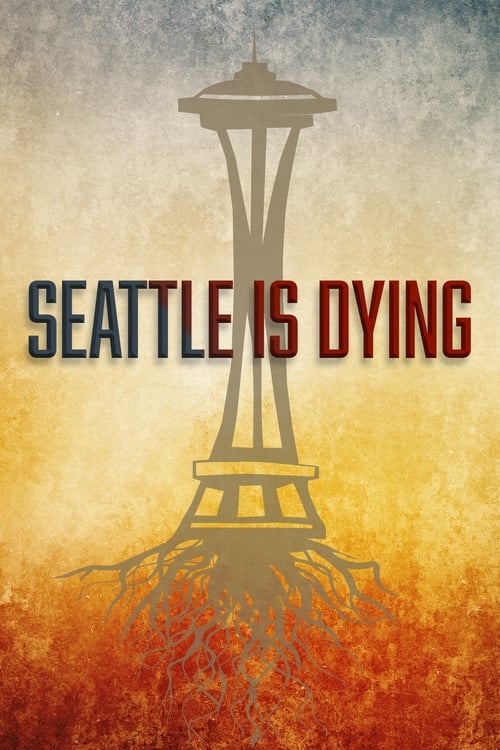
KOMO Anchor Eric Johnson takes an in-depth look at the impact the drug and homelessness problem is having on our city and possible solutions in "Seattle is Dying," a news documentary that aired on KOMO-TV in March, 2019.
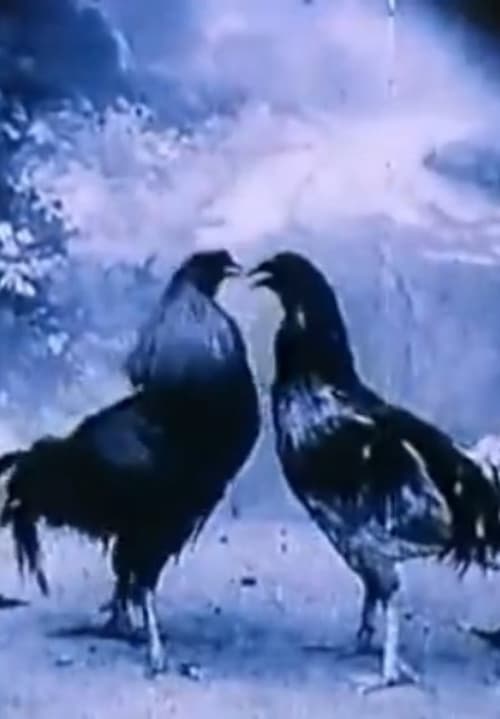
In this filmic comment on Fascist ideology - which uses footage from the recently discovered archives of Luca Comerio - invisible hands push captive animals to fight among themselves.
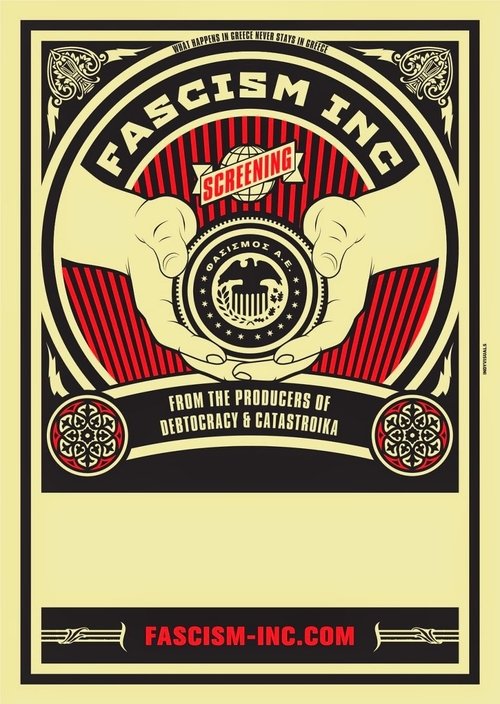
Unknown short stories from the past, the present and the future of fascism and its relation to the economic interests of each era. We will travel from Mussolini’s Italy to Greece under the Nazi occupation, the civil war and the dictatorship; and from Hitler’s Germany to the modern European and Greek fascism.
No Trailers found.
Self - Author