This surreal abstract film falls into three sections, or movements, the first taking place on the ground, the second in the air and the third again on the ground. In the first movement various motifs or themes are introduced, which are again picked up and developed in the third movement. Six spheres, evolved in the first movement, become the sole subject matter–or “dancers”–of the second movement, which consists of a simple type of ballet using the floor-plan choreography or traditional ballet as a basis of interest.
No overview available.
Departing from peripheral details of some paintings of the Bilbao Fine Arts Museum, a female narrator unravels several stories related to the economic, social and psychological conditions of past and current artists.
Filmed In the heart of the mountainous villages of Greece and North Macedonia, the documentary follows a group of conservators of antiquities and works of art on their journey, with the goal of preserving Byzantine iconography. The dialogue between them and the hagiographers of the past comes to life.
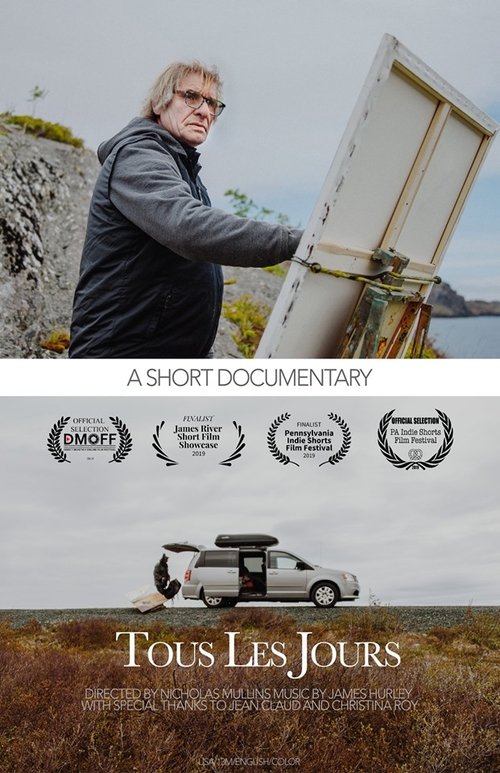
In rocky Newfoundland, renowned French artist Jean Claude Roy gathers his paints and sets off to face the day. Whether it be freezing snow, violent wind, or pouring rain, he commits vibrant colors to canvas and conquers the day by weaving crooked beauty out of difficulties.
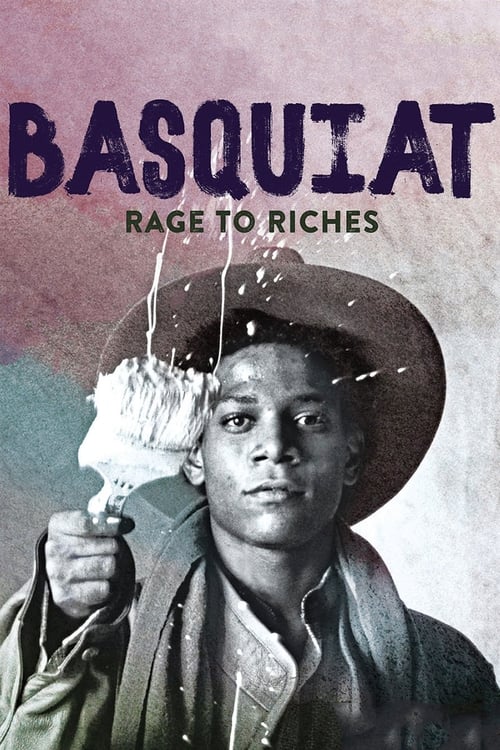
This film tells Jean-Michel's story through exclusive interviews with his two sisters Lisane and Jeanine, who have never before agreed to be interviewed for a TV documentary. With striking candour, Basquiat's art dealers - including Larry Gagosian, Mary Boone and Bruno Bischofberger - as well as his most intimate friends, lovers and fellow artists, expose the cash, the drugs and the pernicious racism which Basquiat confronted on a daily basis. As historical tableaux, visual diaries of defiance or surfaces covered with hidden meanings, Basquiat's art remains the beating heart of this story.
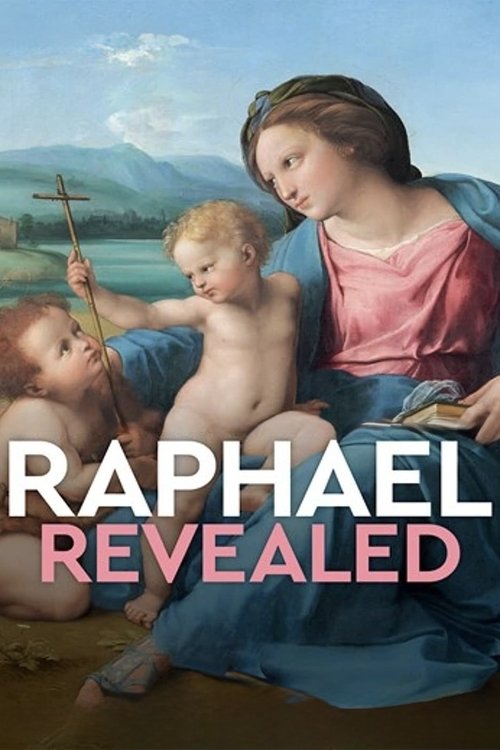
Marking the 500th anniversary of Raphael’s death, the greatest exhibition ever held of his works took place in Rome. Exhibition on Screen was granted exclusive access to this once-in-a-lifetime show. With over two hundred masterpieces, including paintings and drawings – over a hundred of which have been brought together for the first time – this major exhibition celebrates the life and work of Raffaello Sanzio da Urbino.
Acting as part ode and through a series of interpretations, Claudette’s Star depicts young artists considering with sheer wonder who is given a voice.
A look at the feud between graffiti artists King Robbo and Banksy.
Banksy is a graffiti artist with a global reputation whose work can be seen on walls from post-hurricane New Orleans to the separation barrier on the Palestinian West Bank. Fiercely guarding his anonymity to avoid prosecution, Banksy has so far resisted all attempts to be captured on film. Exit Through the Gift Shop tells the incredible true story of how an eccentric French shop keeper turned documentary maker attempted to locate and befriend Banksy, only to have the artist turn the camera back on its owner.
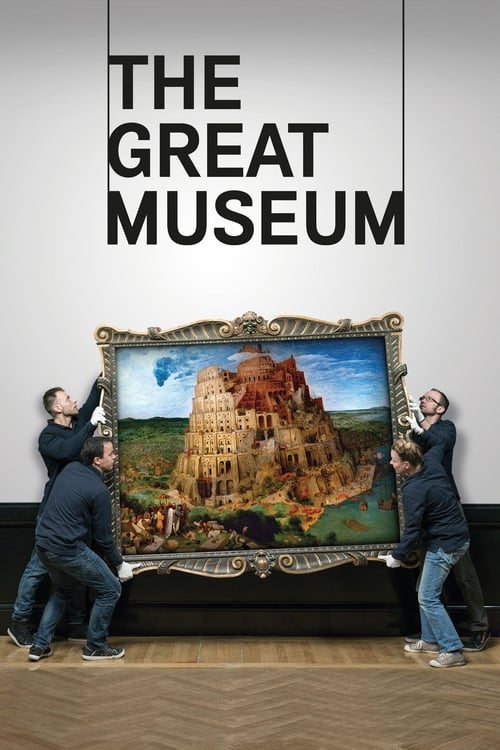
This feature documentary portrays one of the most important museums in the world, the Kunsthistorisches Museum Wien. It presents a unique look behind the scenes of this fascinating institution and encounters a number of charismatic protagonists and their working fields unfolding the museum’s special world – as an art institution as well a vehicle for state representation.
Celebrating Billy Connolly's 75th birthday and 50 years in the business, three Scottish artists - John Byrne, Jack Vettriano and Rachel MacLean - each create a new portrait of the Big Yin. As he sits with each artist, Billy talks about his remarkable life and career which has taken him from musician and pioneering stand-up to Hollywood star and national treasure.
Michael Palin heads for rural Pennsylvania and Maine to explore the extraordinary life and work of one of America's most popular and controversial painters, Andrew Wyeth. Fascinated by his iconic painting Christina's World, Palin goes in search of the real life stories that inspired this and Wyeth's other depictions of the American landscape and its hard grafting inhabitants. Tracking down the farmers, friends and family featured in Wyeth's magically real work, Palin builds a picture of an eccentric, enigmatic and driven painter. He also gets a rare interview with Helga, the woman who put Wyeth back in the headlines when the press discovered he had been painting her nude, compulsively but secretly for 15 years.
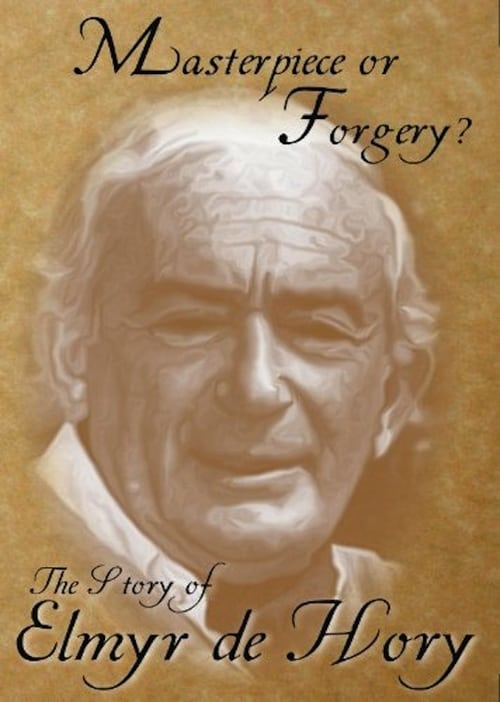
Elmyr de Hory was called "The Myth of our Century" when he was revealed as a master forger in 1968. Born in 1905, he made an estimated 1000 fake paintings, primarily in the style of the post-impressionists before he died - or disappeared - in 1976. In addition to faking paintings, Elmyr de Hory often faked his own identity, and traveled easily throughout Europe's high society.
No Trailers found.
Self