Acting as part ode and through a series of interpretations, Claudette’s Star depicts young artists considering with sheer wonder who is given a voice.
Self
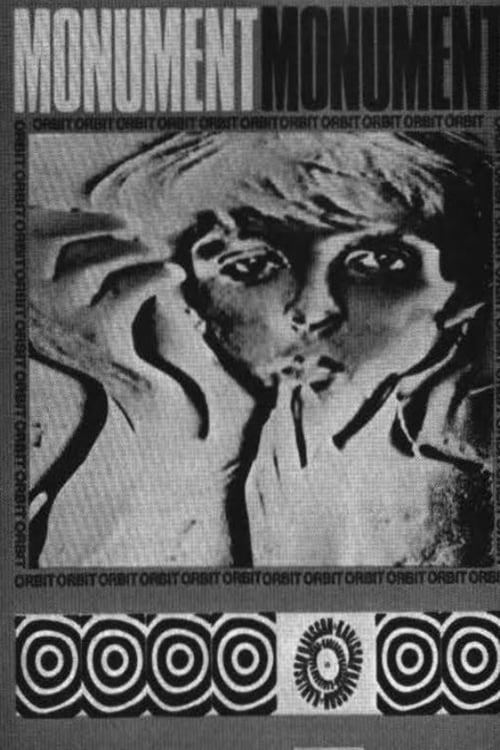
In the fall of 1967, intermedia artists Ture Sjölander and Lars Weck collaborated with Bengt Modin, video engineer of the Swedish Broadcasting Corporation in Stockholm, to produce an experimental program called Monument. It was broadcast in January, 1968, and subsequently has been seen throughout Europe, Asia, and the United States. Apart from the technical aspect of the project, their intention was to develop a widened consciousness of the communi - cative process inherent in visual images. They selected as source material the "monuments" of world culture— images of famous persons and paintings.
A very personal look at the history of cinema directed, written and edited by Jean-Luc Godard in his Swiss residence in Rolle for ten years (1988-98); a monumental collage, constructed from film fragments, texts and quotations, photos and paintings, music and sound, and diverse readings; a critical, beautiful and melancholic vision of cinematographic art.
A dancer moving through a city seeking a space in which to exist.
An atmospheric essay, which is an alternative version of Count Dracula, a film directed by Jess Franco in 1970; a ghostly narration between fiction and reality.
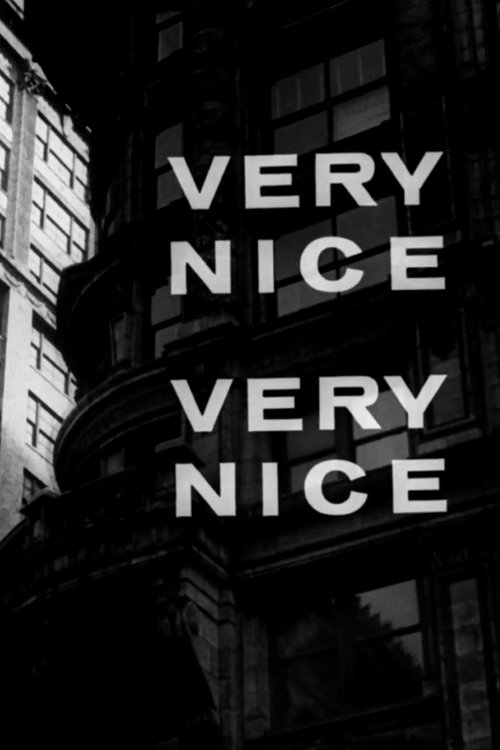
Arthur Lipsett's first film is an avant-garde blend of photography and sound. It looks behind the business-as-usual face we put on life and shows anxieties we want to forget. It is made of dozens of pictures that seem familiar, with fragments of speech heard in passing and, between times, a voice saying, "Very nice, very nice." The film was nominated for an Oscar for Best Live Action Short Film.
This documentary interweaves celluloid and voice recordings by Maya Deren, and colleagues who knew her firsthand: Jean Rouch, Jonas Mekas, Alexander Hammid, Cecile Starr etc. Maya Deren (1917-1961) was an experimental filmmaker. In the 1940s and 1950s she made several influential avant-garde films, such as Meshes of the Afternoon (1943). Images from this and her other work are used in this documentary. You can also hear her voice, as well as accounts by contemporaries such as Jean Rouch and Jonas Mekas.
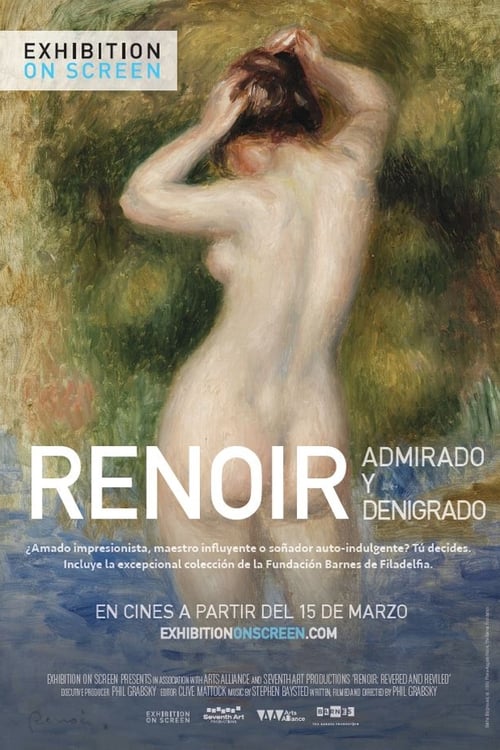
Pierre-Auguste Renoir is known and loved for his impressionist paintings of Paris. These paintings count among the world’s favourites. Renoir, however, grew tired of this style and changed course. This film, based on the collection of 181 Renoirs at the Barnes Foundation in Philadelphia,– examines the direction he then took and why it provokes such extreme reactions right up to today. Some claim they are repulsed by Renoir’s later works and some claim they are seduced. What may surprise many is that among the many artists who sought Renoir’s new works out and were clearly highly influenced by them were the two giants of the 20th century – Picasso and Matisse.
A two-minute poetic micro-manifesto of ecological and social warning about the endangerment of people and the world's nature in the 1960s.
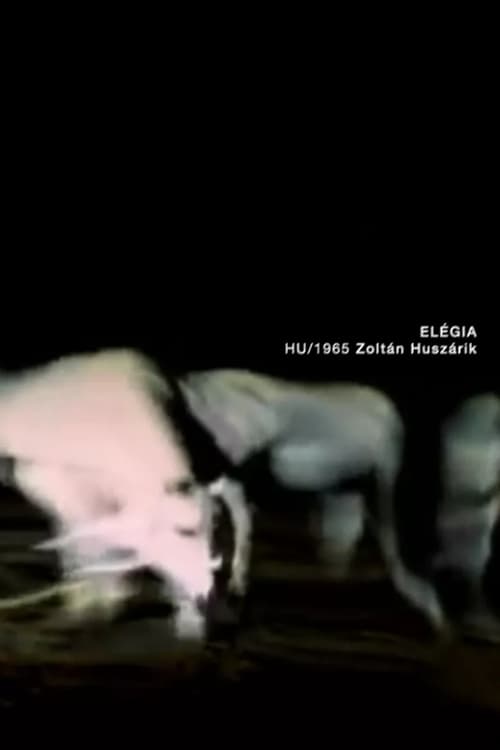
Often called a “film poem” or a “film symphonie” Huszárik’s masterpiece consists of montages of horses from the dawn of time to the modern times from cave paintings to horse races.
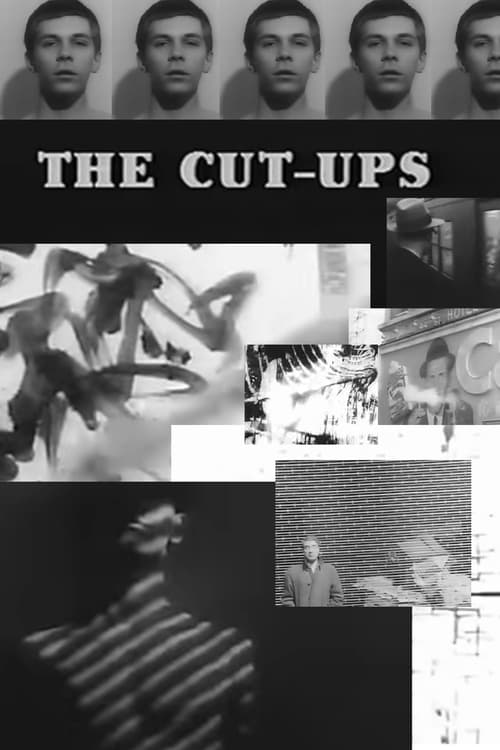
Essentially a dizzying montage of quirky shots of legendary Beat Generation writer William S. Burroughs and noted surrealist artist Brion Gysin, this nearly 20 minute avant-garde short features repeated articulations of such random things as "Hello," "Where are we now?," and "Look at that picture" instead of music or standard dialogue. The narrative is decidedly nonlinear and perplexing, with no discernible plot whatsoever as we see images of Gysin working on his paintings and calligraphic designs and Burroughs rummaging through draws, packing a suitcase, giving a young man a physical, making a call in a phone booth, and waiting on a platform for a subway train.
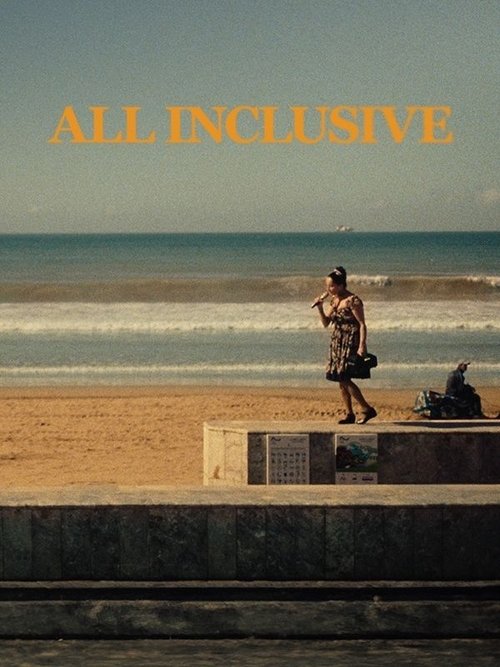
A story of seven women who are going on holidays to Morocco, getting out of the hotel and confronting women from Morocco. They will look for their own way of life in the desert, confront their world, looking at the reality that surrounds them.
An experimental film of the group Throbbing Gristle in concert.
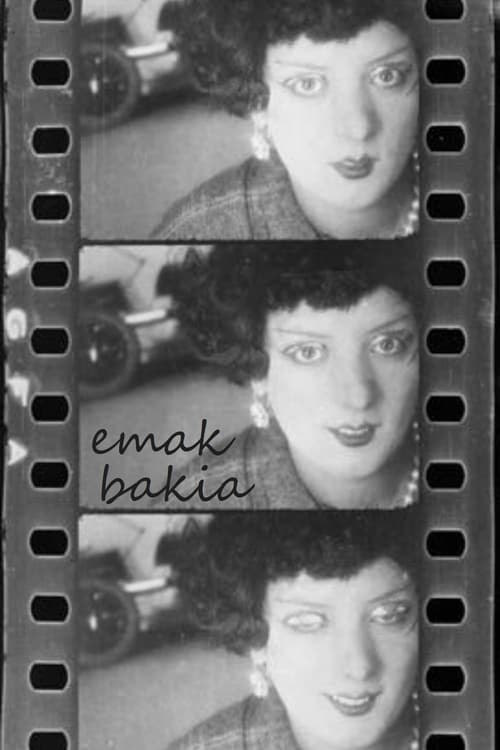
Emak-Bakia (Basque for Leave me alone) is a 1926 film directed by Man Ray. Subtitled as a cinépoéme, it features many techniques Man Ray used in his still photography (for which he is better known), including Rayographs, double exposure, soft focus and ambiguous features. The film features sculptures by Pablo Picasso, and some of Man Ray's mathematical objects both still and animated using a stop motion technique.
A collage of Derek Jarman's super 8 footage spanning over 20 years.
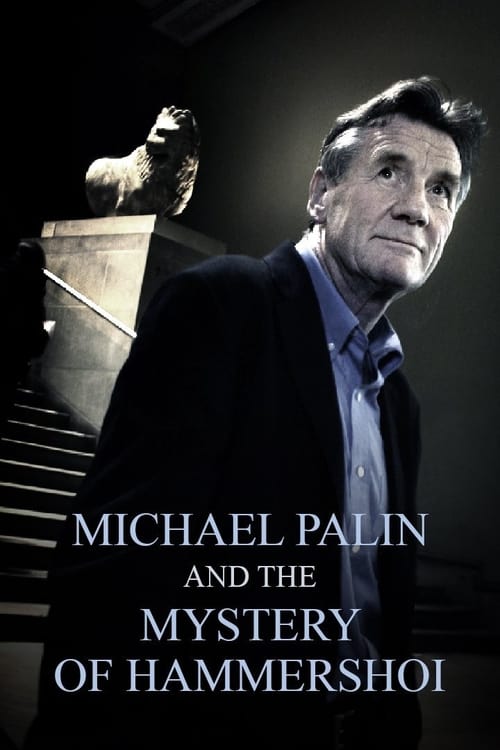
In 2005, Michael Palin set out to unlock the mysteries and find out about the background and life of Danish painter Vilhelm Hammershøi. Hammershøi painted around the start of the 20th century and many of his pictures have a distinct coolness and distance about them. Palin, wanting to know of his inspirations and the reason for these mystical pictures, starts his search in Hayward Gallery in London, goes to Amsterdam and finally the painters home town, Copenhagen (Denmark).
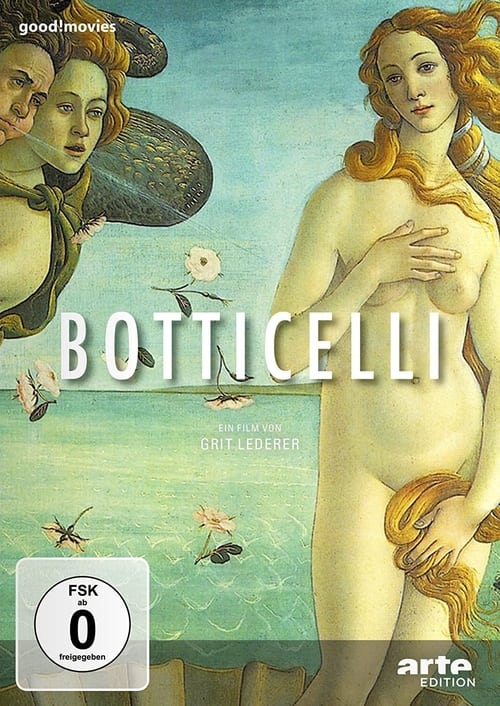
Renaissance artist Sandro Botticelli (1445-1510) is both a cultural icon and a lasting source of artistic inspiration. His famous female figures, like Venus and Primavera, have become part of our shared visual memory and influence artists worldwide. Berlin director and art historian Grit Lederer explores Botticelli’s life and work, focusing on the Gemäldegalerie’s impressive collection. The film examines how his iconic paintings continue to inspire art and advertising today. Experts reveal what makes his style unique and why his work was forgotten for centuries after his death. Contemporary artists such as French artist Orlan and American Michael Joaquin Grey present works inspired by Botticelli. The documentary traces Botticelli’s enduring impact from Florence through Paris and New York to Berlin.
An unknown observer is seen traveling through a bleak corridor. At the end of the corridor they see a naked woman, whom they are unable to reach as their trip seems to become increasingly twisted and looped.
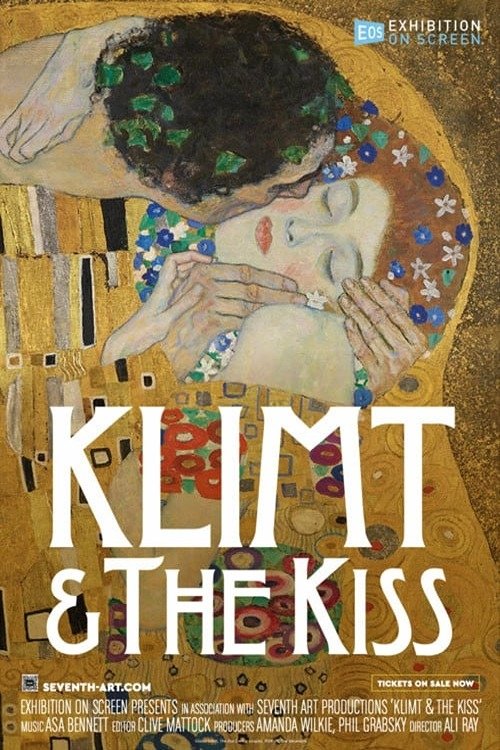
The Kiss by Gustav Klimt is one of the most recognised and reproduced paintings in the world. It is perhaps the most popular poster on student dorm walls from Beijing to Boston. Painted in Vienna around 1908, the evocative image of an unknown embracing couple has captivated viewers with its mystery, sensuality and dazzling materials ever since it was created. But just what lies behind the appeal of the painting – and just who was the artist that created it? Delving into the details of real gold, decorative designs, symbolism and simmering erotica, a close study of the painting takes us to the remarkable turn of the century Vienna when a new world was battling with the old.
A visual journey through the Mapocho river.
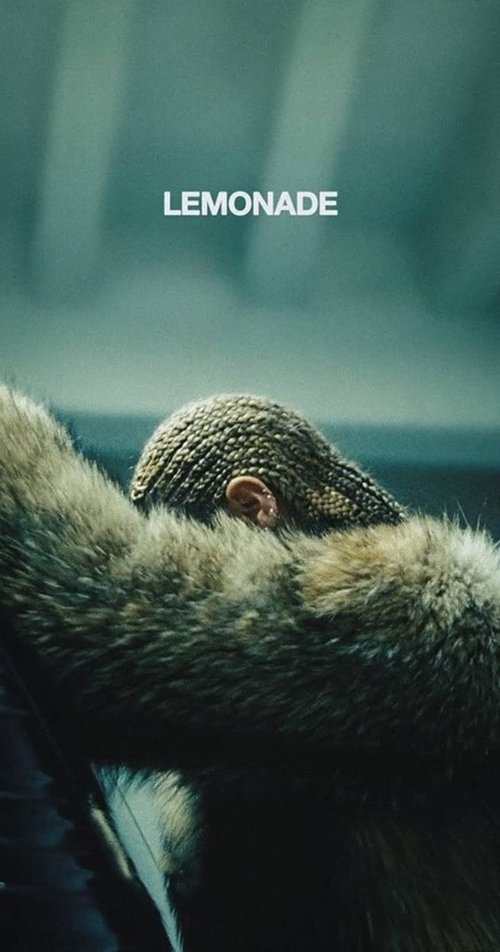
The second "visual album" (a collection of short films) by Beyoncé, this time around she takes a piercing look at racial issues and feminist concepts through a sexualized, satirical, and solemn tone.
No Trailers found.