No Trailers found.
A talented group of orphaned children in Swaziland create a fictional heroine and send her on a dangerous quest.
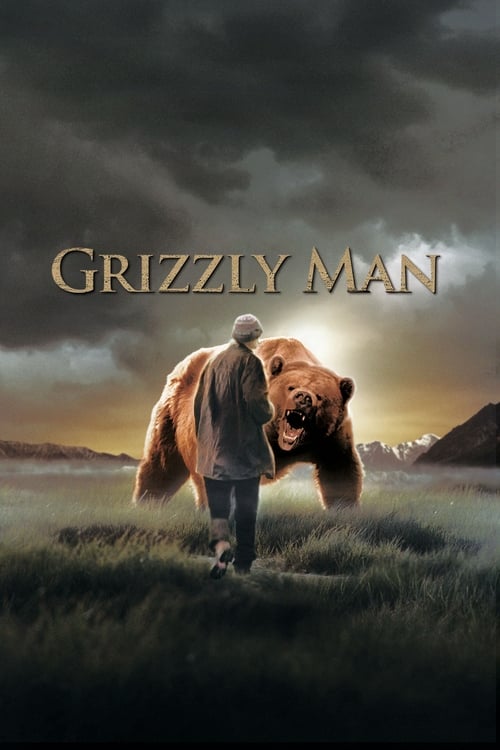
Follows the story of "Grizzly Man" Timothy Treadwell and what the thirteen summers in a National Park in Alaska were like in his attempt to protect the grizzly bears. The film is full of unique images and a look into the spirit of a man who sacrificed himself for nature.
Follow filmmakers as they capture the epic journey of African elephants across the Kalahari desert. The team faces extreme weather, inaccessible terrain, crocodile-infested waters and close encounters with lions in order to shine a light on these remarkable creatures and their ancient migrations.
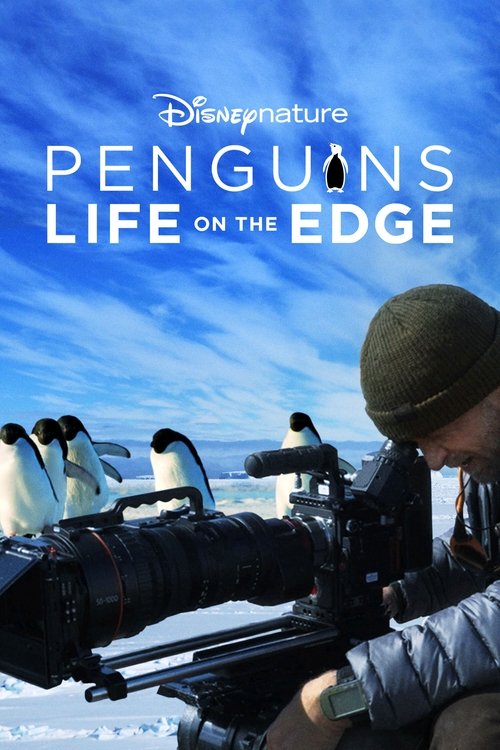
A witty and tenacious team of filmmakers brave the Antarctic to film Disneynature's "Penguins."
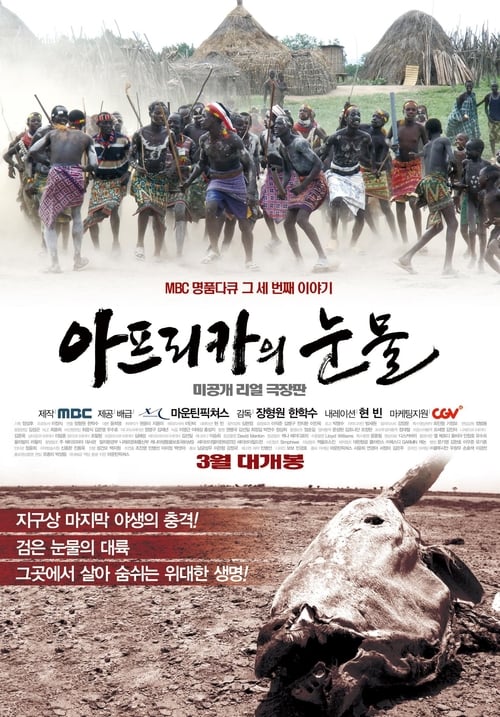
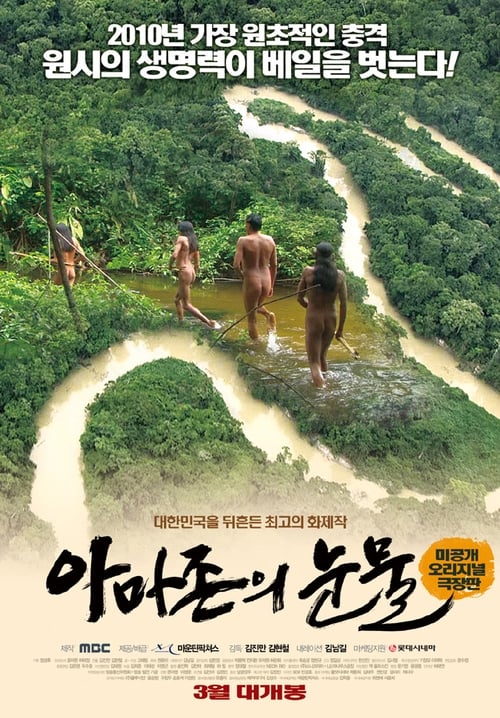
A documentary about environment destruction in the Amazon and the tribes living there. Produced for the 48th anniversary of MBC, Korea. A brilliant records of the itinerary for 250 days through the Amazon.
A partnership between the Government of Mali and an American agricultural investor may see 200-square kilometers of Malian land transformed into a large-scale sugar cane plantation. Land Rush documents the hopes, fears, wishes, and demands of small-scale subsistence farmers in the region who look to benefit, or lose out, from the deal.
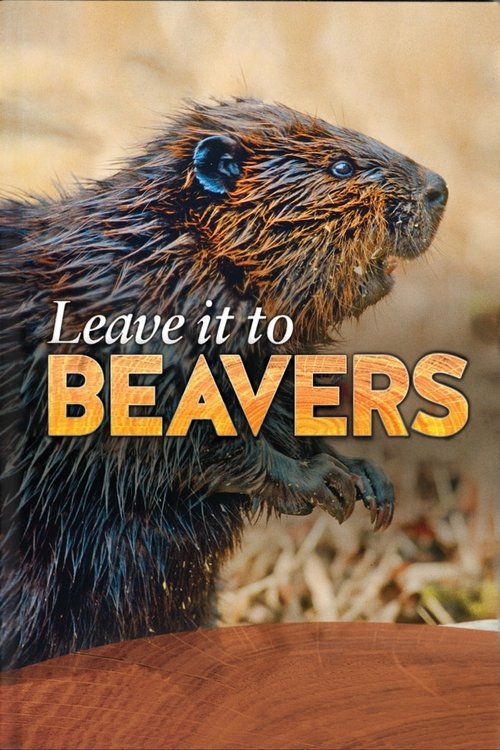
From PBS - The fascinating story of beavers in North America - their history, their near extinction, and their current comeback, as a growing number of scientists, conservationists and grass-roots environmentalists have come to regard beavers as overlooked tools when it comes to reversing the disastrous effects of global warming and world-wide water shortages. Once valued for their fur or hunted as pests, these industrious rodents are seen in a new light through the eyes of this novel assembly of beaver enthusiasts and "employers" who reveal the ways in which the presence of beavers can transform and revive landscapes. Using their skills as natural builders and brilliant hydro-engineers, beavers are being recruited to accomplish everything from re-establishing water sources in bone-dry deserts to supporting whole communities of wildlife drawn to the revitalizing aquatic ecosystems their ponds provide.
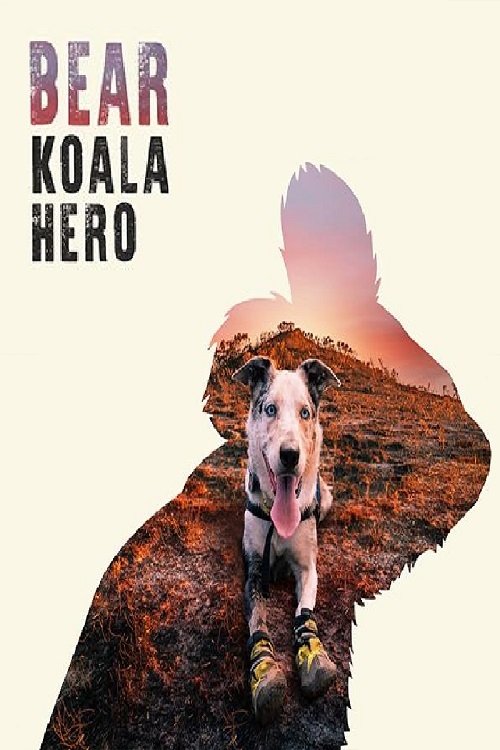
Follow the amazing work of Bear and his handlers as they spend the summer of 2020 scouring burnt-out bushland in southern Queensland and beyond searching for sick and injured koalas.
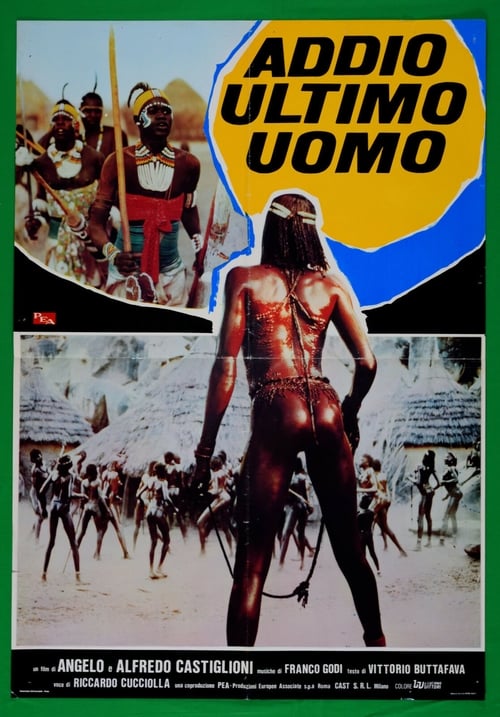
A Castiglioni Brothers mondo film about the practices and rites of several native African tribes.
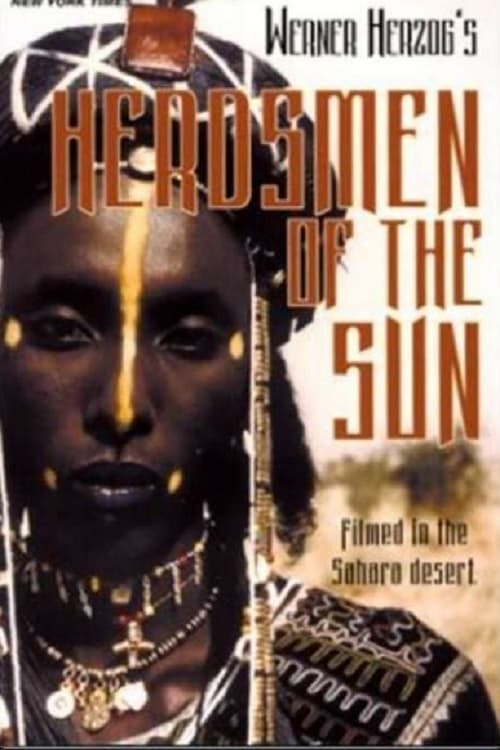
Herzog's documentary of the Wodaabe people of the Sahara/Sahel region. Particular attention is given to the tribe's spectacular courtship rituals and 'beauty pageants', where eligible young men strive to outshine each other and attract mates by means of lavish makeup, posturing and facial movements.
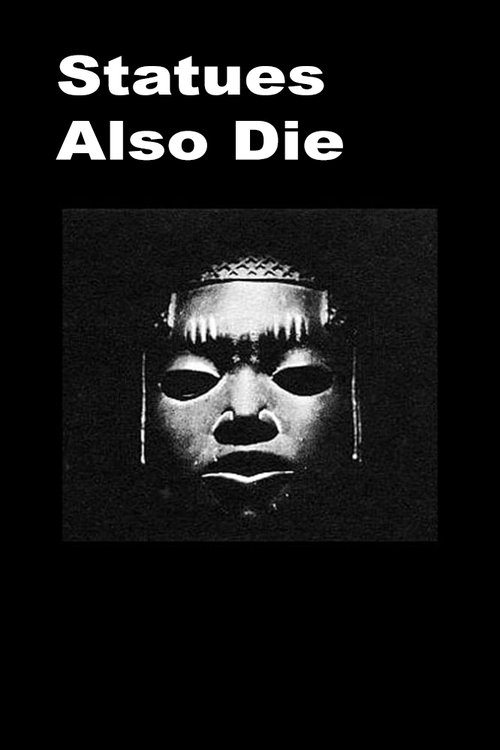
Commissioned by the journal Présence Africaine, this short documentary examines how African art is devalued and alienated through colonial and museum contexts. Beginning with the question of why African works are confined to ethnographic displays while Greek or Egyptian art is celebrated, the film became a landmark of anti-colonial cinema and was banned in France for eight years.
"A Walk to Beautiful" tells the story of five women in Ethiopia suffering from devastating childbirth injuries. Rejected by their husbands and ostracized by their communities, these women are left to spend the rest of their lives in loneliness and shame. The trials they endure and their attempts to rebuild their lives tell a universal story of hope, courage, and transformation.
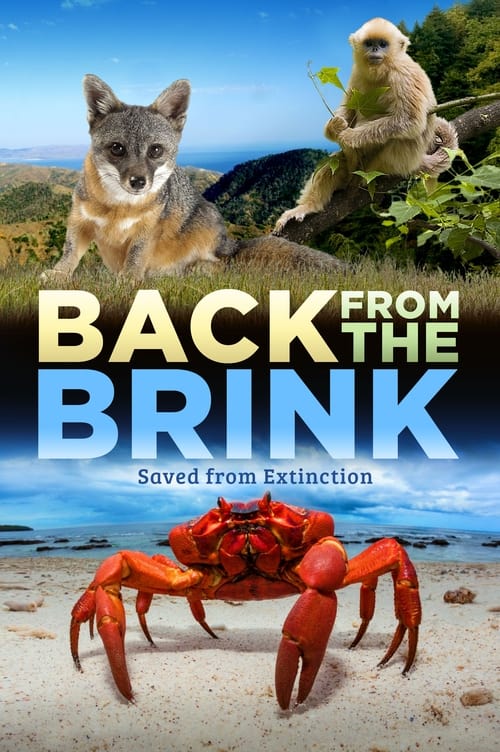
The remarkable true story of three animal species rescued from the brink of extinction: California’s enchanting Channel Island Fox, China’s fabled Golden Monkey, and the wondrous migrating crabs of Christmas Island. Discover successful, heartfelt, and ingenious human efforts to rescue endangered species around the world.
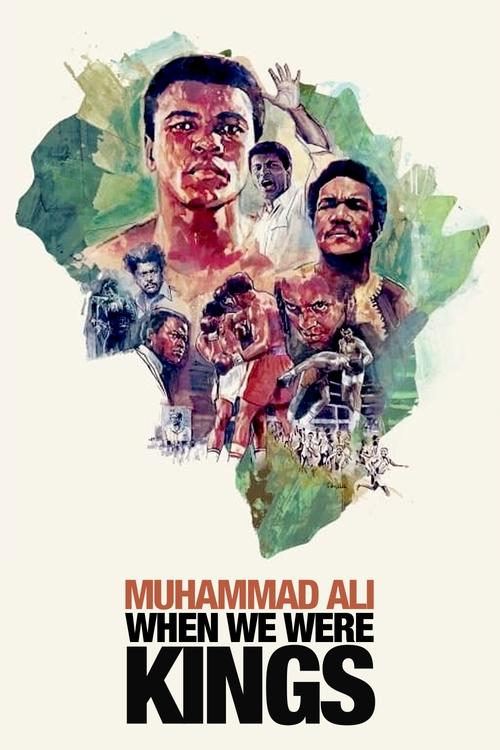
It's 1974. Muhammad Ali is 32 and thought by many to be past his prime. George Foreman is ten years younger and the heavyweight champion of the world. Promoter Don King wants to make a name for himself and offers both fighters five million dollars apiece to fight one another, and when they accept, King has only to come up with the money. He finds a willing backer in Mobutu Sese Suko, the dictator of Zaire, and the "Rumble in the Jungle" is set, including a musical festival featuring some of America's top black performers, like James Brown and B.B. King.
In the heart of Gorongosa National Park, Mozambique, the waters of Lake Urema explode with the thrashing of a giant crocodile tail. Gorongosa was once known as the place where Noah left his ark: 1,500 square miles of lush floodplains in central Mozambique, packed with wild animals. All around, enormous buffalo, soaring fish eagles, and countless antelopes roam freely. But on closer look, something strange is going on. Fifteen years of civil war has taken a heavy toll and many species have been almost completely wiped out. All the usual top predators and prey are virtually missing, except for one - giant crocodiles and thousands of them. Discover what is being done to bring this African oasis back to its former glory, including perhaps the most ambitious restoration effort ever attempted, with elephants, hippos and scores of zebra, wildebeest, impala and buffalo, being relocated into the park.
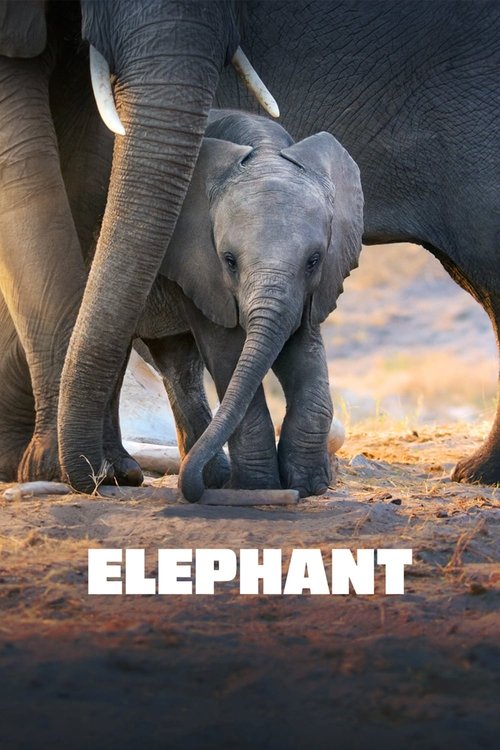
Disneynature’s Elephant follows African elephant Shani and her spirited son Jomo as their herd make an epic journey hundreds of miles across the vast Kalahari Desert. Led by their great matriarch, Gaia, the family faces brutal heat, dwindling resources and persistent predators, as they follow in their ancestors’ footsteps on a quest to reach a lush, green paradise.
A look at the rampant HIV epidemic rate in Swaziland.
Edeltraut Hertel - a midwife caught between two worlds. She has been working as a midwife in a small village near Chemnitz for almost 20 years, supporting expectant mothers before, during and after the birth of their offspring. However, working as a midwife brings with it social problems such as a decline in birth rates and migration from the provinces. Competition for babies between birthing centers has become fierce, particularly in financial terms. Obstetrics in Tanzania, Africa, Edeltraud's second place of work, is completely different. Here, the midwife not only delivers babies, she also trains successors, carries out educational and development work and struggles with the country's cultural and social problems.
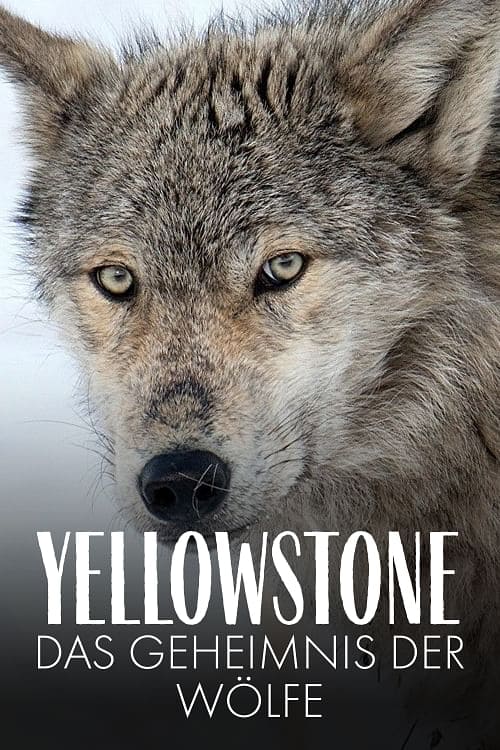
70 years after the last wolves roamed the national park, a total of 41 wolves were reintroduced between 1995 and 1997. A globally unique experiment that had many supporters, but also resolute opponents, then as now.
No overview available.
Narrator (voice)