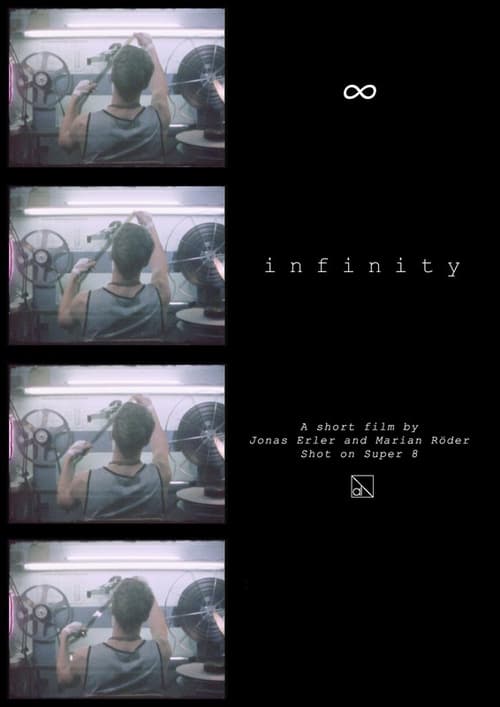
24 frames per second. 24 beats per minute.
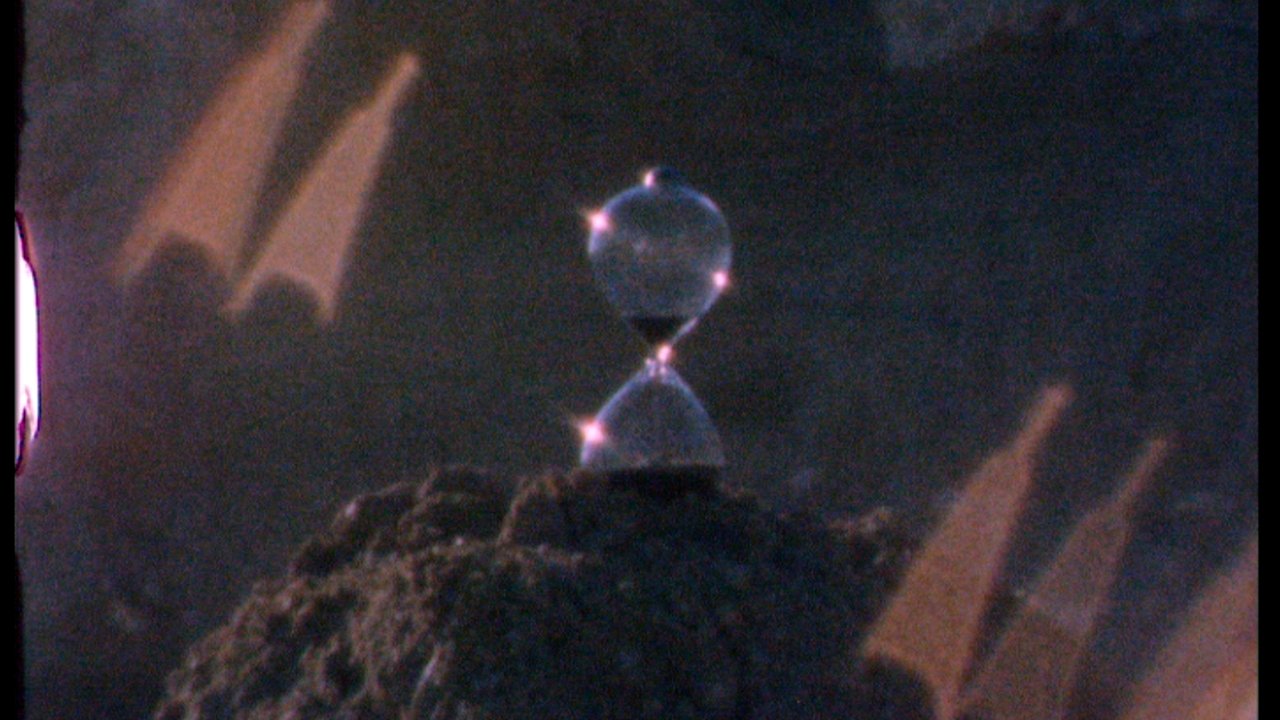
In the old projection room of a cinema something comes to life. 24 frames per second. 24 beats per minute. The analogue film is infinite. ∞
No Cast found.
No Trailers found.
Say Om as you reach home only to realize you never really left/stopped saying Om.
This film describes a psychological state "kin to moonstruck, its images emblems (not quite symbols) of suspension-of-self within consciousness and then that feeling of falling away from conscious thought. The film can only be said to describe or be emblematic of this state because I cannot imagine symbolizing or otherwise representing an equivalent of thoughtlessness itself. Thus the actors in the film, Jane Brakhage, Tom and Gloria Bartek, Williams Burroughs, Allen Ginsberg, Peter Olovsky and Phillip Whalen are figments of this 'Thought-Fallen Process', as are their images in the film to find themselves being photographed."
The Kuwaiti short film العاصفة (The Storm) explores Kuwait's social and economic shifts before and after the discovery of oil. Through the perspectives of an older father and his modernized son, it delves into the challenges of tradition versus rapid modernization.
Anne Bean, John McKeon, Stuart Brisley, Rita Donagh, Jamie Reid and Jimmy Boyle are interviewed about their artistic practice and the legacy of Surrealism on their work.
A woman returning home after having a sour day decides to sleep.
Cooper is given a decision that could help him finally make a difference or get him killed.
This, then, finishes eleven years of editing drawing on 30-some years of photography. I will surely work autobiographically again, but the modes of SINCERITY and DUPLICITY seem completed with this film which on the one hand is as simple in its integrity-of-light as those follow-the-ball "sing-along" early silent movies and on the other as complicated as teen-age metamorphosis. Childhood dissolves in flame, struck from the hearth.
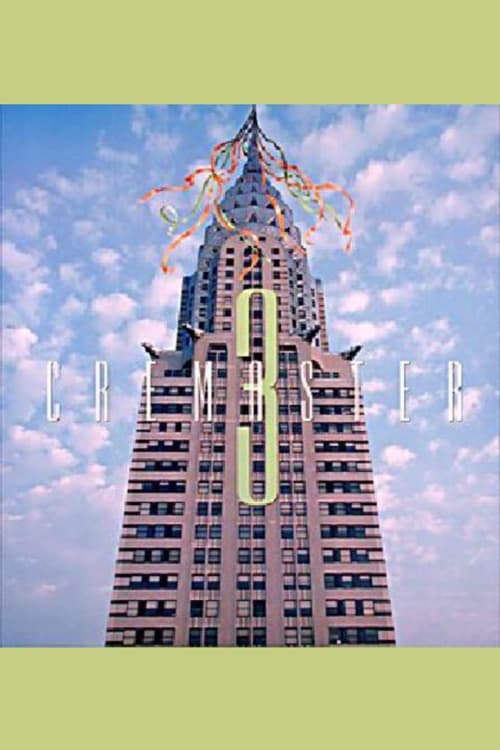
CREMASTER 3 (2002) is set in New York City and narrates the construction of the Chrysler Building, which is in itself a character - host to inner, antagonistic forces at play for access to the process of (spiritual) transcendence. These factions find form in the struggle between Hiram Abiff or the Architect ...
CREMASTER 4 (1994) adheres most closely to the project's biological model. This penultimate episode describes the system's onward rush toward descension despite its resistance to division. The logo for this chapter is the Manx triskelion - three identical armored legs revolving around a central axis. Set on the Isle of Man, the film absorbs the island's folklore ...
A psychiatrist tells two stories: one of a trans woman, the other of a pseudohermaphrodite.
A short Japanese experimental film
An immersive work that uses skilled manipulation of the film surface and a powerful drone soundtrack to create a layered and dense universe of controlled chaos. In about eighteen minutes we experience life to the fullest, from birth to death and eternity.
The film is about looking. I bet that slight variations of few recurrent elements would encourage the viewer to free associate and to fantasize a kind of narrative. - BM
A story of broken humanity following the invasion of a technologically superior alien species. Bleak, harrowing, and unrelenting, the humans must find enough courage to go on fighting.
The Greek island of Syros is visited by a series of unexpected guests. Immutable forms, outside of time, aloof observants to human conditions.
This film is depicts early lesbian sexuality, using reenacted scenes from the experience of a 12-year old girl as the platform for a meditation on forbidden desire, transgression, and Lacanian psychoanalytic concepts of identity formation. Raw adolescent memories counterpoint staged scenes, exploring mechanisms of power and submission.
A high school student has a mental breakdown and brings a gun to class. A standoff against the police ensues.
A group of punks steal weapons from a military base.
"Adrift" is shot on the arctic island of Spitzbergen and in Norway. It combines time-lapse photography with stop-motion animation of the landscape. Through camera-angles and framing the film gradually dislocates the viewer from a stable base where one loses the sense of scale and grounding.
Two brothers crash into the decaying Earth to stop a capitalist from manufacturing an immortality serum, which is synthesized utilizing heinous methods and leaving an increasingly dire infertility rate in its wake.