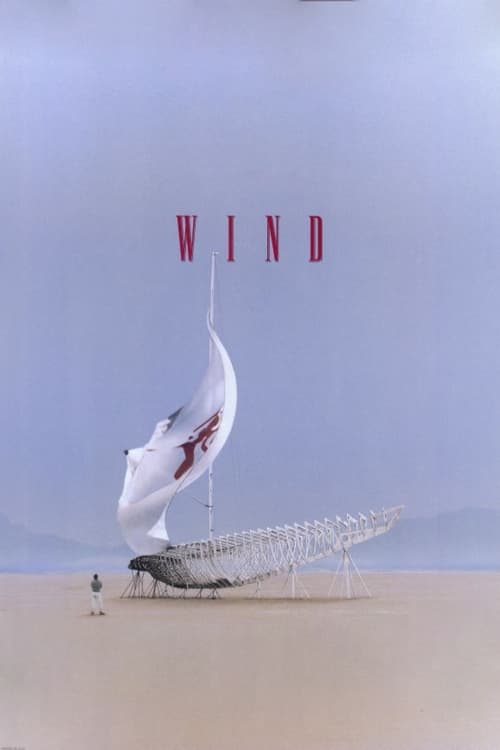
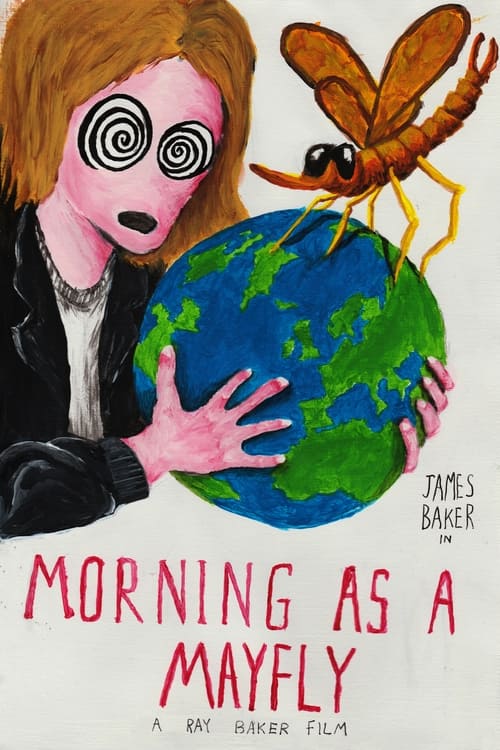
A meditative stillness experience.
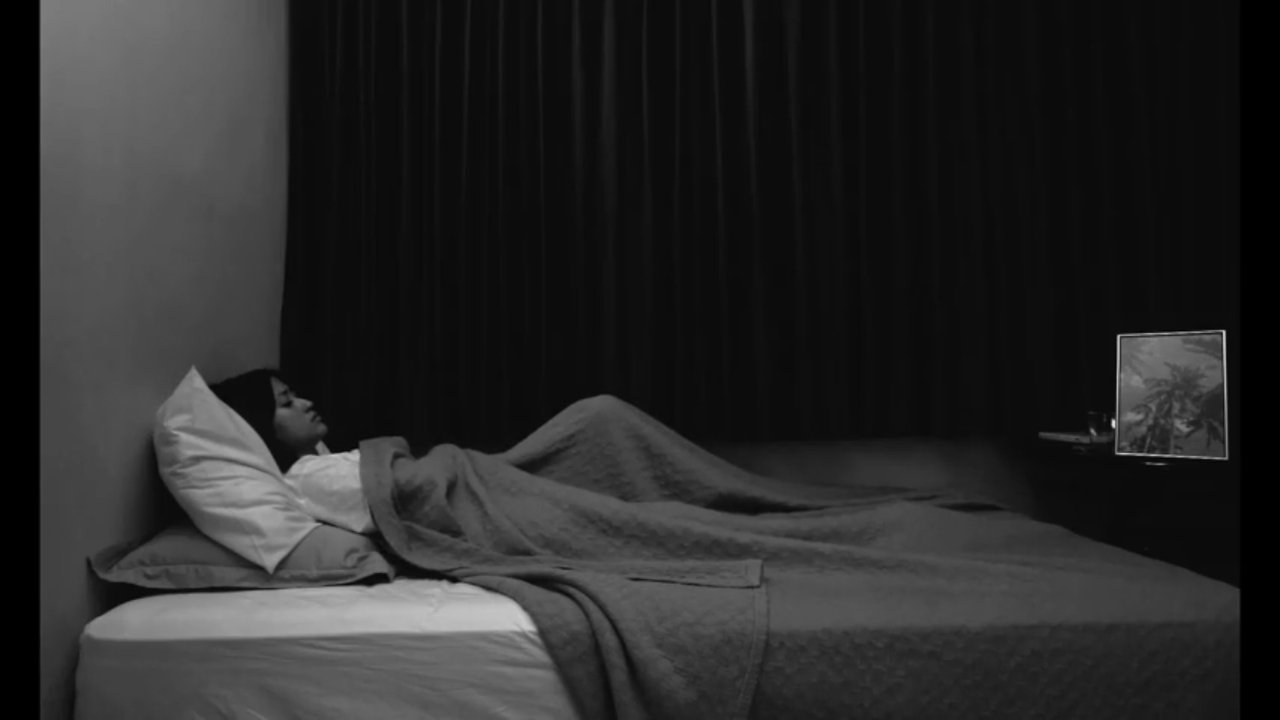
A woman returning home after having a sour day decides to sleep.
No Trailers found.
The Woman
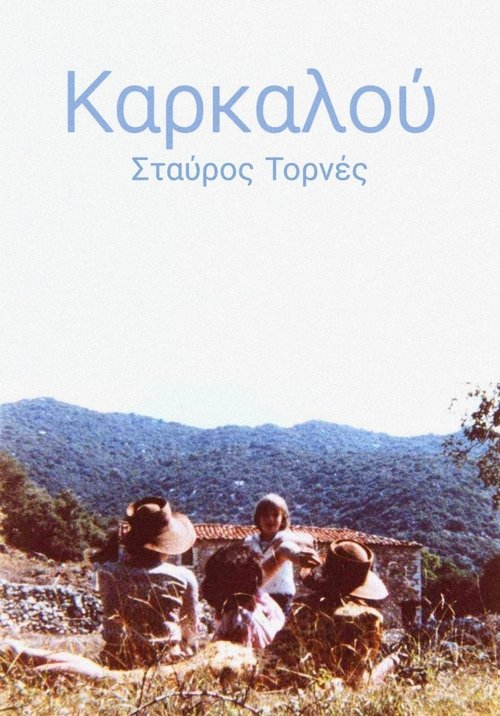
An old man, cut off from his future and his past, brings a young taxi driver into his game. The two meet Karkalou, a crazy prostitute, whom the former once loved madly and the latter will soon love.
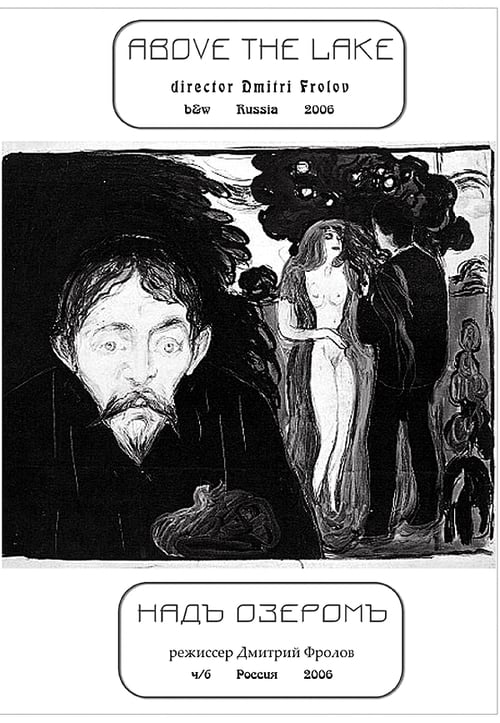
An isolated lake, where an old monk lives in a small floating temple. The monk has a young boy living with him, learning to become a monk. We watch as seasons and years pass by.
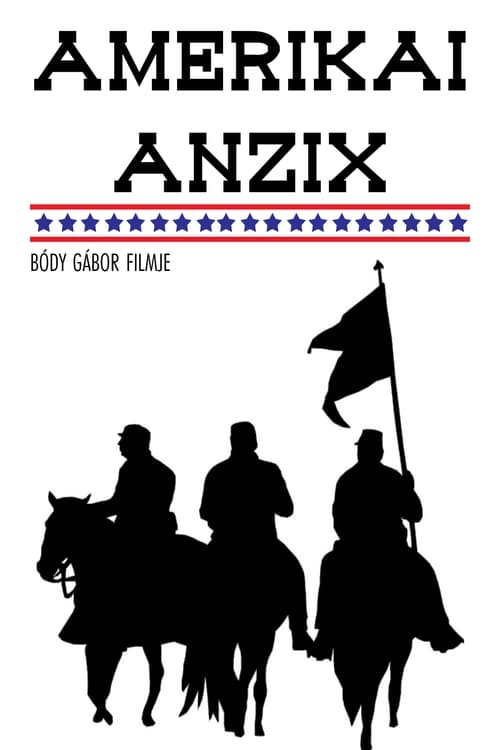
In the final days of the American Civil War, an emigre Hungarian military officer attempts to map the situation of the enemy. Many veterans of the 1848 War of Independence in Hungary fought on the northern side. Experienced Fiala, Boldogh who struggles with homesickness and the reckless Vereczky all experience their enforced emigration in different ways and news of impending peace elicits different reactions from them all.
This is the only feature directed by the famed French painter and sculptor Martial Raysse. In keeping with the revolutionary spirit of the time, the movie has no plot to speak of and appears to have been largely made up on the spot. We follow the cat man into a bizarre fantasy universe presented in negative exposure that reverses color values (black is white and vice versa) and written words. The cat man steals a car and then picks up a young girl he promises to take to “Heaven.” Heaven turns out to be a country chateau inhabited by several more animal mask wearing weirdoes...
Features four distinct, bizarre, existential tales about people whose lives are in transition, who are each asking questions about themselves, their environments, and about God(s).
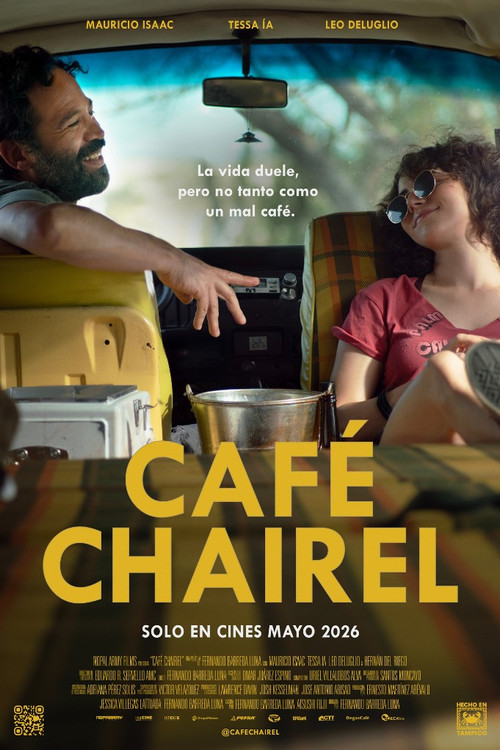
Two lonely people cross paths while working in a coffee shop. Even with opposite personalities, they both want to move forward with the business which they use as a conduit to heal their wounds, even though they know nothing about coffee.
In 1983, yacht sailor Will Parker leads an American crew financed by millionaire Morgan Weld to defeat during the America's Cup race against an Australian crew. Determined to get the prize back, Will convinces Morgan to finance an experimental boat designed by his ex-girlfriend Kate's new beau, Joe Heisler. When the boat is completed, the Americans head to Australia to reclaim the cup.
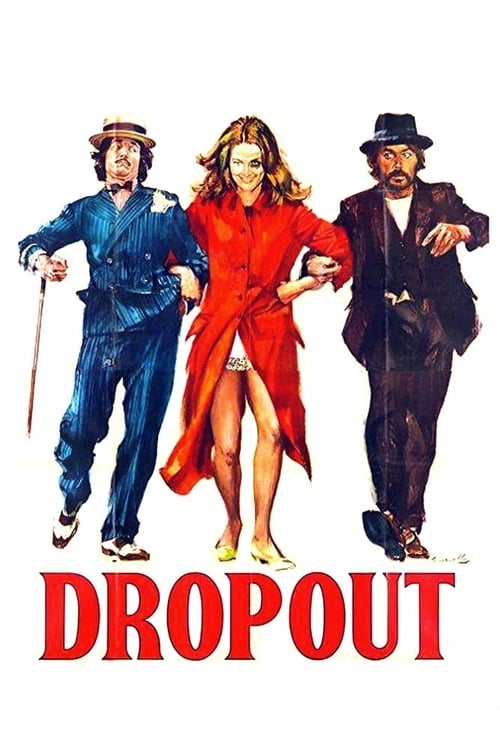
Disillusioned English banker's wife Mary meets troubled Italian immigrant Bruno, with whom she is captivated by and they set off on a voyage on which they meet a variety of society's dropouts.
Avant-garde homage to pre-revolution Russian silent movies, and to the poet Aleksandr Blok.
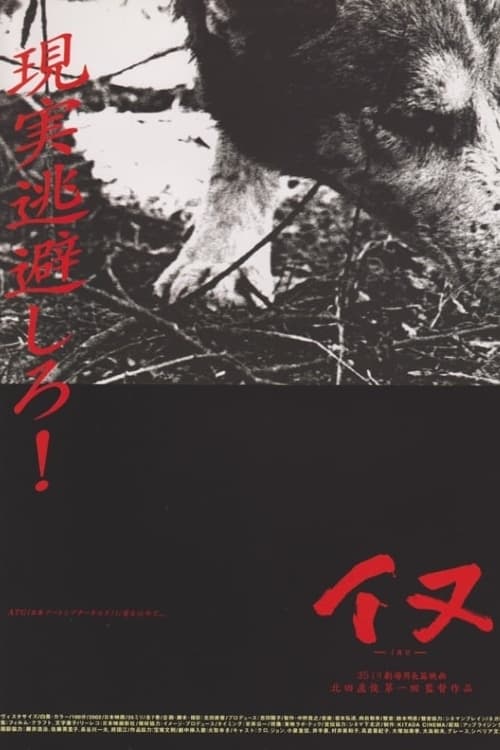
Mix of arthouse, comedy, horror. A man who has committed numerous crimes rescues a dog. An unique experimental movie in which a dog who died in a traffic accident after being tossed around by humans is reborn as a heretic and attempts revenge on humans. Under the guidance of the devil, he is reborn as a scarecrow to bring the Blood Festival. A 35mm independent film by the director who loves to make movies, but is not interested in professional film directors. The director who was shocked to see a picture of a dog abused and abandoned by humans, devoted his passion to this unique work that took seven years to complete.
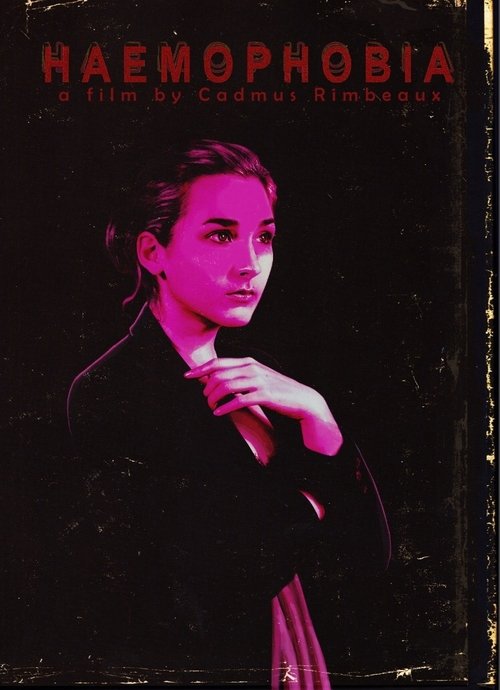
A young office worker is afflicted with a strange mutation that causes her blood to come to life when she bleeds.
Born in Los Angeles but a New Yorker by choice, Barbara Hammer is a whole genre unto herself. Her pioneering 1974 short film Dyketactics, a four-minute, hippie wonder consisting of frolicking naked women in the countryside, broke new ground for its exploration of lesbian identity, desire and aesthetic.
Between a man and his lover lies a wall, between the man and the country he loves lies another wall. Can a one-sided dialouge breaks the walls and expresses the man’s feelings and sentiments? Or does the lover or the country wants the wall to be broken in the first place? This short was inspired by Amy Len’s dance choreography “Wall” and colloborated with Loh Bok Lai. The dance was originally choreographed for a performance in Japan Dance Wave Fukuoka ‘06 - Asian Contemporary Dance Now and later made into an experimental video combining elements of an actor and monologue. The video footages were also used for the dance piece itself in KL.
The film contains the despair of an artist’s desire for creation on ruthless censorship, rebel, and anxiety in the mid-70s when it was politically and socially depressed.
An ahistorical re-enactment of the strange and curious events that led up to the untimely demise of our nation’s sixteenth president.
“A deadpan video art reworking of 1982's highest-grossing movie, EXTRA TERRESTRIAL peels away layers of sentimental narrative goo from its source, exposing a hard core of anxiety, loneliness and dread. Shifting the focus from character to interior, Ben Russell and Rhyne Piggott mine the landscape of a beige-carpeted ranch style house for new insights into the architecture of suburban alienation.” - Anne Reecer, Cinematexas
Shot in the abandoned buildings of Gary, Indiana and the cornfields of Western Illinois, The Twenty-One Lives of Billy the Kid presents a fractured historical narrative without any real protagonist, one in which the titular character goes mostly unseen - Billy the Kid as the always-off-screen assailant, as a ghost’s laugh, as a shadow on the road.
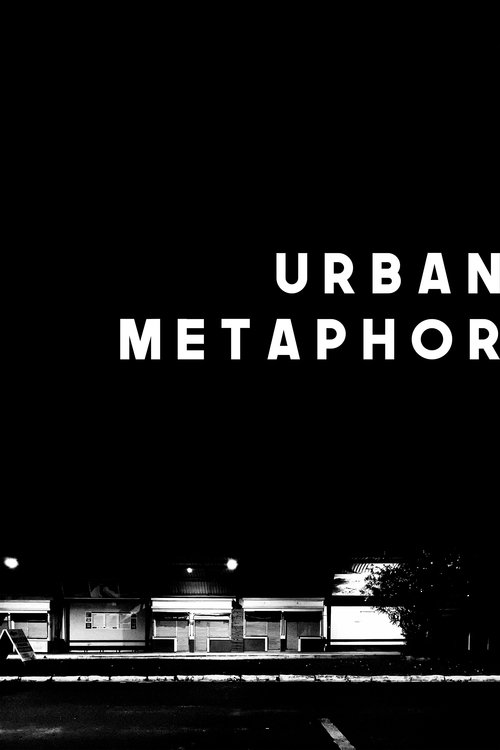
The camera gets lost in the deserted streets and lonely reflections of the city lights. Without words, it captures the loneliness of souls who, although surrounded by crowds and concrete, remain invisible and disconnected. Every corner, every abandoned detail, every step echoing along tells an untold story, where the silence of the night is the only interlocutor.
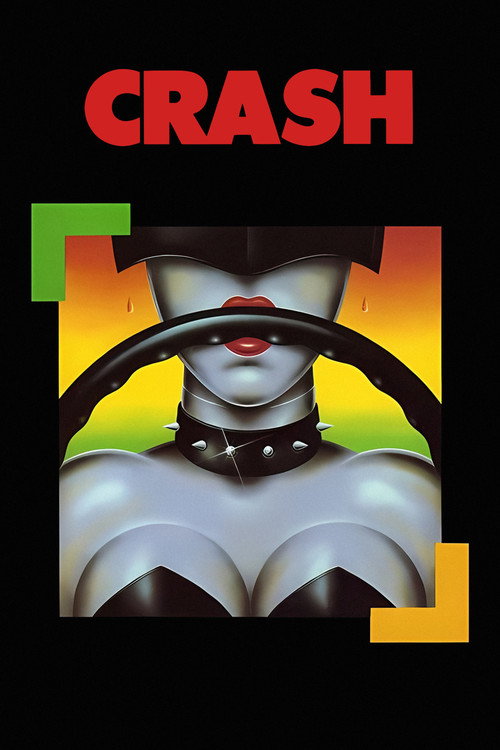
A surreal, moody short about the fetishisation of automobiles and auto accidents.
After a night of heavy drinking a young man has a dream where an angel tells him the world will end if he doesn't make a sacrifice.