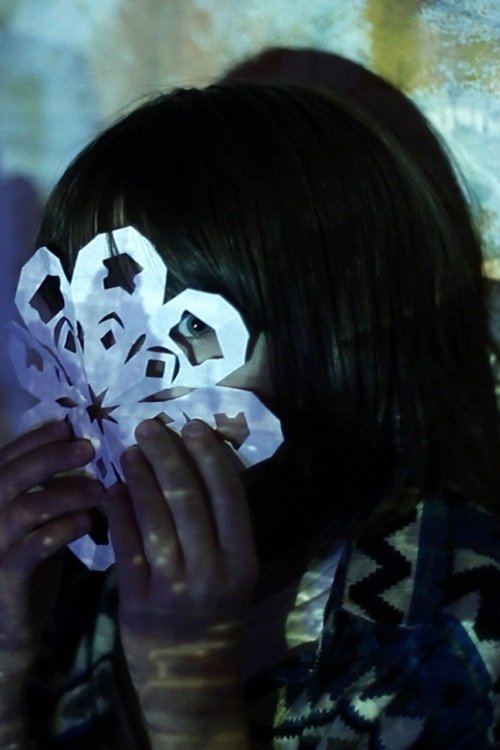
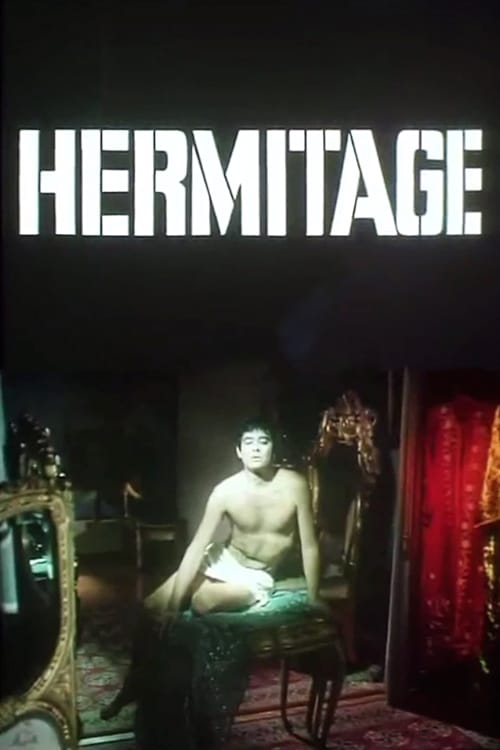
Here I am. A mind backed up by delusion of previous condition. Free or humiliated? Who is ashamed? Me or you? It is so hard to share one's secret.
No Trailers found.
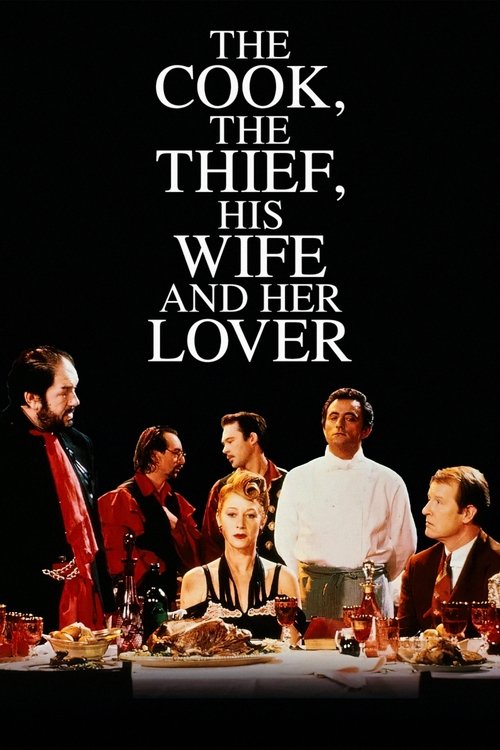
When churlish mobster Albert Spica acquires an upscale French restaurant in London, he dines there nightly, effectively scaring off the clientele with his bad manners. His wife, Georgina, is especially disgusted by him, and soon begins an affair with regular guest Michael. Despite their best efforts to keep it secret, Spica learns about their trysts, and he plots a terrible revenge.
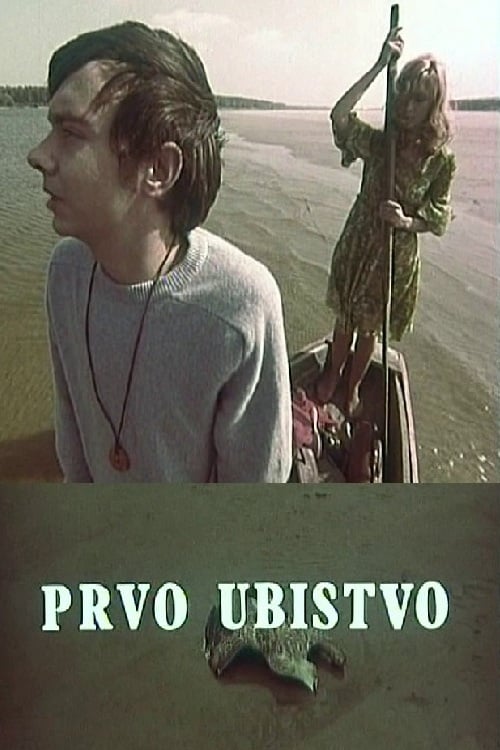
Based on the novel "Šta bi učinio Zobec?" (What Would Zobec Do?) by Svetozar Vlajković. It's a short movie about a young man who is afraid of being turned down by a girl.
An anthology of one-minute films created by 51 international filmmakers on the theme of the death of cinema. Intended as an ode to 35mm, the film was screened one time only on a purpose-built 20x12 meter public cinema screen in the Port of Tallinn, Estonia, on 22 December 2011. A special projector was constructed for the event which allowed the actual filmstrip to be burnt at the same time as the film was shown.
No overview available.
The Kuwaiti short film العاصفة (The Storm) explores Kuwait's social and economic shifts before and after the discovery of oil. Through the perspectives of an older father and his modernized son, it delves into the challenges of tradition versus rapid modernization.
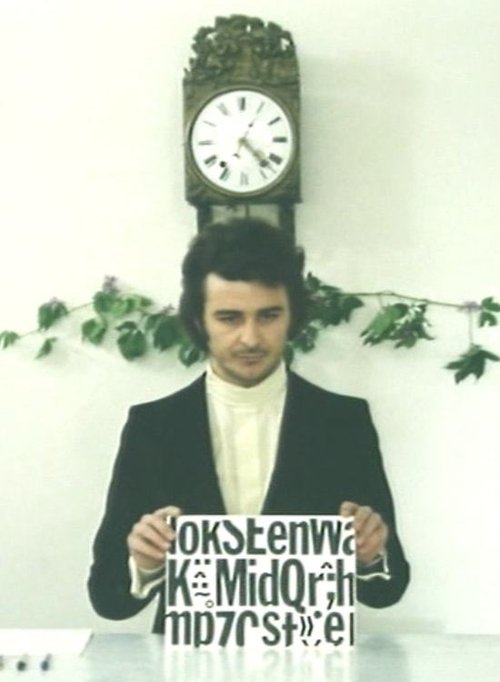
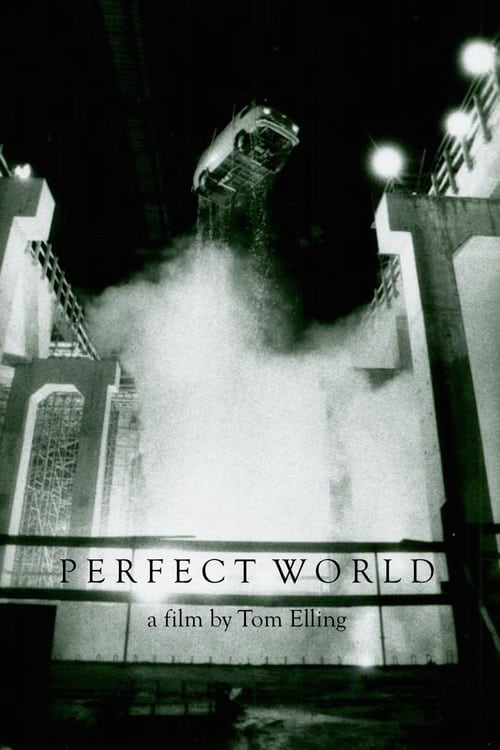
A take it or leave it auteur-experimental fiction exercise: two women are monitoring their dreams, dreams that may of course also be stark naked reality, at least to the dreamers, as they come and they go like bubbles, rising, floating, bursting. A man appears out of nowhere. Poet Peter Laugesen co-wrote the script with Tom Elling, who was Lars von Trier's director of photography on "The Element of Crime".
The Alchemist assembles together a group of people from all walks of life to represent the planets in the solar system. The occult adept's intention is to put his recruits through strange mystical rites and divest them of their worldly baggage before embarking on a trip to Lotus Island. There they ascend the Holy Mountain to displace the immortal gods who secretly rule the universe.
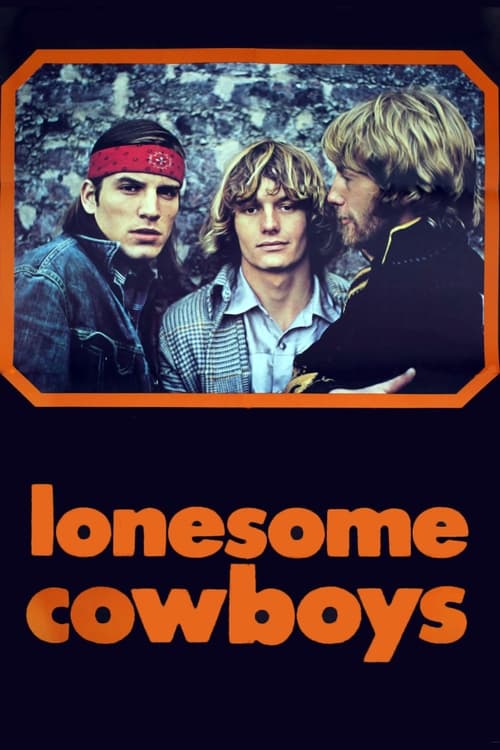
Five lonesome cowboys get all hot and bothered at home on the range after confronting Ramona Alvarez and her nurse.
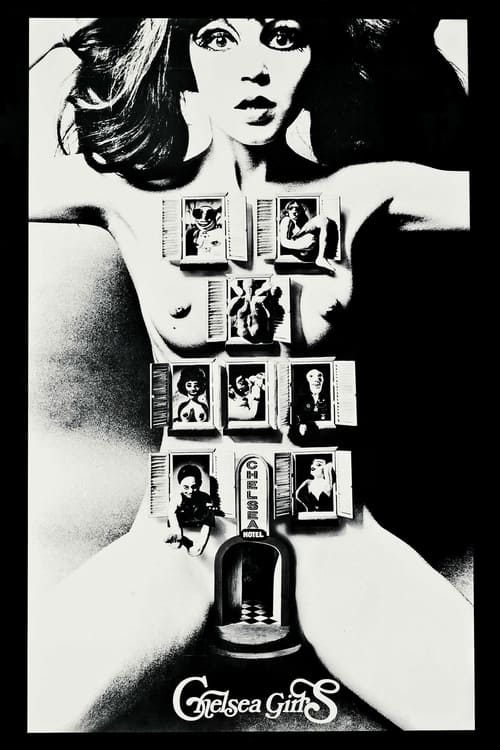
Lacking a formal narrative, Warhol's mammoth film follows various residents of the Chelsea Hotel in 1966 New York City. The film was intended to be screened via dual projector set-up.
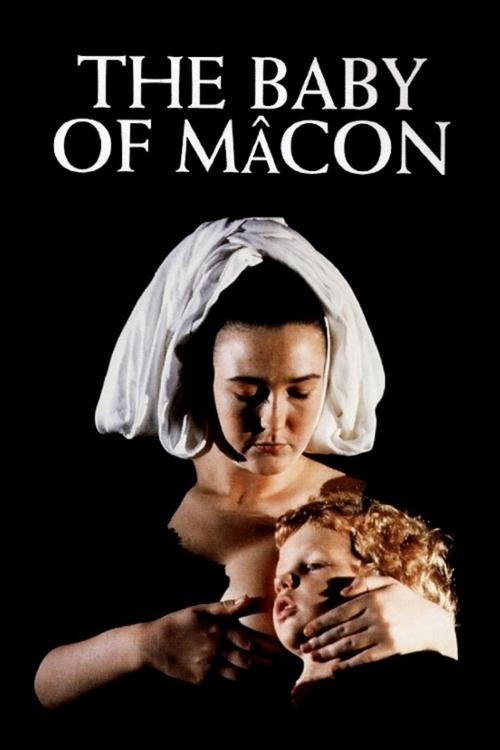
In 17th-century Tuscany, a church play is performed for the benefit of young aristocrat Cosimo. In the play, a grotesque old woman gives birth to a beautiful baby boy. The child's older sister is quick to exploit the situation, selling blessings from the baby, and even claiming she's the true mother by virgin birth. However, when she attempts to seduce the bishop's son, the Church exacts a terrible revenge.
The personification of Death's love for a lonely man is challenged when he falls for a lively woman.
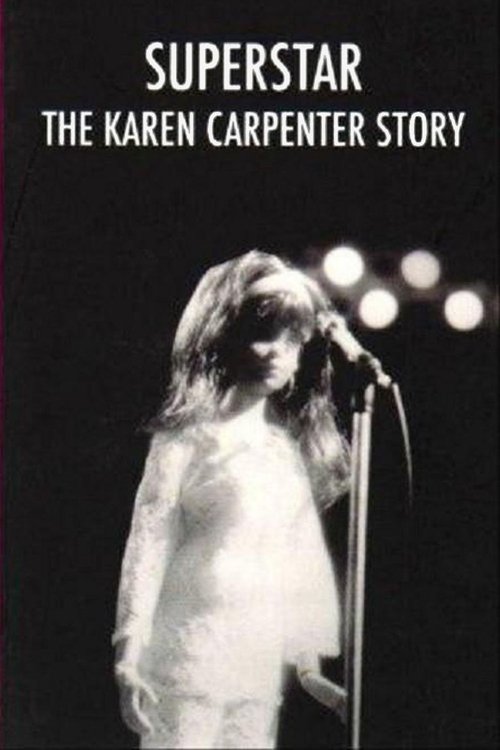
The final 17 years of American singer and musician Karen Carpenter, performed almost entirely by modified Barbie dolls.
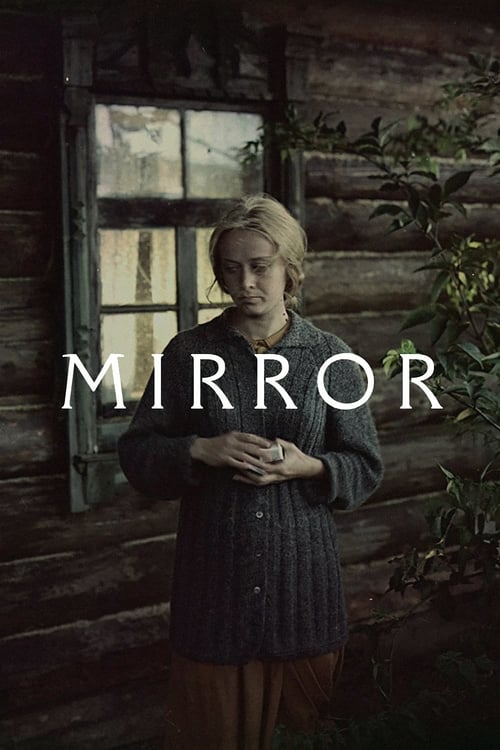
A dying man in his forties recalls his childhood, his mother, the war and personal moments that tell of and juxtapose pivotal moments in Soviet history with daily life.
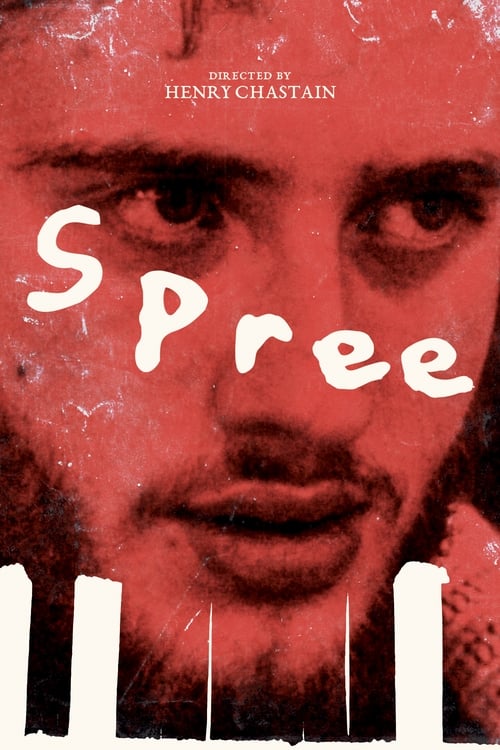
Seeking fulfillment, a young drifter forgoes isolation to embark on a year-long murder spree.
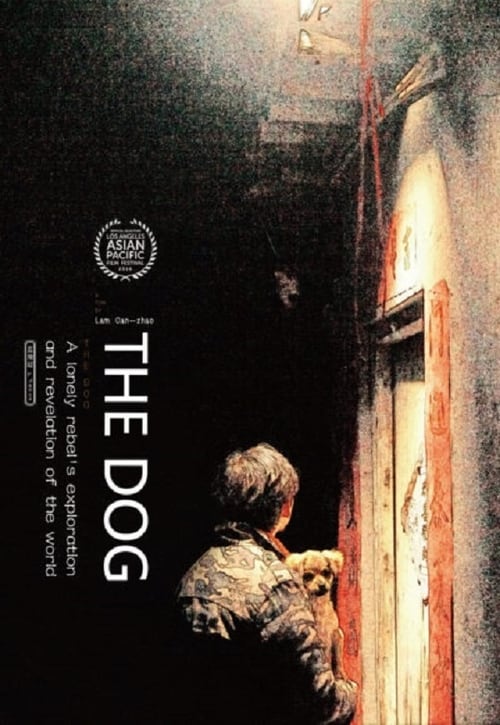
Director Lam Can-Zhao leads a small film crew as they shoot a film about a stray dog in the streets of Guangzhou, leading viewers into an unpredictable, peculiar and incredible journey.
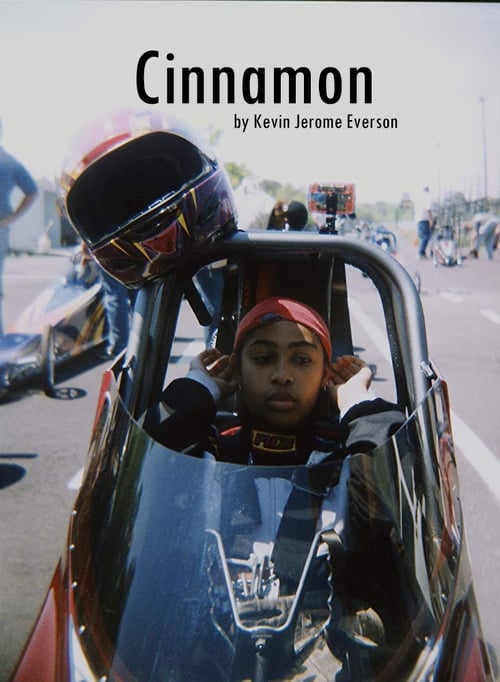
An experimental film that lifts the veil on the world of African American drag racing.
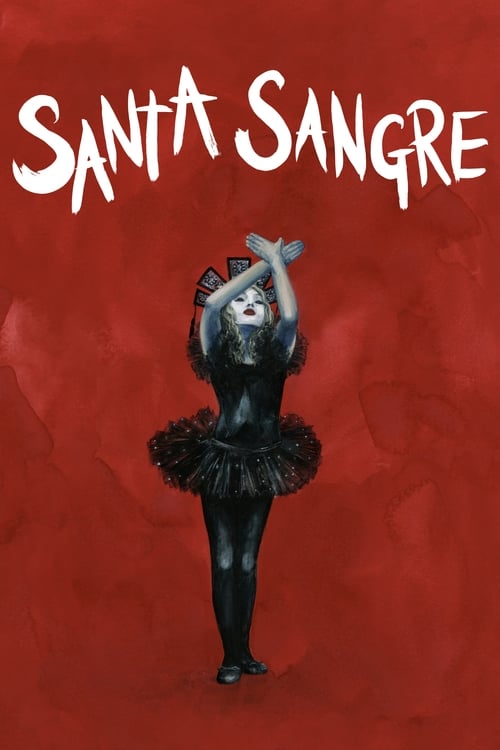
A former circus artist escapes from a mental hospital to rejoin his armless, cult leader mother, and is forced to enact brutal murders in her name.
A Hollywood actor grows tired of making the same corporate movies, so he moves to Argentina to find more experimental and meaningful work.
Hermitage, defined by Bene as "a rehearsal for lenses", beyond any literal rendition - its narrative trace comes from one of his anti-novels, Credito Italiano V.E.R.D.I - displays his immediate attitude to thinking a cinematic language completely based on actor's movements and actions, and more specifically, on his presence and his schemes. Camouflaged or naked, still or moving, his body seems to play and be played at the same time, shifted by objective and subjective tensions, both metaphorically and visually speaking.
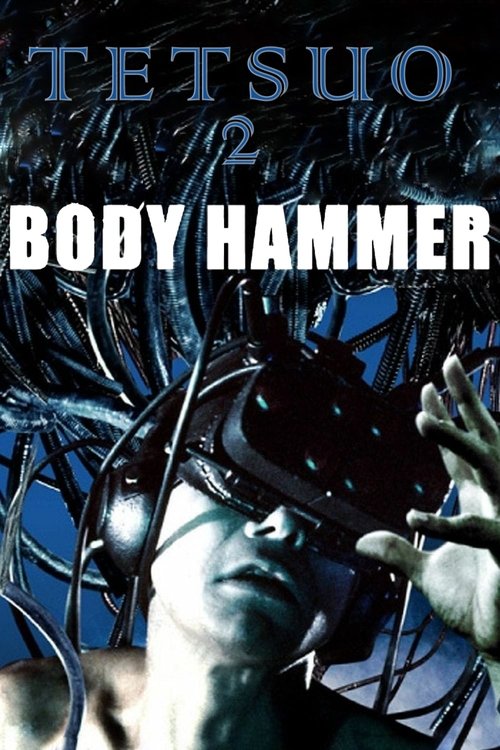
A Japanese salaryman finds his body transforming into a weapon through sheer rage after his son is kidnapped by a gang of violent thugs.