From Sierra de las Minas to Esquipulas, explore Guatemala's cultural and geological wealth, including ancient Mayan cities and other natural wonders.
No Trailers found.
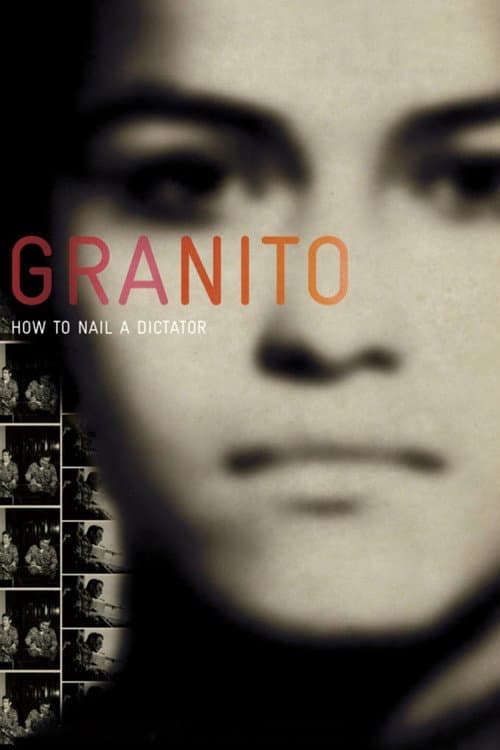
A documentary on the war between the Guatemalan military and the Mayan population, with first hand accounts by Nobel Peace Prize winner Rigoberta Menchú.
Denese Joy Becker, a manicurist living in Iowa, discovers she is indeed Dominga Sic Ruiz, a survivor from a 1982 Guatemalan massacre, when more than 200 people were killed in the small village of Rio Negro, after opposing the construction of a dam, sponsored by World Bank. She then tries to unveil the truth.
MAXIMÓN - Devil or Saint is a documentary about the controversial Maya deity, also known as San Simon or the drinking and smoking saint of Guatemala. He is a mixture of ancient Maya beliefs and Christianity. The movie concentrates on the people who surround Maximón with their strong personalities, opinions and faith. The documentary gives us a rare view into the rituals and fiestas honoring Maximón. The cult of Maximón is flourishing because he performs miracles. He is also feared and despised because he is used to cast curses that can result in death. Ultimately, Maximón transcends the duality of good and evil, reflecting the Maya cosmovision in which everything in the universe co-exists.
Documentary Eclectic Sounds of Guatemala, is a medium-length film about the electronic music scene in the Central American country, in which it emerged in the 1990s with the “Common Graves” parties. Later, over the years, record labels and groups of DJs emerged, such as: Cube Culture, Danzón Pérez, Intu Deep, Disco Rebels, among others. Participating in the documentary: Rod V, Carl nunes, Básico 3, Casta, Mickey Franco, Bruxxas, Mncve, Edu Pretz, Junior Rivera, Dubby Dub, Mario Palomo, Mariano Santolino, Gonzo.
The Tipo Tranquilo parties arose from the initiative of three friends (Gabriel, Erick and Alejandro), who were looking for something different in the Guatemalan electronic scene. He realized several factors that affected deejays and true music lovers, for that reason they started this movement of having various parties in different places. Inviting friends in a hidden way, without much publicity, they can only be reached through a map.
Widows is a documentary about the wives of pilots, who have been killed while working on the streets of Guatemala City. Being a van or taxi driver in the Central American country is considered one of the most dangerous jobs in the world.
Told almost entirely without spoken words, this film unfolds in the language of its subjects: Guatemalan Sign Language. In a country where more than 850,000 Deaf people receive little institutional support, silence becomes both a barrier and a form of connection. Through classrooms, homes, and everyday life, the film observes a community building its own means of understanding and belonging. Among those leading the way are Melkin, Dairy, and Jonathan, the teachers, students, and leaders within Guatemalan Deaf Ministries, where the language of hands has become the language of hope.
The Perechú family is afraid that the ancestral costume of their ancestors will disappear, but they see soccer as an opportunity to keep their culture and legacy alive.
A story of destinies joined by Guatemala's past, and how a documentary film intertwined with a nation's turbulent history emerges as an active player in the present.
"Mother Tongue" chronicles the first time a documentary film about Guatemalan genocide in Guatemala was translated and dubbed into Maya-Ixil—5.5% of whom were killed during the armed conflict in the 1980s. Told from the perspective of Matilde Terraza, an emerging Ixil leader and the translation project’s coordinator, "Mother Tongue" illuminates the Ixil community’s ongoing work to preserve collective memory.
The ancient ancestors of today’s Maya people thrived in large sophisticated cities across Central America for centuries. Why, around 750 CE, did they begin to abandon many of their major cities? Archaeologists investigate dramatic new evidence of the catastrophic droughts and instability that pushed cities beyond their limits.
Every day dozens of decommissioned school buses leave the United States on a southward migration that carries them to Guatemala, where they are repaired, repainted, and resurrected as the brightly-colored camionetas that bring the vast majority of Guatemalans to work each day. Since 2006, nearly 1,000 camioneta drivers and fare-collectors have been murdered for either refusing or being unable to pay the extortion money demanded by local Guatemalan gangs. LA CAMIONETA follows one such bus on its transformative journey: a journey between North and South, between life and death, and through an unfolding collection of moments, people, and places that serve to quietly remind us of the interconnected worlds in which we live.
In this Traveltalk series short, we visit a region in Guatemala where the native Indian tribes live like their ancestors, without using most of the benefits of modern man. They not only grow their own vegetables and catch animals to eat, they also cultivate the plants they need to weave fabrics and make natural dyes from various berries and seeds.
From the shadows of a Guatemalan neighbourhood scared into silence, two sisters lead a luminous rebellion—unleashing joy, art, and radical truth in a fight for survival.
Through dances and games, migrant boys and girls who live in a shelter in Reynosa, on the US-Mexico border, shared their dreams and stories of hope with us.
Since 1999, more than 2,000 women have been murdered in Guatemala, with numbers escalating every year, yet lawmakers and government officials turn a blind eye. Powerful and uncompromising, Killer's Paradise uncovers an emotionally wrenching human rights tragedy, while exposing an inept judicial system that allows it to happen. After almost four decades of civil war, Guatemala is a troubled society, but it can also be seen as a microcosm of the pervasive violence and injustice against women worldwide.
In a feast of colours and sounds, Mayan Archaeoastronomy: Observers of the Universe makes a tour of 6 Mayan temples: San Gervasio, Chichen Itzá, Uxmal, Edzná, Palenque and Bonampak where the spectator dives into a Mayan world of knowledge about the importance of the orientations of its temples in relation to the movement of some stars like the Sun, the Moon and Venus.
Throughout the centuries the quetzal has survived from its mythological symbolism in the Mexica and Maya pantheons to the fragile species that inhabit the cloud forests of Mesoamerica and Central America. Guatemalan photographer Ricky López studies the most important and mythological bird.
This FitzPatrick Traveltalk short visits Guatemala City, touching upon its sights, customs, and history.
From a historic genocide trial to the overthrow of a president, the sweeping story of mounting resistance played out in Guatemala’s recent history is told through the actions and perspectives of the majority indigenous Mayan population, who now stand poised to reimagine their society.