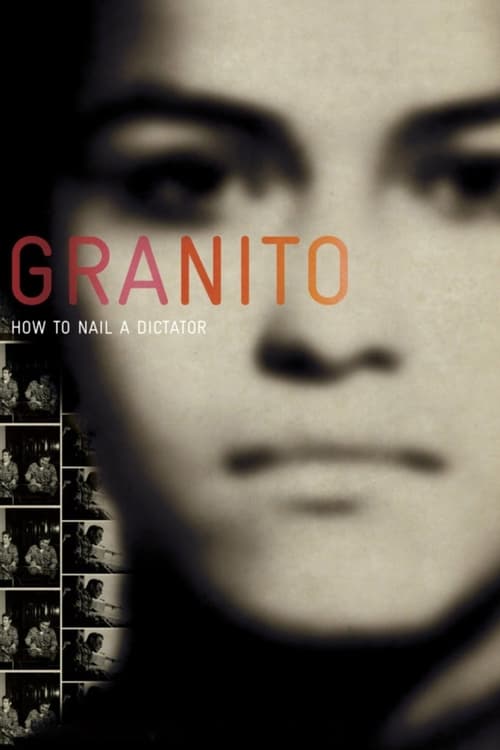
A story of destinies joined by Guatemala's past, and how a documentary film intertwined with a nation's turbulent history emerges as an active player in the present.
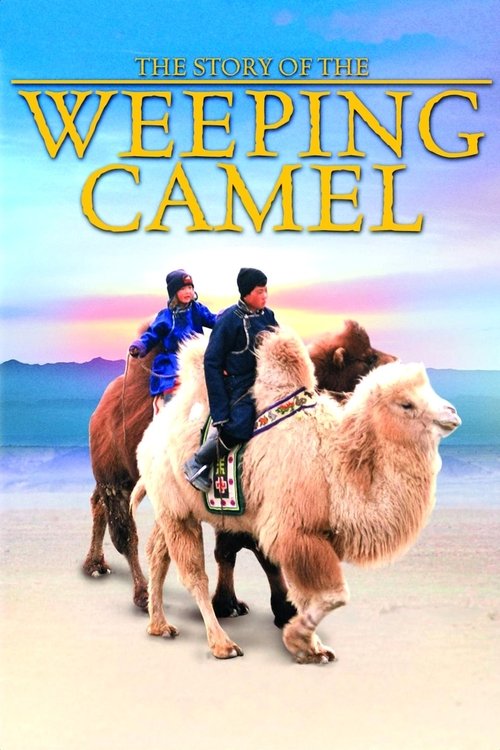
When a Mongolian nomadic family's newest camel colt is rejected by its mother, a musician is needed for a ritual to change her mind.
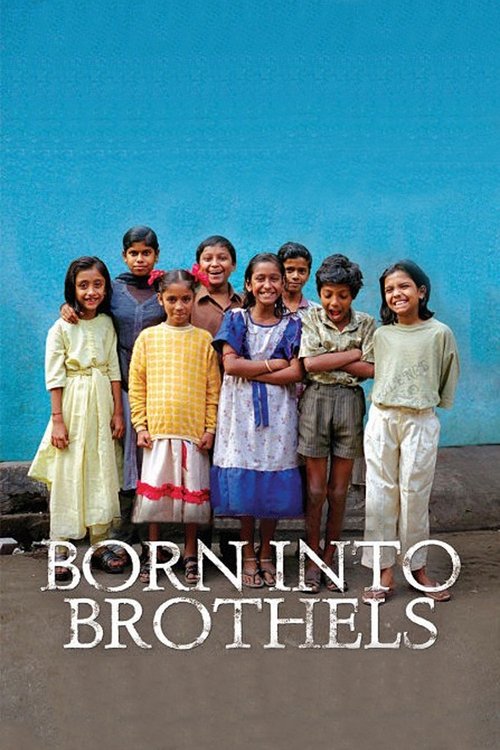
Documentary depicting the lives of child prostitutes in the red light district of Songachi, Calcutta. Director Zana Briski went to photograph the prostitutes when she met and became friends with their children. Briski began giving photography lessons to the children and became aware that their photography might be a way for them to lead better lives.
The film describes the microcosmos of the small village Wacken and shows the clash of the cultures, before and during the biggest heavy metal festival in Europe.
A dual portrait of young drifters on the streets of Odessa, where every day seems the same and the future keeps getting further away.
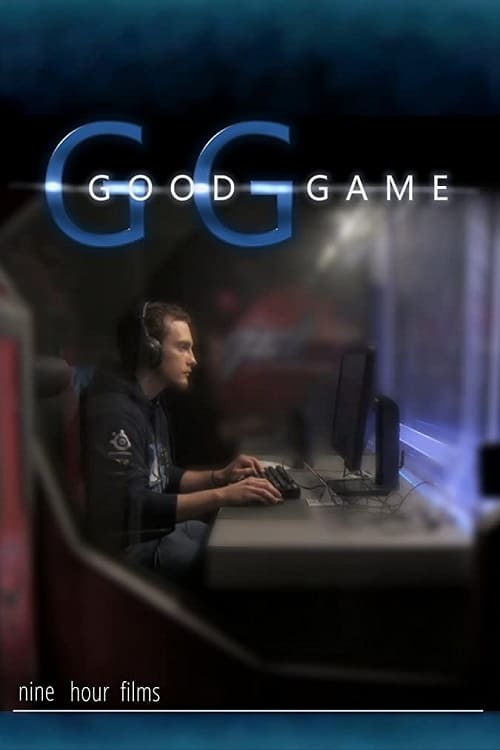
Creative and competitive, members of the Evil Geniuses Starcraft 2 team must prove themselves to make the cut in professional video gaming. Good Game follows the team as they discover that one wrong move could end their dreams.
A Penobscot Nation author grew up in a haunted house. After his mother's death, he returns home to confront the odd occurrences that took place there—from ghost stench and spirit turds to knocking inside walls and a botched exorcism—and wonders why we fear spirits and the afterlife, especially once a loved one passes and all we want is to hear from them again, no matter the form.
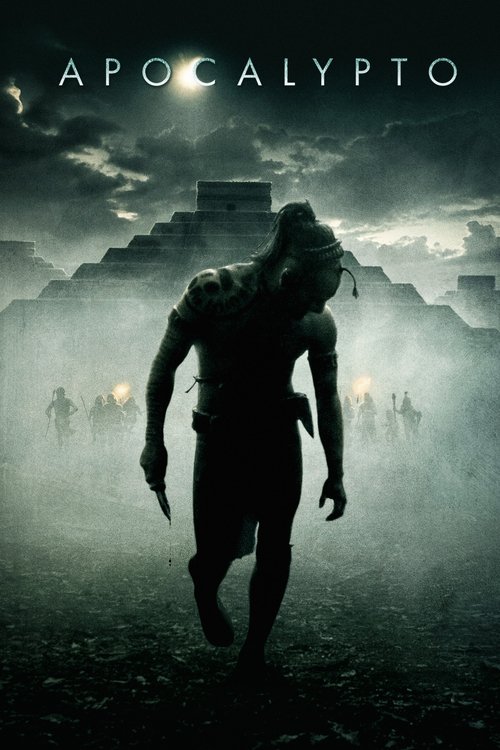
Set in the Mayan civilization, when a man's idyllic presence is brutally disrupted by a violent invading force, he is taken on a perilous journey to a world ruled by fear and oppression where a harrowing end awaits him. Through a twist of fate and spurred by the power of his love for his woman and his family he will make a desperate break to return home and to ultimately save his way of life.
Naomi Kawase's documentary about Nishii Kazuo, a photo critic. He is the last chief editor for the Camera Mainichi magazine, rushing through his time with Araki Nobuyoshi and Moriyama Daido as provocative artists in the photograph world.
Over the past few years, Israel's ongoing military occupation of Palestinian territory and repeated invasions of the Gaza strip have triggered a fierce backlash against Israeli policies virtually everywhere in the world—except the United States. This documentary takes an eye-opening look at this critical exception, zeroing in on pro-Israel public relations efforts within the U.S.
It all began on a couch. He watched her undress and they made love for the first time.
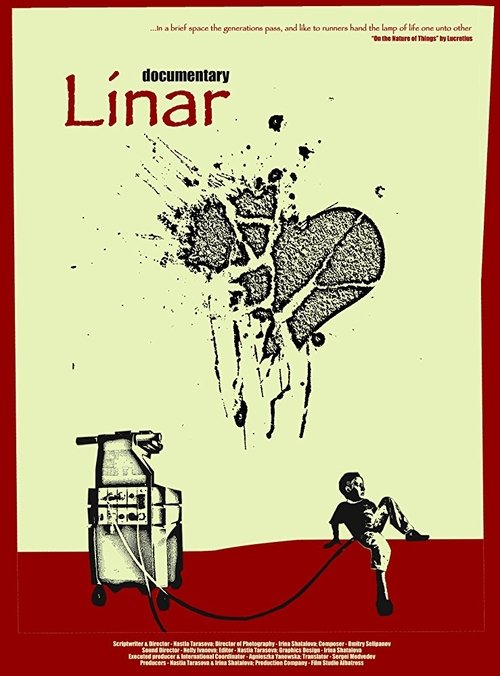
A Russian boy gets a heart transplant in Italy. A lot of people were by his side on his long journey full of hardships, except for his mother.
Orphans is the true story of a forbidden love affair set in the oppressive and violent atmosphere of nineteenth century Mexico. One man, Melchor Ocampo, driven by the twin passions of love and idealism, defies the stain of illegitimacy to shake off the crippling yoke of Spain and the Catholic Church. In so doing he becomes a founding figure of modern day Mexico.
Self-portrait. In 1998 our family came under armed attack. We were able to escape and we fled Grozny. We have been silent about it since.
Documentary about the work of 6 criminal profilers around the world.
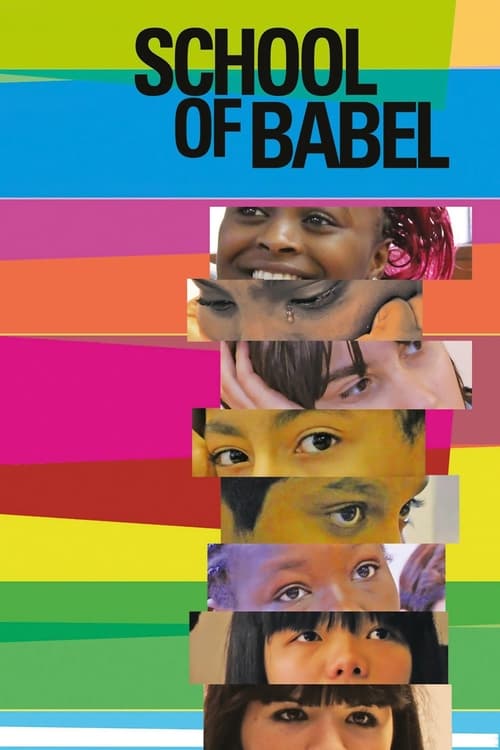
They just arrived in France. They are Irish, Serbs, Brazilians Tunisians, Chinese and Senegalese ... For a year, Julie Bertuccelli filmed talks, conflicts and joys of this group of students aged 11 to 15 years, together in the same class to learn French.
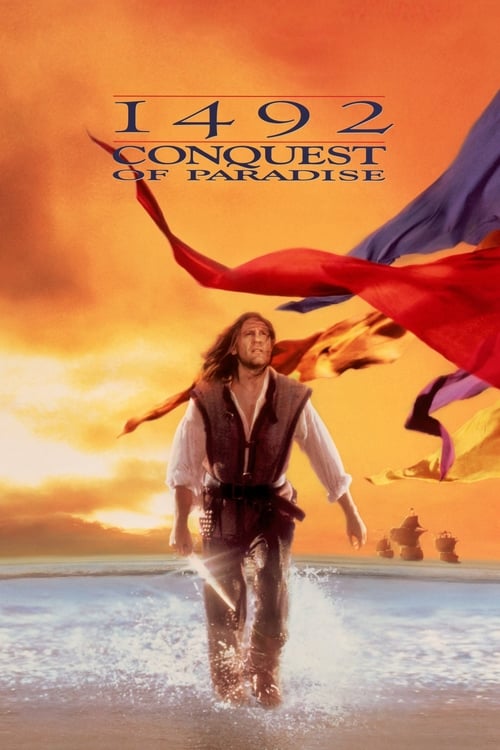
1492: Conquest of Paradise depicts Christopher Columbus’ discovery of The New World and his effect on the indigenous people.
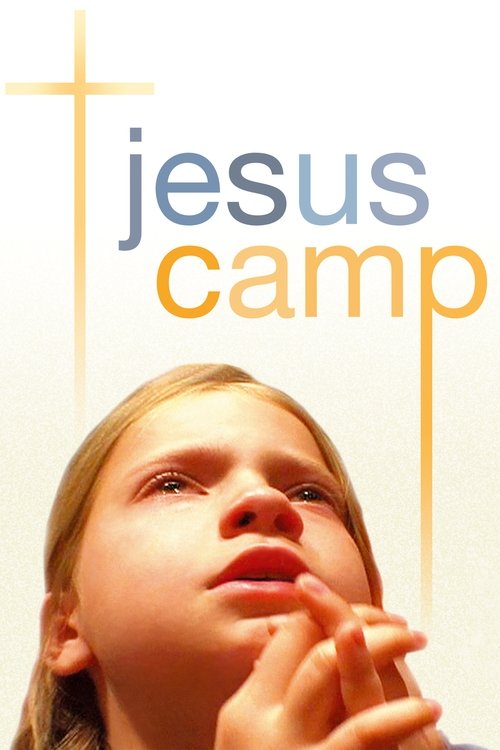
A documentary on kids who attend a summer camp hoping to become the next Billy Graham.
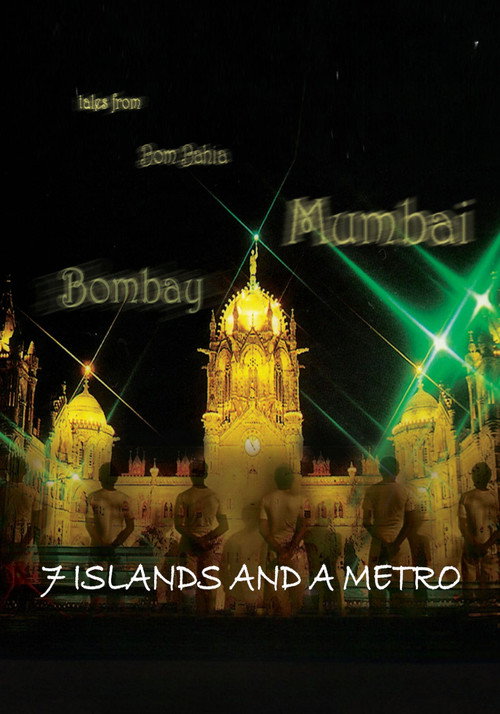
The multilingual Bombay, the Bombay of intolerance, the Bombay of closed textile mills, of popular culture, sprawling slums and real estate onslaughts, the metropolis of numerous ghettos, the El Dorado. This film is a tale of the cities of Bom Bahia / Bombay / Mumbai, through a tapestry of fiction, cinema vérité, art objects, found footage, sound installation and literary texts. It is a chronicle of the journey of a scattered bunch of insignificant fishing hamlets to the coveted stature of a prime metropolis. The narrative is structured around fictional exchanges between Ismat Chugtai and Sadat Hasan Manto, the two legendary writers who lived in this metropolis, over the art of chronicling these multi-layered overlapping cities.
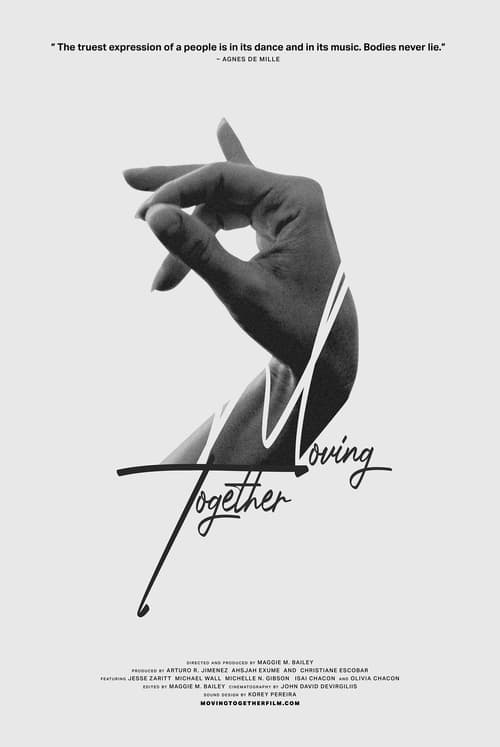
Moving Together is a celebratory love letter to music and dance that brims with kinetic life and energy. This documentary explores the intricate collaboration between dancers and musicians, moving seamlessly between Flamenco, Modern, and New Orleans Second Line.
Five women veterans who have endured unimaginable trauma in service create a shared sisterhood to help the rising number of stranded homeless women veterans by entering a competition that unexpectedly catalyzes moving events in their own lives.
Trailer