LOVE YOURSELF.
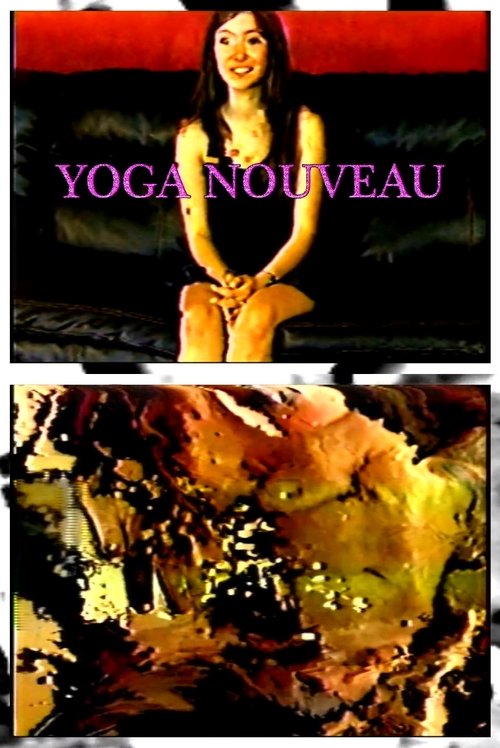
The evolution of mainstream pornography’s extremities and the early days of pay-per-view channels' noise.
No Cast found.
No Trailers found.
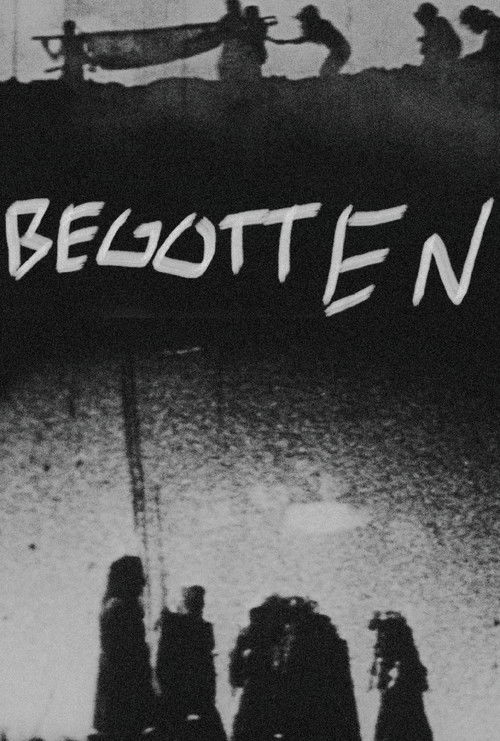
Begotten is the creation myth brought to life, the story of no less than the violent death of God and the (re)birth of nature on a barren earth.
Time-Consciousness offers four mutually contradictory versions of a series of events. The constant factors are a middle-aged poet with a gammy leg, a prostitute who may or may not be dead, and the woman’s humble room (which may or may not be tidy), where the poet does his writing. Asking "What did happen at 9:20 that evening?," the film underlines the unreliability of memory and the impossibility of objectivity.
Ulterran is a short visual experimentation that follows two women through a pagan ritual to connect to the versions of themselves that exist in another spiritual dimension.
Set in the French President’s office, Élysée embarks on a personal reflection on the aesthetics and representation of power. The film reactivates the concept of the King’s Two Bodies, first theorised by historian Ernst Kantorowicz, positing the idea of a power continuum going well beyond its physical incarnation in a single person.
"a feeling of listlessness and dissatisfaction arising from a lack of occupation or excitement."
The shadows of screams climb beyond the hills. It has happened before. But this will be the last time. The last few sense it, withdrawing deep into the forest. They cry out into the black, as the shadows pass away, into the ground.
"...flattened images are dictated by actions happening outside of the frame. Choreography of bouncy balls and water fountains are involved." (Rick Bahto)
A collectively made filmic opera in 35 parts. The Black and predominantly queer art collective, an evolving line up of poets and artists from across the world, abstracts and reimagines opera in any traditional conception. Set to hip-hop, blues, noise, R&B and electronica, the piece uses the voice (chanting, singing, screaming; written by poet and activist Dawn Lundy Martin) as its primary tool, verbalising centuries of alienation, vulnerability and protest in the global African diaspora through its disruptive libretto.
In the future, a second great flood covers most of the known world. Country borders collapse and language barrier disappear. All salvageable books are taken to a deep underground vault facility for protection. Run by priests, the facility is called The Stacks. As Olivia wanders the facility she discovers that she may not be alone and that a dark part of her past may have followed her into the narrow corridors of this inescapable purgatory.
An experimental sports film made partly during the Scandinavian Open Championships in Halmstad in 1970, partly during the Chinese players' exhibition tour in Denmark immediately after the SOC. First of all, it is a film about their style, about the artistic culmination that is ping-pong at its best, it records China's comeback into the international sports world.
Sourced entirely from YouTube, converted and edited using Windows Media Maker. A comprehensive list of video credits is available at pointnever.com Root Strata, 2009 Pro-duplicated DVD-R in a slimline DVD case with translucent colour cover and transparent insert. Limited to 250 copies.
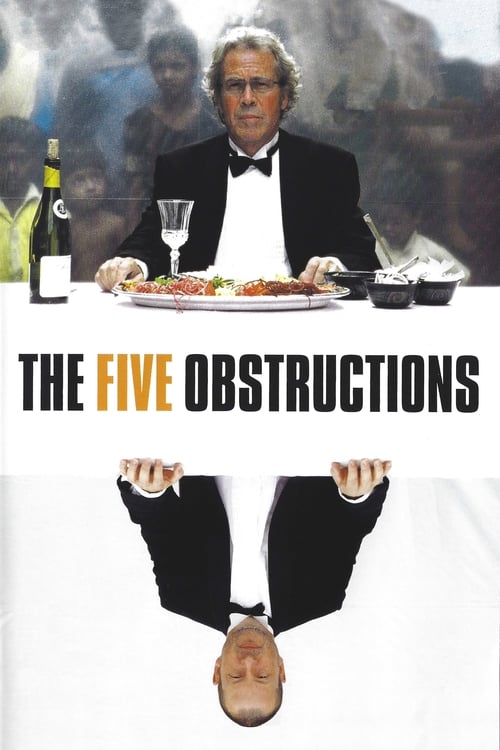
In 1967, experimental filmmaker Jorgen Leth created a striking short film, The Perfect Human, starring a man and women sitting in a box while a narrator poses questions about their relationship and humanity. Years later, Danish director Lars von Trier made a deal with Leth to remake his film five times, each under a different set of circumstances and with von Trier's strictly prescribed rules. As Leth completes each challenge, von Trier creates increasingly further elaborate stipulations.
This is the only feature directed by the famed French painter and sculptor Martial Raysse. In keeping with the revolutionary spirit of the time, the movie has no plot to speak of and appears to have been largely made up on the spot. We follow the cat man into a bizarre fantasy universe presented in negative exposure that reverses color values (black is white and vice versa) and written words. The cat man steals a car and then picks up a young girl he promises to take to “Heaven.” Heaven turns out to be a country chateau inhabited by several more animal mask wearing weirdoes...
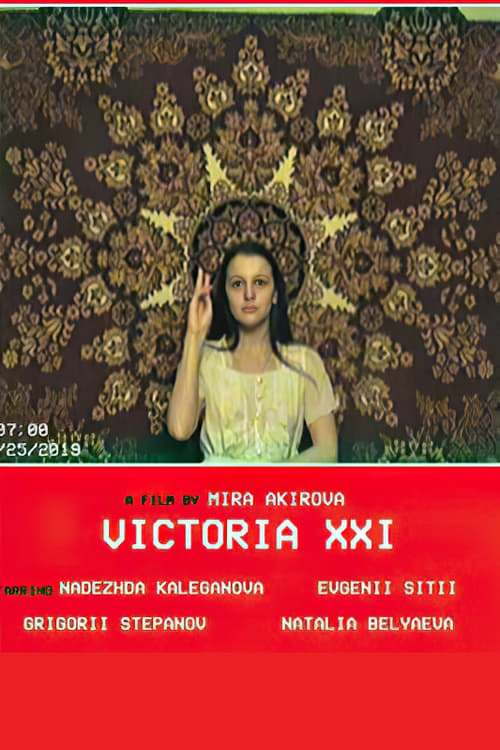
"This is a video for my generation. I'm Lucia Izmailova. And I can control time. See the future. I was eight years old when I dreamt of World War III. Even though my parents didn't believe me, I still love them very much. Their wedding anniversary is soon. And I'm preparing a surprise for them. Mom will cook a lot of tasty food. Dad, like always, will sing... And I will dance. They will see that I can..."
An actress finds herself trapped by an algorithm that hijacks extracts from her films for distribution on porn sites. After months with no help from anyone, she decides to regain control of her own story, using her imagination to heal and reclaim her identity.
First part of the collaborative project "Brise-Glace" showing the diverse travels on the icebreaker "Frej". Directed by Jean Rouch.
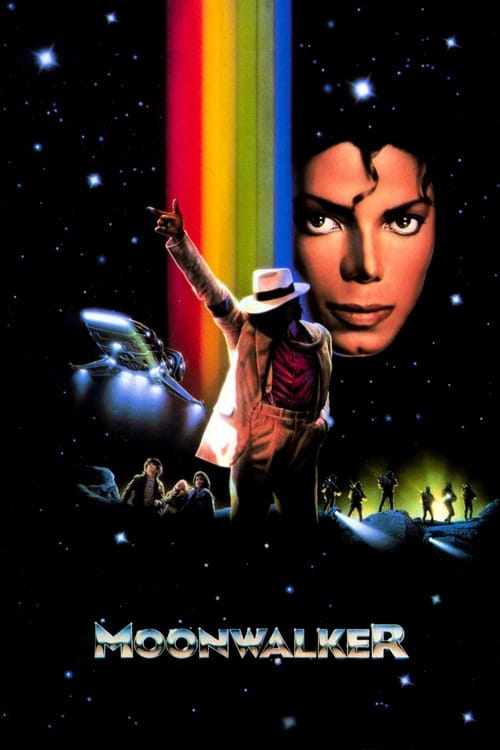
This fantastical movie inspired by the music of Michael Jackson features imaginative interpretations of hit tracks from the iconic 1987 album “Bad”.
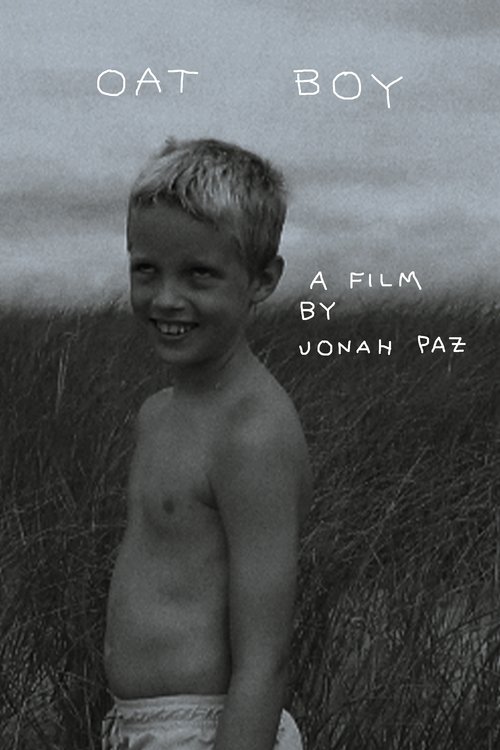
Folk portraiture, images of children in suburbia.
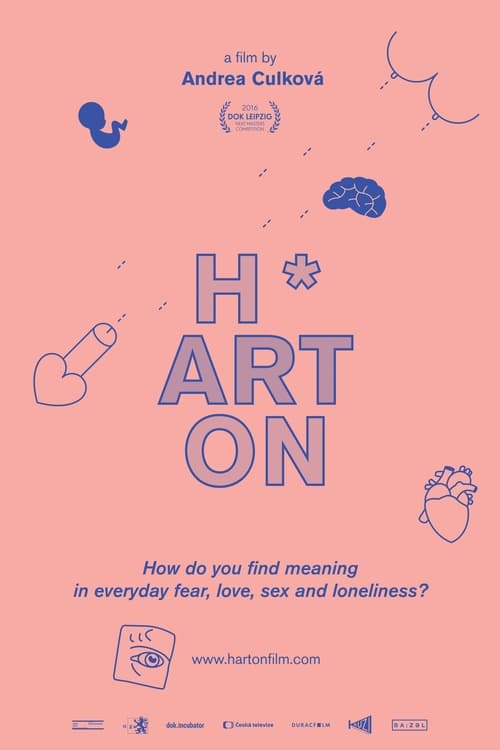
H*ART ON dives off the deep end of modern art. A film about the yearning to create, to mould everyday emotions into a meaningful life and, most of all, to live beyond one's death. A struggle that gets to the existential core of each of us. How do you find meaning in everyday fear, love, sex and loneliness?
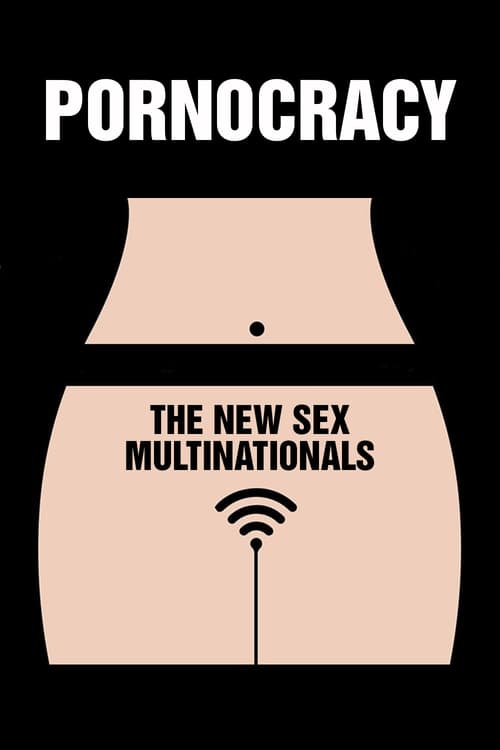
Never before have we watched as much porn as today yet the traditional porn industry is dying. The arrival of web sites showing amateur clips has transformed the way porn is made and consumed. Behind this transformation lies one opaque multinational.