logologo
MovieVerse© 2024
Privacy PolicyTerms of ServiceContact Us
Made with ❤️ by Thathsara
movie poster
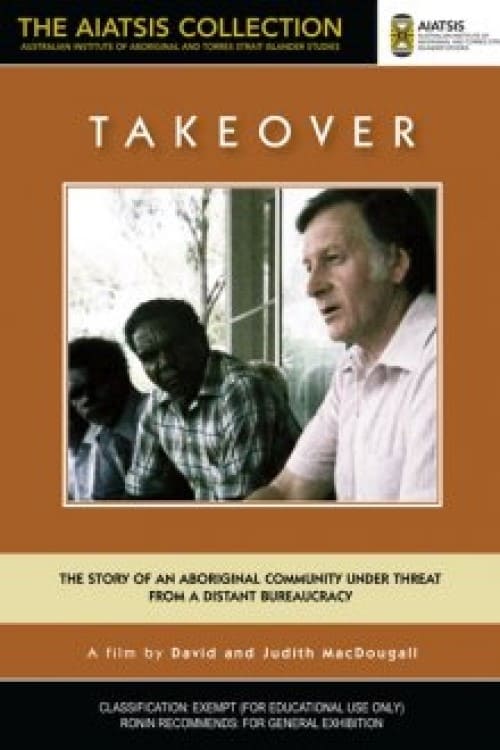
Takeover
Sign in to create your own watchlist

Takeover

Jan 1, 1980
1h 31m
★ 0.0

Overview

About Aborigines and Australian politics. On 13 March 1978 the Queensland Government announced its intention to take over management of the Aurukun Aboriginal Reserve from the Uniting Church. The people of Aurukun complained bitterly, believing that the Church was more sympathetic to their aims and fearing that the State was merely seeking easier access to the rich bauxite deposits on their Reserve. When the Federal Government took the side of the Aborigines the stage was set for national confrontation. Shows the situation at Aurukun during those crucial three weeks.

Genres

Documentary

Production Companies

Australian Institute of Aboriginal Studies

Takeover Trailers

No Trailers found.

Cast

Francis Yunkaporta

Narrator

Francis Yunkaporta

Ian Viner

Self

Ian Viner

Neville Bonner

Self

Neville Bonner

You may also like

Is the Crown at war with us?
6.5

Is the Crown at war with us?

Sep 13, 2003

In the summer of 2000, federal fishery officers appeared to wage war on the Mi'gmaq fishermen of Burnt Church, New Brunswick. Why would officials of the Canadian government attack citizens for exercising rights that had been affirmed by the highest court in the land? Alanis Obomsawin casts her nets into history to provide a context for the events on Miramichi Bay.

Bill Reid Remembers
0.0

Bill Reid Remembers

Apr 30, 2022

Renowned Haida artist Bill Reid shares his thoughts on artistry, activism and his deep affection for his homeland in this heartwarming tribute from Alanis Obomsawin to her friend's life, legacy and roots.

No Image Available
0.0

The Commons

Apr 5, 2022

A group of teenagers go out to a den in the woods for a night of drinking, unaware that their behaviour touches on issues of ritual, folklore, mysticism and UFOs.

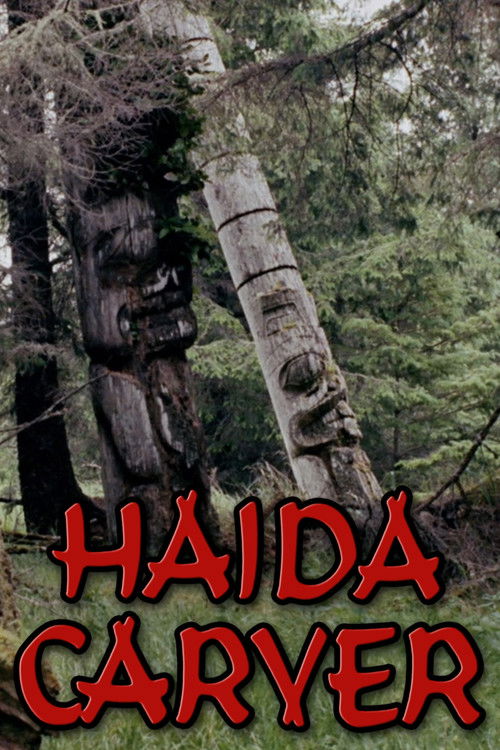
Haida Carver
0.0

Haida Carver

Jan 1, 1964

On Canada's Pacific coast this film finds a young Haida artist, Robert Davidson, shaping miniature totems from argillite, a jet-like stone. The film follows the artist to the island where he finds the stone, and then shows how he carves it in the manner of his grandfather, who taught him the craft.

The Hole’s Journey
0.0

The Hole’s Journey

Feb 3, 2021

A worn-out floor, the hole underneath, a political activist, and the Ouled Sbita tribe are the protagonists in this political satire. For 23 years, the director’s chair at an international art institute scratched the wooden floor. This 102cm x 120cm floor section is cut out and sent to an expropriated piece of land in Morocco. In The Hole’s Journey, Ghita Skali uses sharp wit, personal stories and playful editing to touch on specific power dynamics and freedom of choice.

Okimah
0.0

Okimah

Sep 25, 1998

This documentary focuses on the goose hunt, a ritual of central importance to the Cree people of the James Bay coastal areas. Not only a source of food, the hunt is also used to transfer Cree culture, skills, and ethics to future generations. Filmmaker Paul M. Rickard invites us along with his own family on a fall goose hunt, so that we can share in the experience.

Tantoo Cardinal
0.0

Tantoo Cardinal

Jun 5, 2021

A moving portrait of actress Tantoo Cardinal, travelling through time and across the many roles she’s played, capturing her strength and her impact—and how she shattered the glass ceiling and survived.

Two Laws
0.0

Two Laws

Feb 27, 1982

White people don't understand that there are two laws - white people have different laws from Aboriginal people. TWO LAWS is a film about history, law and life in the community of Borroloola in far North Queensland. The films offers viewers a remarkable and different way of seeing and hearing. Like the film, BACKROADS, it is one of the few productions at that time in which Aboriginal people had creative input. The impetus for TWO LAWS came from the community themselves. There was substantial collaboration with the film makers before and during the shooting period. It is one of the most outstanding films to be made during the 1980s. It is an historical analysis of what, nearly forty years later, is an increasingly contemporary question. Two Laws.

De Charles de Gaulle à Emmanuel Macron, les gardiens de l'empire
7.0

De Charles de Gaulle à Emmanuel Macron, les gardiens de l'empire

Mar 9, 2022

No overview available.

Foster Child
3.0

Foster Child

Mar 8, 1987

Gil Cardinal searches for his natural family and an understanding of the circumstances that led to his becoming a foster child. An important figure in the history of Canadian Indigenous filmmaking, Gil Cardinal was born to a Métis mother but raised by a non-Indigenous foster family, and with this auto-biographical documentary he charts his efforts to find his biological mother and to understand why he was removed from her. Considered a milestone in documentary cinema, it addressed the country’s internal colonialism in a profoundly personal manner, winning a Special Jury Prize at Banff and multiple international awards.

Boisbouscache
5.0

Boisbouscache

Jun 17, 2022

The TNO (Unorganized Territory) Lac-Boisbouscache is a 150 square kilometer public forest located in the Lower St. Lawrence region of Quebec, Canada. Through the eyes of the forest's residents and users, the film paints a portrait of a territory that has long been coveted by private groups with diverse interests. Boisbouscache is a story of dispossession based on current commercial uses combined with the absence of any political will.

Lakota Nation vs. United States
6.2

Lakota Nation vs. United States

Jun 11, 2022

Poet Layli Long Soldier crafts a searing portrait of her Oyate’s connection to the Black Hills, through first contact and broken treaties to the promise of the Land Back movement, in this lyrical testament to resilience of a nation.

No Image Available
0.0

Māori

Jul 25, 1981

This 1981 NFU film is a tour of the contemporary world of Aotearoa’s tangata whenua. It won headlines over claims that its portrayal of Māori had been sanitised for overseas viewers. Debate and a recut ensued. Writer Witi Ihimaera felt that mentions of contentious issues (Bastion Point, the land march) in his original script were ignored or elided in the final film, and withdrew from the project. He later told journalists that the controversy showed that educated members of minority groups were no longer prepared to let the majority interpret the minority view.

Haida Gwaii: Restoring the Balance
8.0

Haida Gwaii: Restoring the Balance

Oct 1, 2015

The conflict over forestry operations on Lyell Island in 1985 was a major milestone in the history of the re-emergence of the Haida Nation. It was a turning point for the Haida and management of their natural resources.

The Demise of ETA
5.9

The Demise of ETA

Jan 27, 2017

The chronicle of the process, ten long years, that led to the end of ETA (Euskadi Ta Askatasuna), a Basque terrorist gang that perpetrated robberies, kidnappings and murders in Spain and the French Basque Country for more than fifty years. Almost 1,000 people died, but others are still alive to tell the story of how the nightmare finally ended.

Our People Will Be Healed
5.7

Our People Will Be Healed

Sep 7, 2017

Legendary documentary filmmaker Alanis Obomsawin provides a glimpse of what action-driven decolonization looks like in Norway House, one of Manitoba's largest First Nation communities.

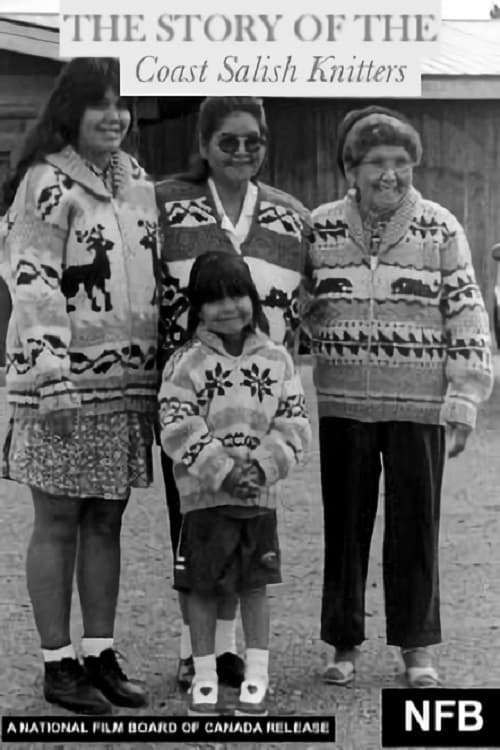
The Story of the Coast Salish Knitters
0.0

The Story of the Coast Salish Knitters

Jan 1, 2000

For almost a century, the Coast Salish knitters of southern Vancouver Island have produced Cowichan sweaters from handspun wool. These distinctive sweaters are known and loved around the world, but the Indigenous women who make them remain largely invisible.

There's Something in the Water
7.1

There's Something in the Water

Sep 6, 2019

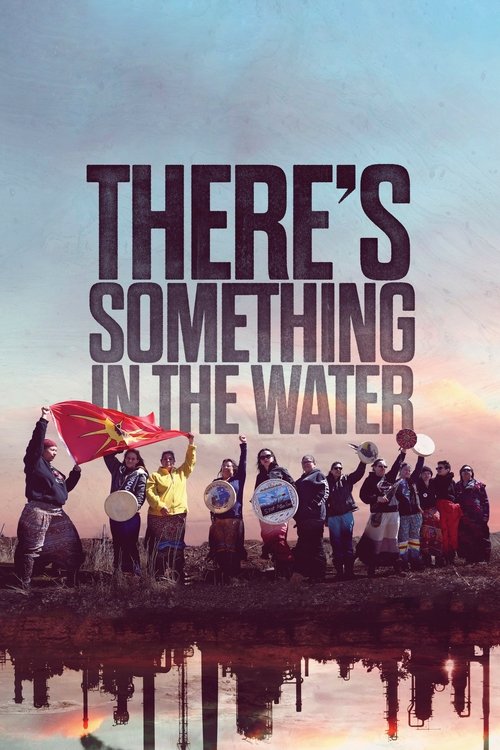
Elliot Page brings attention to the injustices and injuries caused by environmental racism in his home province, in this urgent documentary on Indigenous and African Nova Scotian women fighting to protect their communities, their land, and their futures.

Now Is the Time
0.0

Now Is the Time

Sep 6, 2019

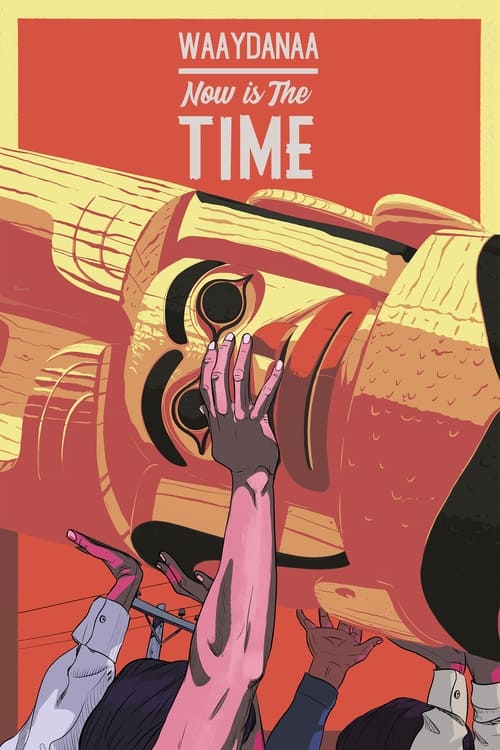
When internationally renowned Haida carver Robert Davidson was only 22 years old, he carved the first new totem pole on British Columbia’s Haida Gwaii in almost a century. On the 50th anniversary of the pole’s raising, Haida filmmaker Christopher Auchter steps easily through history to revisit that day in August 1969, when the entire village of Old Massett gathered to celebrate the event that would signal the rebirth of the Haida spirit.

Haida Modern
0.0

Haida Modern

Oct 1, 2019

In the 50 years since he carved his first totem pole, Robert Davidson has come to be regarded as one of the world’s foremost modern artists. Charles Wilkinson (Haida Gwaii: On the Edge of the World) brings his trademark inquisitiveness and craftsmanship to this revealing portrait of an unassuming living legend. Weaving together engaging interviews with the artist, his offspring, and a host of admirers, Haida Modern extols the sweeping impact of both Davidson’s artwork and the legions it’s inspired.