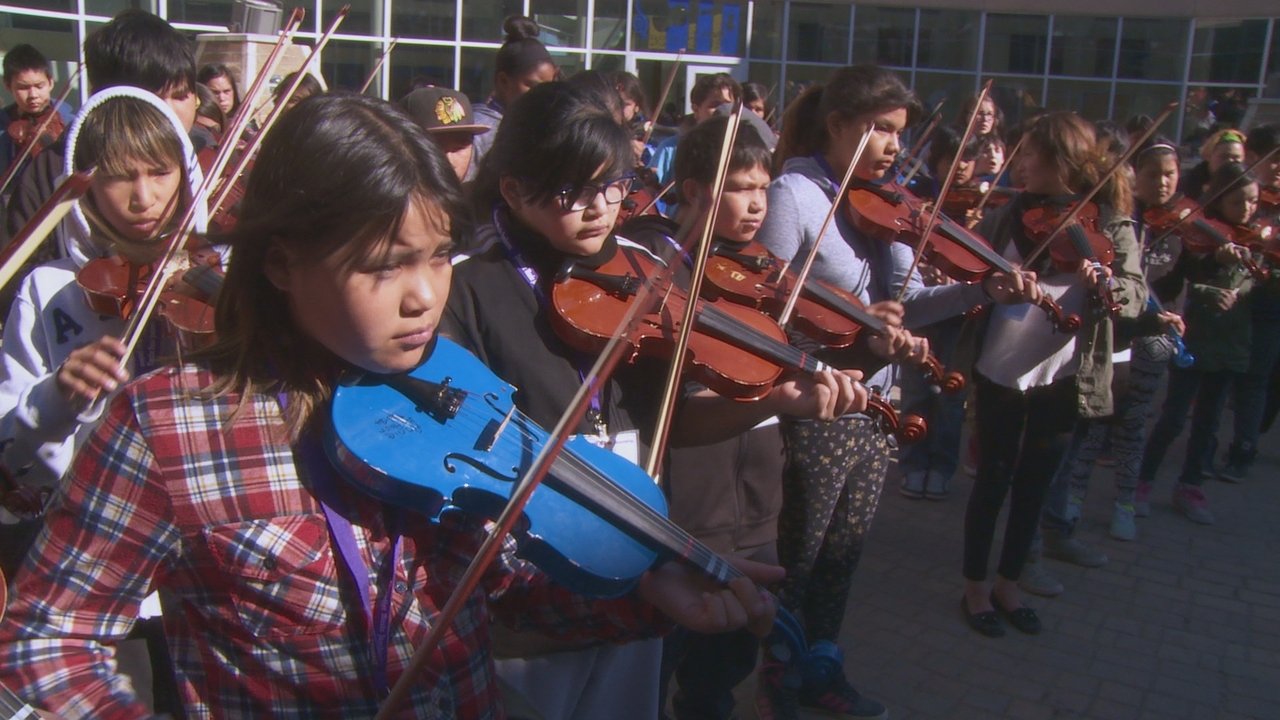
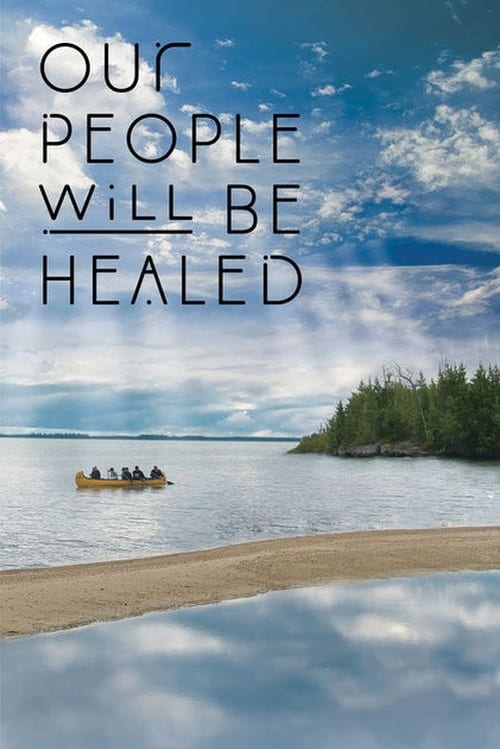
Legendary documentary filmmaker Alanis Obomsawin provides a glimpse of what action-driven decolonization looks like in Norway House, one of Manitoba's largest First Nation communities.
Trailer
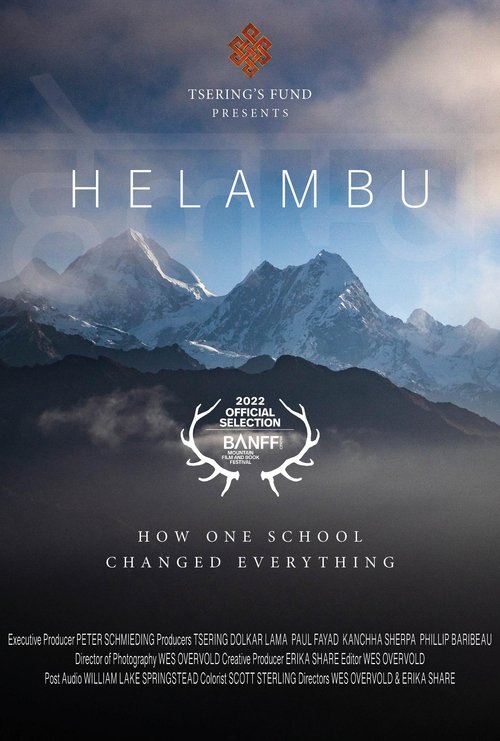
A stranger arrives in a remote Himalayan valley seeking to provide access to education to the community.
No overview available.
In the 50 years since he carved his first totem pole, Robert Davidson has come to be regarded as one of the world’s foremost modern artists. Charles Wilkinson (Haida Gwaii: On the Edge of the World) brings his trademark inquisitiveness and craftsmanship to this revealing portrait of an unassuming living legend. Weaving together engaging interviews with the artist, his offspring, and a host of admirers, Haida Modern extols the sweeping impact of both Davidson’s artwork and the legions it’s inspired.
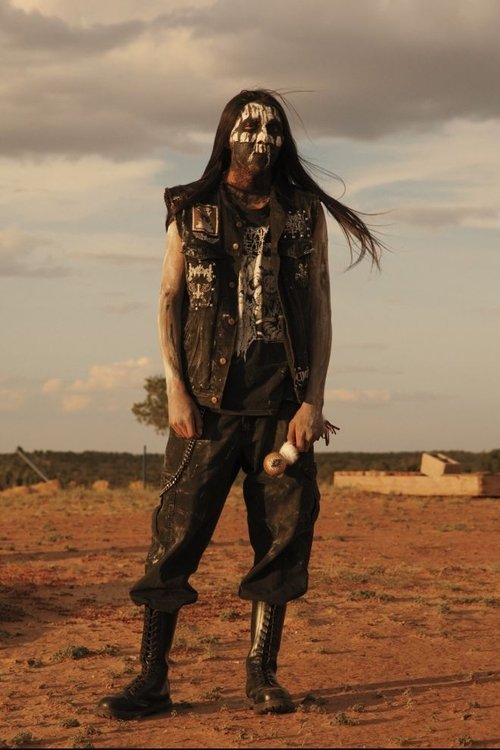
A document of the originators of the DIY Rez Metal scene, and the bands that are now carrying the torch, including I Dont Konform, Mutilated Tyrant and Born of Winter. From a generator-powered show in the Arizona desert to a band practicing in a traditional Navajo dwelling called a Hogan, this story — told by Navajo ("Diné") bands and individuals involved in the scene — explores the creation of Rez Metal in the Eighties, the juxtaposition of old and new Navajo traditions and the link between heavy metal and native pride.
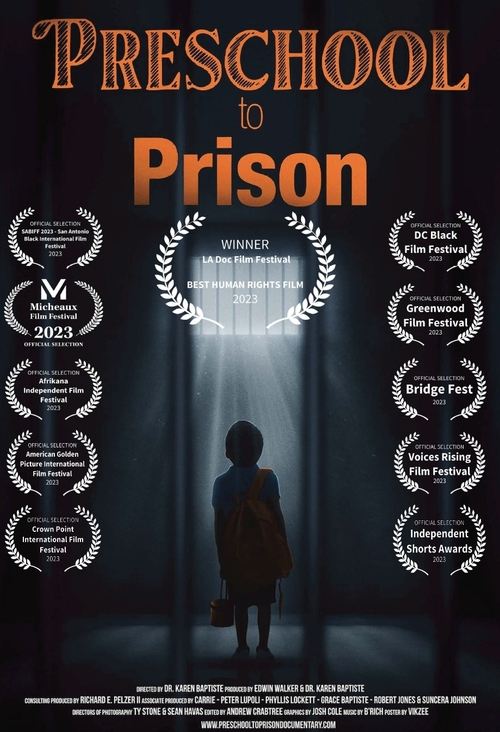
Preschool to Prison is a compelling examination of how the United States public school system is built and operated like prisons. Zero-tolerance policies are used to justify suspension and arrests that set up a pathway to send children of color and children with special needs from school to prison. Children are being suspended, restrained, dragged, physically manhandled, and subsequently arrested for minor offenses such as throwing candy on a school bus. These personal accounts from people affected by the school-to-prison pipeline give riveting tales about the generational impact on society.
When the members of the Keystone Rainbow Curling League get together, it's not just about the game. Rainbow Ice follows four members of Manitoba's premiere LGBT2SQ+ curling league as they gear up for another season. The league, which has been around since 2005, is made up of 28 teams with players from the LGBT2SQ+ community and their allies. It's an open and inclusive place to escape Winnipeg's brutal winters and enjoy some exercise, camaraderie and sport at the 140-year-old Granite Curling Club. Rainbow Ice takes a look at the positive space that's created when the spirit of fun, friendship and freedom to be yourself are combined with a love of curling.
Presents the history of the conflict between the Canadian government and the Kwakiutl Indians of the Northwest Pacific over the ritual of the Potlatch. Archival photographs and films, wax roll sound recordings, police reports, the original potlatch files, and correspondence of agents form the basis of the reconstruction of period events, while the film centres on a Potlatch given today by the Cranmer family of Alert Bay.
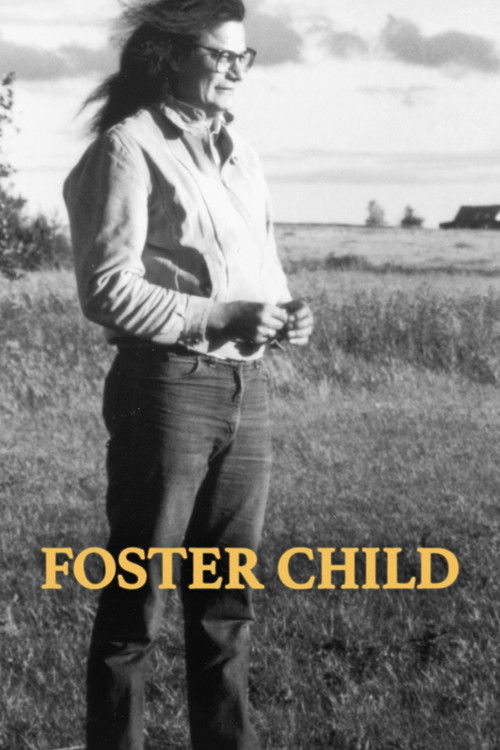
Gil Cardinal searches for his natural family and an understanding of the circumstances that led to his becoming a foster child. An important figure in the history of Canadian Indigenous filmmaking, Gil Cardinal was born to a Métis mother but raised by a non-Indigenous foster family, and with this auto-biographical documentary he charts his efforts to find his biological mother and to understand why he was removed from her. Considered a milestone in documentary cinema, it addressed the country’s internal colonialism in a profoundly personal manner, winning a Special Jury Prize at Banff and multiple international awards.
Intimately following 1st and 6th graders at a public elementary school in Tokyo, we observe kids learning the traits necessary to become part of Japanese society.
13-year-old Khodor is a child whose family tries to issue him an ID document that proves his existence and gives him the right to education, health-care and movement outside of the Palestinian refugee camp of Shatila in Beirut, Lebanon. Through the process, many of the family's old secrets are revealed.
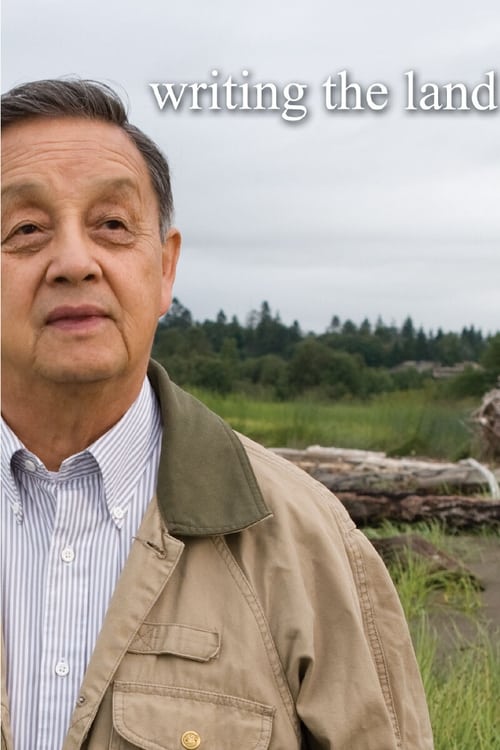
In this short documentary, a Musqueam elder rediscovers his Native language and traditions in the city of Vancouver, in the vicinity of which the Musqueam people have lived for thousands of years. Writing the Land captures the ever-changing nature of a modern city - the glass and steel towers cut against the sky, grass, trees and a sudden flash of birds in flight and the enduring power of language to shape perception and create memory.
Follow filmmaker Elle-Máijá Tailfeathers as she creates an intimate portrait of her community and the impacts of the substance use and overdose epidemic. Witness the change brought by community members with substance-use disorder, first responders and medical professionals as they strive for harm reduction in the Kainai First Nation.
On Canada's Pacific coast this film finds a young Haida artist, Robert Davidson, shaping miniature totems from argillite, a jet-like stone. The film follows the artist to the island where he finds the stone, and then shows how he carves it in the manner of his grandfather, who taught him the craft.
After a plane crash, four indigenous children fight to survive in the Colombian Amazon using ancestral wisdom as an unprecedented rescue mission unfolds.
A short look at the world of artist Arthur Lismer.
An artist leads his Infection Procession to the water.
The Guelph Outdoor School challenges modern education by providing children the freedom to connect with the natural world and themselves.
No Cast found.