This short documentary revisits Mi’kmaq territory, where an iconic moment was captured in 2013—igniting into a symbol of Indigenous resistance and halting fracking exploration on unceded lands.
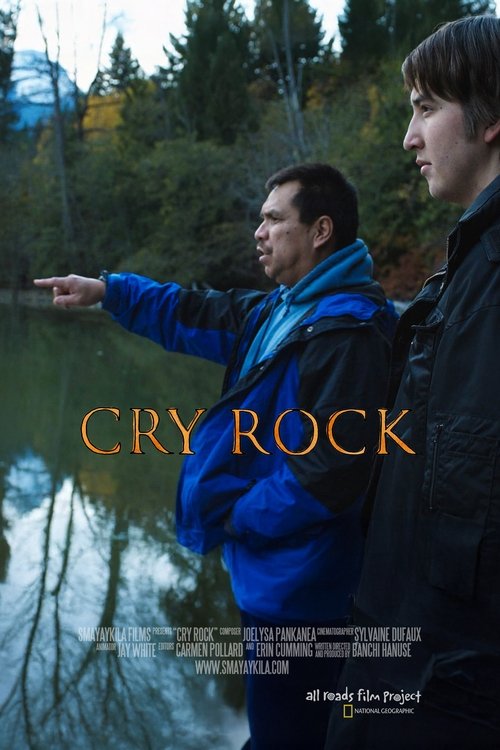
In the Bella Coola Valley, a haunting legend endures through generations as a filmmaker reckons with whether the stories of her ancestors can survive being held or if they were never meant to be captured.
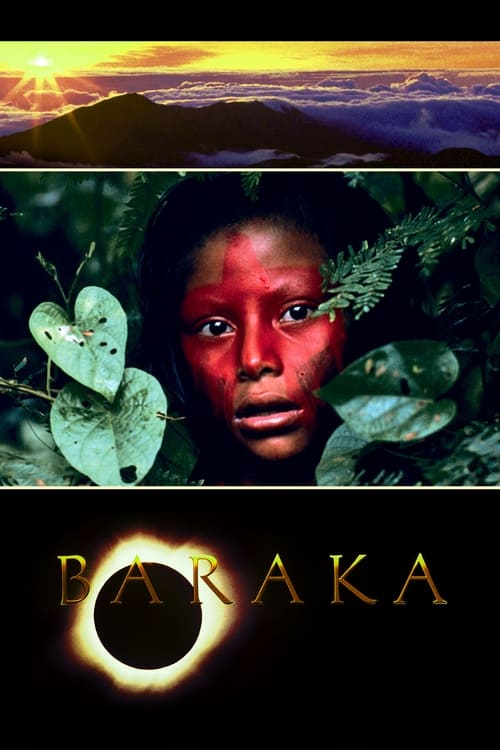
A paralysingly beautiful documentary with a global vision—an odyssey through landscape and time—that attempts to capture the essence of life.
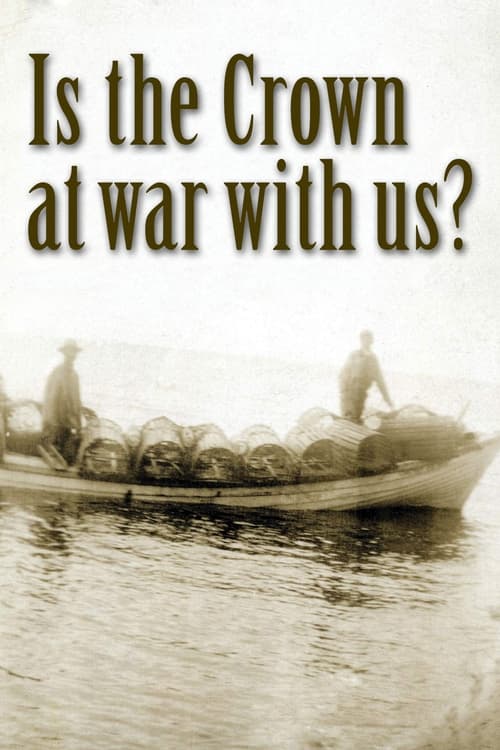
In the summer of 2000, federal fishery officers appeared to wage war on the Mi'gmaq fishermen of Burnt Church, New Brunswick. Why would officials of the Canadian government attack citizens for exercising rights that had been affirmed by the highest court in the land? Alanis Obomsawin casts her nets into history to provide a context for the events on Miramichi Bay.
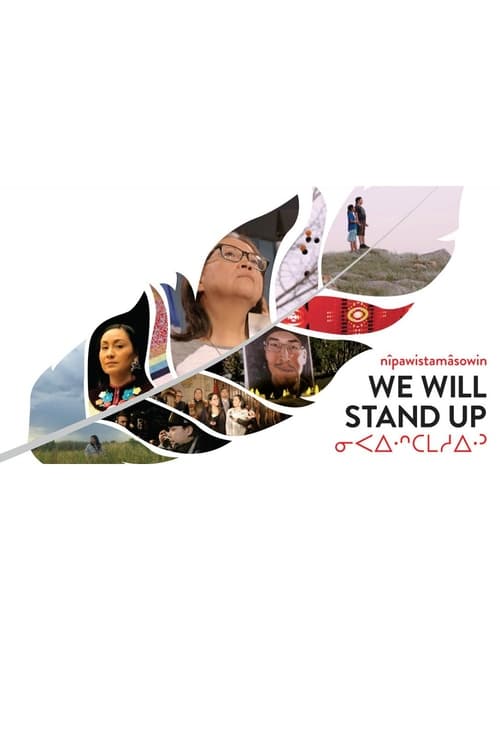
On August 9, 2016, a young Cree man named Colten Boushie died from a gunshot to the back of his head after entering Gerald Stanley's rural property with his friends. The jury's subsequent acquittal of Stanley captured international attention, raising questions about racism embedded within Canada's legal system and propelling Colten's family to national and international stages in their pursuit of justice. Sensitively directed by Tasha Hubbard, "nîpawistamâsowin: We Will Stand Up" weaves a profound narrative encompassing the filmmaker's own adoption, the stark history of colonialism on the Prairies, and a vision of a future where Indigenous children can live safely on their homelands.
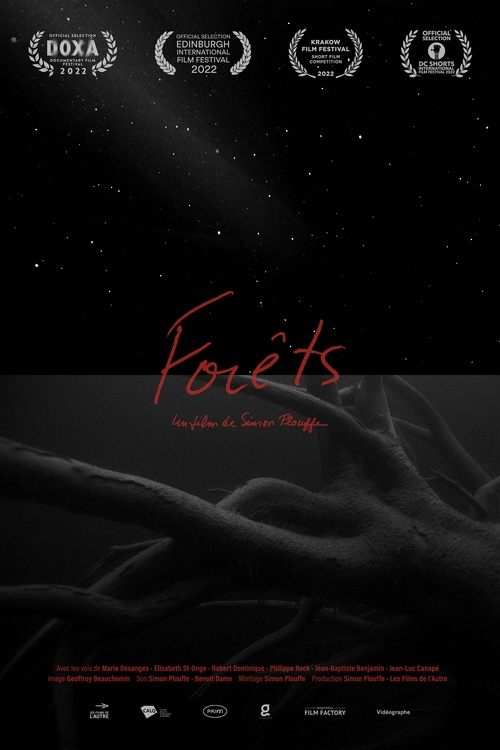
In a dark, ambiguous environment, minuscule particles drift slowly before the lens. The image focuses to reveal spruce trees and tall pines, while Innu voices tell us the story of this territory, this flooded forest. Muffled percussive sounds gradually become louder, suggesting the presence of a hydroelectric dam. The submerged trees gradually transform into firebrands as whispers bring back the stories of this forest.
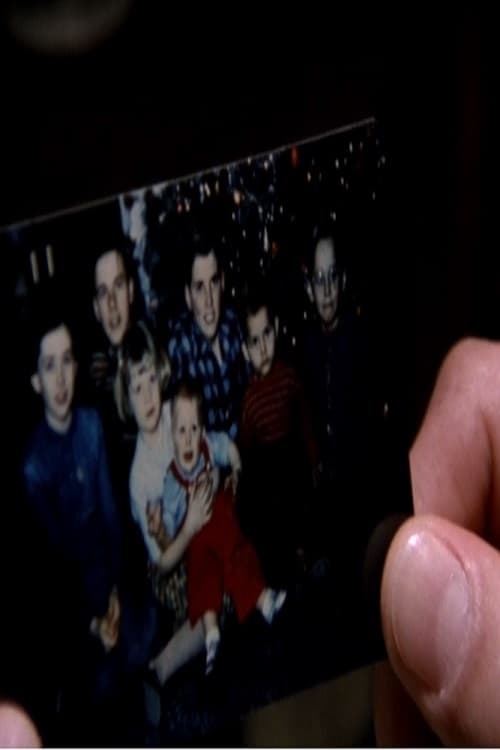
Gil Cardinal searches for his natural family and an understanding of the circumstances that led to his becoming a foster child. An important figure in the history of Canadian Indigenous filmmaking, Gil Cardinal was born to a Métis mother but raised by a non-Indigenous foster family, and with this auto-biographical documentary he charts his efforts to find his biological mother and to understand why he was removed from her. Considered a milestone in documentary cinema, it addressed the country’s internal colonialism in a profoundly personal manner, winning a Special Jury Prize at Banff and multiple international awards.
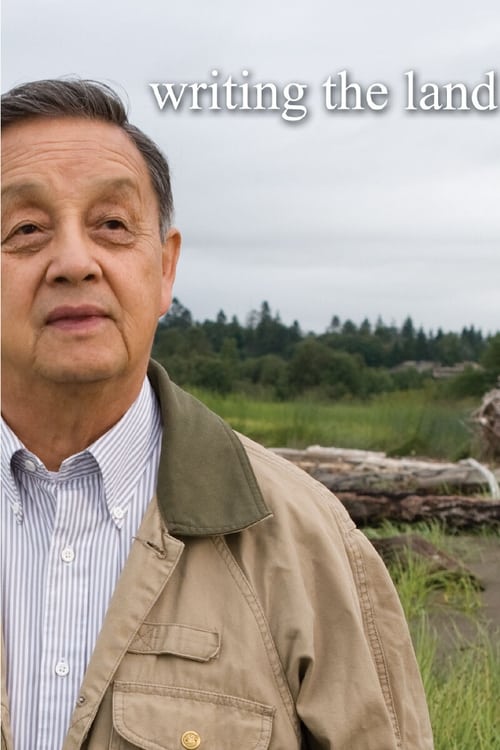
In this short documentary, a Musqueam elder rediscovers his Native language and traditions in the city of Vancouver, in the vicinity of which the Musqueam people have lived for thousands of years. Writing the Land captures the ever-changing nature of a modern city - the glass and steel towers cut against the sky, grass, trees and a sudden flash of birds in flight and the enduring power of language to shape perception and create memory.
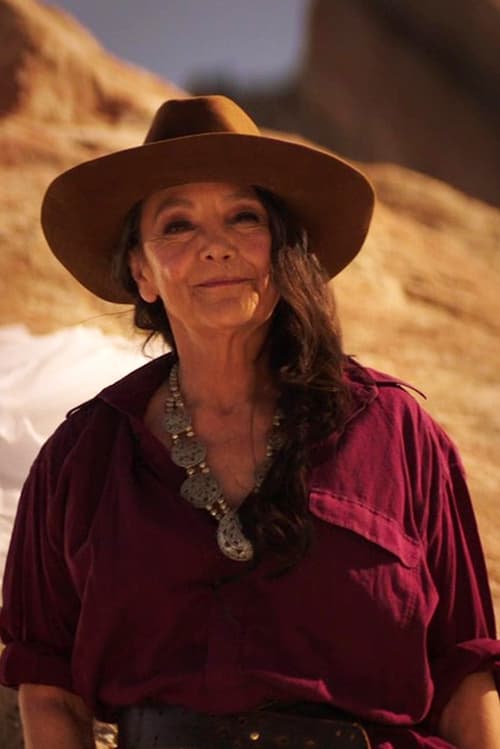
A moving portrait of actress Tantoo Cardinal, travelling through time and across the many roles she’s played, capturing her strength and her impact—and how she shattered the glass ceiling and survived.
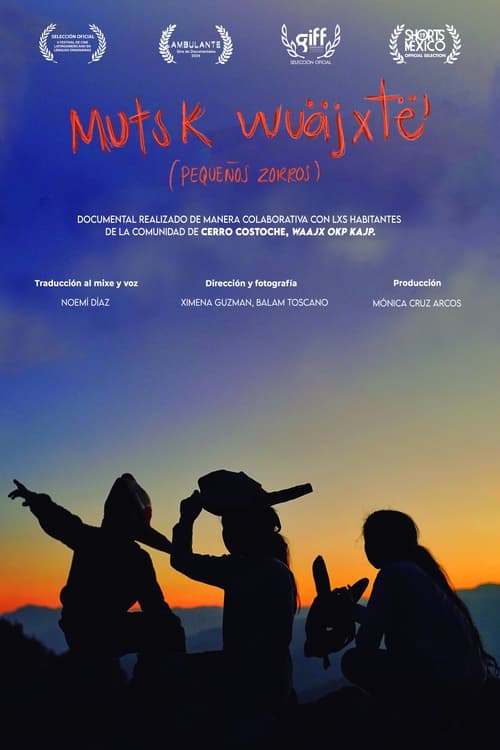
Noemí, an Ayuukjä'äy woman reflects on the loss of her native tongue with a voice that blends into day to day life in Cerro Costoche community located in the Mixe mountain rage of Oaxaca.
The “Prophecy of the 7th Fire” says a “black snake” will bring destruction to the earth. For Winona LaDuke, the “black snake” is oil trains and pipelines. When she learns that Canadian-owned Enbridge plans to route a new pipeline through her tribe’s 1855 Treaty land, she and her community spring into action to save the sacred wild rice lakes and preserve their traditional indigenous way of life. Launching an annual spiritual horse ride along the proposed pipeline route, speaking at community meetings and regulatory hearings. Winona testifies that the pipeline route follows one of historical and present-day trauma. The tribe participates in the pipeline permitting process, asserting their treaty rights to protect their natural resources. LaDuke joins with her tribe and others to demand that the pipelines’ impact on tribal people’s resources be considered in the permitting process.
The conflict over forestry operations on Lyell Island in 1985 was a major milestone in the history of the re-emergence of the Haida Nation. It was a turning point for the Haida and management of their natural resources.
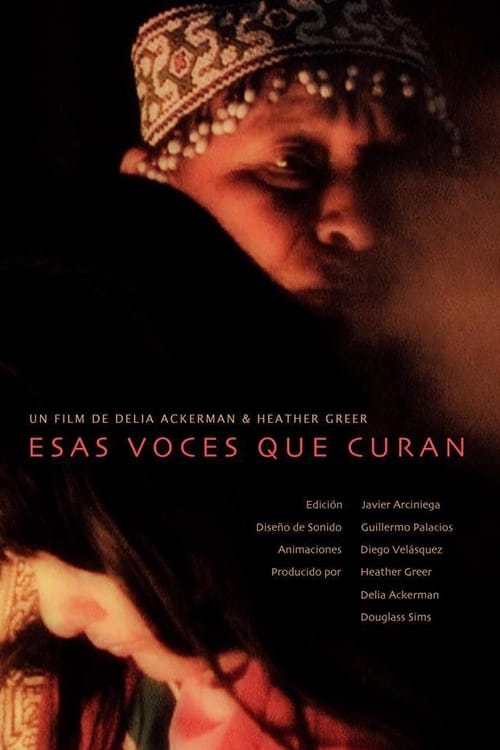
Herlinda Augustin is a Shipibo healer who lives with her family in Peruvian Amazonia. Will she and other healers be able to maintain their ancient tradition despite Western encroachment?
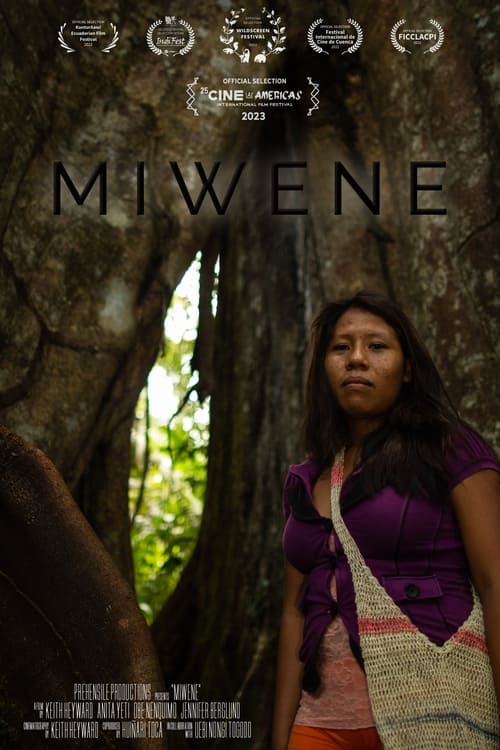
Steeped in the long oral tradition of Waorani storytelling, Gange Yeti shares her own coming-of-age story as a young Waorani woman living deep within the Amazon rainforest. Following Gange and her community for over 11 years, the film captures her transition from a quiet teenager into a confident young mother at a critical turning point for her culture and rainforest. As the granddaughter of one of the last Waorani elders that lived in complete isolation before outside contact, Gange is determined to capture her grandmother’s unique experience while she still can -- balancing school, motherhood, and tradition along the way.
Yellowtail is the story of a young Native American cowboy searching for meaning as his chaotic lifestyle begins to wear on him both physically and mentally. To find his purpose the young man has to reflect on his upbringing as a native to become the spiritually connect man he was meant to be.
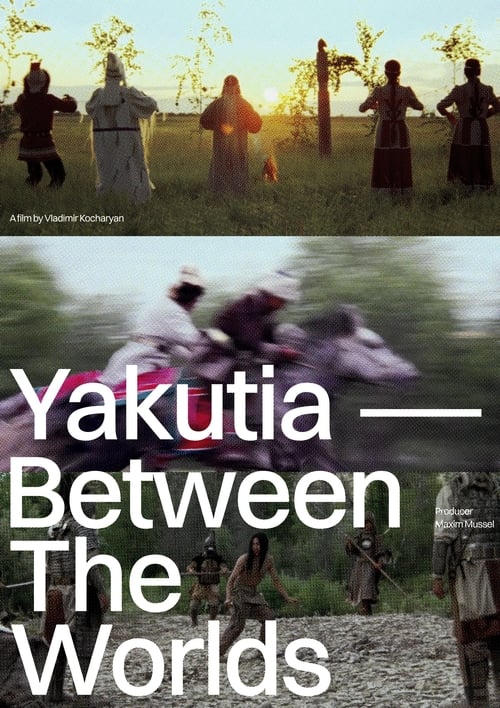
A documentary road movie. Traveling across his homeland, the filmmaker explores what Yakut cinema is, and what it means to the Sakha people and to himself.
No overview available.
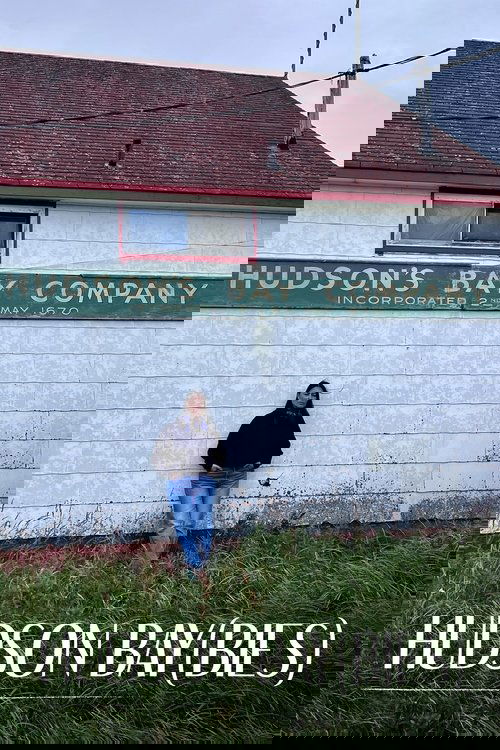
A documentary film exploring an untold part of Canada’s past through the eyes of Inuk artist and filmmaker Elisapie Isaac. After facing a moral dilemma, Elisapie sets out to meet others who, like her, are “Hudson Baybies,” the children born of the mixed unions between Indigenous women and Hudson’s Bay Company employees working in trading posts and general stores across the North.
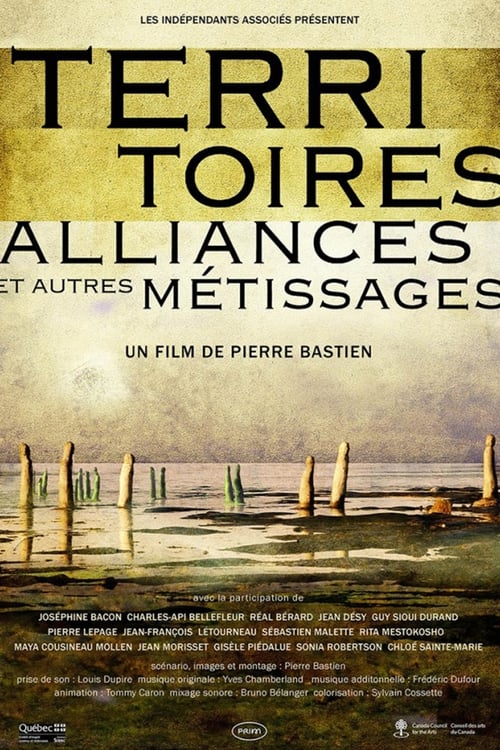
By retracing the mixed heritage of First Nations peoples and Quebecers, painting a modern portrait, and sketching a human geography, this film helps us (re)discover the beauty and strength of our common territory: the Americas.
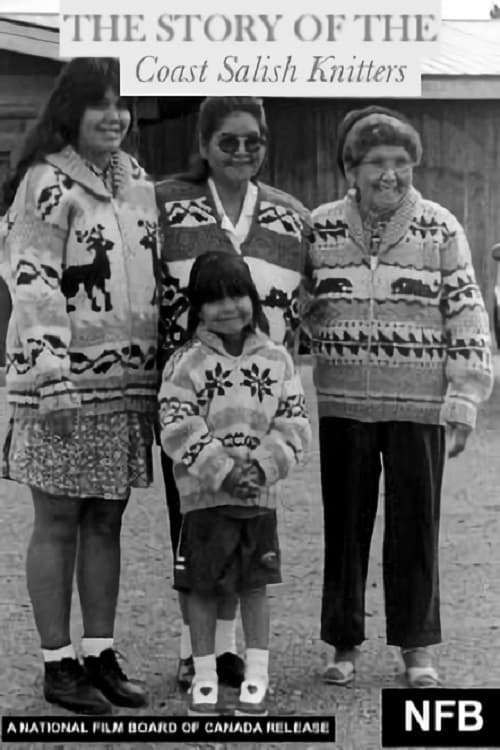
For almost a century, the Coast Salish knitters of southern Vancouver Island have produced Cowichan sweaters from handspun wool. These distinctive sweaters are known and loved around the world, but the Indigenous women who make them remain largely invisible.
No Trailers found.
No Cast found.