Narrator
Himself (archive footage)
No Trailers found.
No overview available.
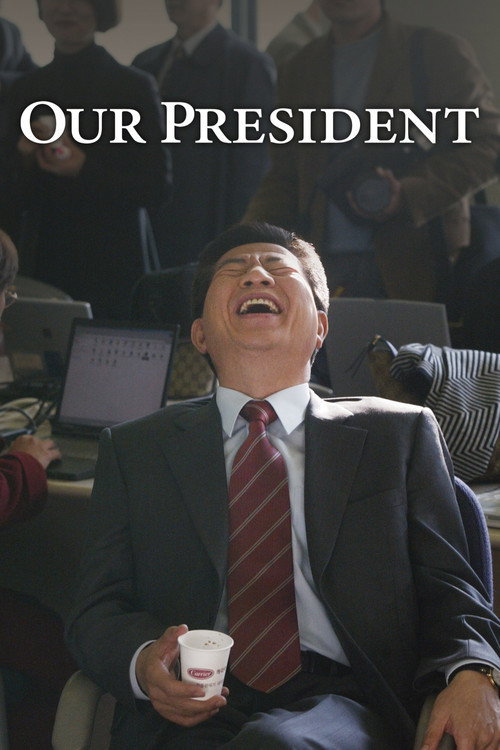
In South Korea, 2002, the Democratic Party put the presidential nomination to a plebiscite for the first time. Amongst numerous candidates, the one who brought about the most unexpected result was a fringe candidate named Roh Moo-hyun.
The small county of Seongju staged protests against the THAAD. Young mothers led protests from concerns about their kids and the exposure to radiation. Gradually, they learn the system is faulty.
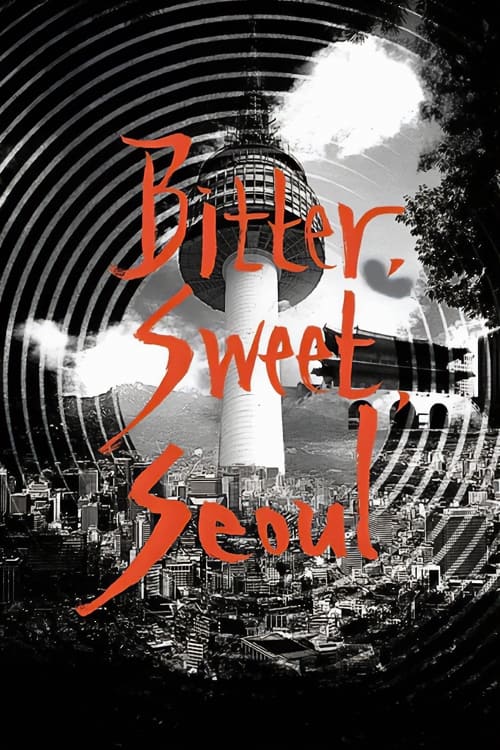
Over 98 days from August 20th to November 25th 2013, 2821 people from around the world sent 11,852 video featuring many different faces of Seoul. 154 were selected, edited, and made into a movie.
Let's look back at the 18th presidential vote. The 13,500 ballot boxes were taken to 251 ballot count locations and were sorted by 1,300 automatic ballot openers. The chairman announced the sorted data and soon it was announced to the public. But something strange happened. The 251 ballot count locations found 'a number' that have the same pattern. Scientists, mathematicians, statistician and hackers from all over the country start looking into the secret of 'this number'. The result is tremendously shocking...
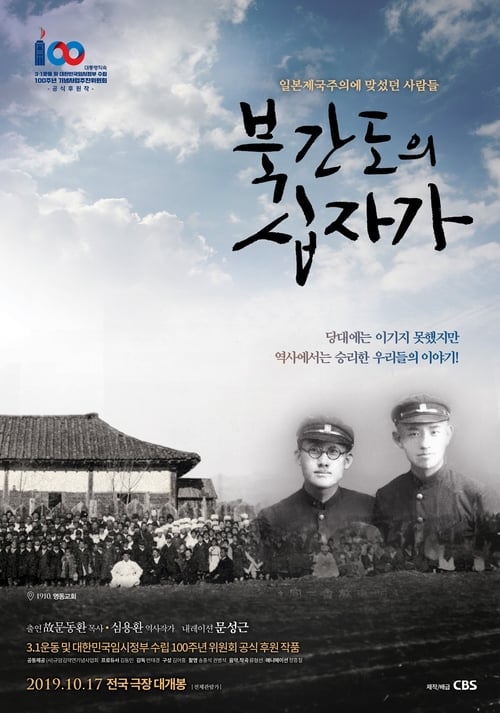
The Christians of North Gando lose their country and leave their hometown, but gain the Gospel. The cross they hold in their hands is the symbol of daring for independence and a royal summon of the generation they have to endure. Historian Sim Yo Han retraces the footsteps of the late Father Moon Dong Hwan and finds meanings of the anti-Japanese independence movement hidden in various parts of North Gando.
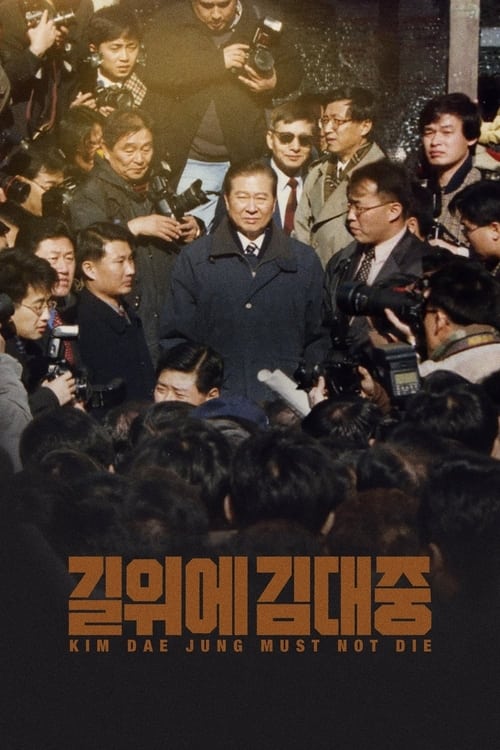
Kim Dae Jung, who stands next to people in the middle of caotic history! A young businessman Kim Dae Jung recognized the victims of ideology. He decided to be a politician to make his country where people's politic and democracy are rooted. The price of being leave from a guaranteed future and take the first step on a bumby road was kidnapping, death threats, imprisonment, and a death sentence that shook him to the core, but even in his final moments, when he was sentenced to death, Kim never wavered. "Democracy will be recovered. I believe in it." The life of President Kim Dae-jung, a death row inmate who survived from the throes of death, four parliamentary elections, and three unsuccessful presidential campaigns, is etched into the modern history of South Korea.
The movie, which seemed likely to be a video study by a local researcher on comfort women in the military camp town, is becoming an increasingly fictional world, including visits by the dead, resulting in historical, fantastic and allegorical results.
The film describes the microcosmos of the small village Wacken and shows the clash of the cultures, before and during the biggest heavy metal festival in Europe.
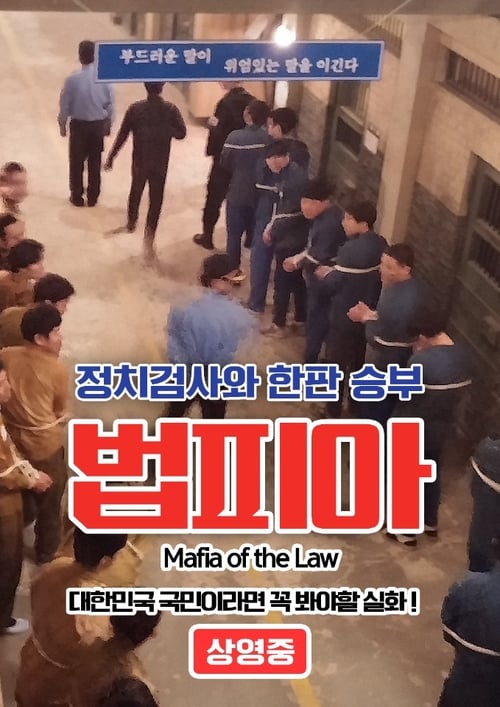
A prisoner of 7 years who was innocently jailed by political prosecutors looks into the case himself, and seeks the punishment of those political prosecutors who shut him away illegally by suing them. However, no one takes him seriously or even investigate the case, let alone charge them as guilty. The prisoner takes matters into his own hands... A true story about the need of the Senior Civil Servant Corruption Investigations Unit! Anything can be done if you know the law! The citizens of Korea are not dogs or pigs! The sovereignty of the people that has been taken away by political prosecutors must be won back! A law-themed and educational true story the citizens of the Republic of Korea must see.
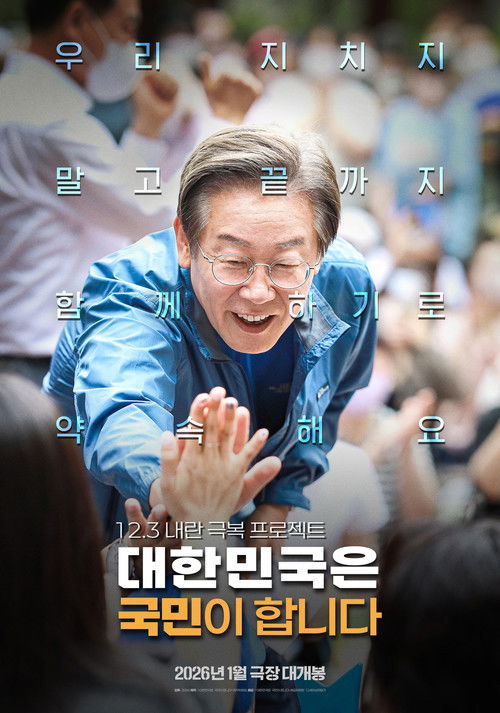
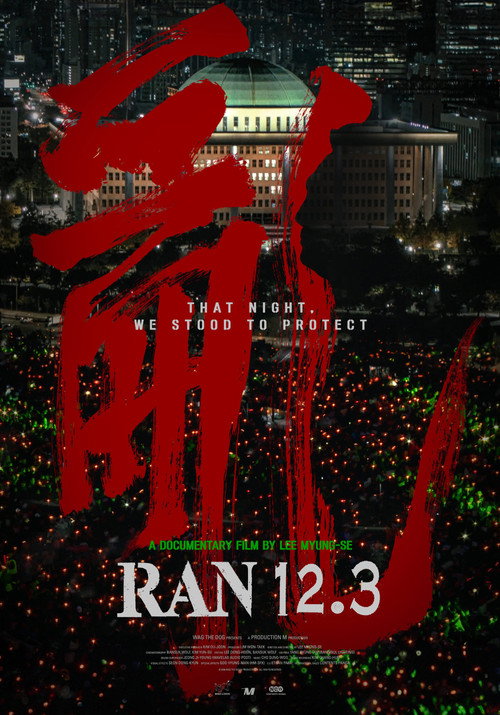
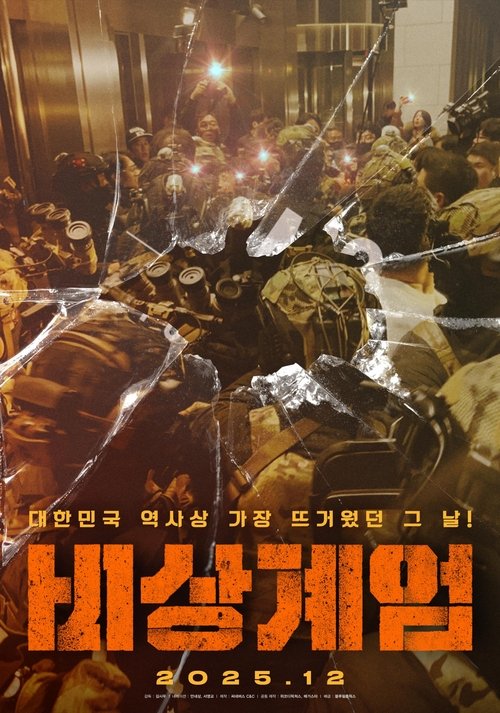
An ordinary day is suddenly disrupted by an unexpected declaration of martial law. In a race against time, citizens and members of the National Assembly rush to the parliament to defend it. Until 1:01 a.m., when martial law is finally lifted, a desperate confrontation unfolds between special forces under orders from Yongsan and civilians.
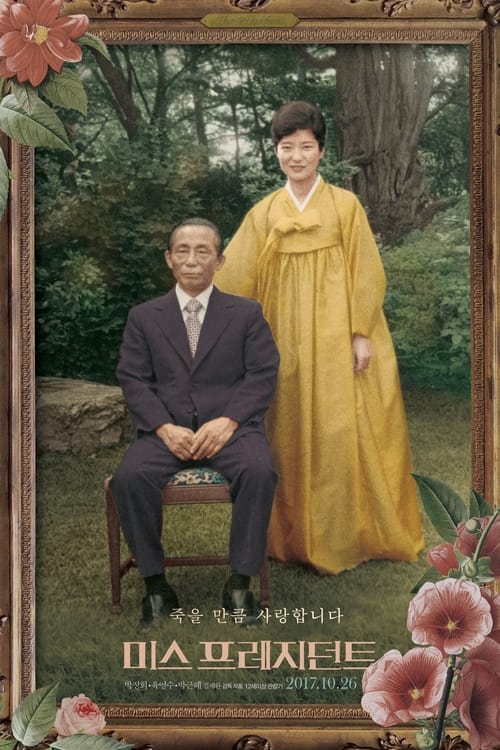
My father led a coup in 1961. Two years later, I became the president's daughter.
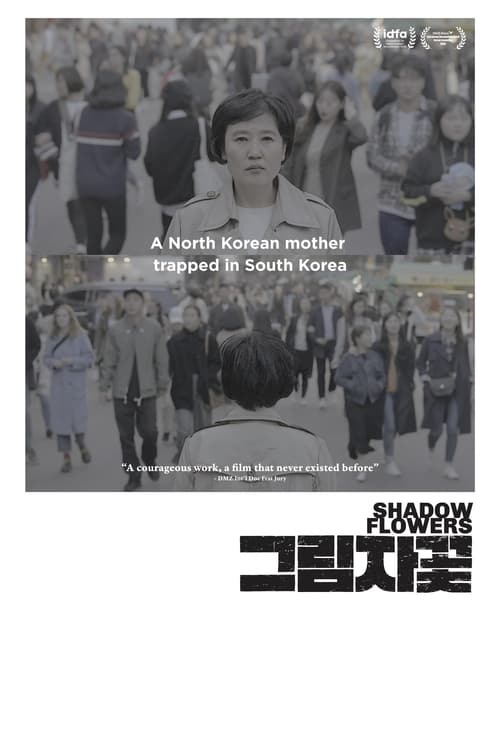
Ryun-hee Kim, a North Korean housewife, was forced to come to South Korea and became its citizen against her will. As her seven years of struggle to go back to her family in North Korea continues, the political absurdity hinders her journey back to her loved ones. The life of her family in the North goes on in emptiness, and she fears that she might become someone, like a shadow, who exists only in the fading memory of her family.
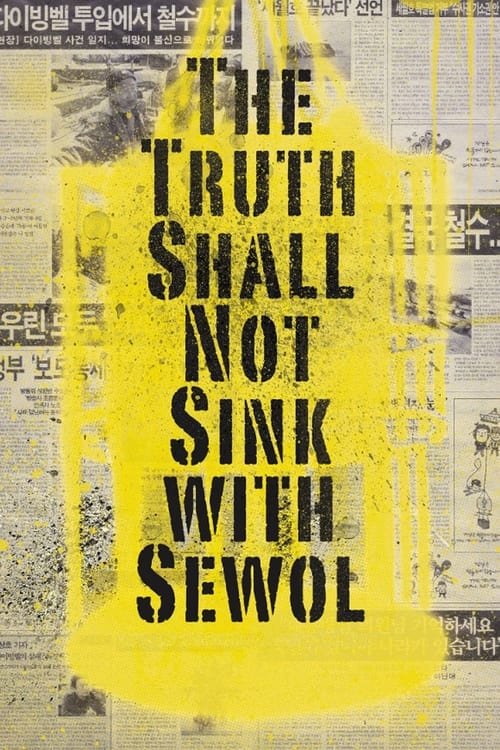
A documentary on the South Korean ferry disaster that claimed the lives of more than 300 passengers in April, 2014.
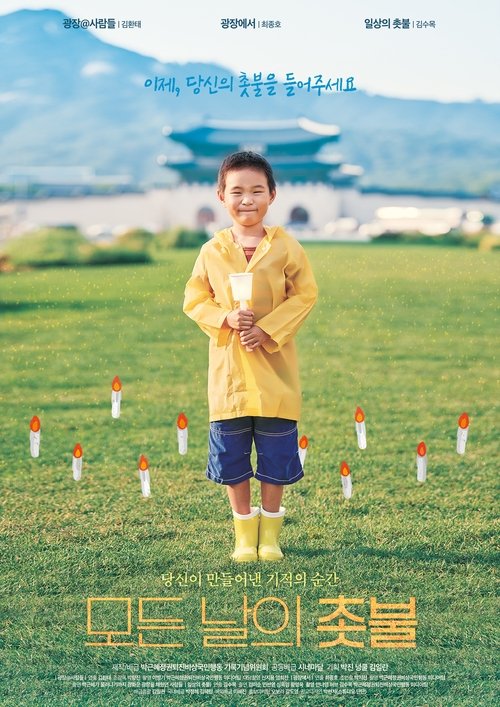
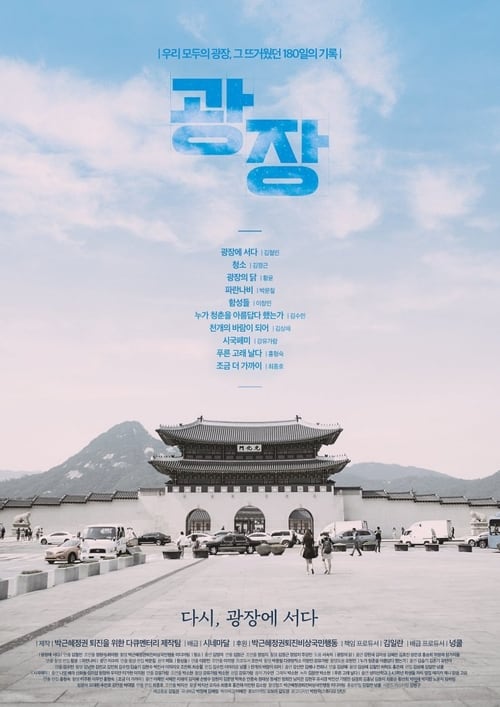
Project 1 _ Hong Hyung-sook The children who are enthusiastically painting and cutting a doll. What stories will be told at the Square? - Project 10 _ Kim Jeong-geun The janitorial worker from the Busan Subway Station, Kim Young-ja talks about how she hopes to see a clean world, just like how she cleans everywhere in the subway.