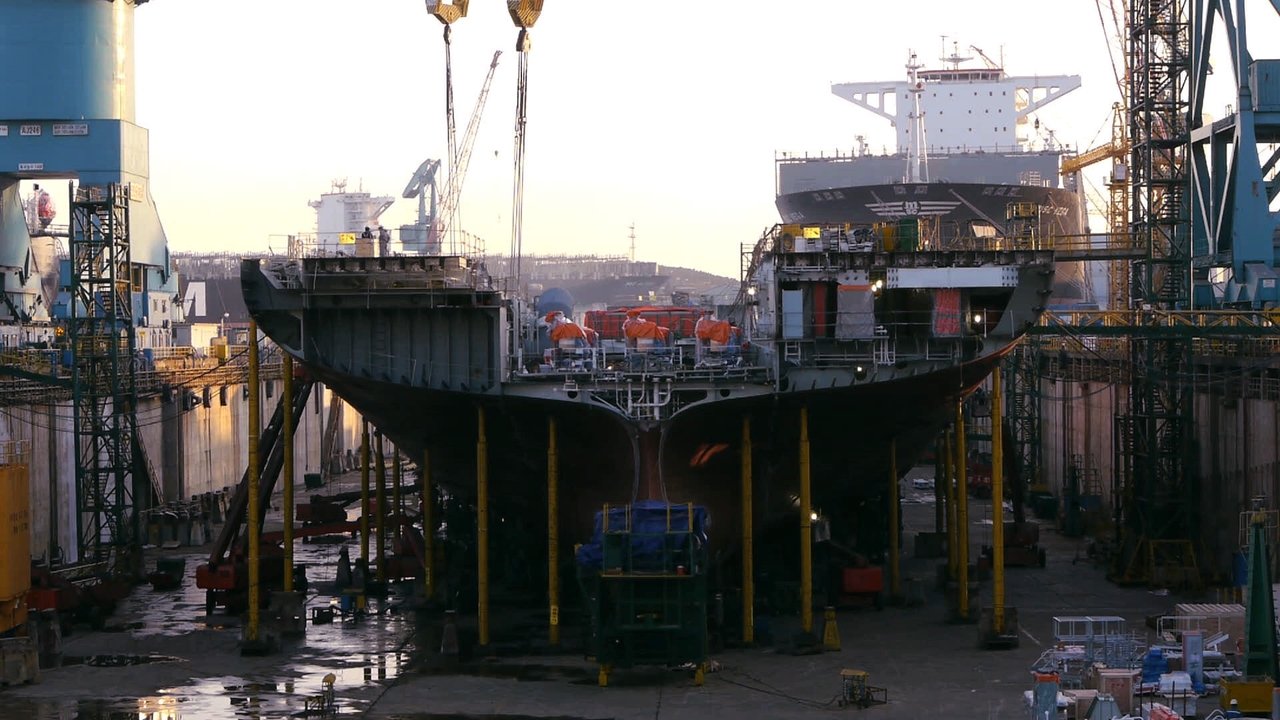
Korea's past was whale worship; its present is industry. Is the future whales AND industry?
No Cast found.
No overview available.
Over 98 days from August 20th to November 25th 2013, 2821 people from around the world sent 11,852 video featuring many different faces of Seoul. 154 were selected, edited, and made into a movie.
Gdańsk, Poland, September 1980. Lech Wałęsa and other Lenin shipyard workers found Solidarność (Solidarity), the first independent trade union behind the Iron Curtain. The long and hard battle to bring down communist dictatorship has begun.
The film describes the microcosmos of the small village Wacken and shows the clash of the cultures, before and during the biggest heavy metal festival in Europe.
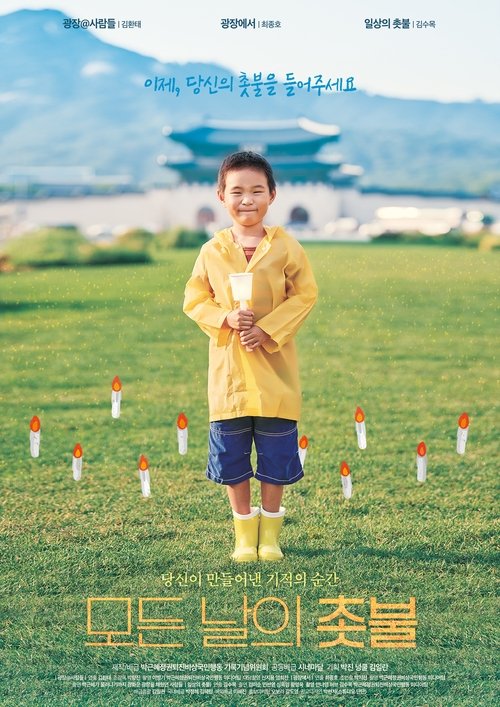
Project 1 _ Hong Hyung-sook The children who are enthusiastically painting and cutting a doll. What stories will be told at the Square? - Project 10 _ Kim Jeong-geun The janitorial worker from the Busan Subway Station, Kim Young-ja talks about how she hopes to see a clean world, just like how she cleans everywhere in the subway.
South Korean cinema is in the throes of a creative explosion where mavericks are encouraged and masters are venerated. But from where has this phenomenon emerged? What is the culture that has yielded this range of filmmakers? With The Nine Lives of Korean Cinema, French critic, writer and documentarian Hubert Niogret provides a broad overview but, nevertheless, an excellent entry point into this unique type of national cinema that still remains a mystery for many people. The product of a troubled social and political history, Korean cinema sports an identity that is unique in much modern film. Niogret's documentary tells of the country's cinematic history - the ups along with the downs - and gives further voice to the artists striving to express their concerns, fears and aspirations.
Poland, 1970. When popular protests erupt in the streets due to rising prices, the communist government organizes a crisis team. Soon after, the police use their truncheons and then their firearms. The story of a rebellion from the point of view of the oppressors.
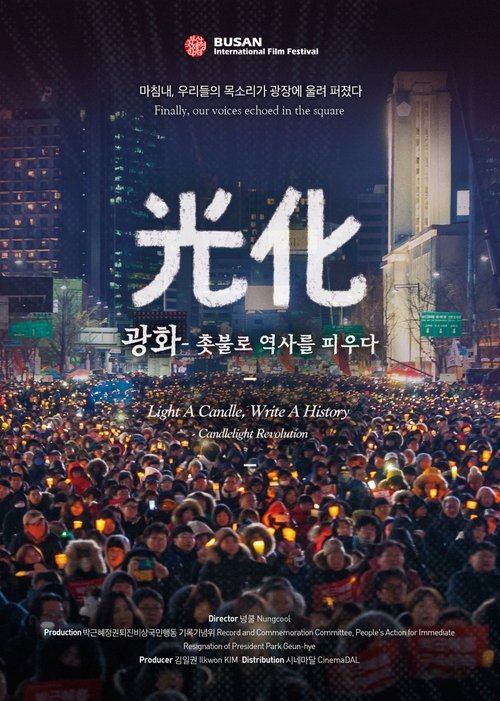
The film traces PARK Geun-hye's life back to the 1970s, when the leader-follower relationship began between PARK, who became the first lady of the Yushin regime, and CHOI Taemin, the leader of a pseudo-religion. It then examines the Sewol ferry incident, CHOI Soonsil Gate, candlelight rallies, and finally the impeachment.
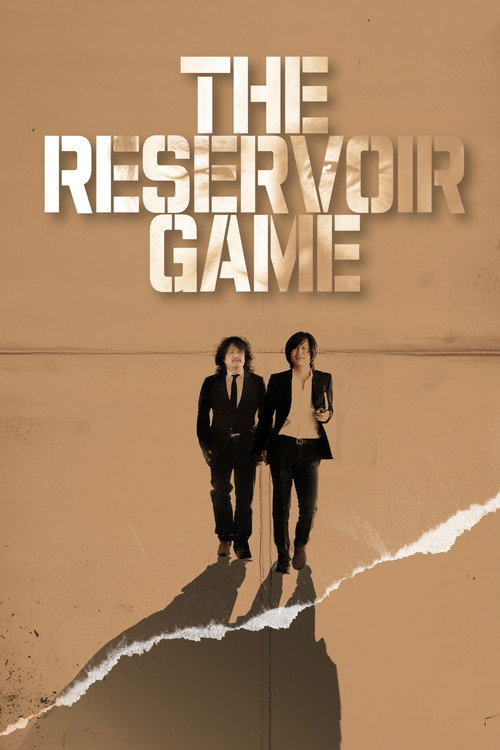
An investigative reporter seeks to expose the whereabouts of a slush fund belonging to the former president of South Korea, Lee Myung-bak.
A party of children take an eye-opening tour of John Brown's Shipyard in Clydebank.
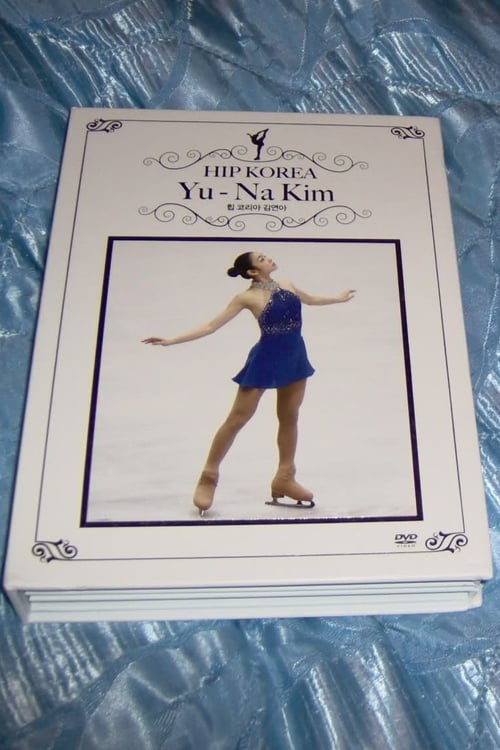
STEP INTO THE RINK WITH YU-NA KIM AS SHE AIMS TO MAKE HISTORY AS ONE OF THE WORLD'S GREATEST FIGURE SKATERS
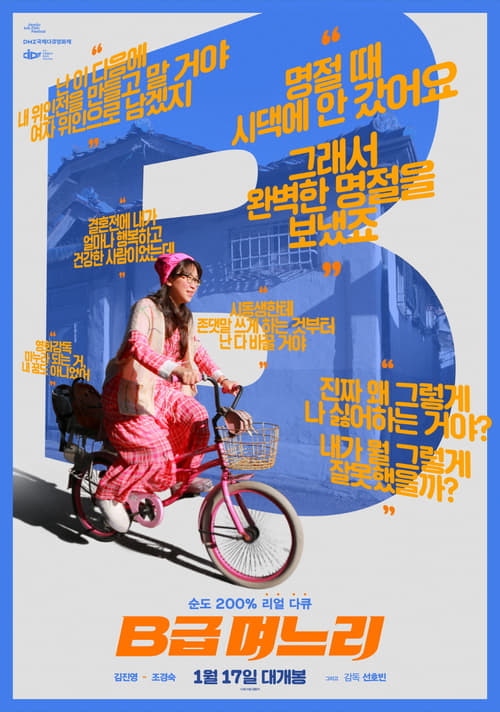
In our 3-year marriage, we have fought on every holiday, on parents' birthdays, during ancestral rituals, and even on Christmas. We argue all the time. The tension between my wife and my mother is killing me.
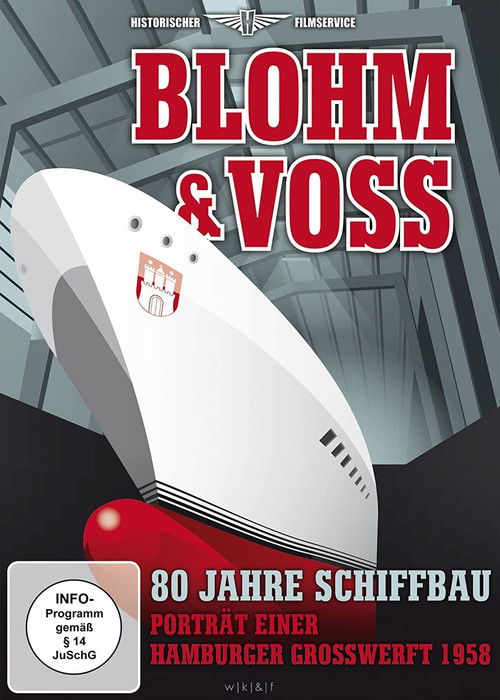
The traditional Hamburg shipyard looks back on 80 years of operation.
A silent film depicting the ship-breaking yards of Chittagong, Bangladesh, a final destination for ships too old to ply the oceans. Every year, hundreds of ships are sent to these yards. And every year, thousands of people come to these yards in search of jobs. Risking their lives to save themselves from hunger, they breathe in asbestos dust and toxic waste. The ship has to die and man has to help it die, as if man and vessel were united in common bondage. The Last Rites bears testament to the resilience of the human spirit.
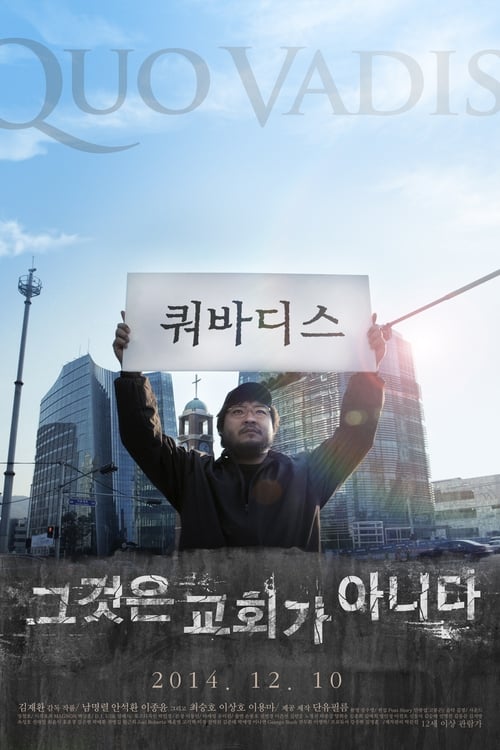
The church is the body of Christ. In Greece, the church embodied a philosophy. Then in Rome, it became an institution. Spreading throughout Europe, it became one with the culture there. Traveling to the US, the church became a business. And when it arrived in Korea, it became a conglomerate. The top five largest churches in the world are located in Korea. However, Christ has long been absent in the nation. So then, what is the church? Who is Jesus Christ? What kind of world do Christians want? If the church is indeed the body of Christ, then we must ask the questions point-blank. Where do we stand in all this? And where exactly are we headed? Korean churches—“Quo Vadis?” Korean society—“Quo Vadis?”
Documentary on director Kim Ki-Duk looking back at his film career.
Cheonggyecheon is a small industrial area in the city of Seoul where small metal workshops are located. Cheonggyecheon had played a key role in the industrialization of South Korea from the remnants of colonialism and war. Following the liberation of the country from Japanese rule in 1945, many industrial complexes became abandoned, resulting in a flood of scavenged machine parts on the market.. In the 1960s, Vietnam War veterans brought many machines into Cheonggyecheon, initiating small-scale production and what’s now considered “copy” production unique to the economies of developing nations. In the past five years, the business on Cheonggyecheon has declined as the surrounding neighborhood is in the process of renovation and gentrification, as part of a beautification initiative by the Seoul Metropolitan Government.
No Trailers found.