No Trailers found.
No Cast found.
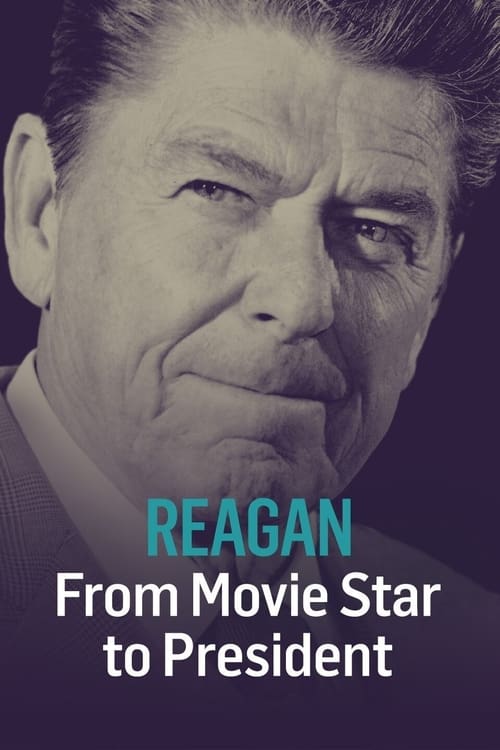
Drawing from the recent book, Reagan: The Life by best-selling biographer H.W. Brands, this Ronald Reagan biography dives deep into the pivotal events that shaped his life. Dramatic recreations reveal the untold, behind-the-scenes moments that shaped the trajectory of his career. Interviews and rare archival material illustrate his life through the Great Depression, WWII, Hollywood’s Golden Age, The Cold War, an assassination attempt (not unlike Bill O’Reilly’s book and recent Nat Geo movie, Killing Reagan), and public and personal heartache.
Portentously portrays the evacuation of Portland, Oregon, when threatened by a nuclear attack on its state-of-the-art civil defense system.
National Geographic 2011 Documentary on the World's Biggest Bomb (UK).
The fascinating history of the U.S. Air Force comes to life via vintage footage culled from official Air Force newsreels that were created to educate the public during wartime. Formed in World War I as a tiny airborne offshoot of the Army's American Expeditionary Force, the division subsequently grew into its own armed services branch and became the largest modern air force in the world.
The author reports on the secret submarine operations of the USA and the Soviet Union, including "risky espionage missions by US combat swimmers in Soviet waters", which resulted in numerous fatal accidents. Both "superpowers" are also said to have lost submarines in various missions due to accidents or collisions. In the film, Pohlmann gives a voice to Ola Tunander, a professor at the Institute for Peace Research in Oslo at the time, who is "certain" that "the alleged Soviet submarines that were unsuccessfully hunted by the Scandinavians in the early 1980s were actually part of the Americans' psychological warfare". The "common goal of some very senior Swedish officers, the British Thatcher administration and Ronald Reagan's policy" was "to discredit the Olof Palme government and its initiative for a nuclear weapons-free Northern Europe".
Documentary about the Intervision Song Contest in general and the 1980 edition in particular. Focuses on Finland's participation and the shipyard strikes in Gdansk at the time.
Thundering across the sky on elegant white wings, the Concorde was an instant legend. But behind the glamour of jet setting at Mach 2 were stunning scientific innovations and political intrigue. Fifteen years after Concorde's final flight, this documentary takes you inside the historic international race to develop the first supersonic airliner. Hear stories from those inside the choreographed effort to design and build Concorde in two countries at once - and the crew members who flew her.
A different history of the Cold War: how Estonians under Soviet tyranny began to feel the breeze of freedom when a group of anonymous dreamers successfully used improbable methods to capture the Finnish television signal, a window into Western popular culture, brave but harmless warriors who helped change the fate of an entire nation.
This documentary talks to women training with machine guns, to undergraduates taking courses in How to Stay Alive, to retired generals who run schools for mercenary killers, and to self-appointed clergy who say their native America has "gone soft on the Devil and the Reds" and has become a "Disneyland for Dummies".
Filmed in Berlin, July 1990. Images of workers taking down the wall and street peddlers selling pieces of it to make a living.
No overview available.
Red Terror documents the soviet occupation of Lithuania and the resistance movements that sprang up in opposition to the brutal tactics used by the communists from 1941 up to 1991. Stories of deportation, life in the Gulag, exile to Siberia, KGB prison torture, confiscation of land are told by living survivors. Resistance fighters and those who aided them also share their stories for the first time to an American audience. Rare historical photos and moving images are used to bring these stories to life.
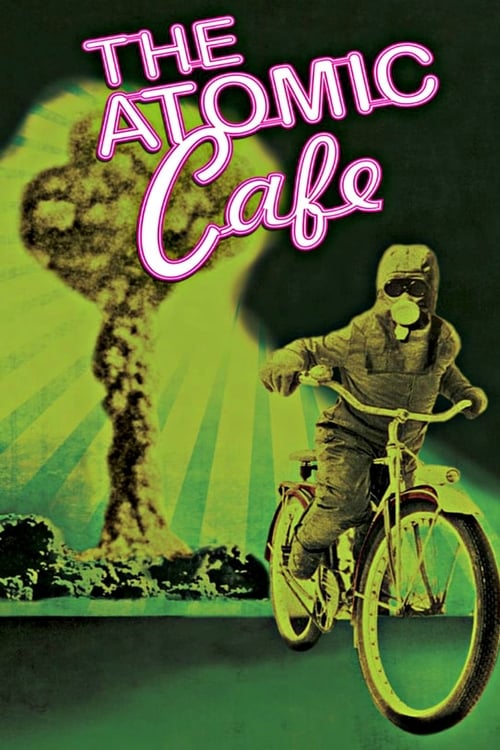
A disturbing collection of 1940s and 1950s United States government-issued propaganda films designed to reassure Americans that the atomic bomb was not a threat to their safety.
Made at the height of 'cold war' paranoia, this drama-documentary shows the work of the UK Warning and Monitoring Organisation, who's duties included the issuing of public warnings of any nuclear missile strike and the subsequent fallout.
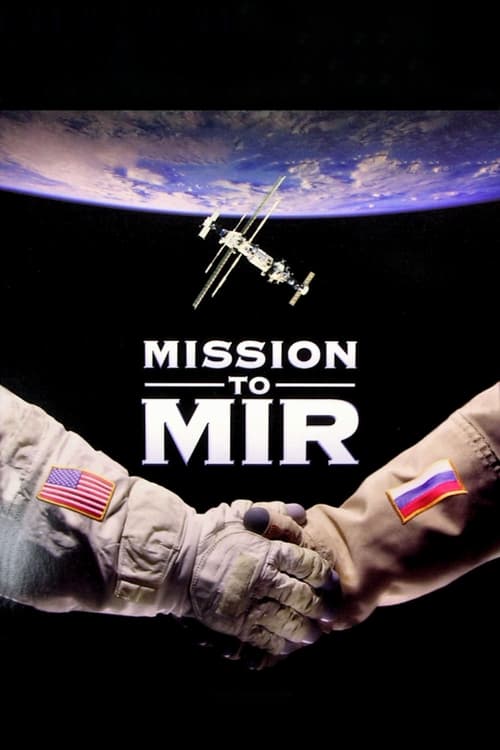
This film shows how far we have come since the cold-war days of the 50s and 60s. Back then the Russians were our "enemies". And to them the Americans were their "enemies" who couldn't be trusted. Somewhere in all this a young girl in Oklahoma named Shannon set her sights on becoming one of those space explorers, even though she was told "girls can't do that." But she did.
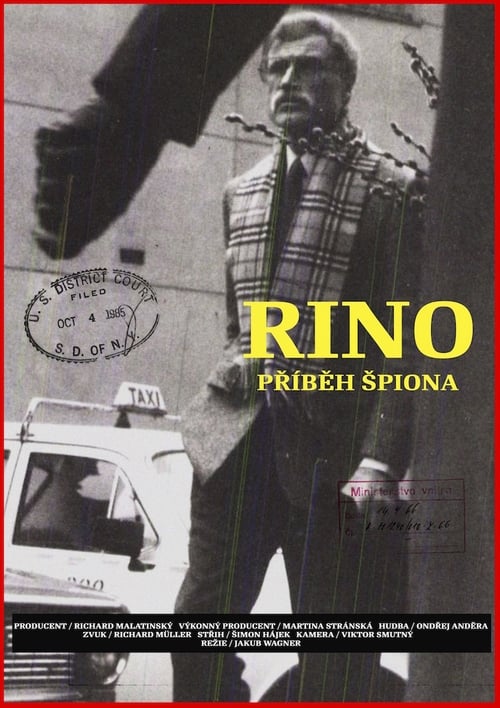
Documentary portrait of Karel Köcher, supposedly the most important communist agent to infiltrate the CIA.
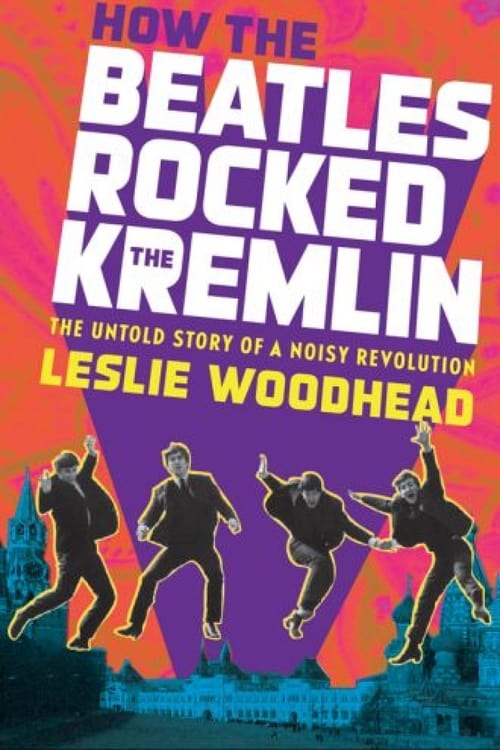
In August 1962, director Leslie Woodhead made a two-minute film in Liverpool's Cavern Club with a raw and unrecorded group of rockers called the Beatles. He arranged their first live TV appearances on a local show in Manchester and watched as the Fab Four phenomenon swept the world. Twenty-five years later while making films in Russia, Woodhead became aware of how, even though they were never able to play in the Soviet Union, the Beatles' legend had soaked into the lives of a generation of kids. This film meets the Soviet Beatles generation and hears their stories about how the Fab Four changed their lives, including Putin's deputy premier Sergei Ivanov, who explains how the Beatles helped him learn English and showed him another life. (Storyville)
Tensions between the USSR and the United States were high in 1959, with the seemingly constant threat of nuclear war. Then some unlikely ambassadors stepped forward to clear all that away: the Harlem Globetrotters. From Harlem With Love is the story of how a group of barnstorming basketball players traveled to the heart of the Soviet Union at the height of the Cold War and bridged a cultural gap many thought would stand forever.
The Tet Offensive during the Vietnam War, the Civil Rights Movement, the May events in France, the assassinations of Martin Luther King and Robert F. Kennedy, the Prague Spring, the Chicago riots, the Mexico Summer Olympics, the presidential election of Richard Nixon, the Apollo 8 space mission, the hippies and the Yippies, Bullitt and the living dead. Once upon a time the year 1968.
Martin Shaw takes a fresh look at one of the most famous war stories of them all. The actor, himself a pilot, takes to the skies to retrace the route of the 1943 raid by 617 Squadron which used bouncing bombs to destroy German dams. He sheds new light on the story as he separates the fact from the myth behind this tale of courage and ingenuity. Using the 1955 movie The Dam Busters as a vehicle to deconstruct the raid, he tries to piece together a picture of perhaps the most daring attack in the history of aviation warfare.