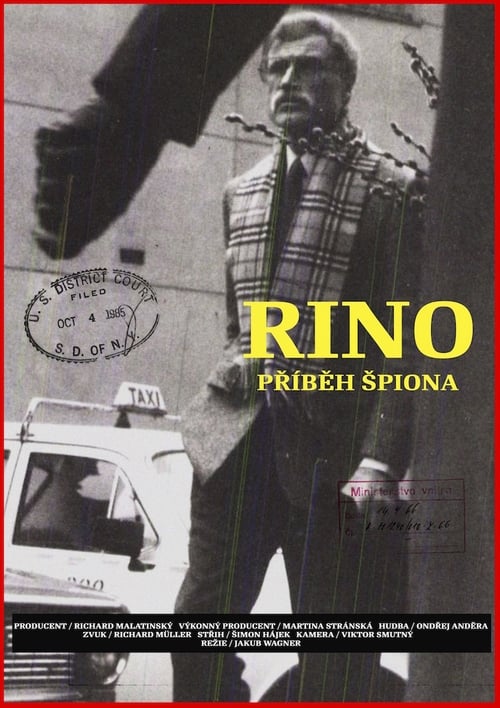
Documentary portrait of Karel Köcher, supposedly the most important communist agent to infiltrate the CIA.
Trailer
Commentary (voice)
An account of the last two centuries of the Anthropocene, the Age of Man. How human beings have progressed so much in such a short time through war and the selfish interests of a few, belligerent politicians and captains of industry, damaging the welfare of the majority of mankind, impoverishing the weakest, greedily devouring the limited resources of the Earth.
An exploration of the reality of potential nuclear attacks on the United States with an emphasis that survival is possible. It outlines key strategies for protection during a nuclear emergency, including recognizing warning signals, taking immediate cover, and understanding the effects of a nuclear explosion. The film stresses the importance of preparation, including knowing evacuation routes and creating a family protection plan. It also highlights the significance of mass, distance, and time as defenses against radiation, and encourages citizens to stay informed and ready in the event of a crisis.
Documentary about the Intervision Song Contest in general and the 1980 edition in particular. Focuses on Finland's participation and the shipyard strikes in Gdansk at the time.
China is pushing hard into German and European markets. Furthermore, Beijing is developing into an increasingly powerful military power. An investigative reporter team from BR, rbb, and SWR is investigating the impact this has on Germany's internal and external security.
National Geographic 2011 Documentary on the World's Biggest Bomb (UK).
The wish was father to the thought: instead of asking Mr. Reagan conventionally worded questions about his candidacy, as he had done Messrs. A discussion full of substance-on topics ranging from Yugoslavia and Czechoslovakia, to the way government bonds should be issued, to the still-ongoing energy crisis, to the still-high unemployment-but also a delicious dress rehearsal.
An enlightening investigative report on Rosatom, Russia's powerful atomic energy agency and Vladimir Putin's formidable geopolitical tool for increasing his influence around the world.
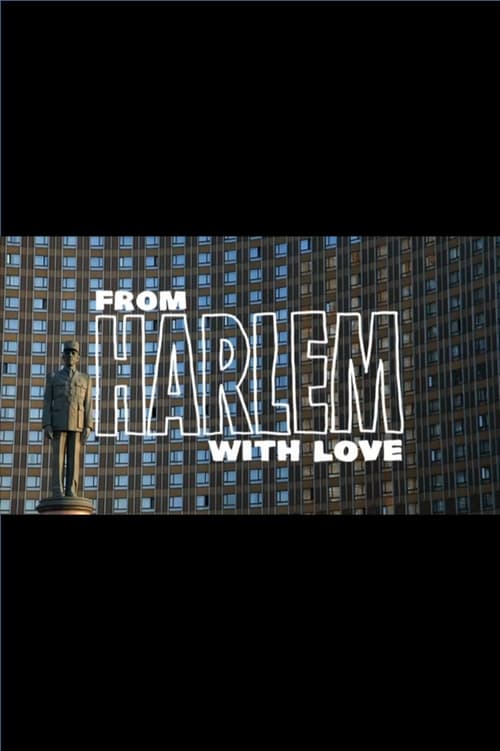
Tensions between the USSR and the United States were high in 1959, with the seemingly constant threat of nuclear war. Then some unlikely ambassadors stepped forward to clear all that away: the Harlem Globetrotters. From Harlem With Love is the story of how a group of barnstorming basketball players traveled to the heart of the Soviet Union at the height of the Cold War and bridged a cultural gap many thought would stand forever.
The Tet Offensive during the Vietnam War, the Civil Rights Movement, the May events in France, the assassinations of Martin Luther King and Robert F. Kennedy, the Prague Spring, the Chicago riots, the Mexico Summer Olympics, the presidential election of Richard Nixon, the Apollo 8 space mission, the hippies and the Yippies, Bullitt and the living dead. Once upon a time the year 1968.
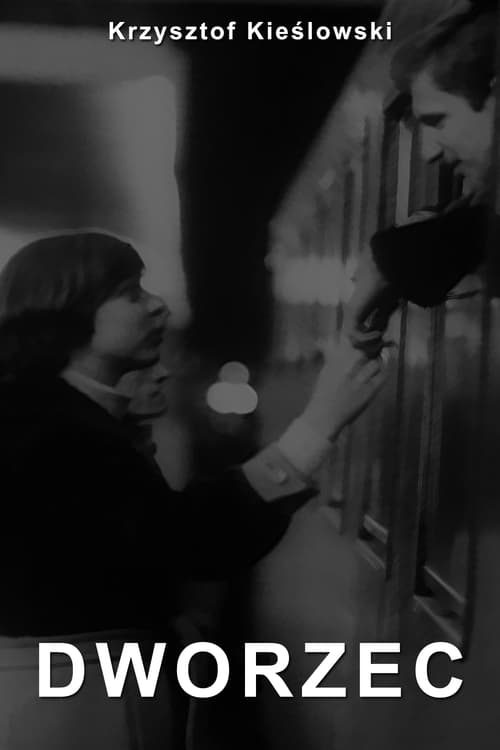
Warsaw's Central Railway Station. 'Someone has fallen asleep, someone's waiting for somebody else. Maybe they'll come, maybe they won't. The film is about people looking for something.
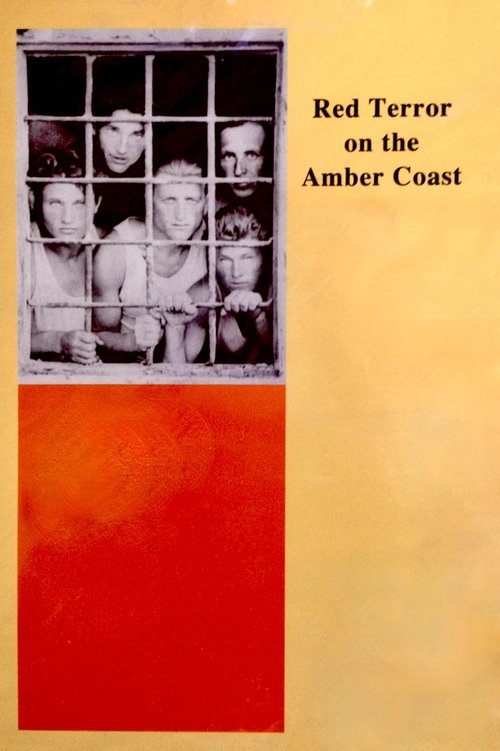
Red Terror documents the soviet occupation of Lithuania and the resistance movements that sprang up in opposition to the brutal tactics used by the communists from 1941 up to 1991. Stories of deportation, life in the Gulag, exile to Siberia, KGB prison torture, confiscation of land are told by living survivors. Resistance fighters and those who aided them also share their stories for the first time to an American audience. Rare historical photos and moving images are used to bring these stories to life.
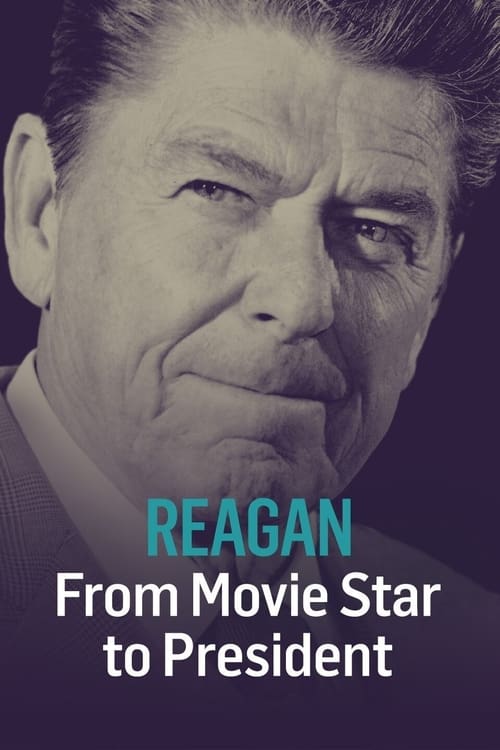
Drawing from the recent book, Reagan: The Life by best-selling biographer H.W. Brands, this Ronald Reagan biography dives deep into the pivotal events that shaped his life. Dramatic recreations reveal the untold, behind-the-scenes moments that shaped the trajectory of his career. Interviews and rare archival material illustrate his life through the Great Depression, WWII, Hollywood’s Golden Age, The Cold War, an assassination attempt (not unlike Bill O’Reilly’s book and recent Nat Geo movie, Killing Reagan), and public and personal heartache.
No overview available.
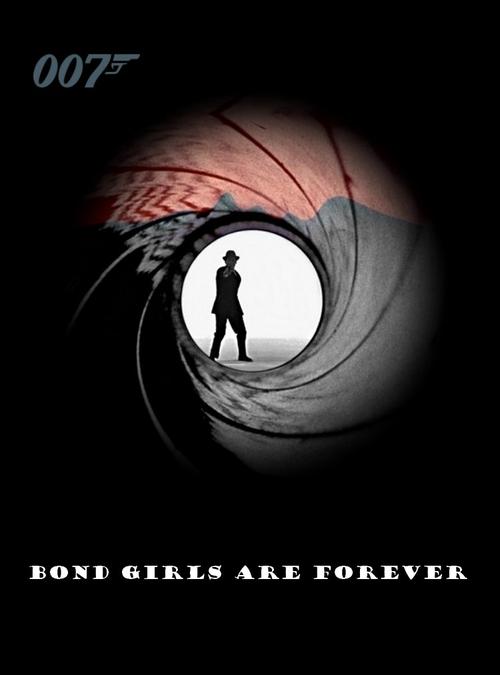
Through vintage film clips of past Bond movie epics, and with the participation of several former "Bond Girls" as interviewees (among them Dr. No's Ursula Andress and Diamonds Are Forever's Jill St. John), the documentary traces the evolution of the typical James Bond heroine from decorative damsel in distress to gutsy (but still decorative) participant in the action.
Three National Security whistleblowers fight to reveal the darkest corners of America's war on terror, challenging a government that is increasingly determined to maintain secrecy.
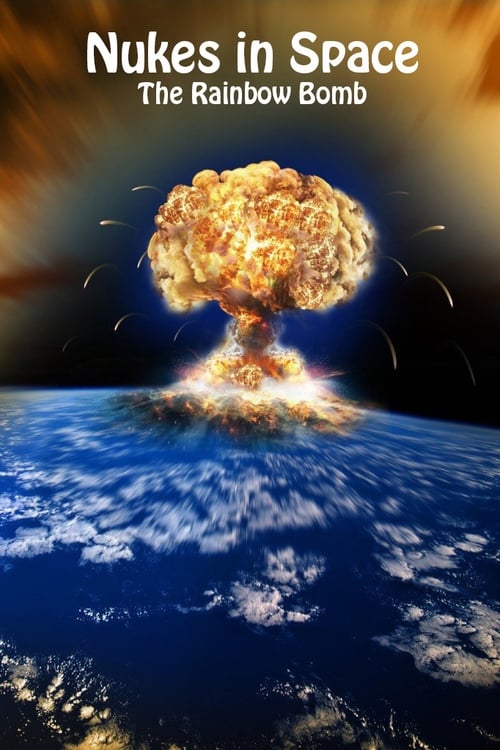
U.S. nuclear tests in space, and the development of the military intercontinental ballistic missile (ICBM).
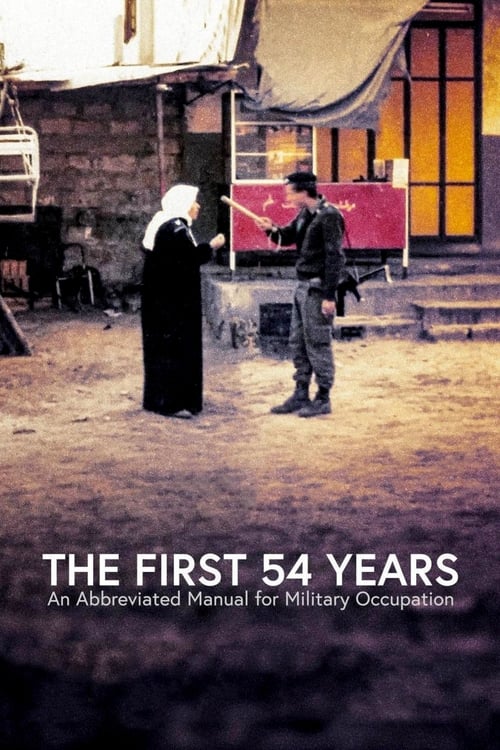
An exhaustive explanation of how the military occupation of an invaded territory occurs and its consequences, using as a paradigmatic example the recent history of Israel and the Palestinian territories, the West Bank and the Gaza Strip, from 1967, when the Six-Day War took place, to the present day; an account by filmmaker Avi Mograbi enriched by the testimonies of Israeli army veterans.
Spy Capital is a documentary exploring Vienna's deep-rooted espionage history, establishing the city as a key hub for international spy operations over the past 150 years. Directed by espionage expert Boris Volodarsky and produced by Dennis Dewall, the film spans from Vienna's 1873 World Exhibition to espionage tied to the 2023 Russia-Ukraine conflict. Featuring interviews with prominent figures like Christo Grozev and Gert Polli, it also includes dramatic reenactments of historical events. Notorious cases such as Colonel Alfred Redl, a Russian double agent, are highlighted. The film delves into Vienna's pivotal role in intelligence during the World Wars and the Cold War. With striking visuals and advanced technology, Spy Capital: Vienna immerses viewers in a blend of history and drama, offering a thorough look into the covert world of spies that has shaped the city.
This film shows how far we have come since the cold-war days of the 50s and 60s. Back then the Russians were our "enemies". And to them the Americans were their "enemies" who couldn't be trusted. Somewhere in all this a young girl in Oklahoma named Shannon set her sights on becoming one of those space explorers, even though she was told "girls can't do that." But she did.