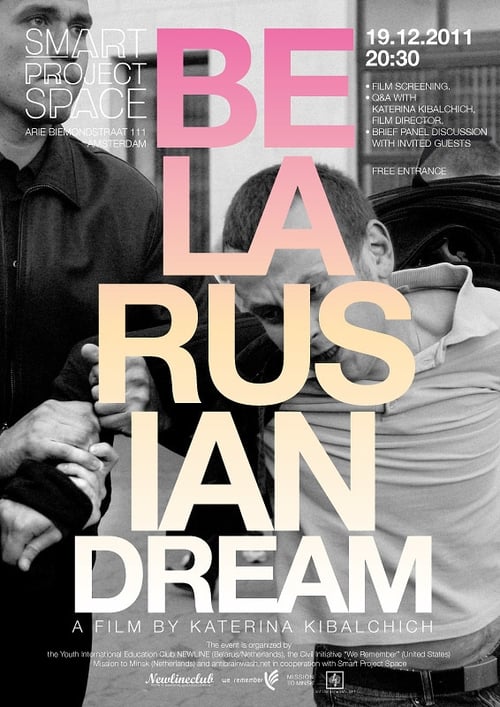
A film about dreams and ambitions in the Belarus through the eyes of the younger generation. An insight into the recent history of Belarus and the growing movement for change in 'Europe's last dictatorship'.
No Cast found.
No Trailers found.
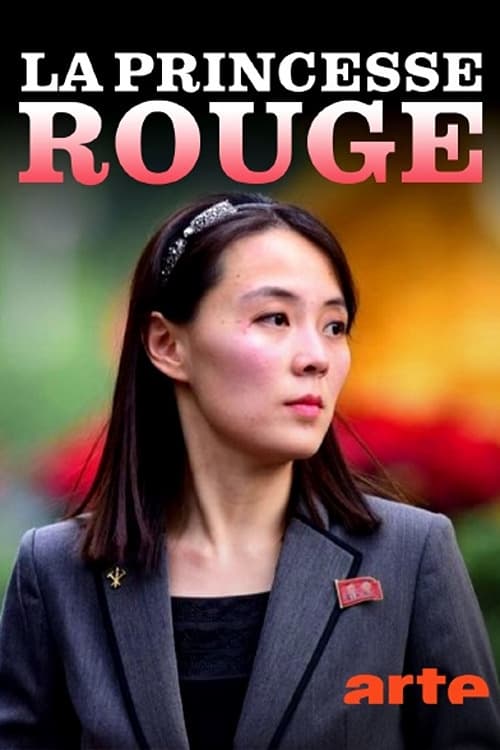
Who is Kim Yo-jong? In a context of maximum tensions between North Korea and the United States, Pierre Haski paints an unprecedented portrait of the little sister of Kim Jong-un, whose influence in Pyongyang is growing stronger day by day.
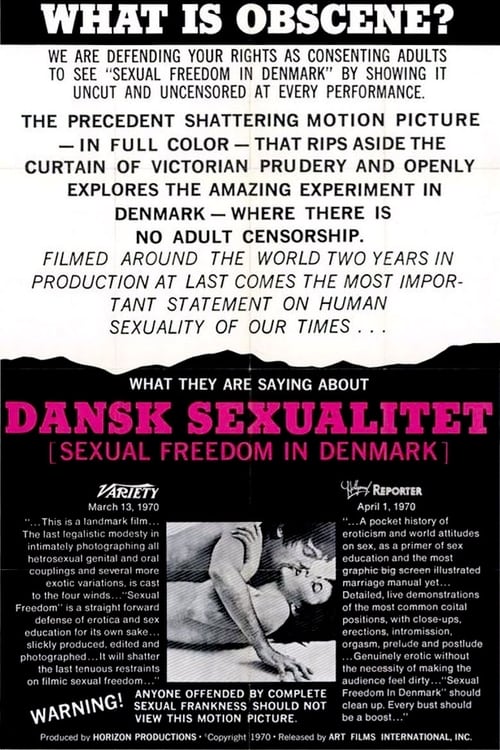
Starting as a documentary on the sexually liberated culture of late-Sixties Denmark, Sexual Freedom in Denmark winds up incorporating major elements of the marriage manual form and even manages to squeeze in a montage of beaver loops and erotic art. All narrated with earnest pronouncements concerning the social and psychological benefits of sexual liberation, the movie, is a kind of mondo film dotted with occasional glimpses of actual sex.
No overview available.
In Maija Blåfield’s documentary, eight former North Koreans talk about what it was like to watch illegal films in a closed society. In addition to the 'waste videos', South Korean films were also smuggled into the country via China.
Four lucid grandmothers tell their story forgotten by history: the militancy and resistance of the young women of the leftist youth against the dictatorship of Marcos Pérez Jiménez.
After the World War I, Mussolini's perspective on life is severely altered; once a willful socialist reformer, now obsessed with the idea of power, he founds the National Fascist Party in 1921 and assumes political power in 1922, becoming the Duce, dictator of Italy. His success encourages Hitler to take power in Germany in 1933, opening the dark road to World War II. (Originally released as a two-part miniseries. Includes colorized archival footage.)
It follows Chilean writer Antonio Skármeta as he celebrates the end of the autocrats. Cheerful farewell rituals accompany others facing political persecution on their way to fly home.
Images of Argentinian companies and factories in the first light of day, seen from the inside of a car, while the director reads out documents in voiceover that reveals the collusion of the same concerns in the military dictatorship’s terror.
This revealing portrait of Cuba follows the lives of Fidel Castro and three Cuban families affected by his policies over the last four decades.
The ocean contains the history of all humanity. The sea holds all the voices of the earth and those that come from outer space. Water receives impetus from the stars and transmits it to living creatures. Water, the longest border in Chile, also holds the secret of two mysterious buttons which were found on its ocean floor. Chile, with its 2,670 miles of coastline and the largest archipelago in the world, presents a supernatural landscape. In it are volcanoes, mountains and glaciers. In it are the voices of the Patagonian Indigenous people, the first English sailors and also those of its political prisoners. Some say that water has memory. This film shows that it also has a voice.
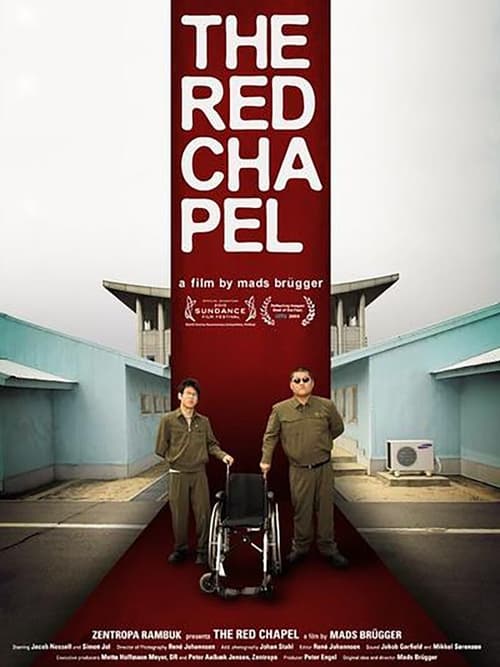
Two Danish comedians join the director on a trip to North Korea, where they have been allowed access under the pretext of wanting to perform a vaudeville act.
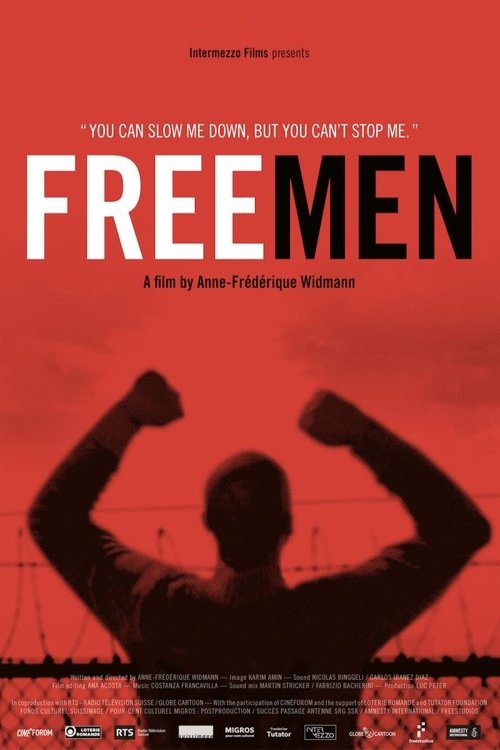
Told through the charismatic voice of inmate Kenneth Reams, Free Men is a film about human resilience. In solitary confinement for the last 25 years, Kenneth has pushed back the walls of his cell to become a painter, a poet, the founder of a non-profit, and an art event organizer - while fighting at the same time for justice. At age 18, Kenneth Reams was convicted for capital murder without firing a bullet. He became the youngest inmate on Arkansas death row. Alongside art, the film shows how love can cross barbed wire and the length of an ocean in Kenneth's love for Isabelle, a French artist who wants to become his wife.
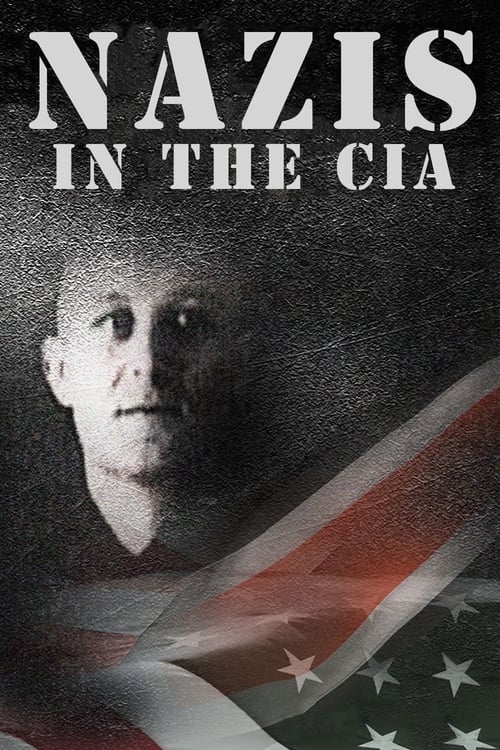
Florian Hartung and Dirk Pohlmann have reconstructed a previously unknown dimension of the collaboration between Nazis and the CIA in the Cold War. Drawing upon recently released documents, the film exposes for the first time a perfidious, worldwide net that reaches deep into the power structures of the Federal Republic of Germany. Lending their authority to the fact-finders’ mission are high-ranking statesmen, journalists and historians.
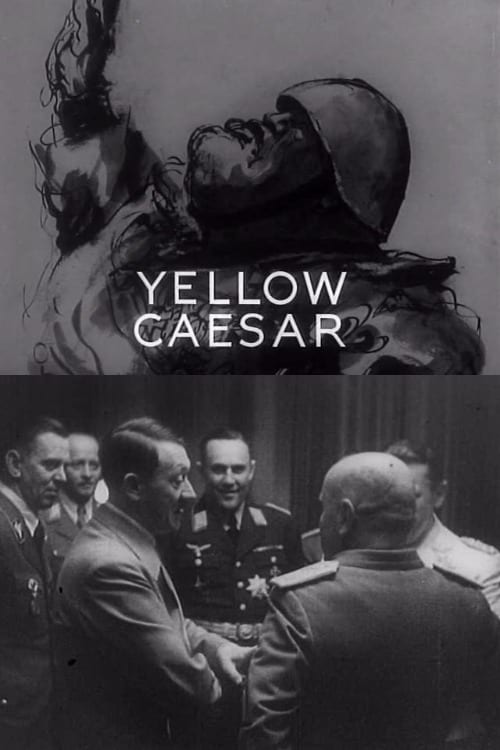
Using edited archive footage, mockery is made of Italy's dictator Benito Mussolini.
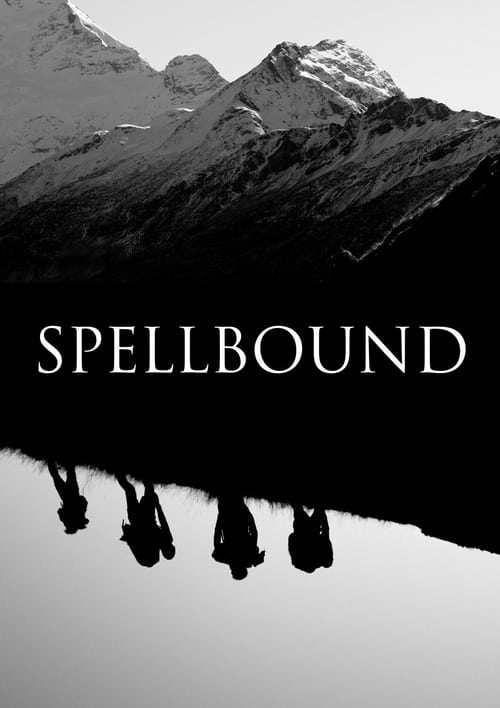
Wingsuit BASE jumping is often presented as a thrill seeking adrenaline rush. Spellbound takes us deeper into the more contemplative aspects of jumping, as David Walden and friends venture into the mountains around his home in New Zealand. Beautiful scenery and hypnotic cinematography eject us from our daily lives into a world of air, earth and flight.
A short film produced between September and October of 1969, during the course of the Brazilian military dictatorship. It's authorship remained anonymous for a long time and the precariousness of the production was due because of its clandestinity. The film is a collage of images of popular repression, ruling power violence and its people resistance around the world.
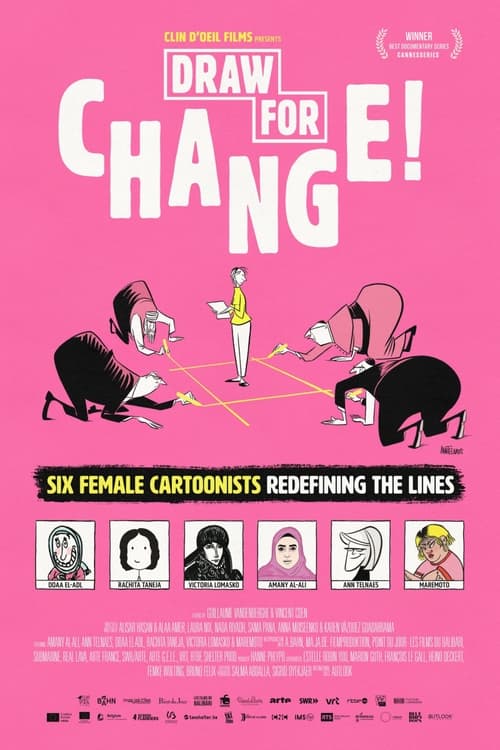
Doaa el-Adl, the first woman to be awarded the esteemed Journalistic Distinction in Caricature, serves as a catalyst for transformation within the predominantly male-dominated realm of Egyptian political cartoonists. Challenging patriarchal norms, she routinely confronts censorship, harassment, and even threats to her life. In a remarkable fusion of documentary, cartoons, and animation, Egyptian director Nada Riyadh breathes life into el-Adl's most renowned works. This dynamic and fearless presentation delves into the issue of violence against women, stretching the boundaries of freedom of speech in a society often characterized by restrictions. Through her exceptional talent, el-Adl not only champions women's rights but also serves as an inspiration for societal change.
Audiovisual experiment, on the role of photography and its authors, during the last civic-military dictatorship in Argentina. A documentary that makes clear the complicity of the hegemonic media with the military government and the fundamental role played by the militants, in this case photographers, to document what was really happening in Argentina during the period 1976/1983.
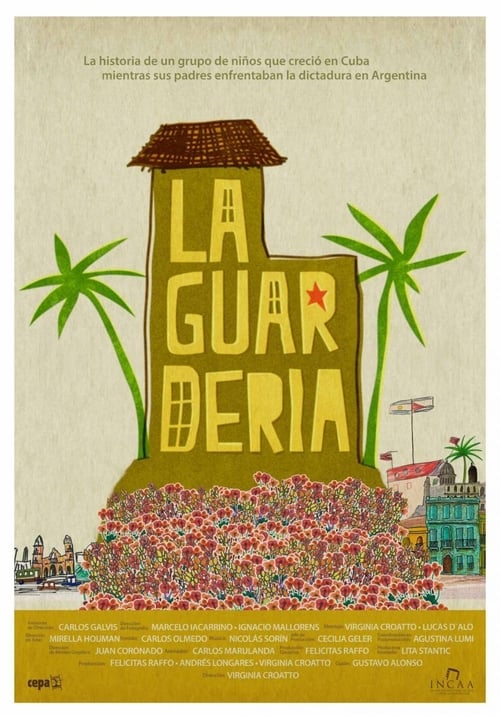
There was a time in Argentina, not so long ago, when the army wasn't only one, official, but many and made up by civilians. In those times of courageous youths determined to fight to the death for that cause upheld around Peronism as wll as some left-wing postulates, revolutionary Cubas was a beacon of hope in the world scheme -a Montonero nation. "A House in Cuba" seeks to recover the curious adventure of a couple of Montonero parents and their small children, who were lovingly sent into exile in order for their parents to take up arms.